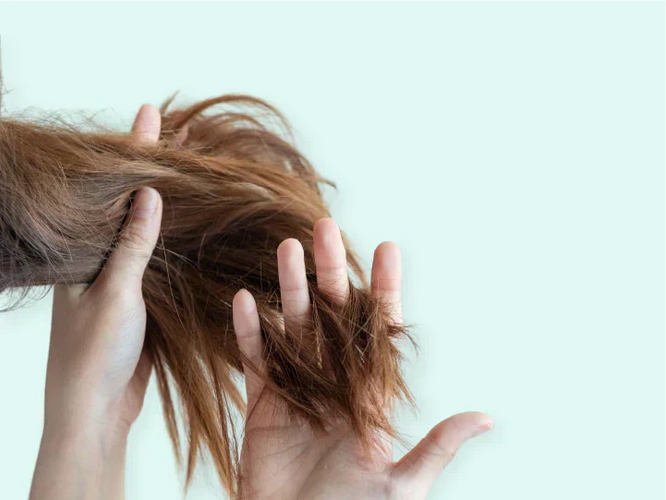
When winter arrives, your hair faces new challenges that can leave it dry, dull, and brittle. You might notice more breakage, frizz, or even scalp irritation.
But don’t worry—taking care of your hair during the cold months doesn’t have to be complicated. Imagine having smooth, shiny hair that feels soft and healthy, even when the temperature drops. You’ll discover simple and effective winter hair care tips that protect your locks and keep them looking their best all season long.
Ready to transform your hair routine and enjoy beautiful hair despite the chill? Let’s dive in.

Credit: www.thriveco.in
Winter Hair Challenges
Winter can be tough on your hair in ways you might not expect. Cold air outside and dry heat inside strip moisture from your strands, making it harder to keep your hair healthy. Understanding common winter hair challenges helps you take better care of your locks during the colder months.
Dryness And Frizz
Have you noticed your hair feeling rough and looking frizzy more often in winter? The cold air outside removes natural oils from your hair, while indoor heating further dries it out. This double whammy leaves hair dehydrated, causing strands to become brittle and frizz to pop up unexpectedly.
Adding a hydrating hair mask once a week can restore moisture. Also, try using a leave-in conditioner to keep your hair smooth throughout the day. These small changes can make a big difference in how your hair feels and looks.
Scalp Issues
It’s not just your hair that suffers; your scalp can feel dry, itchy, or flaky during winter too. Low humidity causes the scalp’s natural oils to disappear, leading to discomfort and sometimes dandruff. Ignoring these signs can make your scalp more sensitive and worsen hair problems.
Consider using gentle shampoos that nourish the scalp without stripping oils. Massaging your scalp with natural oils like coconut or jojoba can also improve circulation and hydration. Have you tried scalp treatments that leave your skin feeling refreshed?
Hair Breakage
Winter hair breakage happens more often than you might realize. When your hair lacks moisture, it becomes fragile and snaps easily, especially when you brush or style it. Wearing hats or scarves without a protective layer can also cause friction that damages your strands.
Use a wide-tooth comb to gently detangle hair when it’s wet. Wearing silk or satin scarves under your winter hats reduces friction and helps preserve your hair’s strength. What small habit can you add to protect your hair from breakage this season?
Hydrating Hair Treatments
Winter can strip moisture from your hair, leaving it dry and brittle. Hydrating hair treatments are essential to keep your locks soft and healthy through the cold months. These treatments nourish your hair deeply and protect it from harsh weather effects.
Deep Conditioning Masks
Deep conditioning masks provide intense hydration by penetrating the hair shaft. Use them once a week to restore moisture and repair damage caused by cold air and indoor heating. Look for masks with ingredients like shea butter, keratin, or avocado oil for best results.
Applying a deep mask after shampooing can transform your hair texture. You might notice smoother, shinier hair after just one use. Have you tried leaving a mask on overnight for extra nourishment?
Natural Oils For Moisture
Natural oils are a great way to lock in moisture during winter. Oils such as coconut, argan, and jojoba add shine and reduce frizz without weighing hair down. Applying a few drops to your ends daily can prevent split ends and dryness.
Try warming the oil slightly before application to help it absorb better. Do you know which oil suits your hair type best? Experiment with small amounts to find your perfect match.
Leave-in Conditioners
Leave-in conditioners offer continuous hydration and protection throughout the day. They are lightweight and easy to apply, making them ideal for daily use in winter. Choose formulas that contain humectants like glycerin to attract moisture from the air.
Spray or cream-based leave-ins can help detangle hair and reduce static. How often do you refresh your hair with leave-in products during the colder months? Keeping them in your winter routine can make a noticeable difference.
Protecting Hair From Cold Weather
Cold weather can make hair dry and brittle. Protecting hair from winter’s harsh conditions keeps it healthy and strong. Simple habits help avoid damage caused by cold air and low humidity.
Use warm clothing and gentle hair care to keep moisture locked in. Avoiding extra heat and applying protective products are key steps. These tips help hair stay soft and shiny all winter long.
Wearing Hats And Scarves
Cover hair with hats or scarves to shield it from cold wind. Choose soft fabrics like cotton or silk to prevent friction. Avoid rough materials that cause breakage and frizz.
Loose fitting hats allow hair to breathe without trapping sweat. Wrap scarves gently around hair to keep warmth without pulling strands. This simple step reduces hair dryness and split ends.
Avoiding Harsh Heat Styling
Cold weather already dries hair, so skip intense heat styling tools. Avoid straighteners, curling irons, and blow dryers on high heat. Let hair air dry or use low heat settings instead.
Excess heat removes natural oils, making hair brittle and weak. Give hair breaks from styling tools to maintain moisture. Use gentle hairstyles that do not strain hair strands.
Using Heat Protectants
Apply heat protectant sprays or serums before using any heat tools. These products create a barrier that reduces damage from heat. They help keep hair smooth and hydrated during styling.
Choose heat protectants with nourishing ingredients like oils or vitamins. Spray evenly on damp or dry hair before blow drying or straightening. This step preserves hair strength and shine.

Credit: lohy.com.au
Washing And Drying Tips
Winter can be tough on your hair, especially during washing and drying. The cold air outside and dry heat inside can strip moisture, making your hair brittle and prone to breakage. Adjusting how you wash and dry your hair can make a big difference in keeping it healthy all season long.
Choosing The Right Shampoo
Look for shampoos that are hydrating and sulfate-free to avoid stripping natural oils from your scalp. Ingredients like argan oil, shea butter, and glycerin help lock in moisture. If your scalp feels itchy or dry, a gentle shampoo with tea tree or aloe vera can soothe irritation without over-drying.
Optimal Washing Frequency
Washing your hair too often in winter can remove essential oils, leaving it dry and frizzy. Try washing every two to three days instead of daily to maintain natural hydration. If your hair feels oily between washes, consider using a dry shampoo to refresh your scalp without water.
Gentle Drying Techniques
Rubbing your hair with a towel can cause breakage and frizz. Instead, gently squeeze out excess water or wrap your hair in a soft microfiber towel or old cotton T-shirt. Air drying is best, but if you use a blow dryer, choose a low heat setting and keep it at least six inches away from your hair to prevent heat damage.
Diet And Hydration For Hair Health
Healthy hair starts from within. Winter’s cold air can dry out hair and scalp. Eating well and drinking enough water keeps hair strong and shiny. Proper diet and hydration supply hair with the nutrients it needs to grow and stay healthy during winter.
Essential Nutrients
Hair needs vitamins and minerals to stay healthy. Protein is key for hair growth and strength. Foods rich in protein include eggs, fish, and beans. Vitamin A helps scalp produce natural oils. Sweet potatoes and carrots are good sources. Vitamin E improves blood circulation to hair roots. Nuts and seeds contain plenty of vitamin E. Iron supports oxygen delivery to hair cells. Spinach and red meat offer iron. Zinc repairs hair tissues and prevents hair loss. Pumpkin seeds and lentils have zinc.
Importance Of Water Intake
Water keeps hair hydrated from the inside out. Dry hair breaks easily and looks dull. Drinking enough water prevents scalp dryness. It also helps nutrients travel to hair follicles. Aim to drink at least eight glasses daily. Herbal teas and soups can add to fluid intake. Avoid too much caffeine, which can dehydrate the body.
Supplements For Hair Strength
Supplements can fill gaps in diet. Biotin supports hair structure and growth. Omega-3 fatty acids reduce inflammation and nourish scalp. Vitamin D helps create new hair follicles. Consult a doctor before starting supplements. Excessive intake can cause harm. Choose high-quality products from trusted brands.
Maintaining Shine And Softness
Winter air can dry out hair, leaving it dull and rough. Maintaining shine and softness takes gentle care and smart habits. Small changes help protect your hair’s natural moisture and glow throughout cold months.
Cold Water Rinse
Rinsing hair with cold water seals the hair cuticles. This helps trap moisture inside each strand. Hair looks shinier and feels smoother. Cold water also reduces frizz caused by dry winter air.
Silk Or Satin Pillowcases
Sleeping on silk or satin pillowcases prevents hair breakage. These materials cause less friction than cotton. Hair stays soft and smooth overnight. Less tangling means less damage and split ends.
Regular Trims
Trimming hair every 6-8 weeks removes dry, split ends. Healthy ends reflect light better, adding shine. Trims keep hair looking neat and soft. They help hair grow stronger and prevent further damage.

Credit: goldielocks.com
Frequently Asked Questions
How Do I Protect Hair From Winter Dryness?
Use a moisturizing shampoo and conditioner to hydrate hair. Apply leave-in conditioners or oils to lock moisture. Avoid hot water while washing. Wear a hat or scarf outdoors to shield hair from cold wind and harsh weather.
What Are The Best Hair Oils For Winter Care?
Coconut oil, argan oil, and olive oil deeply nourish and protect hair. These oils help prevent dryness and breakage. Apply oil once or twice a week for best results. Massage gently to boost scalp circulation and hair strength.
How Often Should I Wash My Hair In Winter?
Washing hair 2-3 times a week is ideal during winter. Over-washing removes natural oils, causing dryness. Use mild, sulfate-free shampoos that retain moisture. Adjust frequency based on hair type and scalp condition.
Can Winter Weather Cause Hair Fall?
Yes, cold weather can lead to dry scalp and hair fall. Lack of moisture weakens hair roots, causing breakage. Proper hydration, gentle care, and balanced nutrition reduce hair fall during winter months.
Conclusion
Caring for hair in winter is essential. Cold weather affects hair health. Simple routines can protect your hair. Use hydrating shampoos and conditioners. Regular trims help prevent split ends. Wear a hat to shield from the cold. Avoid hot showers.
They can dry out your scalp. Opt for lukewarm water instead. Stay hydrated by drinking water daily. Proper care keeps hair shiny and strong. Follow these tips for healthy winter hair. Your hair will thank you!
