Are you tired of dealing with flaky patches and that uncomfortable tightness on your skin? If you have dry skin, you know how challenging it can be to find the right skincare routine.
But what if we told you that relief is just a few steps away? We’ll uncover the essential parts of skincare you should be using for dry skin to achieve that soft, hydrated glow you’ve been dreaming of. Imagine waking up with skin that feels as smooth as silk, no more itchiness or rough spots.
Curious? Keep reading to discover the secrets to transforming your dry skin into a radiant masterpiece. Your skin deserves the best, and we’re here to help you give it just that!
Causes Of Dry Skin
Dry skin occurs when the skin loses moisture or oil. This leads to tightness, flaking, and sometimes itching. Understanding what causes dry skin helps to choose the right skincare products. Causes can be related to the environment, lifestyle, or skin health issues.
Environmental Factors
Cold weather and low humidity pull moisture from the skin. Hot showers or baths can strip natural oils. Harsh winds and sun exposure also damage the skin barrier. Indoor heating dries out the air and skin too. These factors reduce skin’s ability to stay hydrated.
Lifestyle Habits
Using strong soaps or cleansers removes skin oils. Not drinking enough water lowers skin moisture. Smoking and poor diet affect skin health. Over-exfoliating causes irritation and dryness. Wearing tight or rough clothing can worsen dry patches.
Skin Conditions
Eczema and psoriasis cause dry, flaky, and itchy skin. Some allergies trigger dryness and redness. Aging reduces skin’s oil production naturally. Certain medications may also dry out the skin. These conditions need special care and products.

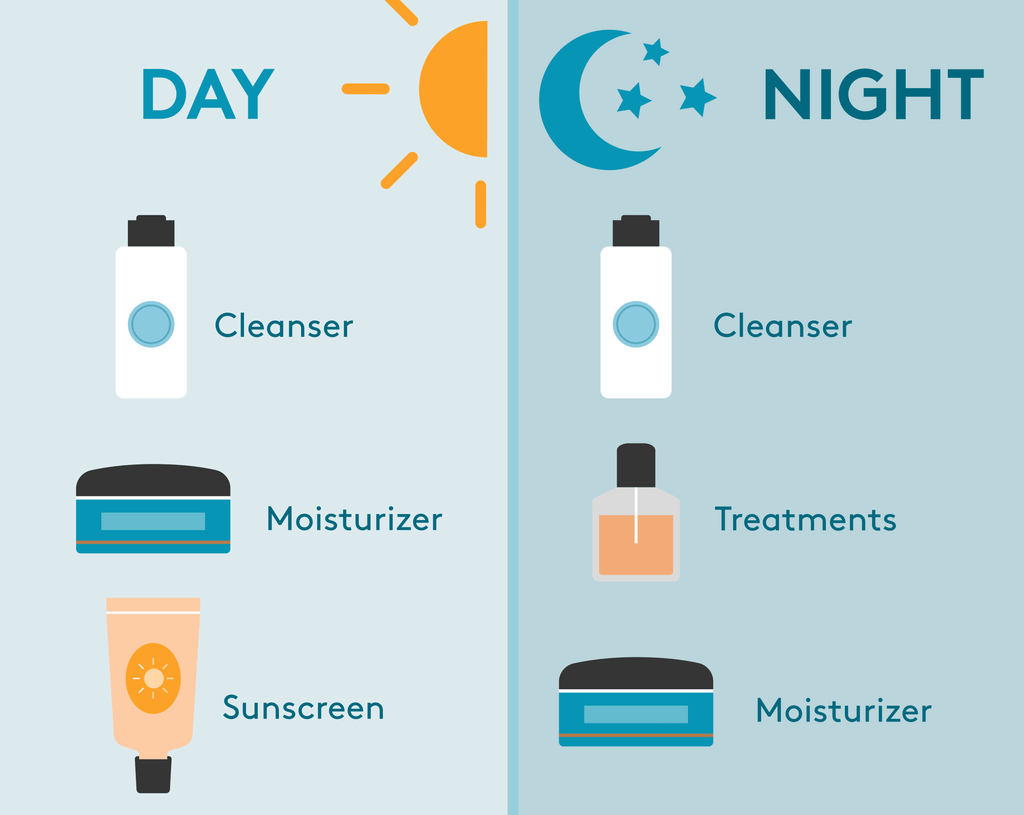
Credit: www.colorescience.com
Choosing The Right Cleanser
Choosing the right cleanser is a crucial first step in caring for dry skin. Your cleanser sets the foundation for hydration and comfort throughout the day. Picking the wrong one can strip away natural oils, leaving your skin tight and flaky. Let’s look at how to find a cleanser that truly supports your skin’s needs.
Gentle And Hydrating Formulas
Look for cleansers labeled as gentle or hydrating. These formulas usually contain ingredients like glycerin, hyaluronic acid, or ceramides that help retain moisture.
I once switched to a hydrating cleanser and noticed my skin felt softer and less irritated after every wash. You don’t want a cleanser that leaves your skin feeling squeaky clean, as that often means it’s too harsh.
Try a cream-based or oil-based cleanser instead of foaming ones. These types cleanse without removing your skin’s natural oils.
Avoiding Harsh Ingredients
Steer clear of cleansers with sulfates, alcohol, or strong fragrances. These ingredients can cause dryness and irritation, especially if your skin is already struggling.
Check the label for sodium lauryl sulfate or denatured alcohol. Even if a cleanser promises deep cleaning, it’s not worth sacrificing your skin’s moisture barrier.
Have you ever felt tightness or redness right after washing your face? That’s a sign your cleanser might be too aggressive. Opt for formulas free from these harsh ingredients to keep your skin calm and hydrated.
Importance Of Moisturizers
Moisturizers are a must-have for anyone with dry skin. They help lock in moisture and create a protective barrier that prevents water loss. Without the right moisturizer, your skin can feel tight, flaky, and uncomfortable.
I remember switching to a richer moisturizer during winter, and the difference was immediate. My skin stopped feeling parched by midday, proving how crucial the right moisturizer is for comfort and skin health.
Types Suitable For Dry Skin
Not all moisturizers work the same for dry skin. Look for creams and ointments rather than gels or lotions. These thicker formulas provide better hydration and last longer on your skin.
- Creams:Rich and hydrating, perfect for daily use.
- Ointments:Heavier, ideal for very dry or cracked skin.
- Balms:Great for targeted dry patches or sensitive areas.
Have you tried switching to a cream or ointment instead of a light lotion? You might find your skin feels softer and more nourished throughout the day.
Key Hydrating Ingredients
Understanding ingredients helps you pick a moisturizer that truly benefits your skin. Look for substances that draw water into the skin and seal it in.
| Ingredient | Benefit | Why It Works for Dry Skin |
|---|---|---|
| Hyaluronic Acid | Attracts and holds water | Keeps skin plump and hydrated |
| Glycerin | Draws moisture from the air | Improves skin’s moisture balance |
| Ceramides | Rebuilds skin barrier | Prevents moisture loss |
| Shea Butter | Deeply moisturizing | Softens and nourishes dry skin |
Have you checked your moisturizer’s label lately? Spotting these ingredients can be a game-changer for your dry skin routine.
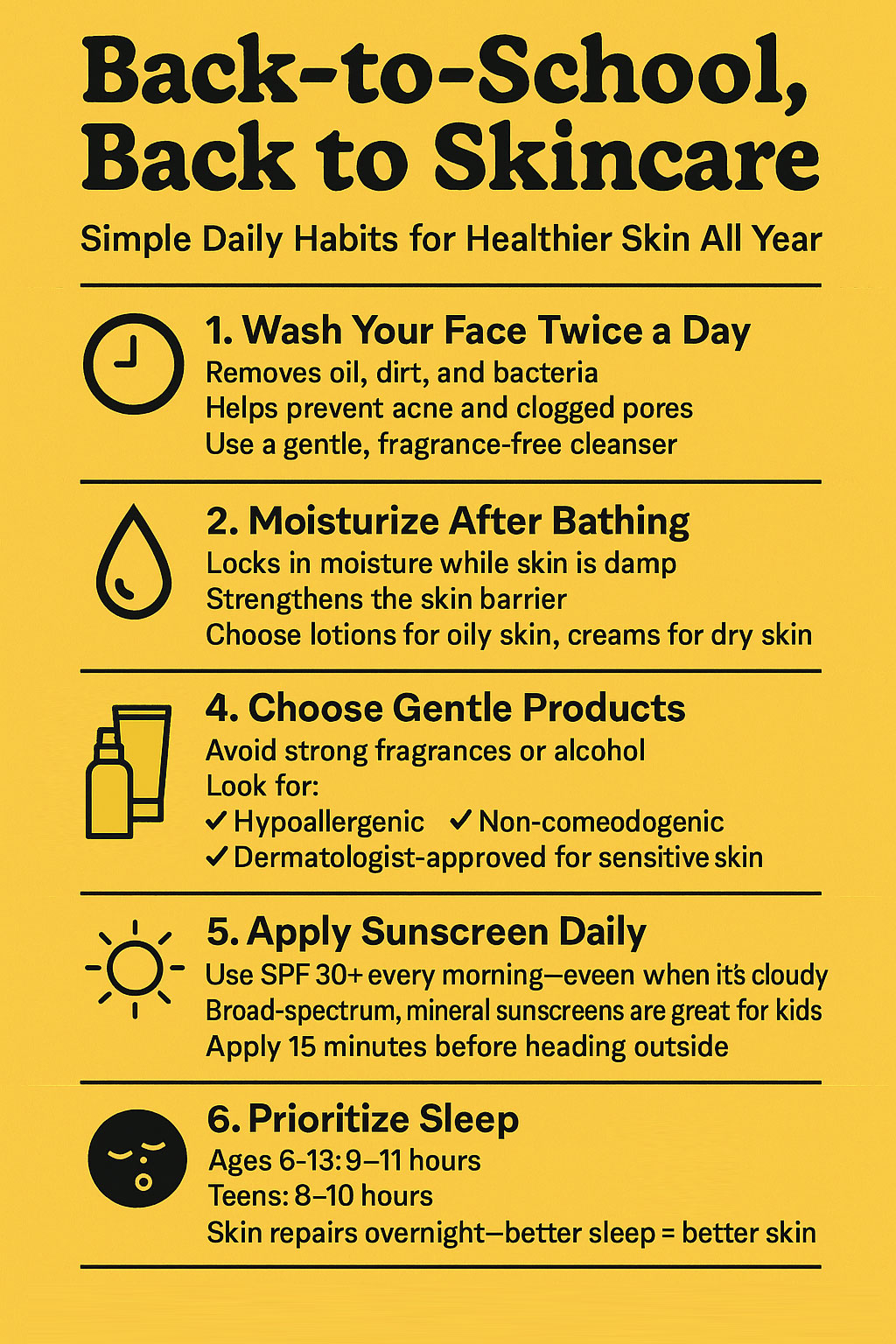
Credit: dermatologyofct.com
Serums And Treatments
Serums and treatments play a crucial role in managing dry skin. They deliver concentrated ingredients that can deeply hydrate and repair your skin barrier. Choosing the right serum can make a noticeable difference in your skin’s texture and comfort.
Hydrating Serums To Use
Look for serums rich in humectants like hyaluronic acid and glycerin. These ingredients attract moisture from the environment, helping your skin stay plump and hydrated throughout the day.
Serums containing ceramides or niacinamide also support your skin’s protective barrier. I noticed my skin felt softer and less flaky after adding a niacinamide serum to my routine, especially during colder months.
Other powerful options include serums with squalane or aloe vera, which soothe irritation while locking in moisture. These are gentle enough for daily use and can be layered under your moisturizer.
Avoiding Irritants
Dry skin can be sensitive, so it’s important to avoid serums with alcohol, fragrances, or harsh exfoliants. These ingredients can strip natural oils and worsen dryness or redness.
Even if a product promises quick results, ask yourself: Is it worth risking irritation? I once tried a serum with alcohol to get faster results, but my skin became tight and uncomfortable for days.
Stick to simple, clean formulas designed for sensitive or dry skin. Your skin will thank you by staying calm, balanced, and hydrated.
Sun Protection For Dry Skin
Sun protection is crucial for everyone, but especially for those with dry skin. The right sunscreen not only shields your skin from harmful UV rays but also helps maintain moisture and prevent irritation. Without proper protection, dry skin can become even more dehydrated and prone to damage.
Choosing Moisturizing Sunscreens
Look for sunscreens labeled as hydrating or moisturizing. Ingredients like hyaluronic acid, glycerin, and ceramides boost hydration while protecting your skin. Avoid formulas with alcohol or strong fragrances, as they can dry out your skin further.
Physical (mineral) sunscreens containing zinc oxide or titanium dioxide are often gentler and less likely to cause irritation. They sit on top of the skin and reflect UV rays, which can be a better option for sensitive, dry skin.
Application Tips
Apply sunscreen as the last step in your skincare routine, after your moisturizer has fully absorbed. Using your fingers, gently pat the sunscreen onto your face instead of rubbing vigorously to avoid disrupting your skin barrier.
Don’t forget often-missed areas like your neck, ears, and the back of your hands. Reapply every two hours if you’re outdoors, and more frequently if you’re sweating or swimming.
Have you noticed how some sunscreens leave your skin feeling tight or flaky? Try switching to a moisturizing formula and applying it on damp skin to lock in extra moisture.
Additional Skincare Tips
Dry skin needs special care beyond basic cleansing and moisturizing. Adding extra steps can improve skin texture and comfort. These tips help maintain moisture and protect the skin’s barrier.
Exfoliation Methods
Exfoliation removes dead skin cells and smooths the surface. For dry skin, choose gentle exfoliants to avoid irritation.
- Use mild chemical exfoliants with lactic acid or enzymes.
- Avoid harsh scrubs with large, rough particles.
- Limit exfoliation to 1-2 times per week.
Gentle exfoliation boosts absorption of moisturizers and keeps skin soft.
Humidifiers And Hydration
Dry air worsens skin dryness. Using a humidifier adds moisture to the environment.
- Place a humidifier in your bedroom or workspace.
- Drink plenty of water throughout the day.
- Avoid long hot showers that strip natural oils.
These habits keep skin hydrated from inside and outside.
Nighttime Care
Nighttime is perfect for skin repair and hydration. Use richer creams or oils before bed.
- Apply a thick moisturizer or facial oil at night.
- Consider using a hydrating serum with hyaluronic acid.
- Sleep on a clean cotton pillowcase to reduce irritation.
Night care helps skin recover and stay soft by morning.

Credit: www.eraorganics.com
Frequently Asked Questions
What Skincare Ingredients Are Best For Dry Skin?
Look for hydrating ingredients like hyaluronic acid, glycerin, ceramides, and squalane. These help lock in moisture and repair the skin barrier effectively.
How Often Should Dry Skin Be Moisturized Daily?
Moisturize at least twice a day—morning and night. Applying moisturizer after cleansing helps retain hydration and soothe dry, flaky skin.
Can Dry Skin Benefit From Exfoliation?
Yes, gentle exfoliation once or twice a week removes dead skin cells. Use mild exfoliants to avoid irritation and improve skin texture safely.
Which Cleanser Suits Dry Skin Best?
Choose a creamy, hydrating cleanser that does not strip oils. Avoid harsh foaming or alcohol-based cleansers that can worsen dryness.
Conclusion
Dry skin needs gentle care and the right products. Use mild cleansers that do not strip moisture. Moisturizers with ingredients like hyaluronic acid help keep skin soft. Don’t forget sunscreen to protect from sun damage. Avoid harsh scrubs that can irritate skin.
Consistency in your routine is key to better results. Healthy skin feels comfortable and looks fresh. Simple steps can make a big difference for dry skin. Choose products made for hydration and gentle care. Your skin will thank you with a healthy glow.
