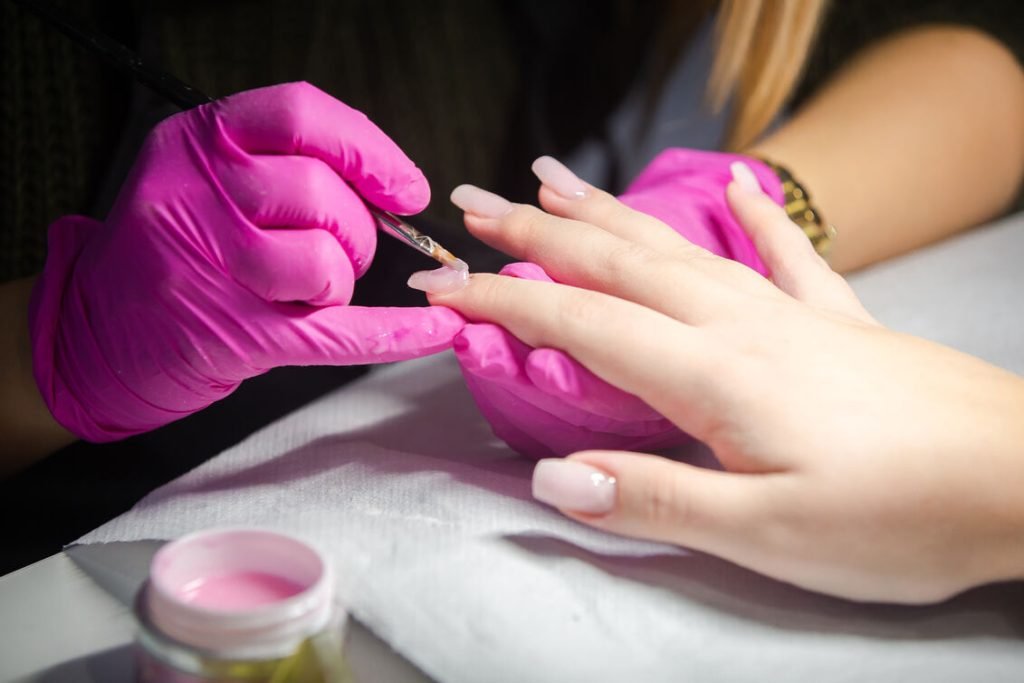
When it comes to your nails, do you really know what’s best for their care? You might think you’re doing everything right, but are you sure about which habits actually help keep your nails healthy?
Understanding the truth about nail care can make a big difference in how your nails look and feel. You’ll discover simple, proven tips that can protect your nails and help them grow strong. Keep reading to find out what really works—and what doesn’t—so you can give your nails the care they deserve.
:max_bytes(150000):strip_icc()/powderdipnailssocial1-e7973986cba24502a6c765b5e8744971.png)
Credit: www.byrdie.com
Nail Structure Basics
Nail care begins with understanding the basic structure of nails. Nails are more than just a hard surface; they have several parts working together. Knowing these parts helps in keeping nails healthy and strong.
Anatomy Of The Nail
The nail consists of several key parts. The visible part is called the nail plate, made of keratin. Underneath lies the nail bed, a layer of skin that supports the nail plate. The matrix is the root where new nail cells grow. The lunula is the white, crescent-shaped area at the base of the nail plate. These parts work together to form and protect the nail.
Role Of Cuticles
Cuticles are thin layers of skin at the base of the nail plate. They act as a barrier, preventing bacteria and dirt from entering the nail matrix. Healthy cuticles protect nails from infections and damage. Proper care includes gentle pushing back, not cutting, to avoid injury.
Nail Growth Cycle
Nails grow in a natural cycle. New cells form in the matrix and push older cells forward. Nails grow about 3 millimeters per month on average. The cycle includes growth, rest, and shedding phases. Understanding this cycle helps in recognizing healthy nail growth and signs of problems.
Credit: www.goodrx.com
Daily Nail Care Tips
Keeping your nails healthy requires attention every single day. Small daily habits can protect your nails from damage and keep them looking their best. Let’s dive into simple, practical tips you can start using right now.
Cleansing And Moisturizing
Clean nails are less likely to develop infections or break easily. Use a gentle soap and warm water to wash your nails, making sure to remove dirt from underneath. Avoid harsh scrubbing, which can weaken the nail surface.
Moisturizing isn’t just for your skin—your nails need it too. Apply a nourishing hand cream or cuticle oil daily to prevent dryness and cracking. Notice how your nails feel after a week of regular moisturizing—you might be surprised by the difference.
Safe Trimming Techniques
Trimming nails properly stops them from splitting or breaking. Use sharp nail clippers and cut straight across to avoid ingrown nails. Round the edges gently with a file to smooth rough spots without cutting too deep.
Have you ever pulled at a nail that snagged and ended up with a painful tear? Avoid this by trimming nails regularly rather than waiting for them to get too long. It’s a small step that saves a lot of discomfort.
Avoiding Nail Damage
Daily activities can harm your nails without you realizing it. Wearing gloves while cleaning or gardening shields nails from harsh chemicals and dirt. Try to limit exposure to water and detergents, which can dry out nails and cause peeling.
Think about how often you use your nails as tools—opening cans or scratching surfaces. These habits increase the risk of breaks. Instead, use proper tools and be mindful of how you treat your nails every day.
Common Myths About Nail Care
Nail care has many myths that confuse people. These myths can lead to bad habits and poor nail health. Knowing the truth helps keep nails strong and beautiful. Here are some common myths about nail care.
Myth: Frequent Cutting Makes Nails Thicker
Many believe cutting nails often makes them thicker. Nails do not grow thicker from cutting. Cutting trims the nail but does not change its structure. Nails may appear thicker if they are damaged or unhealthy. Regular trimming keeps nails neat and prevents breakage.
Myth: Nail Polish Causes Nail Weakness
Some say nail polish weakens nails. Nail polish itself does not cause weakness. Problems happen when polish is left on too long or removed harshly. Using gentle polish removers helps protect nails. Taking breaks from polish allows nails to breathe and stay healthy.
Myth: Biting Nails Is Harmless
Biting nails is seen as a harmless habit. It can cause nail damage and infections. Bacteria from fingers get under the nails easily. Nail biting also affects skin around the nails. Avoid biting to keep nails and skin healthy.

Credit: www.londontownusa.com
Signs Of Nail Health Problems
Nails often show early signs of health problems. Paying attention to these signs helps in spotting issues early. Healthy nails are smooth, uniform in color, and free from spots or pain. Changes in nails may indicate infections, deficiencies, or other health conditions. Understanding these signs supports better nail care and overall wellness.
Discoloration And Spots
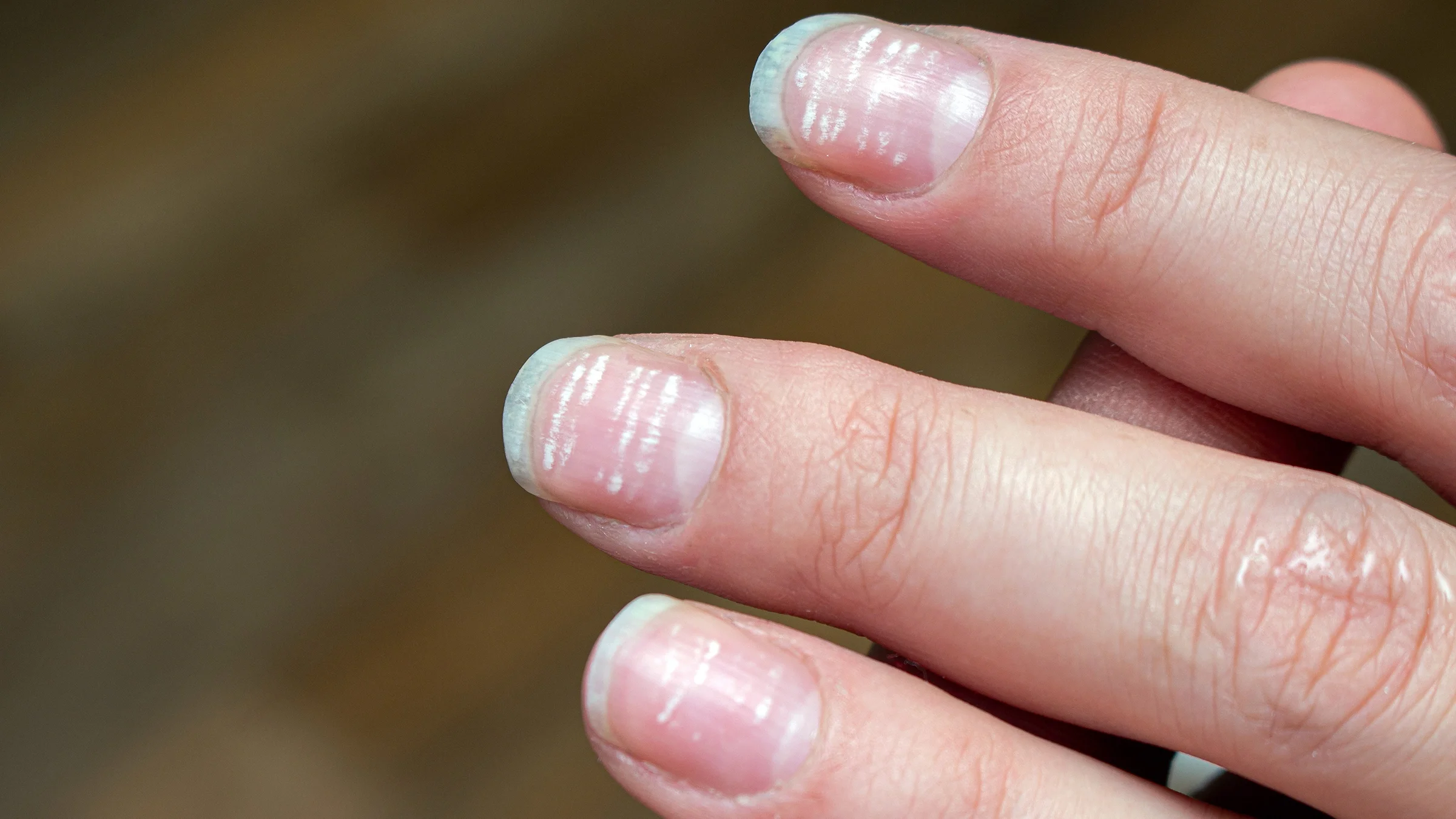
Nails should be a consistent pinkish color. White, yellow, or dark spots can signal problems. Yellow nails may indicate fungal infections or lung issues. White spots often come from minor injuries or zinc deficiency. Dark streaks or spots need immediate attention as they may be serious.
Changes In Texture
Healthy nails are smooth without pits or grooves. Rough or brittle nails can mean dehydration or vitamin lack. Thickened nails may suggest fungal infections. Thin, peeling nails often result from excessive moisture or harsh chemicals. Texture changes usually point to underlying health or environmental issues.
Pain And Swelling
Pain around the nail or swelling can signal infection. Redness and warmth are signs of inflammation. Ingrown nails cause sharp pain and swelling on the sides. Persistent pain may require medical evaluation. Early care prevents worsening and supports faster healing.
Professional Nail Care Options
Professional nail care offers more than just a polished look. It helps maintain nail health and hygiene. Experts use tools and techniques that reduce damage and infection risks. Choosing the right nail care option supports strong, beautiful nails over time.
Manicure And Pedicure Benefits
Manicures and pedicures clean and shape nails carefully. They remove dead skin around the nails. Regular treatments can prevent nail problems like hangnails and infections. These services improve blood circulation in hands and feet. They also boost confidence with neat, attractive nails.
When To See A Dermatologist
Some nail issues need a doctor’s attention. Signs include persistent redness, swelling, or pain. Thickened, discolored, or brittle nails may signal an infection. A dermatologist can diagnose and treat fungal or bacterial nail problems. Early care prevents complications and promotes healing.
Safe Salon Practices
- Choose salons with good hygiene standards.
- Ensure tools are sterilized or single-use.
- Check if staff wear gloves during treatments.
- Avoid salons with visible dirt or poor ventilation.
- Speak up if you notice unclean equipment or practices.
Following these practices lowers infection risk and keeps nails healthy. Safe salons protect both clients and technicians.
Impact Of Diet On Nail Health
Your nails reflect your overall health more than you might think. What you eat directly affects their strength, growth, and appearance. Understanding the impact of diet on nail health can help you make smarter choices that benefit not just your nails but your whole body.
Essential Nutrients For Strong Nails
Your nails need specific nutrients to stay strong and avoid brittleness. Protein is key since nails are made of keratin, a type of protein. Foods like eggs, chicken, and beans provide this building block.
Biotin, a B vitamin, supports nail growth and reduces splitting. You can find biotin in nuts, seeds, and sweet potatoes. Iron and zinc also play important roles by promoting healthy cell growth and repair.
Hydration And Nail Condition
Do you notice your nails cracking or peeling? It might be linked to hydration. Nails need moisture just like your skin does, so drinking enough water daily helps keep them flexible and less prone to damage.
Besides water, applying moisturizing creams or oils can protect your nails from becoming dry, especially if you wash your hands frequently. Keeping your nails hydrated makes a surprising difference in their texture.
Supplements For Nail Growth
Sometimes diet alone isn’t enough to fix weak nails. Supplements like biotin or collagen powders can speed up nail growth and improve strength. However, it’s important to check with a healthcare provider before starting any new supplement.
Not all supplements work the same for everyone. Listening to your body and observing changes can help you decide if a supplement is right for your nail care routine.
Nail Care For Different Lifestyles
Nail care varies depending on lifestyle. Different activities and environments affect nail health in unique ways. Tailoring nail care routines helps keep nails strong and healthy. Simple habits can protect nails from damage and infection.
Nail Care For Athletes
Athletes put nails under constant stress. Sweat and frequent hand washing dry out nails. Nails can break or develop infections easily.
- Keep nails trimmed short to avoid breakage.
- Dry hands and feet thoroughly after exercise.
- Use moisturizing lotion to prevent dryness.
- Wear breathable footwear and moisture-wicking socks.
- Check nails regularly for signs of infection.
Caring For Nails In Harsh Environments
Harsh conditions like cold, wind, or chemicals harm nails. Nails can become brittle or discolored. Protection and hydration are essential.
- Wear gloves when handling chemicals or cold objects.
- Apply a rich hand cream several times a day.
- Use nail oils to strengthen and nourish nails.
- Avoid long exposure to water or harsh soaps.
- Choose gentle nail products free of harsh ingredients.
Tips For Busy Individuals
Busy people have less time for nail care. Quick and effective routines keep nails healthy.
- Use nail clippers and files regularly.
- Apply fast-absorbing hand cream daily.
- Keep a small nail kit for quick fixes.
- Choose simple nail polish or none at all.
- Schedule brief nail care sessions weekly.
Frequently Asked Questions
What Is The Importance Of Regular Nail Care?
Regular nail care prevents infections, promotes healthy growth, and improves nail appearance. It also helps detect early signs of nail diseases.
How Often Should Nails Be Trimmed And Cleaned?
Nails should be trimmed and cleaned once every one to two weeks to maintain hygiene and prevent dirt buildup.
Can Nail Care Prevent Fungal Infections?
Yes, proper nail care keeps nails dry and clean, reducing fungal infection risk significantly.
Is Moisturizing Necessary For Healthy Nails?
Moisturizing cuticles and nails prevents dryness and cracking, promoting stronger and healthier nails.
Conclusion
Nail care is important for healthy, beautiful nails. Regular trimming prevents breakage. Moisturizing keeps them strong and flexible. Clean tools are essential to avoid infections. Balanced diet supports nail health. Avoid harsh chemicals to protect nail surfaces. Proper care gives you confidence in your hands.
Simple habits lead to noticeable results. Prioritize nail health for long-term benefits. Embrace these easy tips today. Enjoy well-groomed nails tomorrow.
