
Are you wondering where retinol fits into your skincare routine? This little powerhouse can transform your skin, but figuring out the right spot for it can feel like solving a puzzle.
You might have heard about its magical benefits, like reducing wrinkles and brightening your complexion, but without the proper placement, you could be missing out on its full potential. In this guide, we’ll demystify the process and show you exactly where retinol belongs in your regimen.
Get ready to unlock the secrets of flawless skin and see how a simple tweak could elevate your skincare game. Keep reading to discover how to make retinol work wonders for you.
Retinol Basics
Retinol is a powerhouse ingredient in skincare, but understanding its basics helps you get the best results. Knowing what retinol does and the types available can guide you on how to use it effectively in your routine. Let’s break down these essentials so you feel confident adding retinol to your skincare.
What Retinol Does
Retinol speeds up skin cell turnover, which means old, dull skin sheds faster, revealing fresher skin underneath. It helps reduce fine lines, smooths texture, and evens out skin tone. Many users notice fewer breakouts and smaller pores over time.
Think about how your skin feels after a good exfoliation — retinol delivers that effect but from within your skin’s layers. It also boosts collagen production, giving your skin a firmer, more youthful look.
Have you ever wondered why your skin looks brighter and more vibrant after consistent retinol use? That’s because it encourages new, healthy skin cells to grow, pushing out dead cells that dull your complexion.
Types Of Retinol
Retinol comes in several forms, each with different strengths and effects. Here are the most common types you’ll find:
- Pure Retinol:The most common form, known for its effectiveness but can be irritating if you have sensitive skin.
- Retinaldehyde:A step closer to retinoic acid, it works faster than pure retinol but is gentler, making it good for beginners.
- Retinyl Palmitate:The mildest form, ideal for sensitive skin or those just starting. It converts slowly into active retinoic acid.
- Prescription Retinoids (e.g., Tretinoin):Stronger and only available with a doctor’s prescription. These are for advanced treatment of acne or aging.
Choosing the right type depends on your skin’s tolerance and goals. If you’ve struggled with irritation before, starting with retinaldehyde or retinyl palmitate might save you frustration.

Credit: www.victoriandermalgroup.com.au
When To Apply Retinol
Knowing exactly when to apply retinol can make a big difference in how your skin reacts and benefits from it. Timing affects both the product’s effectiveness and your skin’s tolerance. Let’s break down the best moments to use retinol in your routine and how often to do so.
Morning Vs Night Use
Retinol is best applied at night. This is because retinol can make your skin more sensitive to sunlight, increasing the risk of irritation and sun damage.
Using it in the morning without proper sun protection can undo all the good work. At night, your skin is in repair mode, so retinol has the perfect environment to work effectively.
Have you noticed redness or dryness when using retinol in the daytime? This often happens because of sun exposure. Stick to your nighttime routine and always apply sunscreen during the day.
Frequency Tips
Start slow to avoid overwhelming your skin. Begin by applying retinol once or twice a week, then gradually increase frequency as your skin builds tolerance.
Listen to your skin—if you experience excessive dryness or irritation, reduce the frequency or use a lower concentration. Patience is key here.
- Apply retinol every other night for the first few weeks.
- Increase to nightly use only if your skin handles it well.
- Always follow retinol with a moisturizer to soothe your skin.
What has your experience been with retinol frequency? Adjusting the timing and amount could be the secret to unlocking your best skin yet.
Step-by-step Routine Placement
Placing retinol in your skincare routine can affect its benefits and reduce irritation. Follow a clear order to get the best results. Each step prepares your skin to absorb retinol safely and effectively.
Cleansing First
Start with a gentle cleanser to remove dirt and oil. Clean skin helps retinol penetrate better. Avoid harsh cleansers that dry out your skin. Pat your face dry with a soft towel.
Toning Before Retinol
Use a toner after cleansing to balance your skin’s pH. Choose an alcohol-free toner to prevent dryness. This step soothes skin and preps it for retinol. Let the toner absorb fully before moving on.
Applying Retinol Correctly
Apply a pea-sized amount of retinol to your face. Spread it evenly, avoiding the eyes and lips. Use gentle upward strokes. Start with a lower concentration if you are new to retinol. Wait a few minutes before the next step.
Moisturizing After Retinol
Seal in moisture with a hydrating cream. This reduces dryness and irritation from retinol. Pick a moisturizer that fits your skin type. Apply it softly to keep your skin calm and protected.
Combining Retinol With Other Products
Combining retinol with other skincare products can boost your routine or cause irritation if not done carefully. It’s essential to know which products work well with retinol and which to avoid. This helps you maximize benefits while protecting your skin from unnecessary damage.
Using Retinol With Serums
Pairing retinol with hydrating serums can soften its intensity. Serums containing hyaluronic acid or niacinamide are great companions because they add moisture and calm the skin.
Apply your serum first, then retinol. This layering helps keep your skin balanced and less prone to dryness or redness.
Avoiding Irritating Ingredients
Some ingredients clash with retinol and increase irritation. Avoid using products with alpha hydroxy acids (AHAs), beta hydroxy acids (BHAs), or benzoyl peroxide on the same day as retinol.
These can strip your skin’s barrier, making retinol’s effects harsher. Instead, alternate these actives on different days to keep your skin happy and healthy.
Sunscreen Importance
Retinol makes your skin more sensitive to sunlight. Skipping sunscreen puts your skin at risk for burns and damage.
Use a broad-spectrum sunscreen every morning, even on cloudy days. This protects your skin and helps you see the best results from retinol without setbacks.
Skin Types And Retinol
Retinol is a powerhouse ingredient, but its effects can vary widely depending on your skin type. Understanding how your skin reacts to retinol helps you use it effectively without causing irritation or dryness. Let’s look at how different skin types can adjust their routine to enjoy the benefits of retinol safely.
Sensitive Skin Tips
If you have sensitive skin, retinol can sometimes feel like a harsh guest, causing redness or peeling. Start with a low concentration, such as 0.25% or even less, and use it only twice a week to see how your skin responds.
Pair retinol with a gentle moisturizer to soothe your skin and reduce irritation. You might also apply moisturizer before retinol to create a buffer, helping your skin tolerate it better.
Ask yourself: Are you noticing any discomfort? If yes, slow down or skip a day. Patience is key to avoiding setbacks with sensitive skin.
Dry And Oily Skin Adjustments
Dry skin often struggles with retinol because it can increase dryness and flakiness. To avoid this, mix retinol with a hydrating serum or cream, and focus on nourishing your skin before applying retinol.
Oily skin can handle retinol a bit better but watch for breakouts at first. Retinol can help balance oil production, but you may need to start slowly and avoid layering with other strong actives that can irritate your skin.
Consider this: Does your skin feel tight or greasy after application? Adjust the frequency or product texture to find what fits your skin’s unique needs.

Credit: www.threads.com
Common Mistakes To Avoid
Using retinol can transform your skin, but it’s easy to make mistakes that slow down your progress or cause irritation. Knowing what to avoid helps you get the best results without setbacks. Let’s look at some common pitfalls to watch out for when adding retinol to your routine.
Overusing Retinol
More is not always better with retinol. Applying it too often or using a stronger concentration than your skin can handle often leads to redness, peeling, and sensitivity.
I once rushed into daily retinol use and ended up with dry, irritated skin for weeks. Starting slow—like twice a week—and gradually increasing frequency lets your skin build tolerance. Pay attention to how your skin reacts and adjust accordingly.
Skipping Sunscreen
Retinol makes your skin more sensitive to the sun’s rays. Skipping sunscreen while using retinol is a recipe for sunburn and damage, undoing all the benefits you worked hard to achieve.
Make sunscreen your non-negotiable step every morning. A broad-spectrum SPF 30 or higher shields your skin and keeps it safe while retinol works overnight.
Mixing Incompatible Products
Combining retinol with certain products can cause irritation or reduce effectiveness. Avoid using retinol at the same time as exfoliants like AHAs or BHAs, and be cautious with vitamin C serums.
Try using these actives at different times of the day or on alternate days. This approach prevents over-exfoliation and helps each product work at its best without overwhelming your skin.
Boosting Retinol Results
Retinol is a powerful ingredient that can improve skin texture and reduce wrinkles. To get the best results, support it with other skincare steps. Boosting retinol results means helping your skin absorb it better and stay healthy. This improves how well retinol works and keeps your skin calm and smooth.
Exfoliation Strategies
Exfoliation removes dead skin cells that block retinol absorption. Use gentle exfoliants like mild acids or soft scrubs. Avoid harsh scrubs that can irritate the skin. Exfoliate 1-2 times a week to keep skin fresh. This helps retinol penetrate deeper and work faster. Do not exfoliate on the same day as retinol to prevent irritation.
Hydration Boosters
Hydrated skin supports retinol’s effects and reduces dryness. Use moisturizers with ingredients like hyaluronic acid and glycerin. Apply moisturizer after retinol to lock in moisture. Drinking water also helps skin stay hydrated from inside. Hydration keeps skin soft and less likely to peel. It balances retinol’s drying effects and soothes irritation.
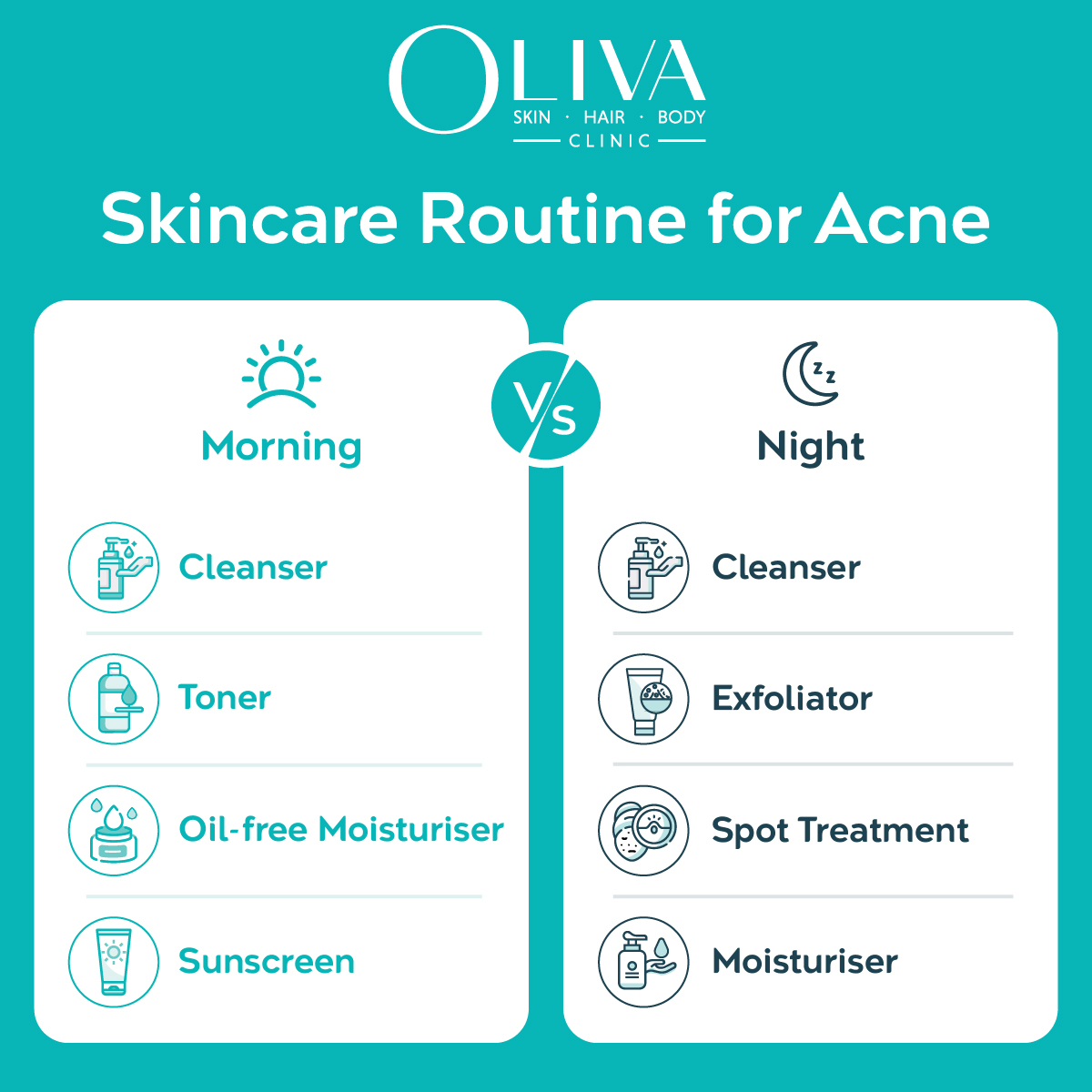
Credit: www.olivaclinic.com
Frequently Asked Questions
Where Should Retinol Be Applied In Skincare Routine?
Retinol should be applied after cleansing and toning, but before moisturizing. Apply it on dry skin to reduce irritation. Use it at night as it increases sun sensitivity.
Can Retinol Be Used With Moisturizer?
Yes, applying moisturizer after retinol helps reduce dryness and irritation. It locks in hydration and soothes the skin. This combination is ideal for sensitive skin types.
Should Retinol Be Used Before Or After Serum?
Retinol is best applied after serum and before moisturizer. Serums penetrate deeply, so apply them first for maximum benefit. Retinol works effectively on clean, serum-treated skin.
How Often Should Retinol Be Used In Routine?
Start with 2-3 times weekly and increase gradually. Frequent use can cause irritation. Consistency is key to see anti-aging benefits while protecting your skin.
Conclusion
Retinol works best when placed after cleansing and before moisturizing. It helps improve skin texture and reduces wrinkles over time. Use it at night to avoid sun sensitivity. Start with a small amount to prevent irritation. Give your skin time to adjust slowly.
Consistency is key for visible results. Remember, gentle care keeps your skin healthy and glowing. Follow these steps for a smooth skincare routine with retinol.
