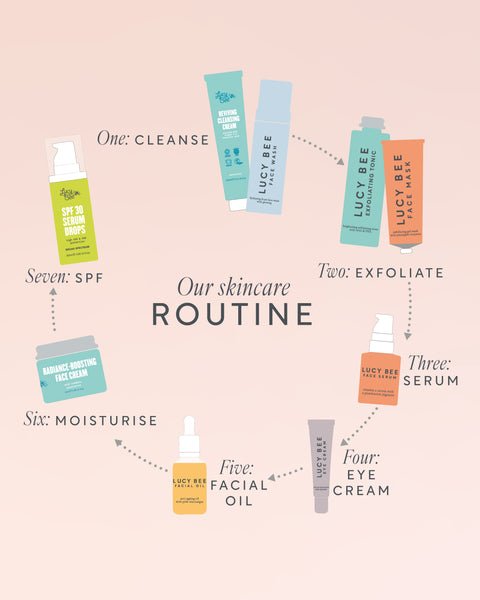
Are you wondering when to use vitamin C in your skincare routine for the best results? You’re not alone.
Vitamin C is a powerful ingredient that can brighten your skin, fight signs of aging, and protect you from damage. But using it at the wrong time or in the wrong way might mean you’re missing out on its full benefits.
You’ll discover exactly when and how to add vitamin C to your routine so your skin looks healthier and more radiant every day. Keep reading to unlock the secret to glowing skin with vitamin C.

Credit: www.yukaface.com
Benefits Of Vitamin C For Skin
Vitamin C is a powerhouse ingredient that can transform your skincare routine. It offers multiple benefits that directly impact the health and appearance of your skin. Understanding these benefits helps you decide when and how to add Vitamin C to your daily regimen.
Boosting Collagen Production
Vitamin C plays a crucial role in collagen synthesis, the protein responsible for skin’s firmness and elasticity. Regular use can help reduce the appearance of fine lines and wrinkles by supporting your skin’s natural structure. Have you noticed how your skin feels firmer after consistent Vitamin C use? That’s collagen at work.
Fighting Free Radicals
Exposure to pollution and UV rays generates free radicals that damage your skin cells. Vitamin C acts as a powerful antioxidant, neutralizing these harmful molecules before they cause visible harm. Protecting your skin daily with Vitamin C can prevent premature aging and keep your complexion healthier over time.
Brightening Dull Complexion
Dull, tired-looking skin can benefit immensely from Vitamin C’s brightening effects. It helps fade dark spots and evens out skin tone, giving you a radiant glow. If your complexion has lost its sparkle, adding Vitamin C might be the simple fix you need to restore that fresh, vibrant look.
Best Time To Apply Vitamin C
Choosing the right time to apply vitamin C boosts its benefits for your skin. This powerful antioxidant works best when used strategically. Timing impacts how well your skin absorbs and uses vitamin C. Understanding the best moments to apply it helps you get clearer, brighter skin.
Morning Application Advantages
Applying vitamin C in the morning protects your skin from daily pollution. It shields against damage caused by sunlight and free radicals. Vitamin C also brightens your complexion, giving you a fresh look for the day.
- Enhances sunscreen effectiveness
- Reduces oxidative stress
- Improves skin tone and texture
Using vitamin C before sunscreen creates a strong defense. This routine helps prevent dark spots and signs of aging. Morning use fits well into most skincare routines.
Evening Use Considerations
Applying vitamin C at night allows your skin to repair itself. Skin cells regenerate faster during sleep. Vitamin C supports this process by boosting collagen production.
- Supports skin repair and renewal
- Works well with other night treatments
- Helps fade pigmentation over time
Vitamin C can be mixed with gentle moisturizers or serums. Avoid combining it with strong acids or retinoids at night. This prevents irritation and ensures better results.
How To Layer Vitamin C With Other Products
Layering Vitamin C correctly in your skincare routine can boost its effectiveness and protect your skin throughout the day. Knowing how to mix it with other products helps prevent irritation and maximizes benefits. Let’s look at the best ways to combine Vitamin C with your usual skincare items.
Combining With Sunscreen
Vitamin C and sunscreen are a powerful duo for protecting your skin. Apply Vitamin C serum first on clean, dry skin. Let it absorb fully—usually a minute or two—before adding your sunscreen.
This order allows Vitamin C to neutralize free radicals and brighten your skin, while sunscreen blocks harmful UV rays. Have you noticed how your skin feels more resilient when you use both? That’s no coincidence.
Pairing With Moisturizers
After Vitamin C serum and sunscreen, add your moisturizer to lock in hydration. Moisturizers help maintain the skin barrier, which keeps Vitamin C working effectively longer.
If your skin is dry or sensitive, choose a gentle, hydrating moisturizer. It can soothe any slight irritation Vitamin C might cause. What moisturizer blends best with your Vitamin C product?
Avoiding Conflicts With Other Actives
Vitamin C can react badly with some skincare actives, causing irritation or reducing effectiveness. Avoid layering it with strong acids like AHAs or BHAs in the same routine.
Also, be cautious mixing Vitamin C with retinol—use them at different times of day or alternate days. This reduces the risk of redness or sensitivity. Have you tried separating these products and noticed a difference?
Choosing The Right Vitamin C Formulation
Choosing the right Vitamin C formulation can make a significant difference in how well your skin absorbs and benefits from this powerful antioxidant. Not all Vitamin C products are created equal, and understanding the options helps you pick what fits your skin type and routine. Let’s look at how different formulations can impact your results and daily use.
Serums Vs Creams
Vitamin C serums tend to have a higher concentration of active ingredients, making them ideal for targeted treatment. They absorb quickly and often feel lightweight, which is great if you prefer a non-greasy finish.
On the other hand, creams combine Vitamin C with moisturizing ingredients, offering hydration alongside antioxidant protection. If your skin is dry or sensitive, a cream might soothe irritation while delivering Vitamin C benefits.
Think about your skin’s needs: Do you want fast absorption and a potent dose, or do you need extra moisture? Your choice affects how you layer other products and the time you spend on your routine.
Stable Vitamin C Derivatives
Pure Vitamin C (ascorbic acid) is powerful but can break down quickly when exposed to air or light. That’s why many products use stable derivatives like magnesium ascorbyl phosphate or sodium ascorbyl phosphate.
These derivatives are gentler and last longer on your skin, but they may take a bit more time to show visible results. If you have sensitive skin or want a product with a longer shelf life, choosing a stable derivative is smart.
Ask yourself: Are you looking for rapid brightening effects, or do you prefer a steady, gentle approach? Your answer can guide you to the Vitamin C form that suits your lifestyle and skin health.
Signs You’re Using Vitamin C Correctly
Using vitamin C in your skincare routine can bring many benefits. Knowing the signs of correct use helps you see if your skin reacts well. These signs show vitamin C is working to improve your skin’s health and look.
Watch for changes that tell you the product suits your skin and is used properly. Healthy skin changes happen over time with regular use.
Improved Skin Texture
Your skin feels smoother and softer after applying vitamin C. Rough patches and dry spots start to fade. Fine lines may appear less visible. The skin surface looks more even and fresh. This means vitamin C is helping your skin repair and renew.
Reduced Hyperpigmentation
Dark spots and discoloration begin to lighten. Uneven skin tone starts to balance out. New spots form less often, showing protection against damage. Vitamin C stops excess melanin production, which causes dark patches. Your complexion looks brighter and more uniform over time.
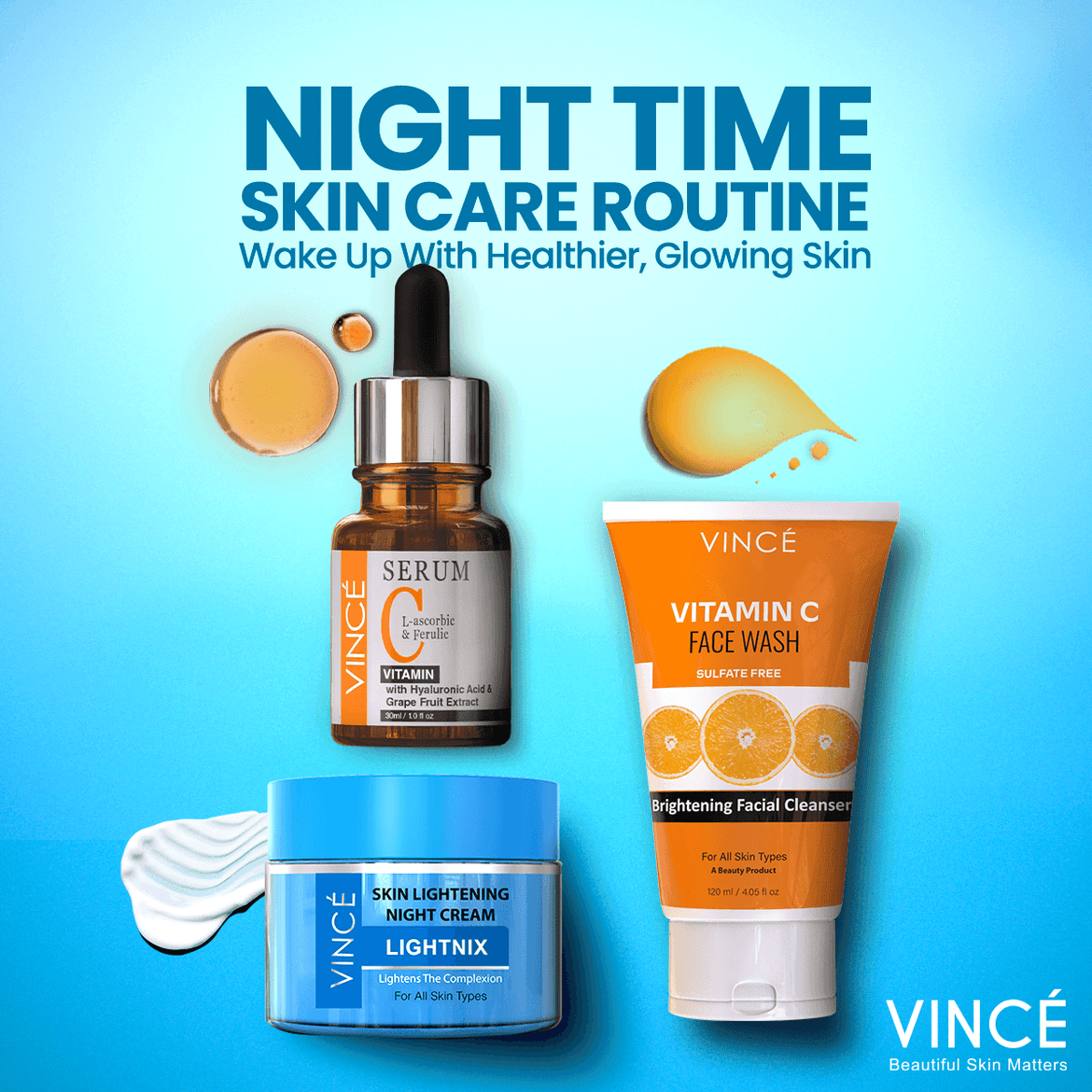
Credit: vincebeauty.com
Common Mistakes To Avoid
Using Vitamin C in your skincare routine can be a game changer, but it’s easy to make mistakes that reduce its effectiveness or even cause irritation. Knowing what to avoid will help you get the most from this powerful antioxidant. Let’s look at some common pitfalls and how to steer clear of them.
Applying On Damp Skin
Many people think applying Vitamin C serum on damp skin helps it absorb better. However, damp skin can dilute the serum and reduce its potency. It might also increase the risk of irritation, especially if your skin is sensitive.
Try applying Vitamin C on completely dry skin instead. This ensures the product stays concentrated and works effectively. Have you noticed any stinging or redness when applying products right after cleansing? That might be why.
Mixing With Incompatible Ingredients
Combining Vitamin C with certain ingredients can cause it to break down or irritate your skin. For example, using it with benzoyl peroxide or retinol at the same time might reduce Vitamin C’s benefits.
To avoid this, apply Vitamin C in the morning and retinol or benzoyl peroxide at night. Also, be cautious about layering Vitamin C with products that have a high pH, like some cleansers or exfoliants, because Vitamin C needs a low pH to stay stable.
Have you checked how your products interact? Understanding ingredient compatibility can save your skin from unnecessary irritation and maximize the effects of your Vitamin C serum.

Credit: theskincarecompany.com.au
Frequently Asked Questions
When Is The Best Time To Apply Vitamin C Serum?
Apply Vitamin C serum in the morning after cleansing and toning. This helps protect skin from daily environmental damage and enhances sunscreen effectiveness.
Can I Use Vitamin C With Other Skincare Products?
Yes, Vitamin C works well with hyaluronic acid and niacinamide. Avoid combining it with retinol or acids to prevent irritation.
How Often Should I Use Vitamin C In My Routine?
Use Vitamin C serum once daily, preferably in the morning. Consistent use improves skin brightness and reduces signs of aging over time.
Should Vitamin C Be Applied Before Or After Moisturizer?
Apply Vitamin C serum before moisturizer. This ensures better absorption and maximizes antioxidant benefits on your skin.
Conclusion
Integrating Vitamin C into your skincare can greatly enhance your routine. It helps brighten your complexion and reduce signs of aging. Consistent use can lead to healthier, more radiant skin. Use it in the morning to maximize its effects. Always apply sunscreen after using Vitamin C.
This ensures skin protection from UV damage. Make sure to patch test before full application. This prevents possible irritation. Choose products with stable forms of Vitamin C for best results. Your skin will thank you with a glowing appearance. Remember, patience is key for noticeable changes.
Enjoy your journey to healthier skin!
