If you’re navigating the world of skincare, you might have come across tretinoin cream. It’s a powerhouse product that promises clearer, younger-looking skin, but knowing when to use it in your routine can make all the difference.
Imagine achieving the radiant skin you’ve always dreamed of, just by making a few strategic changes. Whether you’re dealing with acne, fine lines, or sun damage, understanding the right time to introduce tretinoin could be your game-changer. As you read on, you’ll discover exactly how to harness its full potential without the guesswork.
Get ready to transform your skin with confidence, armed with the knowledge you need to succeed.
Benefits Of Tretinoin
Tretinoin cream offers many benefits for skin health. It works deeply to improve skin’s appearance and texture. Regular use can lead to clearer, smoother, and younger-looking skin. Understanding these benefits helps decide when to include tretinoin in your skincare routine.
Anti-aging Effects
Tretinoin boosts collagen production. Collagen keeps skin firm and elastic. It reduces fine lines and wrinkles. Sun damage and age spots fade with use. Skin looks brighter and more even-toned. These effects make tretinoin a strong anti-aging option.
Acne Treatment
Tretinoin clears clogged pores. It prevents new acne from forming. Inflammation and redness decrease over time. It helps heal current breakouts faster. Many dermatologists recommend tretinoin for acne care. Using it regularly can improve skin clarity.
Improved Skin Texture
Tretinoin speeds up skin cell turnover. Old, dead skin cells shed quickly. New, healthy skin appears smooth and soft. Rough patches and bumps lessen with use. Skin feels more even and refined. This makes tretinoin ideal for texture improvement.

Credit: www.womenshealthmag.com
Ideal Time To Apply
Knowing the ideal time to apply tretinoin cream can improve your skincare results. Timing affects how well your skin absorbs tretinoin and how your skin reacts. Choosing the right moment helps reduce irritation and boosts effectiveness.
Why Nighttime Works Best
Tretinoin breaks down under sunlight. Applying it at night keeps it stable and effective. Nighttime use lets your skin repair while tretinoin works deeply. Your skin is less exposed to sun, which lowers irritation risk. Night application fits well with a calm, clean face routine. This timing also avoids mixing tretinoin with daytime products that may reduce its power.
Skin Sensitivity Considerations
Skin can feel sensitive when starting tretinoin. Apply a small amount first to test tolerance. Use moisturizer before or after tretinoin to ease dryness. Avoid harsh scrubs or acids on tretinoin days. If skin feels too irritated, skip a night or reduce use. Sensitive skin often improves with gradual introduction and night use. This approach helps skin adapt without strong reactions.
Step-by-step Application Guide
Applying tretinoin cream correctly can make a huge difference in how your skin responds. This guide helps you get the most from your tretinoin without irritating your skin. Let’s walk through the essential steps to include it smoothly in your skincare routine.
Cleansing Before Use
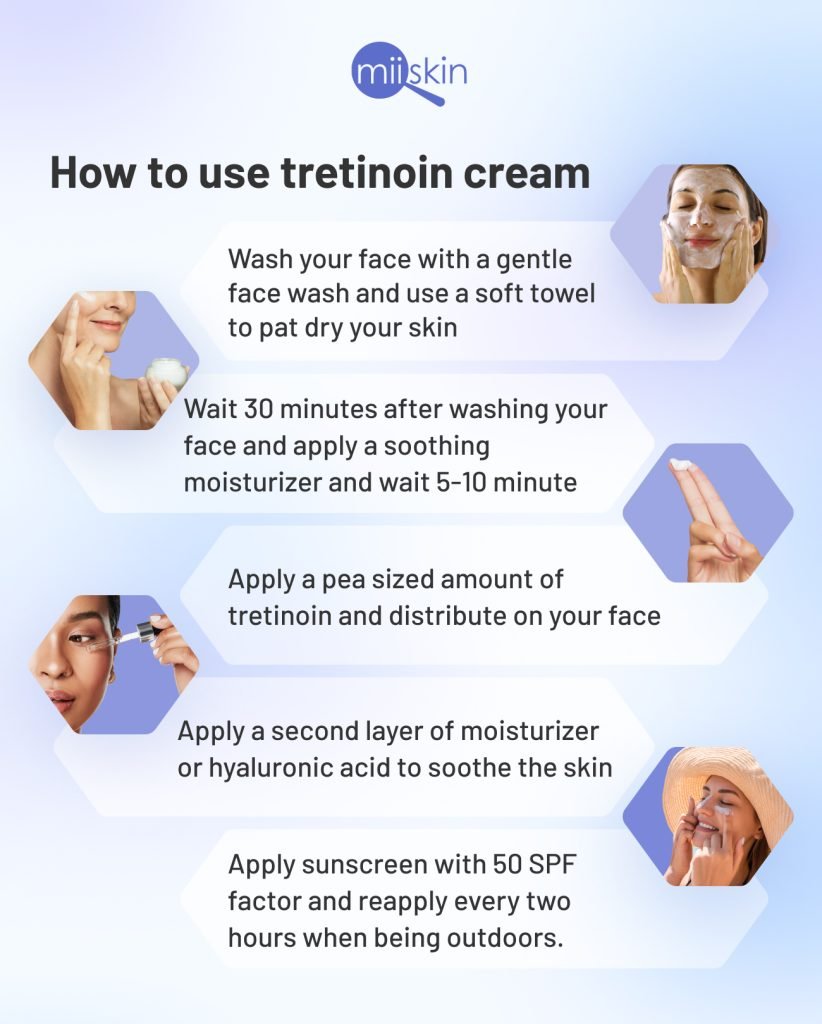
Start with a gentle cleanser to remove dirt, oil, and makeup. Avoid harsh scrubs or exfoliants that can make your skin sensitive. Pat your face dry with a soft towel and wait a few minutes before applying tretinoin—your skin should be completely dry to prevent irritation.
Amount To Apply
Less is more with tretinoin. Use a pea-sized amount for your entire face. Applying too much won’t speed up results; instead, it can cause redness and peeling. Spread it evenly, focusing on areas with acne or signs of aging, but avoid the corners of your eyes and mouth.
Layering With Other Products
Think about the order of your products. Apply tretinoin after cleansing but before heavier creams. If you use moisturizers or sunscreens, apply them after tretinoin has fully absorbed. Avoid applying tretinoin with other strong actives like benzoyl peroxide at the same time—they can cancel each other out or increase irritation.
Adjusting Based On Skin Type
Adjusting tretinoin cream use based on your skin type helps avoid irritation and improves results. Different skin types react differently to tretinoin. Understanding these differences guides how and when to apply the cream.
Dry And Sensitive Skin
Dry and sensitive skin needs a gentle approach with tretinoin. Start by applying it every third night. This reduces dryness and redness. Use a small pea-sized amount to cover the face evenly.
Mixing tretinoin with a moisturizer before applying can help. Apply moisturizer first, wait 20 minutes, then apply tretinoin. This layering method lowers irritation risk.
Watch your skin closely. If redness or peeling worsens, reduce frequency. Do not use harsh cleansers or exfoliants alongside tretinoin. Stick to mild, hydrating products.
Oily And Acne-prone Skin
Oily and acne-prone skin usually tolerates tretinoin better. Start with every other night application. Use a thin layer to avoid clogging pores.
Tretinoin helps unclog pores and reduce acne quickly. Cleanse the skin well before applying to remove excess oil and dirt. Avoid heavy creams that can block pores.
Increase usage frequency as skin builds tolerance. Keep the skin moisturized to prevent dryness. Use non-comedogenic products to complement tretinoin treatment.
Common Mistakes To Avoid
Using tretinoin cream can improve your skin greatly. Avoiding common mistakes helps you get the best results. Many users misuse tretinoin, which can cause irritation and slow progress. Understanding these mistakes keeps your skin healthy and glowing.
Overuse And Irritation
Applying tretinoin too often can harm your skin. Start with a small amount once every two nights. Your skin needs time to adjust. Overuse causes redness, peeling, and dryness. These signs mean your skin is irritated. Cut back application if irritation appears. Moisturize well to soothe your skin. Patience is key for smooth results.
Mixing With Incompatible Products
Some products do not mix well with tretinoin. Avoid using exfoliants or strong acids on the same day. These can increase skin sensitivity and cause damage. Stay away from harsh cleansers or alcohol-based toners. Use gentle, hydrating products instead. Sunscreen is a must during the day. Protect your skin from sun damage and irritation. Keep your skincare simple for best results.
Tips For Managing Side Effects
Using tretinoin cream can cause side effects like peeling and redness. These effects often appear when your skin adjusts to the treatment. Managing these side effects helps keep your skin healthy and comfortable. Simple care steps can reduce irritation and protect your skin during this period.
Dealing With Peeling And Redness
Peeling and redness are common during the first weeks of tretinoin use. Avoid scrubbing your face. Use gentle cleansers without harsh chemicals. Apply tretinoin on dry skin to reduce irritation. Start with a small amount to let your skin adapt. If peeling is severe, reduce the frequency of application.
- Use mild, fragrance-free cleansers
- Pat your skin dry, do not rub
- Apply a thin layer of tretinoin
- Skip tretinoin on days with severe redness
Hydration And Sun Protection
Hydrating your skin is key when using tretinoin. Moisturizers help restore the skin barrier and reduce dryness. Choose non-comedogenic, gentle moisturizers. Apply moisturizer after tretinoin or before, depending on skin sensitivity. Protect your skin from sun exposure every day. Use broad-spectrum sunscreen with SPF 30 or higher. Wear hats and seek shade to avoid sun damage.
- Use a gentle, hydrating moisturizer twice daily
- Apply sunscreen every morning, even on cloudy days
- Reapply sunscreen every two hours if outdoors
- Wear protective clothing and hats
When To Consult A Dermatologist
Knowing when to consult a dermatologist is important for safe tretinoin use. Tretinoin can cause side effects that need professional advice. Some skin reactions may need expert care to prevent damage. Always watch your skin’s response closely during treatment.
Persistent Irritation
Redness, burning, or peeling may occur at first. These symptoms should ease within a few weeks. Persistent irritation that lasts longer may require medical attention. A dermatologist can adjust your treatment or suggest alternatives. Avoid continuing tretinoin if irritation worsens or spreads.
Pregnancy And Tretinoin Use
Tretinoin is not recommended during pregnancy. It may harm the developing baby. Consult a dermatologist before using tretinoin if pregnant or planning pregnancy. They can recommend safe skincare options. Always inform your doctor about tretinoin use when pregnant.
Credit: miiskin.com

Credit: www.reddit.com
Frequently Asked Questions
When Is The Best Time To Apply Tretinoin Cream?
Tretinoin cream works best when applied at night. This timing helps reduce sun sensitivity and enhances skin absorption. Avoid using it in the morning to prevent irritation from sunlight exposure. Always apply tretinoin on clean, dry skin before moisturizer for optimal results.
How Often Should I Use Tretinoin In My Routine?
Start using tretinoin cream two to three times a week. Gradually increase frequency as your skin builds tolerance. Daily use is common after initial adjustment. Overuse may cause irritation, so monitor your skin’s reaction closely for the best routine.
Can I Use Tretinoin With Other Skincare Products?
Avoid combining tretinoin with harsh exfoliants or vitamin C initially. Use gentle cleansers and moisturizers alongside tretinoin. Layering products like sunscreen is essential during the day. Proper product pairing minimizes irritation and maximizes tretinoin’s skin benefits safely.
Should I Apply Moisturizer Before Or After Tretinoin?
Apply moisturizer after tretinoin cream. This sequence helps reduce dryness and irritation caused by tretinoin. Some prefer the “sandwich” method—moisturizer, then tretinoin, then moisturizer again—to ease sensitivity. Adjust based on your skin’s response for comfort and effectiveness.
Conclusion
Tretinoin cream works best when used at night. Start slowly to avoid irritation and dryness. Apply a small amount after cleansing and drying your skin. Use sunscreen during the day to protect your skin. Consistency helps improve texture and reduce wrinkles over time.
Listen to your skin and adjust use as needed. Patience is key; results appear after several weeks. Following these steps keeps your skin healthy and glowing.
