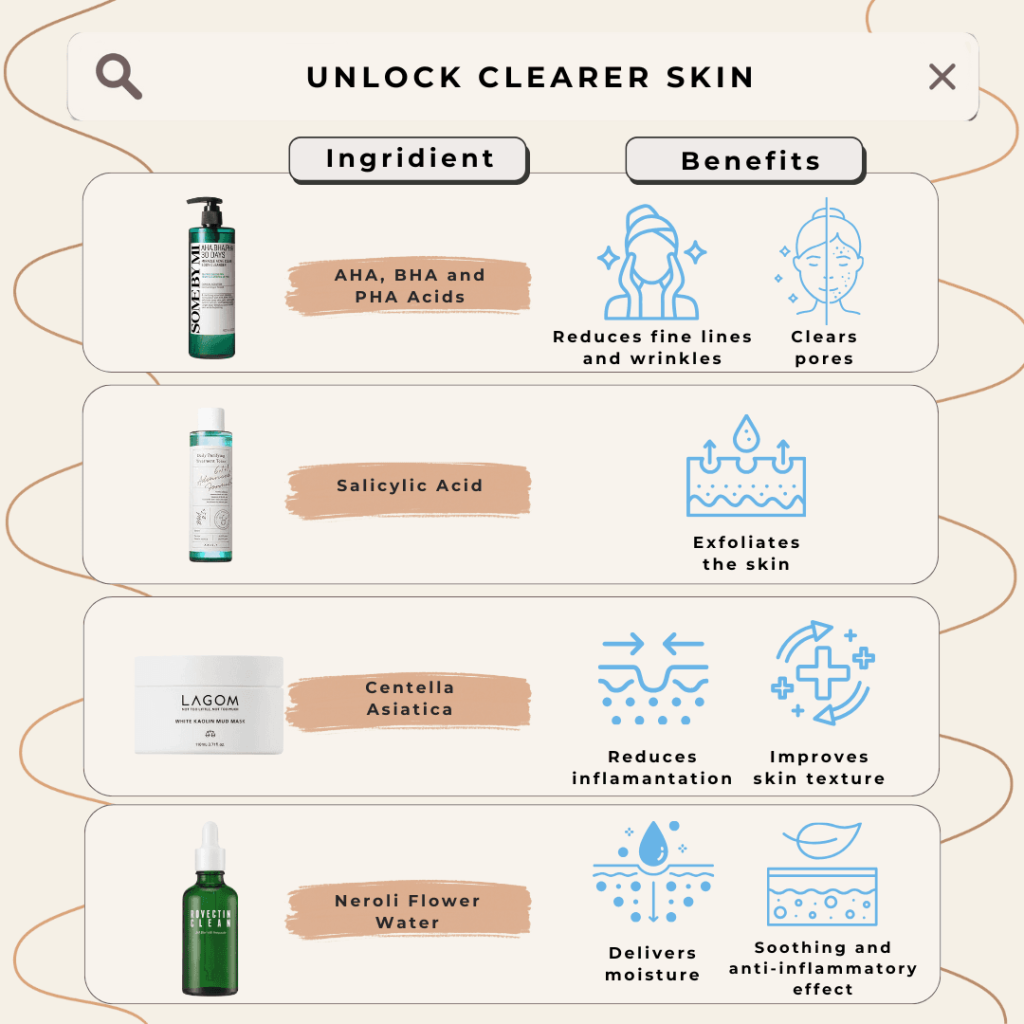
Are you struggling with clogged pores, stubborn acne, or uneven skin texture? Salicylic acid might be the game-changer your skincare routine needs.
But when exactly should you use it to get the best results without irritating your skin? Understanding the right time and method to apply salicylic acid can make all the difference between glowing skin and frustration. Keep reading, and you’ll discover how to unlock the full potential of this powerful ingredient safely and effectively.
Your skin will thank you.
Credit: www.olivaclinic.com
Benefits Of Salicylic Acid
Salicylic acid offers many benefits for skin health. It is a popular ingredient in skincare products designed to improve skin clarity and texture. This acid works gently yet effectively to keep the skin clean and smooth. Understanding its benefits helps in deciding when to include it in your routine.
Fighting Acne And Blemishes
Salicylic acid targets acne by penetrating deep into pores. It helps clear out excess oil and debris that cause breakouts. This acid reduces the formation of pimples and blackheads. Using it regularly can lead to fewer blemishes and clearer skin.
Exfoliating Dead Skin Cells
This acid acts as a gentle exfoliant, removing dead skin cells from the surface. It promotes the growth of new, healthy skin. Exfoliation with salicylic acid can improve skin texture and brightness. This process helps prevent dullness and rough patches.
Reducing Inflammation
Salicylic acid has anti-inflammatory properties that soothe irritated skin. It calms redness and swelling often linked to acne. This makes it suitable for sensitive or inflamed skin types. Regular use can help skin look calmer and less irritated.
Unclogging Pores
The acid dissolves the debris that clogs pores, such as dirt and oil. It keeps pores clear, reducing the chance of blackheads and whiteheads. Clean pores lead to healthier, smoother skin. This effect supports a balanced and fresh complexion.
Credit: theordinary.com
Choosing The Right Concentration
Choosing the right concentration of salicylic acid is key to getting the results you want without irritating your skin. The strength you pick depends on your skin type, the product form, and how your skin reacts to acids. Finding the sweet spot means balancing effectiveness with comfort.
Low Vs. High Strength Products
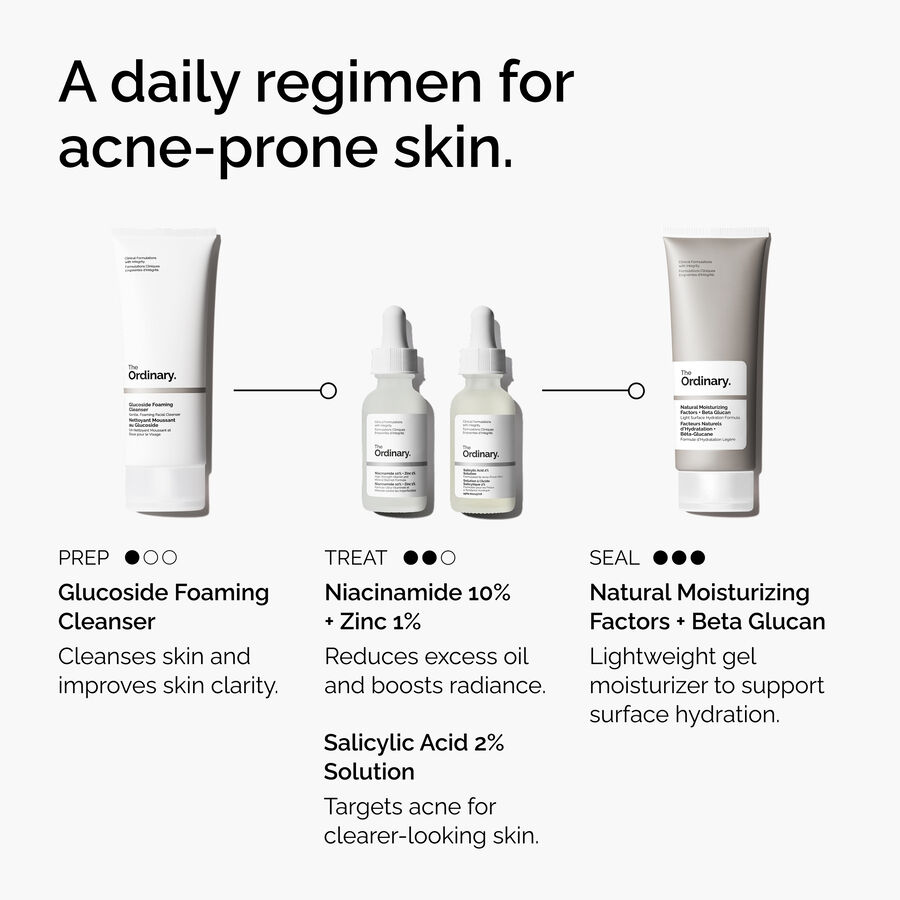
Low-strength salicylic acid products typically contain 0.5% to 2% of the active ingredient. These are great for daily use and for those new to acid exfoliation. If you have sensitive skin or just want to maintain clear skin, starting low helps you avoid redness or dryness.
High-strength products, usually above 2%, are targeted for more stubborn issues like deep acne or thick blackheads. These can deliver faster results but might cause peeling or irritation if overused. Have you noticed your skin reacting to a product? That’s a sign to reconsider the concentration.
Considering Skin Type
Oily and acne-prone skin can often handle higher concentrations better because salicylic acid penetrates pores to clear excess oil. If your skin is dry or sensitive, opt for lower strengths and less frequent use. It’s okay to start slow and increase the concentration as your skin builds tolerance.
Combination skin may require spot treatment with higher strength and lighter products elsewhere. Have you tried different concentrations on different areas? This approach can maximize benefits without over-drying delicate spots.
Product Types: Cleansers, Toners, Serums
Cleansers with salicylic acid usually have lower concentrations because you rinse them off quickly. They’re good for gentle exfoliation but may not provide deep treatment. If your skin feels dry after cleansing, consider switching to a gentler formula or a lower concentration.
Toners and serums stay on your skin longer, so they often contain higher percentages. Serums especially deliver targeted treatment and can be more potent. If you’re new to acids, test these products on a small patch to see how your skin reacts before full application.
Remember, the right concentration is about how your skin feels and responds. What concentration has worked best for you so far? Adjusting product strength and type can make a big difference in your skincare success.
Ideal Times To Apply Salicylic Acid
Knowing the ideal times to apply salicylic acid can make a big difference in how your skin responds. This ingredient works best when used thoughtfully, fitting smoothly into your daily routine without causing irritation. Let’s look at when and how you should use salicylic acid to get the best results.
Morning Vs. Night Use
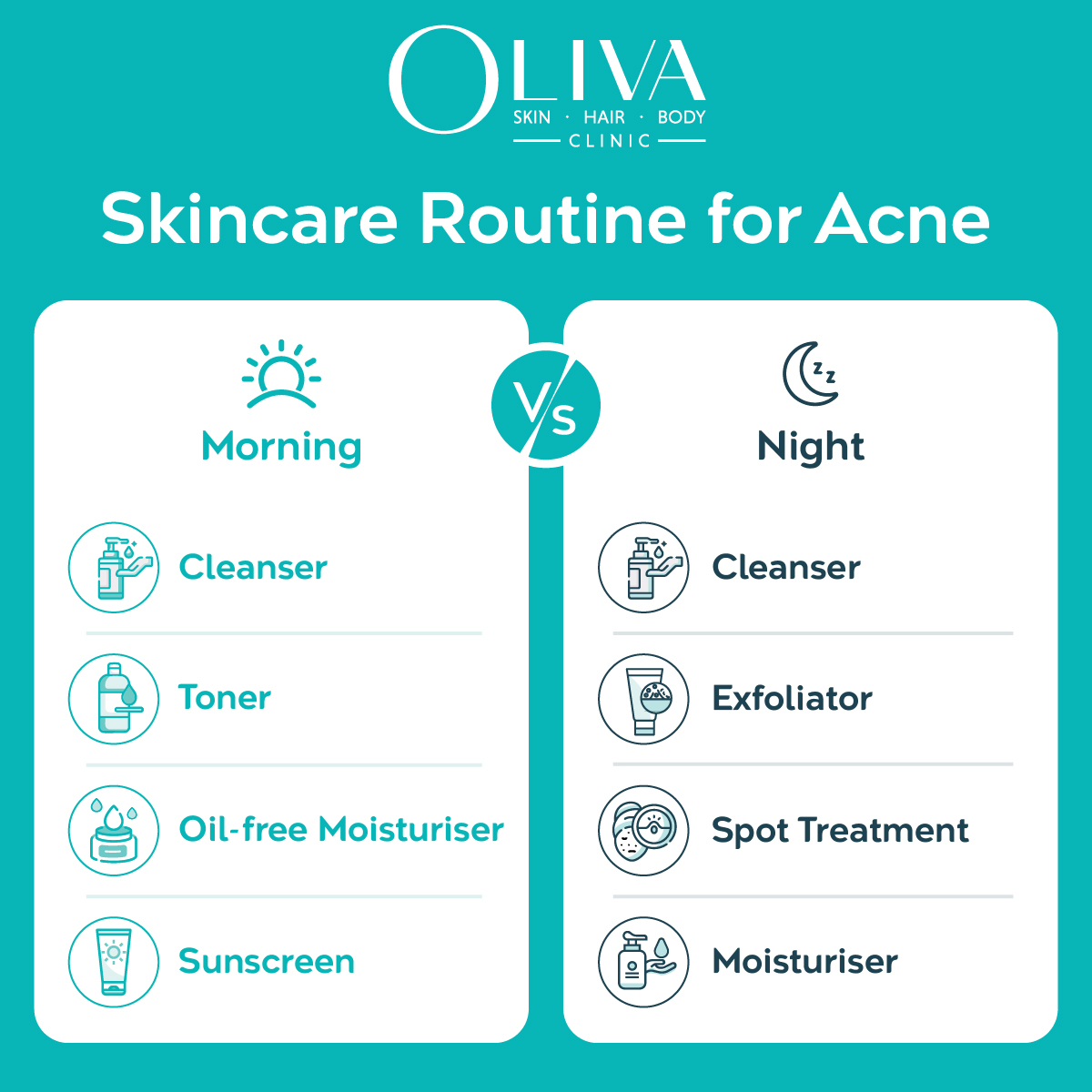
Salicylic acid can be used both in the morning and at night, but your skin’s sensitivity and exposure to sunlight matter. Using it at night allows the acid to work uninterrupted, helping to clear pores while your skin repairs itself. However, if you prefer morning use, always follow with sunscreen to protect your skin from UV damage.
Personally, I found that night application minimized redness and dryness. My skin felt smoother by morning without feeling tight during the day. Try both and see which fits your lifestyle and skin’s reaction better.
Frequency Of Application
How often you apply salicylic acid depends on your skin type and tolerance. Starting with every other day can help avoid irritation, especially if you have sensitive skin. Once your skin adjusts, you can increase to daily use if needed.
Be mindful not to overuse it—too much can lead to dryness or peeling. Have you noticed your skin becoming flaky after using it too often? Adjusting frequency can keep your skin balanced and comfortable.
Seasonal Adjustments
Seasonal changes affect how your skin reacts to salicylic acid. In colder months, your skin may become drier, so reducing frequency or concentration helps prevent irritation. During warmer months, using it more regularly can control excess oil and prevent breakouts caused by sweat.
Think about your skin’s needs as the weather changes. Are you battling more oiliness in summer or dryness in winter? Tailoring your use of salicylic acid to the season keeps your skin healthy year-round.
Combining Salicylic Acid With Other Ingredients
Combining salicylic acid with other skincare ingredients requires care. The right pairings boost benefits and protect your skin. The wrong mixes cause irritation and reduce effectiveness. Understanding how to blend salicylic acid helps maintain healthy, clear skin.
Pairing With Moisturizers
Salicylic acid can dry out the skin. Using a gentle moisturizer balances this effect. Choose moisturizers with soothing ingredients like ceramides or hyaluronic acid. Apply moisturizer after salicylic acid to lock in hydration. This keeps skin soft and prevents flaking.
Avoiding Irritating Combinations
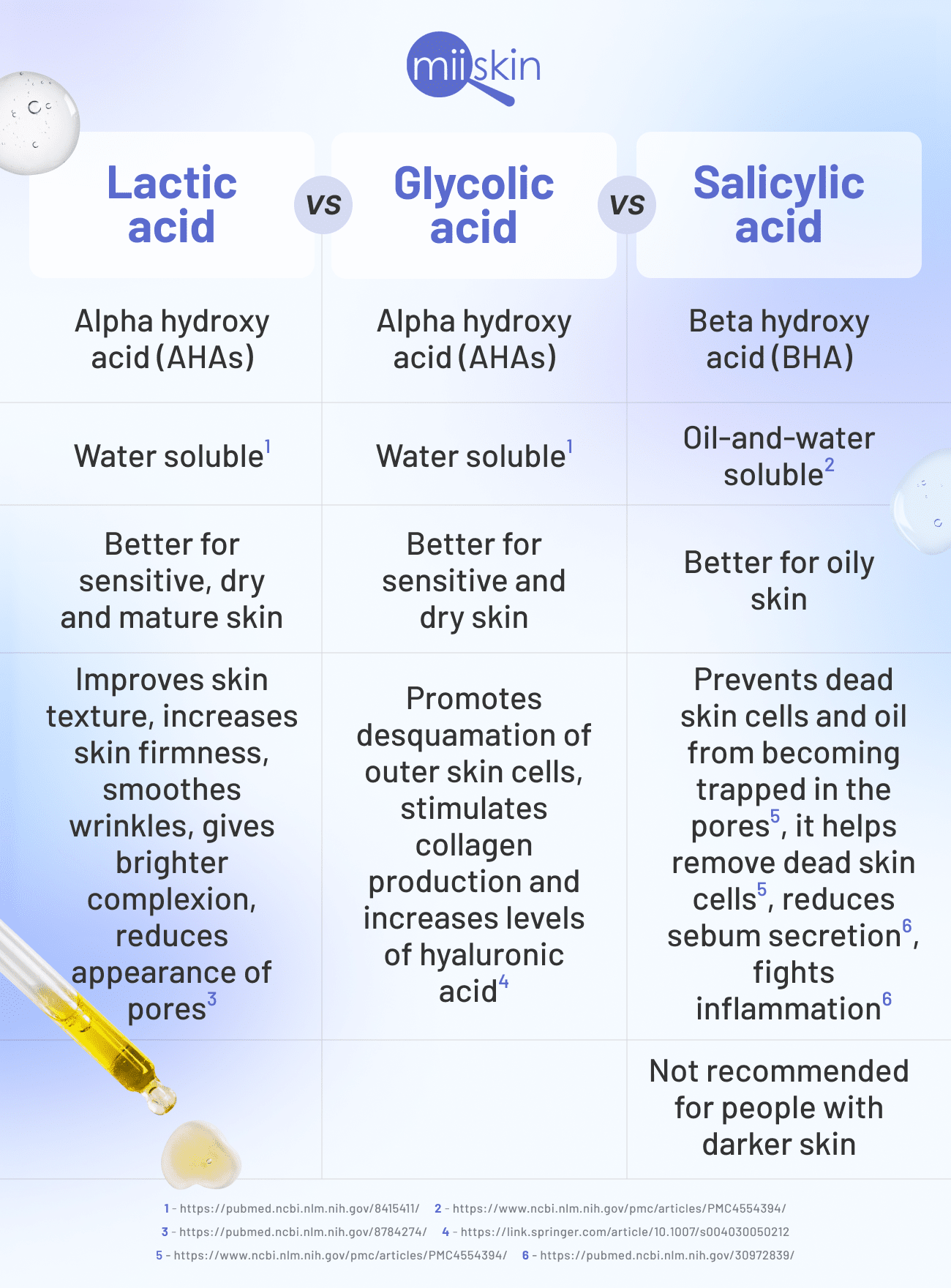
Do not mix salicylic acid with strong acids like glycolic acid or retinol. These combinations increase irritation and redness. Avoid using multiple exfoliating products on the same day. Give your skin time to adjust to new products. Watch for signs of dryness or sensitivity.
Using With Sunscreen
Salicylic acid makes skin more sensitive to the sun. Always apply sunscreen during the day after using salicylic acid. Choose broad-spectrum SPF 30 or higher for better protection. Reapply sunscreen every two hours when outdoors. This prevents sunburn and skin damage.
Precautions And Potential Side Effects
Using salicylic acid can transform your skincare, but it requires caution. This powerful ingredient can cause irritation if not used correctly. Understanding the precautions and potential side effects helps you avoid common pitfalls and achieve the best results.
Signs Of Overuse
Overusing salicylic acid may lead to redness, dryness, and flaking. You might notice your skin feeling tight or itchy after application. These signs mean your skin barrier is compromised and needs a break.
Have you ever applied a product daily only to find your skin reacting negatively? That’s a clear signal to reduce the frequency or concentration. Pay attention to how your skin responds to avoid long-term damage.
Patch Testing
Before adding salicylic acid to your routine, try a patch test. Apply a small amount on your wrist or behind your ear and wait 24 hours. If no irritation appears, it’s generally safe to use on your face.
Skipping this step can lead to unexpected allergic reactions. Testing first protects your skin and saves you from discomfort later. It’s a simple step that can prevent bigger problems.
Who Should Avoid Salicylic Acid
People with very sensitive skin or conditions like eczema should be cautious. Salicylic acid can worsen irritation in these cases. If you’re pregnant or breastfeeding, consult your doctor before use.
Are you unsure if your skin type is compatible? A dermatologist can help you decide. Avoiding salicylic acid when necessary keeps your skin safe and healthy.
Credit: miiskin.com
Tips For Maximizing Results
Using salicylic acid effectively requires more than just adding it to your skincare routine. Getting the best results depends on how you use it day by day, how you apply it, and how you listen to your skin’s reactions. Here are some tips to help you make the most out of salicylic acid without causing irritation or setbacks.
Consistency And Patience
Salicylic acid doesn’t work overnight. You need to use it regularly, often a few times a week, to see clear improvements in your skin’s texture and breakouts.
Skipping days or overusing it can slow your progress or cause redness. Think of it like a workout for your skin—results come with steady effort and time.
How patient are you willing to be when waiting for clearer skin?
Proper Application Techniques
Apply salicylic acid on clean, dry skin to help it absorb better. Using too much can irritate your skin, so stick to a pea-sized amount or follow the product’s instructions.
Gently pat or smooth the product onto your face instead of rubbing hard. Avoid sensitive areas like the eyes and lips to prevent dryness or stinging.
Try layering it under a moisturizer to reduce dryness and keep your skin balanced throughout the day.
Adjusting Routine Based On Skin Response
Pay attention to how your skin reacts after using salicylic acid. Mild dryness or tingling is normal, but intense redness or peeling means you need to slow down.
If irritation occurs, reduce the frequency or switch to a lower concentration. Adding a soothing moisturizer or barrier repair product can help your skin recover faster.
Have you noticed your skin telling you when it needs a break or a gentler approach?
Frequently Asked Questions
When Is The Best Time To Apply Salicylic Acid?
Apply salicylic acid in the evening after cleansing your face. This allows better absorption and reduces sun sensitivity risks. Use it before moisturizer for optimal results.
Can Salicylic Acid Be Used Daily In Skincare?
Yes, salicylic acid can be used daily but start with 2-3 times per week. Gradually increase frequency to avoid irritation and dryness.
Should Salicylic Acid Be Used Before Or After Moisturizer?
Use salicylic acid before moisturizer. Apply it right after cleansing and toning to maximize skin absorption and effectiveness.
Can I Use Salicylic Acid With Other Active Ingredients?
Avoid combining salicylic acid with retinol or vitamin C in the same routine. Use them at different times to prevent irritation.
Conclusion
Salicylic acid can be a great tool for clearer skin. Use it to treat acne, exfoliate, and unclog pores. Apply it in your routine with care. Start with low concentrations. Watch how your skin reacts. Use it once or twice a week.
Increase frequency gradually. Always apply sunscreen when using salicylic acid. It makes your skin sensitive to sunlight. Avoid mixing with strong products like retinol. This can irritate your skin. Listen to your skin’s needs. Adjust your routine accordingly. Consistency is key for best results.
Enjoy healthier, smoother skin with regular use.
