Are you looking to elevate your skincare routine to the next level? If so, you’ve probably heard about retinol—a powerhouse ingredient praised for its anti-aging and skin-renewing properties.
But when exactly should you incorporate it into your routine to get the best results? The timing can make all the difference between glowing skin and unwanted irritation. We’ll unravel the mystery of when to use retinol, ensuring your skin reaps all its incredible benefits without the downsides.
Stick around, because understanding this secret could be the key to transforming your skincare game!

Credit: www.naturalorganicskincare.com
Benefits Of Retinol
Retinol is a popular skincare ingredient known for its many benefits. It helps improve the skin’s appearance and health. Using retinol regularly can make your skin look clearer, smoother, and younger. It works by increasing cell turnover and promoting collagen production.
Anti-aging Effects
Retinol reduces the appearance of fine lines and wrinkles. It boosts collagen, which keeps skin firm and elastic. This leads to a more youthful and radiant complexion. Using retinol can slow down skin aging and improve skin tone.
Acne Treatment
Retinol helps clear clogged pores and reduces breakouts. It speeds up skin cell renewal, preventing acne formation. It also reduces inflammation and redness from acne. Many dermatologists recommend retinol for acne-prone skin.
Skin Texture Improvement
Retinol smooths rough and uneven skin texture. It fades dark spots and discoloration for a more even tone. Regular use can make skin softer and more radiant. Retinol works deep within skin layers to renew and refine skin surface.
Credit: www.lemon8-app.com
Best Time To Apply Retinol
Knowing the best time to apply retinol can make a big difference in how well it works for your skin. Timing affects how your skin absorbs the product and how much irritation you might experience. Let’s break down why choosing the right moment is key for a smoother, glowing complexion.
Why Nighttime Is Ideal
Retinol works best when your skin is in repair mode, which usually happens at night. Applying it before bed gives your skin a chance to absorb the retinol fully without interference from makeup or pollution.
At night, your skin cells renew faster, making retinol more effective. Have you noticed how your skin looks fresher in the morning after a good night’s sleep? That’s when retinol can help enhance this natural process.
Avoiding Sun Sensitivity
Retinol makes your skin more sensitive to sunlight, increasing the risk of sunburn and irritation. Using retinol in the evening reduces this risk because you’re not exposing your skin to UV rays immediately after application.
If you apply retinol during the day, you must be extra careful with sunscreen. Even then, it’s easy to miss spots or reapply sunscreen, which can lead to unwanted redness or peeling.
Retinol And Sleep Cycles
Your skin’s natural repair and regeneration follow your sleep cycles. Retinol fits perfectly into this rhythm, supporting your skin’s ability to heal and produce collagen during deep sleep stages.
Think about your own rest: when you sleep well, your skin looks healthier. Applying retinol at night helps maximize these benefits, making your skincare routine work alongside your body’s natural clock.
How Often To Use Retinol
Knowing how often to use retinol can make all the difference in your skincare routine. Using it too frequently may cause irritation, while too little use can delay visible results. Finding the right balance helps your skin get the benefits without the side effects.
Starting Slow
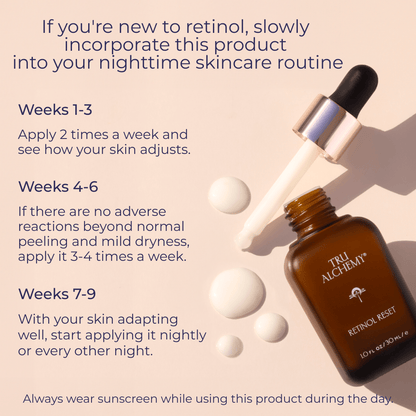
Begin with applying retinol once or twice a week. This gentle introduction helps your skin adjust to the active ingredient.
I remember starting retinol twice a week and still experiencing redness. Slowing down to once a week gave my skin time to calm down. Have you noticed your skin reacting differently at first?
Building Tolerance
As your skin gets used to retinol, increase the frequency gradually. Move from twice a week to every other night over several weeks.
Listen to your skin’s signals—dryness or peeling means it’s time to pause or slow down. Patience here pays off with smoother, healthier skin in the long run.
Adjusting Frequency
Once you reach a routine of 3-4 times a week, you can decide if your skin can handle nightly use. Not everyone needs daily application to see results.
If irritation returns, reduce frequency or layer with moisturizer. Your retinol routine should adapt to your skin’s changing needs, not the other way around.
Retinol Application Tips
Applying retinol correctly can boost its benefits and reduce irritation. Follow simple steps to protect your skin and get the best results. Proper application helps your skin adjust and stay healthy.
Cleansing Before Use
Clean skin helps retinol work better. Use a gentle cleanser to remove dirt and oil. Avoid harsh scrubs or exfoliants before applying retinol. Pat your face dry with a soft towel to avoid irritation.
Layering With Other Products
Apply retinol on dry skin to prevent stinging. Avoid using retinol with strong acids or vitamin C at the same time. Use mild serums or hydrating products first. Let each product absorb fully before adding the next.
Moisturizing After Application
Moisturizer helps reduce dryness and peeling from retinol. Choose a gentle, fragrance-free moisturizer. Apply it after retinol to lock in moisture. This step soothes skin and keeps it comfortable.
Common Mistakes To Avoid
Retinol can transform your skin, but using it wrong can cause irritation and slow your progress. Many people jump in too fast or mix it with the wrong products, which leads to redness, peeling, or even breakouts. Avoiding these common mistakes will help you get the most out of retinol without damaging your skin.
Using Too Much Product
Applying a pea-sized amount of retinol is enough for your entire face. Using more won’t speed up results; it usually causes dryness and irritation instead. If your skin feels tight or uncomfortable, you might be using too much.
When I first started, I thought slathering on retinol would fix my skin faster. It backfired badly—my skin was red and flaky for days. I learned to start slow and use just a small amount to avoid that harsh reaction.
Mixing With Incompatible Ingredients
Some ingredients don’t play well with retinol. For example, using retinol alongside products with benzoyl peroxide or vitamin C can irritate your skin or reduce effectiveness. Avoid layering these on the same day.
Instead, try separating them by time—use vitamin C in the morning and retinol at night. This simple switch can prevent redness and boost your results.
Skipping Sunscreen
Retinol makes your skin more sensitive to the sun. Skipping sunscreen can lead to burns, dark spots, and undo all the good work retinol is doing. Always apply a broad-spectrum sunscreen with at least SPF 30 every morning.
Ask yourself: Are you protecting your skin enough during the day? Without sunscreen, retinol can do more harm than good. Make sunscreen your non-negotiable step after using retinol.
Credit: trualchemyskin.com
Retinol For Different Skin Types
Retinol is a powerful ingredient that offers different benefits depending on your skin type. Understanding how your skin reacts to retinol can help you avoid irritation and get the best results. Let’s look at how to use retinol effectively whether your skin is sensitive, oily, or dry.
Sensitive Skin Considerations
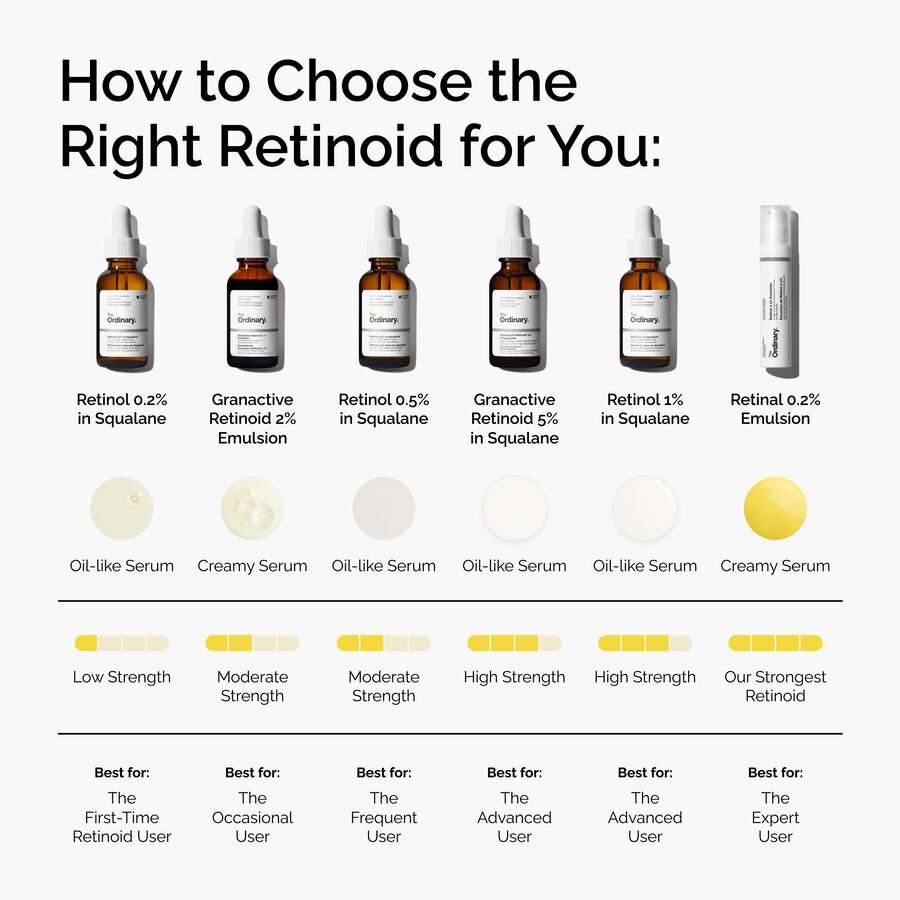
If you have sensitive skin, retinol can be tricky. It may cause redness, peeling, or dryness if not used carefully. Start with a low concentration, such as 0.25% or 0.3%, and apply it every other night to see how your skin reacts.
Moisturize well before and after applying retinol to create a protective barrier. Some people find mixing retinol with their moisturizer reduces irritation without losing effectiveness. Have you noticed your skin reacting quickly? Give it time and adjust the frequency before giving up.
Oily And Acne-prone Skin
Oily and acne-prone skin often benefits greatly from retinol. It helps unclog pores, reduce breakouts, and improve skin texture. You can usually start with a moderate concentration, like 0.5%, and increase if your skin tolerates it well.
Consistency is key here. Applying retinol at night can prevent excessive oil build-up and reduce the appearance of acne scars. Don’t forget to combine it with a gentle cleanser and oil-free moisturizer to keep your skin balanced.
Dry And Mature Skin
Dry and mature skin needs extra care when using retinol. It can enhance collagen production and reduce fine lines but may also increase dryness. Using a richer moisturizer and applying retinol less frequently in the beginning can help your skin adjust.
Try applying retinol after moisturizing to minimize irritation. If your skin feels too dry or tight, consider using hydrating serums with ingredients like hyaluronic acid alongside retinol. Are you ready to add retinol to your anti-aging routine without causing discomfort?
Frequently Asked Questions
When Is The Best Time To Apply Retinol?
The best time to apply retinol is at night. Skin repairs itself during sleep, enhancing retinol’s effectiveness. Avoid daytime use to prevent sun sensitivity and damage. Always follow with sunscreen in the morning to protect your skin after retinol use.
How Often Should I Use Retinol In My Routine?
Start using retinol 2-3 times a week to allow skin adjustment. Gradually increase frequency to nightly if tolerated. Overuse can cause irritation, dryness, and redness. Consistency is key for visible anti-aging and skin texture benefits.
Can I Use Retinol With Other Skincare Products?
Yes, but be cautious with active ingredients like AHAs, BHAs, and vitamin C. These can increase irritation when combined with retinol. Use them at different times or alternate nights. Always moisturize to soothe the skin and reduce dryness.
Should Retinol Be Applied Before Or After Moisturizer?
Apply retinol on clean, dry skin before moisturizer. This helps it absorb better and work effectively. Follow with a moisturizer to hydrate and minimize irritation. If sensitivity occurs, apply moisturizer first to create a buffer before retinol.
Conclusion
Retinol works best when used at night, after cleansing. Start with a low dose to avoid irritation. Use sunscreen daily to protect your skin. Consistency is key for visible results over time. Listen to your skin and adjust use as needed.
Patience helps your skin get the full benefit. Retinol can improve texture, tone, and fine lines. Stick to a simple routine for the best outcome. Keep your skin healthy and glowing with care.
