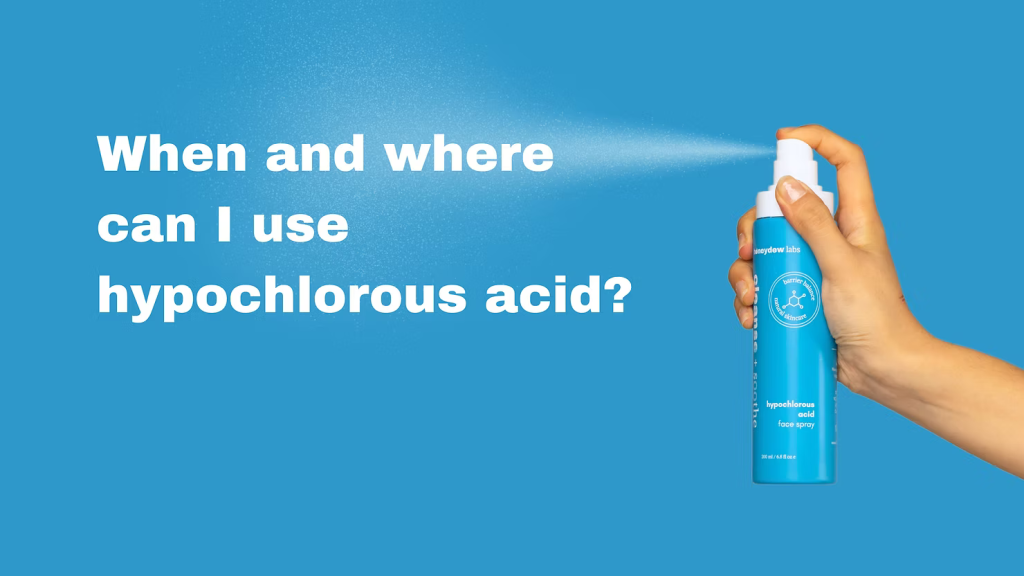
Are you struggling to find the perfect ingredient to boost your skincare routine? Hypochlorous acid might be the game-changer you’ve been looking for.
But when exactly should you use it to get the best results for your skin? Understanding the right time and way to incorporate hypochlorous acid can make a huge difference in how your skin looks and feels. Keep reading, and you’ll discover simple tips to unlock its full potential and transform your daily skincare experience.
Benefits Of Hypochlorous Acid
Hypochlorous acid offers several benefits for skin health. It works gently yet effectively on many skin types. This ingredient supports the skin’s natural balance while addressing common concerns.
Antibacterial Properties
Hypochlorous acid kills harmful bacteria on the skin. It helps reduce acne-causing germs without harsh chemicals. This action lowers the chance of breakouts and infections.
Soothing Irritated Skin
This acid calms redness and irritation quickly. It is ideal for sensitive or inflamed skin. Users often notice less discomfort and a smoother texture.
Hydration Boost
Hypochlorous acid helps maintain skin moisture. It keeps the skin soft and prevents dryness. This hydration support makes the skin look healthy and fresh.
Supporting Skin Barrier
It strengthens the skin’s protective barrier. A strong barrier defends against pollutants and irritants. This helps skin stay resilient and recover faster.
Ideal Skin Types For Hypochlorous Acid
Hypochlorous acid suits various skin types thanks to its gentle and healing properties. It calms irritation and fights bacteria without harsh effects. This makes it a good choice for delicate and troubled skin. Understanding which skin types benefit most helps to include it properly in skincare routines.
Sensitive Skin
Hypochlorous acid soothes sensitive skin by reducing redness and discomfort. It does not cause stinging or dryness. Its anti-inflammatory effect helps calm flare-ups. This ingredient supports the skin’s natural barrier and aids healing. People with sensitive skin find it a safe option for daily use.
Acne-prone Skin
Acne-prone skin benefits from hypochlorous acid’s antibacterial action. It kills acne-causing bacteria and reduces swelling. It helps prevent new breakouts without over-drying the skin. Its gentle nature allows use alongside other acne treatments. Regular use can improve skin clarity and reduce irritation.
Rosacea And Redness
Hypochlorous acid helps reduce redness linked to rosacea. It calms inflammation and soothes sensitive blood vessels. It does not trigger flare-ups, unlike stronger ingredients. This acid supports skin repair and minimizes visible redness. Rosacea sufferers often find relief and improved comfort using it.
Post-procedure Skin
After skin treatments, hypochlorous acid aids recovery and prevents infection. It helps heal wounds and reduce inflammation gently. Its mild antiseptic properties protect delicate skin during healing. Dermatologists recommend it for use after procedures like laser or microneedling. It supports faster and safer skin repair.
Best Times To Apply Hypochlorous Acid
Knowing the best times to apply hypochlorous acid can make a noticeable difference in your skincare results. This gentle yet powerful ingredient works best when used strategically throughout your routine. Timing its application ensures maximum hydration, soothing, and protection for your skin.
After Cleansing
Applying hypochlorous acid right after cleansing helps calm your skin and restore its natural balance. At this point, your skin is clean and ready to absorb the soothing benefits effectively.
It’s a perfect moment to reduce redness and prepare your face for the next steps. Have you noticed how some toners sting after washing? Hypochlorous acid offers a refreshing alternative without irritation.
Before Moisturizing
Using hypochlorous acid before your moisturizer locks in hydration and boosts your skin’s barrier. It acts like a hydration bridge, allowing your moisturizer to work better and deeper.
This step can be especially helpful if you struggle with dry or sensitive skin. Think of it as a calming prelude to your moisturizing ritual.
Post-sun Exposure
Your skin needs extra care after spending time in the sun, and hypochlorous acid is ideal for this. It soothes inflammation and helps reduce the heat sensation from sun exposure.
Applying it after a day outdoors can calm your skin and speed up recovery. Have you ever felt your skin tight and uncomfortable after sun exposure? This could be your go-to remedy.
During Flare-ups
When your skin experiences redness, irritation, or breakouts, hypochlorous acid can provide immediate relief. It has natural antimicrobial and anti-inflammatory properties that support healing.
Using it during flare-ups helps minimize discomfort and prevents further irritation. Next time your skin flares, try this gentle solution and see how it eases the symptoms.

Credit: www.honeydewlabs.com
How To Incorporate Into Routine
Adding hypochlorous acid to your skincare routine can feel like a game changer, especially if you’re aiming for clearer, calmer skin. Understanding the best ways to use it ensures you get maximum benefits without irritation. Let’s look at practical ways to fit this ingredient into your daily regimen.
Using As A Toner
Using hypochlorous acid as a toner is a gentle way to refresh your skin after cleansing. It helps balance your skin’s pH and soothe any redness or irritation. Simply apply it with a cotton pad or spritz directly onto your face, letting it air dry before moving on to your next step.
Have you noticed how some toners can sting or dry out your skin? Hypochlorous acid offers hydration without that harsh feeling, making it ideal for sensitive or acne-prone skin.
Spray Vs. Serum Forms
Hypochlorous acid comes in both spray and serum formats, and each has its perks. Sprays are quick to apply and perfect for on-the-go freshness or after workouts. Serums, on the other hand, often have a higher concentration and can deliver more targeted treatment.
Think about your lifestyle: do you need something fast and fuss-free or a product that works harder to calm flare-ups? You can even use both—spray during the day and serum at night for enhanced care.
Combining With Other Products
Pairing hypochlorous acid with other skincare products requires some thought to avoid irritation. It works well with moisturizers and gentle serums but should be used cautiously with strong acids or retinoids. Applying hypochlorous acid before heavier creams can boost skin healing without disrupting your routine.
Ask yourself, which products in your lineup might conflict? Testing a small patch first can save you from unwanted reactions.
Frequency Of Use
How often you use hypochlorous acid depends on your skin’s needs. For many, daily use—morning and night—is safe and effective. If your skin is sensitive or prone to dryness, start with once a day or every other day to see how it responds.
Pay attention to your skin’s signals. Does it feel calm and hydrated, or tight and irritated? Adjusting frequency is key to making this ingredient work best for you.
Precautions And Tips
Using hypochlorous acid in your skincare routine requires careful attention. Taking simple precautions helps protect your skin and ensures the best results. Follow these tips to use it safely and effectively.
Avoiding Overuse
Apply hypochlorous acid only as directed. Using it too often can irritate your skin. Start with a small amount and observe how your skin reacts. Avoid layering with other strong products to reduce sensitivity.
Storage And Shelf Life
Store hypochlorous acid in a cool, dark place. Keep the bottle tightly closed to maintain its strength. Check the expiration date before use. Discard any product that changes color or smell.
Patch Testing
Test a small skin area before full use. Apply a drop on your wrist or behind your ear. Wait 24 hours to watch for redness or itching. Skip use if irritation occurs.
Consulting A Dermatologist
Speak with a dermatologist before adding hypochlorous acid to your routine. They can advise if it suits your skin type. Professional guidance helps prevent unwanted reactions and ensures safe use.

Credit: www.honeydewlabs.com

Credit: www.honeydewlabs.com
Frequently Asked Questions
When Is The Best Time To Apply Hypochlorous Acid?
Apply hypochlorous acid after cleansing and before moisturizing. It helps calm skin and reduce inflammation. Use it in the morning and evening for optimal results.
Can Hypochlorous Acid Replace Toner In Skincare?
Yes, hypochlorous acid can replace toner. It balances skin’s pH and soothes irritation. It also provides antibacterial benefits without harsh chemicals.
How Often Should I Use Hypochlorous Acid Daily?
Use hypochlorous acid twice daily, morning and night. Overuse might dry out skin. Regular use supports skin healing and hydration.
Is Hypochlorous Acid Safe For Sensitive Skin?
Yes, hypochlorous acid is gentle and safe for sensitive skin. It reduces redness and irritation without causing dryness or stinging.
Conclusion
Hypochlorous acid can benefit your skincare routine. It suits sensitive skin types. Use it to calm redness and irritation. It helps balance skin’s natural defenses. Apply it after cleansing for best results. Remember to patch-test on a small area first.
Notice how your skin reacts over time. Consistent use can improve skin clarity. Choose products with safe concentrations. Enjoy the soothing effects on your skin. Make informed choices for healthier skin.
