Are you wondering how to get the most out of your skincare routine? Eye masks might be the secret weapon you’re missing.
Knowing exactly when to use them can transform tired, puffy eyes into bright, refreshed ones. You’ll discover the perfect moments to add eye masks to your regimen, helping your skin look and feel its best. Keep reading to unlock simple tips that will make your eyes glow like never before.
Benefits Of Eye Masks
Eye masks offer many benefits that improve the skin around your eyes. This area is delicate and needs special care. Using eye masks can help maintain youthful, healthy skin. They provide quick and effective results with minimal effort.
Hydration And Moisture Boost
Eye masks deliver intense hydration to dry skin. They help lock in moisture for a smooth, soft feel. Hydrated skin looks plumper and less tired. This boost reduces fine lines caused by dryness.
Reducing Puffiness And Dark Circles
Eye masks soothe swollen and puffy eyes. Cooling ingredients reduce inflammation and calm the skin. Some masks contain brightening agents that lighten dark circles. Regular use can refresh your overall appearance.
Soothing Tired Eyes
After a long day, eyes can feel strained and tired. Eye masks provide a calming effect with gentle ingredients. They relax muscles and reduce discomfort. This soothing effect helps you look more awake.
Anti-aging Effects
Eye masks often contain antioxidants and peptides. These ingredients support skin repair and collagen production. They reduce wrinkles and improve skin elasticity. Using masks regularly slows visible signs of aging.
Types Of Eye Masks
Eye masks come in various types, each designed to address specific skincare needs around your delicate eye area. Choosing the right kind can enhance your routine and target concerns like puffiness, dryness, or dark circles more effectively.
Understanding the differences helps you pick the best option for your skin type and lifestyle. Are you looking for quick relief, deep hydration, or long-lasting nourishment? Let’s break down the main types of eye masks to help you decide.
Gel Eye Masks
Gel eye masks are perfect if you want a cooling and refreshing sensation. They are often reusable and can be chilled in the fridge before use to reduce puffiness and soothe tired eyes.
I remember using a gel mask after a long flight, and the immediate relief was remarkable. Besides cooling, many gel masks contain ingredients like cucumber extract or aloe, which help calm irritation and hydrate the skin.
Sheet Eye Masks
Sheet eye masks are soaked in serum and designed for single use. They deliver a concentrated dose of ingredients like hyaluronic acid, peptides, or vitamins directly to your under-eye area.
These masks are convenient for a quick boost of moisture and brightness, especially before special events. Have you tried one before bed to wake up with fresher-looking eyes?
Cream Eye Masks
Cream eye masks work more like intensive moisturizers and are usually thicker in texture. They often contain nourishing oils and antioxidants that you leave on overnight for deep repair.
Using a cream mask can feel like giving your eyes a mini spa treatment. If your skin feels dry or fine lines are appearing, this type provides sustained hydration and can improve elasticity.
Cooling And Heated Masks
Some eye masks offer temperature control, either cooling or warming effects. Cooling masks reduce swelling and calm inflammation, while heated masks improve blood circulation and help relax eye muscles.
Have you tried alternating between warm and cold eye masks? It can be a game-changer for relieving eye strain after screen time or a stressful day.
Ideal Times To Use Eye Masks
Knowing the best moments to use eye masks can boost your skincare results and help you maintain fresh, youthful eyes. Timing matters because your skin’s needs change throughout the day and after various activities. Let’s look at key times when adding an eye mask makes the most difference.
After Long Screen Exposure
Staring at screens drains your eyes and causes puffiness and dark circles. Applying an eye mask right after a long workday can soothe tired eyes and reduce inflammation. You might notice your eyes feeling less heavy and more refreshed within minutes.
Try keeping a cooling gel eye mask in your fridge. It’s an easy way to revive your eyes after hours of screen time. Have you noticed how your eyes feel after scrolling through your phone for too long?
Before Special Events
Want your eyes to look bright and awake before a big meeting or night out? Using an eye mask a few hours before can help reduce puffiness and smooth fine lines. It acts like a quick pick-me-up, giving your eyes a rested appearance even if you didn’t sleep well.
Pair your eye mask with gentle massage or tapping for better absorption. This simple step can make your makeup apply more smoothly too.
During Nighttime Skincare
Nighttime is perfect for letting your skin repair and absorb nutrients deeply. Adding an eye mask as part of your bedtime routine locks in moisture and targets concerns like dryness or dark circles. You’ll wake up noticing softer, plumper skin around your eyes.
Consider using a nourishing eye mask 2-3 times a week at night. It’s a small habit that can prevent early signs of aging.
Post-travel Or Jet Lag
Traveling often leaves your eyes dry, puffy, and tired from changes in time zones and cabin pressure. Using an eye mask after your flight helps rehydrate and calm the delicate skin around your eyes. It can reduce the “travel fatigue” look and speed up recovery.
Have you ever tried an eye mask right after landing? It might become your new travel essential.
Credit: depology.com
How To Apply Eye Masks
Applying eye masks correctly can make a big difference in how well they work for your skin. It’s not just about placing them under your eyes and waiting. The way you prepare your skin, position the mask, and follow up afterward can all boost the benefits.
Preparing The Skin
Start with a clean face. Use a gentle cleanser to remove dirt and makeup, especially around your eyes.
Pat your skin dry with a soft towel. Avoid rubbing, as the delicate skin around your eyes can easily get irritated.
If you want extra absorption, apply a lightweight toner or essence before the mask. This helps your skin soak up the nutrients better.
Proper Placement And Duration
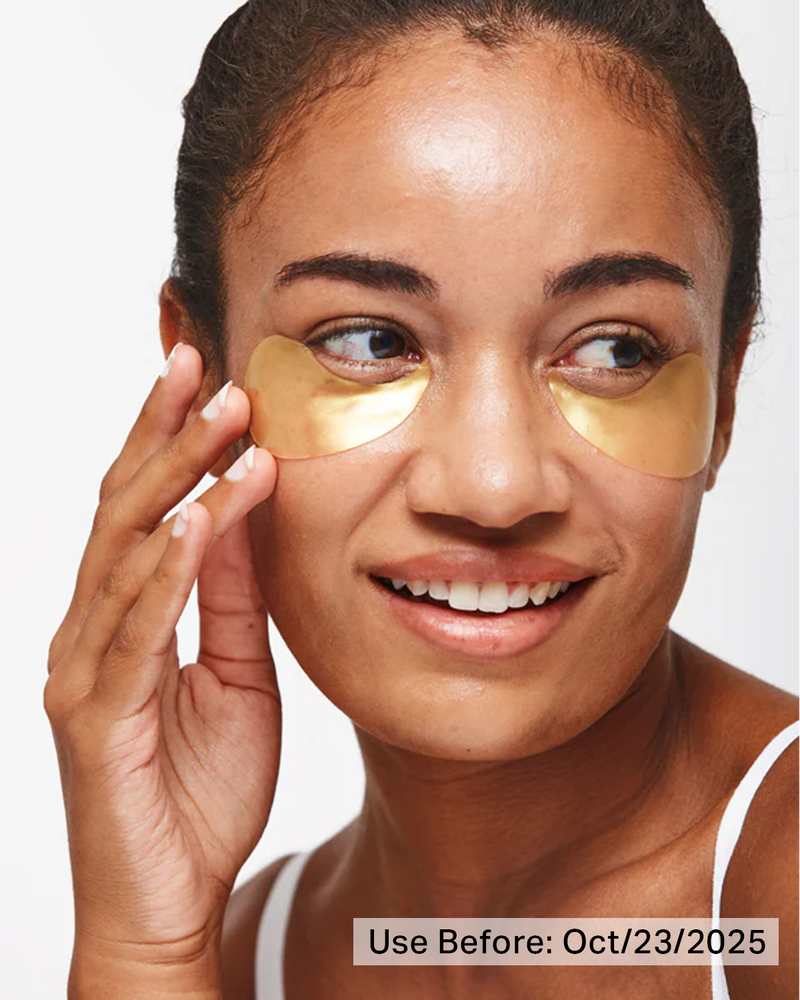
Place the eye mask carefully under your eyes, making sure it sticks well without air bubbles.
Position it so it covers the entire under-eye area but doesn’t touch your eyelashes or eyelids. This avoids irritation and maximizes contact with the skin.
Check the recommended time on the mask packaging. Most eye masks work best within 10 to 20 minutes. Leaving them on longer can cause dryness or irritation.
Ever felt like leaving a mask on longer gives better results? It’s tempting, but sticking to the suggested time helps you avoid unwanted side effects.
Follow-up Skincare Steps
After removing the eye mask, gently pat any remaining serum into your skin. Don’t wash it off.
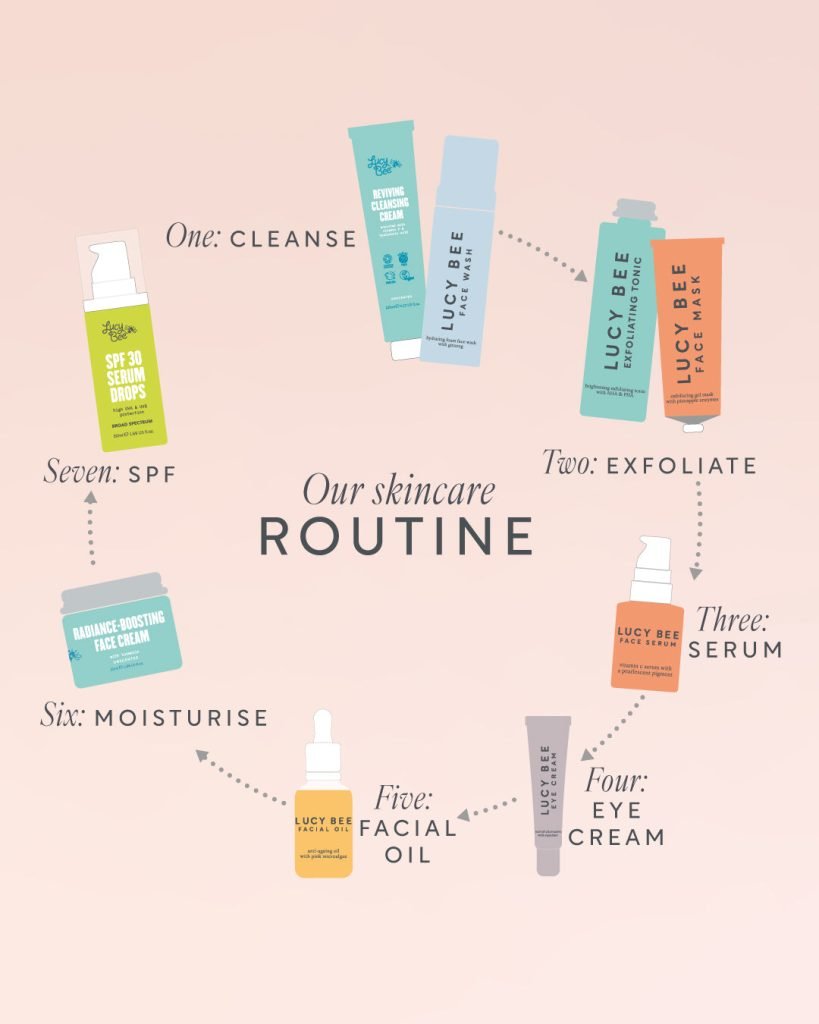
Apply a lightweight eye cream or moisturizer next. This locks in the hydration and extends the benefits of the mask.
Make sure to use gentle tapping motions instead of rubbing. Your under-eye skin is thin and delicate, so handle it with care.
Have you noticed how your skin feels more refreshed after these small extra steps? They can really improve your overall eye care routine.
Eye Masks For Different Skin Types
Eye masks offer targeted care tailored to each skin type’s unique needs. Choosing the right eye mask supports healthier, brighter skin around your eyes. Different ingredients and textures work best for dry, oily, or aging skin. Understanding these differences helps you pick the perfect eye mask for your routine.
Dry And Sensitive Skin
Eye masks for dry and sensitive skin focus on deep hydration and soothing effects. Look for masks with ingredients like aloe vera, hyaluronic acid, and chamomile. These calm irritation and add moisture without causing redness. Soft gel or cream masks work well to avoid irritation.
Oily And Combination Skin
For oily and combination skin, eye masks should control shine and reduce puffiness. Masks with ingredients like green tea, cucumber, and charcoal help absorb excess oil. Lightweight and cooling gel masks prevent clogged pores and refresh tired eyes. Avoid heavy creams that can feel greasy.
Aging Skin Needs
Aging skin benefits from eye masks rich in collagen, peptides, and antioxidants. These ingredients improve elasticity and reduce fine lines. Firming masks with vitamin C or retinol boost skin renewal. Use masks that provide nourishment and support skin repair for a youthful look.
Common Mistakes To Avoid
Using eye masks can be a game-changer in your skincare routine, but some common mistakes might hold you back from seeing the best results. Avoiding these errors helps your skin absorb the benefits properly without causing irritation or diminishing the product’s effectiveness. Let’s look at some pitfalls you should watch out for to get the most out of your eye masks.
Overusing Eye Masks
Applying eye masks too often can overwhelm the delicate skin around your eyes. Your skin needs time to absorb nutrients and recover between treatments. Using an eye mask daily or multiple times a day may lead to irritation or dryness instead of hydration.
Try using eye masks 2-3 times a week, or follow the instructions on the product packaging. Ask yourself: Are you expecting quick fixes, or are you giving your skin the breathing room it needs?
Ignoring Ingredient Sensitivities
Many eye masks contain active ingredients like retinol, peptides, or caffeine, which can cause reactions if your skin is sensitive. Ignoring these sensitivities might result in redness, itching, or swelling around your eyes.
Always check the ingredient list before trying a new product. If you’ve had reactions to similar ingredients before, patch test the eye mask on a small area to see how your skin responds. Your eyes deserve gentle care, not irritation.
Incorrect Application
Applying eye masks incorrectly can reduce their effectiveness and even cause product waste. For instance, placing the mask too close to your lashes or eyelids might cause discomfort or blurred vision. Applying too much pressure can irritate the delicate skin instead of soothing it.
Gently place the mask on the under-eye area, avoiding direct contact with your eyes. Let it sit for the recommended time without rubbing or moving it around. How carefully are you treating the skin that shows your emotions most clearly?
Eye Masks Vs Other Eye Treatments
Eye masks offer a unique approach to skincare around your eyes, but how do they really stack up against other treatments? Understanding the differences helps you decide when to reach for a mask versus creams or serums. Let’s break down how these options work together and when one might suit your needs better than the others.
Comparing With Eye Creams
Eye creams are a daily go-to for many. They are lightweight and designed for regular use to hydrate and protect the delicate skin around your eyes. Eye masks, on the other hand, deliver an intense dose of moisture and nutrients in a short time, usually 10-20 minutes.
If you struggle with puffiness or dryness, masks can offer quick relief. However, creams are better for consistent care and prevention. Think of eye masks as a booster treatment rather than a replacement for your daily cream.
Using With Serums
Serums are concentrated formulas that target specific issues like fine lines or dark circles. You might wonder if using an eye mask after applying serum enhances the benefits. It often does, because the mask can lock in the serum’s active ingredients and increase absorption.
Try applying your serum first and then placing an eye mask on top. This combo can amplify hydration and treatment effects. However, be cautious with layering too many products, as that might irritate sensitive skin.
Alternatives For Eye Care
If eye masks aren’t your thing, there are other options to consider. Cooling gel patches, for example, soothe and reduce puffiness immediately. Massage tools like jade rollers can improve circulation and lymphatic drainage around the eyes.
- Cold spoons or chilled cucumber slices offer natural, budget-friendly relief.
- Prescription or over-the-counter treatments may be necessary for severe concerns like eczema or persistent dark circles.
What’s your biggest concern around the eyes? Choosing the right treatment depends on your specific needs and how much time you want to spend on your routine.

Credit: www.amazon.com
Credit: www.neutrogena-me.com
Frequently Asked Questions
When Is The Best Time To Use Eye Masks?
The best time to use eye masks is after cleansing and before moisturizing. This allows better absorption of nutrients. Using them in the evening helps repair skin overnight and reduces puffiness and dark circles effectively.
How Often Should I Apply Eye Masks?
Apply eye masks 2-3 times a week for optimal results. Overuse can irritate delicate skin around the eyes. Consistent use helps maintain hydration, reduce fine lines, and soothe tired eyes without causing sensitivity.
Can Eye Masks Help With Dark Circles?
Yes, eye masks can reduce dark circles by hydrating and brightening the skin. Ingredients like vitamin C and caffeine improve circulation and lighten pigmentation. Regular use improves overall eye area appearance and refreshes tired-looking eyes.
Should I Use Eye Masks Before Or After Serum?
Use eye masks after applying serum for better absorption. Serum penetrates deeply, while masks lock in moisture and active ingredients. This sequence maximizes benefits and enhances skin hydration around the eyes.
Conclusion
Eye masks can boost your skincare routine. They help reduce puffiness and dark circles. Use them at night for relaxation. Or in the morning for a fresh look. Consistency is key for noticeable results. Choose masks with ingredients that suit your skin type.
Hydrating masks work well for dry skin. Brightening masks benefit dull skin. Keep eye masks in your skincare routine. They offer simple and effective care. Remember, healthy habits lead to healthy skin.
