Ever stood in front of the mirror, wondering if your skincare routine truly covers all bases? If you’ve ever asked yourself when to use eye cream in your skincare routine, you’re not alone.
This small yet powerful product often sparks debate and confusion among skincare enthusiasts. By the end of this article, you’ll not only know the perfect time to apply your eye cream, but you’ll also discover how it can transform the delicate skin around your eyes.
Uncover the secrets that could lead to brighter, more youthful-looking eyes. Keep reading to find out how you can enhance your skincare routine with just a tiny dab of cream.

Credit: www.bellinispdx.com
Benefits Of Eye Cream
Eye cream plays an important role in skincare. The skin around the eyes is thin and delicate. It needs special care to stay healthy and fresh. Using eye cream helps protect this sensitive area and keeps it looking its best.
Hydration And Moisture
Eye creams provide deep hydration to the skin around the eyes. They lock in moisture to prevent dryness. Well-moisturized skin feels soft and smooth. This helps reduce the appearance of fine lines caused by dryness.
Reducing Puffiness
Many eye creams contain ingredients that calm puffiness. They help reduce swelling caused by tiredness or fluid buildup. Using eye cream can make your eyes look more awake and refreshed.
Minimizing Dark Circles
Dark circles often make the eyes look tired. Eye creams with brightening ingredients lighten these areas. They improve blood flow and reduce discoloration. This gives a more even and radiant look to your skin.
Anti-aging Effects
Eye creams can also fight signs of aging. They boost collagen production to keep skin firm. Regular use helps reduce wrinkles and crow’s feet. This keeps the eye area looking youthful and smooth.
Best Time To Apply Eye Cream
Knowing the best time to apply eye cream can make a significant difference in how well it works for your skin. The delicate skin around your eyes needs care at specific times to maximize hydration, reduce puffiness, and fight signs of aging. Let’s break down why morning and nighttime applications each have unique benefits and how you can fit them into your routine.
Morning Application Benefits
Applying eye cream in the morning helps to hydrate and protect the skin before you face your day. It can reduce puffiness caused by overnight fluid retention and brighten dark circles, giving you a fresh, awake look.
Many eye creams contain ingredients like caffeine or antioxidants that boost circulation and shield your skin from environmental stressors like pollution and UV rays. Have you noticed how your eyes feel tighter and look more vibrant after a morning application?
Using eye cream before makeup also creates a smooth base, preventing concealer from settling into fine lines. This simple step can make your entire face look more polished throughout the day.
Nighttime Application Advantages
At night, your skin enters repair mode, making it the ideal time to nourish and restore the delicate eye area. Eye creams rich in peptides, retinol, or hyaluronic acid work best during sleep when your skin can absorb active ingredients deeply.
Applying eye cream before bed helps reduce signs of aging like wrinkles and fine lines by boosting collagen production and hydration. Do you ever wake up and notice your eyes look less tired after a good night’s care?
Nighttime is also perfect for targeting specific concerns like dryness or sensitivity since you can use richer, more concentrated formulas without worrying about makeup interference. This can leave your skin feeling softer and more resilient by morning.
Step-by-step Application Guide
Applying eye cream correctly can make a big difference in how well it works. The skin around your eyes is delicate and needs special care. Following a clear and gentle routine helps the cream absorb better and prevents any irritation.
Prep Your Skin
Start with a clean face. Use a gentle cleanser to remove dirt and makeup, especially around the eyes. Pat your skin dry with a soft towel—rubbing can irritate the sensitive eye area.
If you use toner or serum, apply those first and wait a minute to let them soak in. Your skin should feel fresh but not damp before you add the eye cream.
Proper Amount To Use
Less is more when it comes to eye cream. A pea-sized amount is usually enough for both eyes. Using too much can cause puffiness or sting your eyes.
Try to avoid applying cream directly on the eyelids unless the product instructions say it’s safe. Focus on the under-eye area and the outer corners where fine lines often appear.
Gentle Application Techniques
Use your ring finger to apply the cream—it naturally applies the least pressure. Dab small dots of cream around your eye area instead of rubbing it all at once.
Gently tap the cream into your skin with a light, bouncing motion. This helps the product absorb without stretching the skin. Have you noticed how much pressure you normally use around your eyes?
Finish by letting the cream sit for a minute before applying makeup or sunscreen. This gives it time to work and reduces the chance of it moving around.

Credit: lucybee.com
Common Mistakes To Avoid
Using eye cream correctly boosts its benefits and protects delicate skin. Many people make errors that reduce effectiveness or cause irritation. Avoiding these mistakes helps keep the skin around the eyes healthy and smooth.
Applying Too Much Product
Using too much eye cream can cause puffiness and clog pores. A pea-sized amount for both eyes is enough. Gently pat the cream instead of rubbing to help it absorb well.
Rubbing Or Tugging The Skin
The skin around the eyes is thin and fragile. Rubbing or pulling can cause wrinkles and irritation. Always use your ring finger to softly tap the cream. Avoid harsh movements to keep the skin firm.
Skipping Sunscreen After Application
Eye cream does not replace sunscreen. UV rays can damage the skin even if you use eye cream. Always apply sunscreen after the eye cream. This step protects the skin from sun damage and aging.
Choosing The Right Eye Cream
Choosing the right eye cream is crucial for effective skincare. The delicate skin around your eyes needs special care. Using the wrong product can cause irritation or fail to address your concerns. Understanding your skin type and needs helps in picking the best eye cream.
Ingredients To Look For
Eye creams contain various ingredients for different benefits. Some soothe and hydrate, while others reduce wrinkles or dark circles. Look for:
- Hyaluronic acid – hydrates and plumps skin
- Peptides – boost collagen production
- Vitamin C – brightens dark circles
- Caffeine – reduces puffiness
- Retinol – smooths fine lines
- Niacinamide – calms and evens skin tone
Check for gentle formulas to avoid irritation. Avoid heavy fragrances or alcohol.
Eye Creams For Different Skin Types
Different skin types need different care. Dry skin benefits from rich, creamy formulas. Oily skin needs lightweight, non-greasy creams. Sensitive skin requires fragrance-free and soothing ingredients.
| Skin Type | Recommended Eye Cream Features |
|---|---|
| Dry | Rich, moisturizing, with hyaluronic acid or ceramides |
| Oily | Lightweight, oil-free, non-comedogenic |
| Sensitive | Fragrance-free, calming ingredients like aloe or chamomile |
| Mature | Anti-aging, with peptides and retinol |
When To Switch Your Eye Cream
Change your eye cream if it irritates your skin. Stop using it if you see redness, dryness, or itching.
Switch to a different formula if your skin type changes. For example, dry skin may need richer creams in winter.
Upgrade your eye cream as you age. Look for products with anti-aging ingredients.
Also, consider a new eye cream if your current one stops working.

Credit: sonage.com
Eye Cream Alternatives And Enhancements
Eye creams are a staple in many skincare routines, but they aren’t the only option to nourish and protect the delicate skin around your eyes. Sometimes, you might want to try alternatives or add extra care to boost your results. These options can provide hydration, reduce puffiness, and brighten your under-eye area in different ways.
Using Serums And Oils
Serums and oils can be powerful allies for your eye area. Lightweight serums with ingredients like hyaluronic acid or vitamin C can deeply hydrate and brighten your skin.
Facial oils rich in antioxidants and essential fatty acids help lock in moisture and soothe irritation. You might find that a gentle pat of rosehip oil at night improves the texture around your eyes more than a traditional cream.
Have you noticed how some serums absorb faster and leave less residue? This can be a game-changer if you prefer a lighter feel under makeup.
Incorporating Face Masks
Face masks designed for the eye area can deliver targeted treatment in minutes. Cooling gel patches with ingredients like caffeine or aloe vera reduce puffiness and refresh tired eyes instantly.
Sheet masks or hydrogel patches are easy to use and can be a relaxing ritual after a long day. You might be surprised how a quick 10-minute mask can brighten your eyes and smooth fine lines temporarily.
Think about how often you take a moment just for yourself—could adding a mask improve not only your skin but your overall mood?
Lifestyle Habits For Eye Health
Skincare products can only do so much if your lifestyle doesn’t support eye health. Proper sleep, hydration, and a balanced diet play crucial roles in maintaining youthful eyes.
Reducing screen time or taking regular breaks can prevent eye strain and dark circles. Simple habits like wearing sunglasses and avoiding rubbing your eyes also protect sensitive skin.
Are you paying attention to these daily habits? Sometimes small changes outside of your skincare routine make the biggest difference in how your eyes look and feel.
Frequently Asked Questions
When Is The Best Time To Apply Eye Cream?
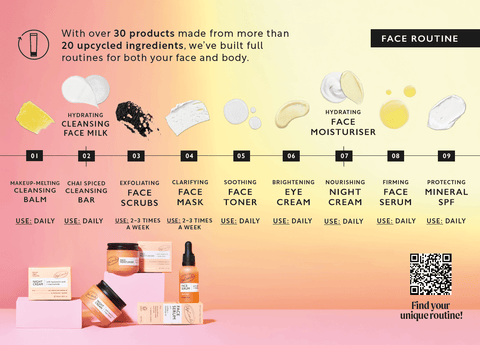
The best time to apply eye cream is twice daily—morning and night. Use it after cleansing and toning but before moisturizer to maximize absorption and effectiveness.
Should Eye Cream Be Used Before Or After Moisturizer?
Apply eye cream before moisturizer. This ensures the delicate skin around the eyes absorbs the product properly without interference from heavier creams.
Can Eye Cream Replace Regular Moisturizer In Skincare?
No, eye cream cannot replace regular moisturizer. It targets specific eye concerns but does not provide full facial hydration needed for healthy skin.
How Long Should You Wait After Applying Eye Cream?
Wait about one to two minutes after applying eye cream before adding moisturizer. This allows the product to fully absorb and work effectively.
Conclusion
Applying eye cream at the right time helps keep skin fresh and healthy. Use it after cleansing and before moisturizing for best results. Gently pat the cream around your eyes to avoid irritation. Regular use can reduce puffiness and fine lines.
Choose a cream that suits your skin type and concerns. Remember, consistency matters more than the amount you apply. This simple step can improve your skincare routine effectively. Keep your eyes bright and comfortable every day.
