
Unlocking the secret to radiant, glowing skin might be simpler than you think. Imagine waking up each morning to a reflection that makes you smile—a complexion that’s smooth, fresh, and full of life.
You might be wondering how you can achieve this without spending a fortune on expensive treatments. The answer lies in a simple yet powerful step in your skincare routine: exfoliation. But knowing when to use exfoliate can make all the difference.
Timing is key, and understanding how it fits into your skincare can transform your skin’s texture and appearance. Stick around, and you’ll discover the perfect moments to exfoliate, ensuring your skin reaps the maximum benefits. Ready to unveil your best skin yet? Let’s dive in!

Credit: www.prevention.com
Benefits Of Exfoliation
Exfoliation is a key step in any skincare routine. It helps remove dead skin cells that build up on the surface. This process reveals fresh, glowing skin underneath. Regular exfoliation can prevent clogged pores and reduce the chance of breakouts. It also helps skincare products work better by allowing deeper absorption. Many people notice smoother, softer skin after exfoliating. It can even help fade dark spots and improve skin tone.
Types Of Exfoliants
- Physical Exfoliants:Use small grains or beads to scrub away dead skin.
- Chemical Exfoliants:Use acids like AHAs and BHAs to dissolve dead skin gently.
- Enzymatic Exfoliants:Use natural enzymes from fruits to break down dead cells.
How Exfoliation Improves Skin
Exfoliation clears away dull, rough skin. It helps reveal a brighter complexion. The skin looks healthier and more even. It can reduce the appearance of fine lines and wrinkles. Exfoliating also helps unclog pores, reducing blackheads and acne. It boosts skin cell renewal, keeping skin fresh. Soft, smooth skin feels better to touch. Overall, it supports a youthful and radiant look.
Signs You Need To Exfoliate
Knowing when to exfoliate can change how your skin looks and feels every day. Skipping exfoliation or doing it too often can both cause problems. Watch for clear signs from your skin that it’s time to add exfoliation to your routine, so you get the benefits without the risks.
Dull Skin And Uneven Texture
Is your skin looking tired and lackluster despite your usual care? Dullness often means dead skin cells are building up on the surface, blocking your natural glow. When you run your fingers over your face, do you feel rough patches or bumps? That uneven texture is a strong hint your skin needs exfoliating.
Exfoliating gently removes this layer and reveals fresher, smoother skin underneath. After I started exfoliating twice a week, I noticed my foundation applied more smoothly and my skin looked brighter by midday. Have you noticed how dull skin can make even your best makeup look fade faster?
Clogged Pores And Breakouts
Are you struggling with frequent breakouts or visible blackheads? These can result from pores clogged with oil, dirt, and dead skin cells. When your skin can’t shed these naturally, exfoliation helps clear the way.
Regular exfoliation keeps pores clean and reduces the chance of pimples forming. I used to get stubborn breakouts until I added a gentle exfoliant; the difference was clear in just a couple of weeks. Ask yourself if your current routine is enough to keep your pores clear or if exfoliation might be the missing step.
Best Times To Exfoliate
Exfoliation removes dead skin cells and refreshes your skin. Choosing the right time to exfoliate boosts its benefits. Timing affects how your skin absorbs products and reacts to the environment. Consider your skin type and daily routine for the best results.
Morning Vs. Evening
Exfoliating in the morning brightens dull skin. It helps clear away flakes and smooths the surface. This creates a fresh base for makeup and skincare.
Evening exfoliation cleanses dirt and oil from the day. Your skin repairs itself overnight, so exfoliating then supports this process. It also helps your night creams work better.
Choose morning for a radiant look all day. Pick evening if your skin feels oily or clogged after the day.
Frequency Based On Skin Type
Skin type guides how often to exfoliate. Overdoing it can cause irritation or dryness.
- Dry or sensitive skin:Exfoliate 1 time per week. Use gentle products to avoid redness.
- Normal or combination skin:Exfoliate 2 times per week. Moderate exfoliation keeps skin balanced.
- Oily or acne-prone skin:Exfoliate 3 times per week. Helps control oil and unclog pores.
Adjust based on how your skin feels. Less is more if you notice redness or tightness.

Credit: www.yesmadam.com
Exfoliation And Other Skincare Steps
Exfoliation plays a key role in a skincare routine. It helps remove dead skin cells and brightens the skin. Knowing where it fits among other steps boosts its effectiveness. Timing and pairing with products matter for best results.
Before Or After Cleansing
Exfoliation should happen on clean skin. Start by cleansing your face to remove dirt and oil. Then apply your exfoliator. This order ensures the exfoliant works directly on your skin. It also prevents irritation from trapped impurities.
Pairing With Serums And Moisturizers
After exfoliating, your skin absorbs products better. Use serums next to target specific skin concerns. Follow with a moisturizer to keep skin hydrated and calm. Avoid applying exfoliants after moisturizers, as this blocks the active ingredients.
Common Mistakes To Avoid
Exfoliating is a powerful step in your skincare routine, but it’s easy to make mistakes that can harm your skin rather than help it. Knowing what to avoid can save you from irritation, dryness, and even long-term damage. Let’s look at some common errors and how to steer clear of them.
Over-exfoliating Risks
Using exfoliants too often can strip away your skin’s natural oils and damage its protective barrier. This leads to redness, sensitivity, and even breakouts—exactly the opposite of what you want.
Ask yourself: how often do you exfoliate? Most skin types benefit from exfoliating 1-3 times per week. If you notice persistent dryness or irritation, it’s a sign you should cut back.
I once thought daily exfoliation would speed up my glow, but it left my skin raw and inflamed. Adjusting the frequency helped restore my skin’s balance quickly.
Using Harsh Products Incorrectly
Not all exfoliants are created equal. Some contain strong acids or rough physical scrubs that can cause micro-tears or worsen sensitive skin if used improperly.
Start with gentle products and patch test before full use. Avoid scrubbing aggressively; a light touch is more effective and less damaging.
Think about your skin type and concerns before picking an exfoliant. What works for oily skin might irritate dry or sensitive skin. If you’re unsure, consult a dermatologist for guidance tailored to you.
Adjusting Exfoliation In Different Seasons
Exfoliation needs change with the seasons. The skin reacts differently to weather shifts. Adjusting your exfoliation routine helps keep skin healthy and glowing all year. Understanding how to care for your skin in winter and summer is key. Here is how to adjust exfoliation for different seasons.
Winter Care
Cold air and indoor heating dry out the skin. Exfoliate gently to avoid irritation. Limit exfoliation to once a week or less. Use mild exfoliants with hydrating ingredients. After exfoliating, apply a rich moisturizer to lock in moisture. Avoid scrubs with large, rough particles that can damage dry skin. Focus on nourishing and protecting the skin barrier during winter months.
Summer Precautions
Heat and sun increase skin oil and sweat production. Exfoliate more often, about two to three times a week. Choose exfoliants that control oil and clear pores. Avoid harsh scrubs that can cause microtears and sensitivity. Always apply sunscreen after exfoliating. Exfoliation makes skin more sensitive to the sun. Maintain hydration with lightweight, non-comedogenic moisturizers. Adjust exfoliation based on your skin’s response to summer conditions.
Special Considerations
Exfoliation can refresh your skin and clear away dead cells. Yet, some skin types need special care to avoid irritation or damage. Understanding your skin’s needs helps you exfoliate safely and effectively.
Sensitive Skin Tips
Sensitive skin reacts easily to harsh products. Choose gentle exfoliants with soft textures. Avoid scrubs with large, rough particles. Chemical exfoliants with mild acids like lactic acid work well.
- Use exfoliants no more than once a week.
- Test new products on a small skin patch first.
- Stop exfoliating if redness or itching occurs.
- Moisturize well after exfoliating to soothe skin.
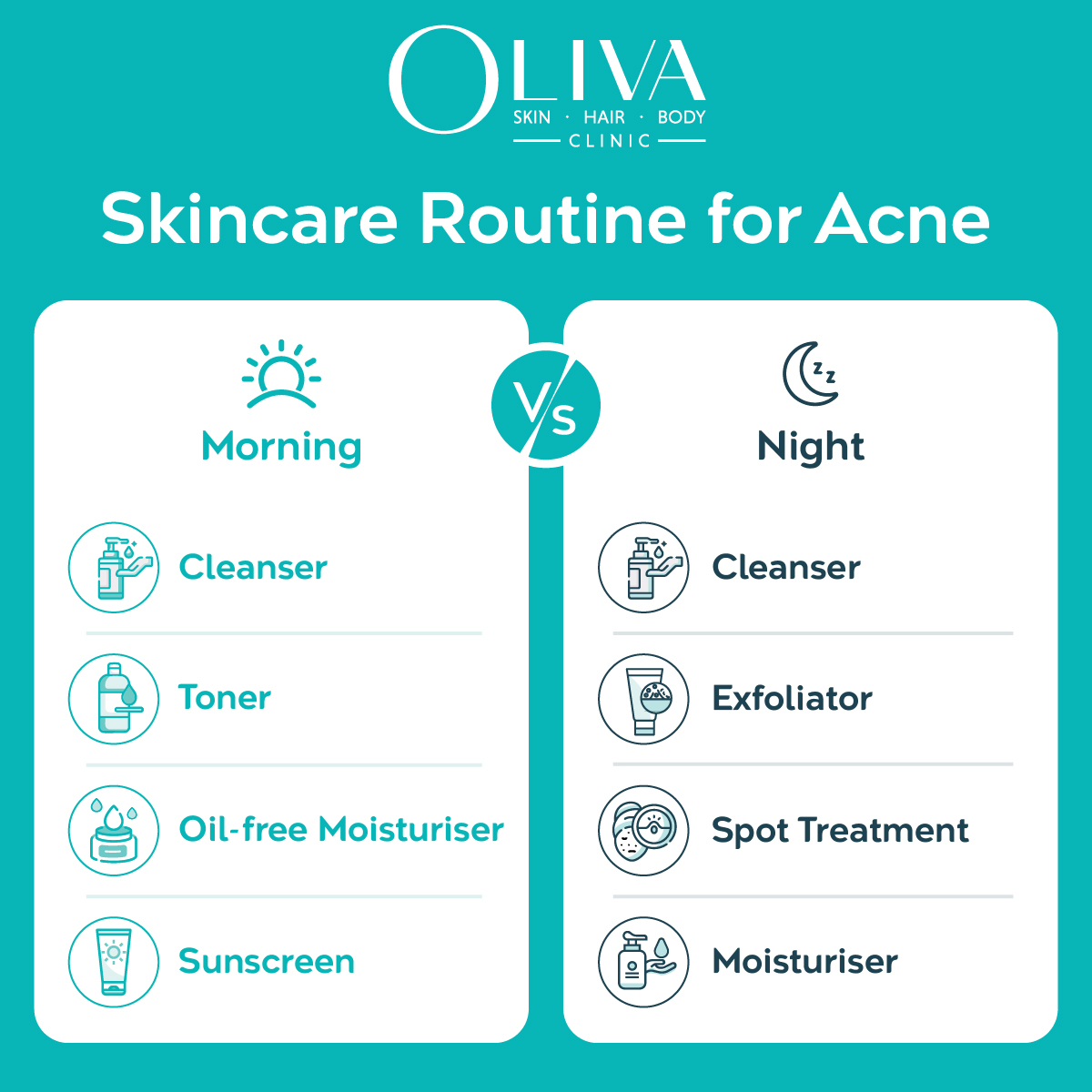
Exfoliation For Acne-prone Skin
Acne-prone skin can benefit from exfoliation but needs care. Avoid scrubs that may worsen inflammation. Salicylic acid is a good choice for unclogging pores.
- Exfoliate 1-2 times weekly to prevent irritation.
- Use products labeled non-comedogenic to avoid pore blockage.
- Be gentle to avoid spreading bacteria on the skin.
- Keep skin moisturized to support healing after exfoliation.
Credit: www.olivaclinic.com
Frequently Asked Questions
When Is The Best Time To Exfoliate Skin Daily?
Exfoliate skin in the evening to remove dirt and dead cells. Evening exfoliation preps skin for better absorption of nighttime products. Avoid morning exfoliation to prevent sun sensitivity and irritation during the day.
How Often Should I Exfoliate In My Skincare Routine?
Exfoliate 2-3 times a week for normal skin. Sensitive skin requires once a week. Over-exfoliation can cause irritation and damage the skin barrier, so balance is key.
Can Exfoliating Improve Acne-prone Skin?
Yes, exfoliating unclogs pores and removes excess oil. It helps reduce acne breakouts and smooths skin texture. Use gentle exfoliants to avoid irritation and worsening acne.
Should Exfoliation Be Done Before Or After Cleansing?
Exfoliation should be done after cleansing. Cleansing removes surface dirt, allowing exfoliants to work more effectively on dead skin cells. Always follow with moisturizer to protect skin.
Conclusion
Exfoliating helps remove dead skin and refresh your face. Use it a few times a week, not every day. Choose gentle products that fit your skin type. Avoid exfoliating if your skin feels sensitive or irritated. Let your skin breathe and stay healthy by exfoliating right.
Simple steps bring clearer, smoother skin. Remember, balance matters most in any skincare routine.
