Are you struggling to find the right time to use benzoyl peroxide in your skincare routine? Applying it incorrectly can cause dryness, irritation, or reduce its effectiveness.
But don’t worry—knowing exactly when and how to use benzoyl peroxide can make a huge difference in clearing your skin and preventing breakouts. You’ll discover the best moments to apply this powerful ingredient, so you can get clearer, healthier skin without the guesswork.
Keep reading to unlock the secret to using benzoyl peroxide the right way every time.

Credit: www.eraorganics.com
What Is Benzoyl Peroxide
Benzoyl peroxide is a common ingredient in many skincare products, especially those targeting acne. It works by killing acne-causing bacteria and helping to clear clogged pores. Understanding what benzoyl peroxide is can help you decide how and when to use it in your skincare routine.
What Benzoyl Peroxide Does
Benzoyl peroxide reduces bacteria on your skin that cause pimples. It also helps to remove dead skin cells that block pores, preventing new breakouts. This dual action makes it highly effective for acne treatment.
How Benzoyl Peroxide Works
When you apply benzoyl peroxide, it releases oxygen into your skin. Acne bacteria can’t survive in oxygen-rich environments, so this process kills them. It also causes your skin to peel slightly, which clears away blocked pores.
Common Concentrations In Products
- 2.5%:Gentle and suitable for sensitive skin
- 5%:Balanced strength for moderate acne
- 10%:Stronger option, best for severe acne but can irritate
Choosing the right concentration matters. Starting low can prevent irritation and help your skin adjust.
Possible Side Effects To Watch For
Benzoyl peroxide can cause dryness, redness, and peeling at first. If your skin feels too irritated, reduce how often you use it. Some people might experience allergic reactions, so patch testing is important.
Have you noticed your skin reacting differently to acne treatments? Benzoyl peroxide might be the missing step or the cause of your irritation. Knowing its effects helps you make smarter choices about your skincare.
Credit: www.lemon8-app.com
Benefits For Acne-prone Skin
Benzoyl peroxide offers many benefits for acne-prone skin. It helps reduce acne and keeps the skin clear. Using it correctly can improve skin texture and prevent new breakouts.
Reduces Acne-causing Bacteria
Benzoyl peroxide kills the bacteria that cause acne. This lowers the chance of pimples forming. It works deep inside pores to clear out harmful germs.
Helps Unclog Pores
This ingredient breaks down dead skin cells and excess oil. It clears blocked pores, which stops blackheads and whiteheads. Clean pores mean fewer acne problems.
Reduces Inflammation And Redness
Benzoyl peroxide calms inflamed skin. It reduces redness and swelling around pimples. Skin looks healthier and less irritated with regular use.
Prevents New Breakouts
Regular use of benzoyl peroxide helps stop new acne from forming. It keeps skin clean and balanced. This supports long-term clear skin.
Improves Skin Texture
By clearing pores and reducing acne, skin texture improves. Skin feels smoother and looks more even. Benzoyl peroxide helps skin look fresh and healthy.
Best Time To Use Benzoyl Peroxide
Figuring out the best time to use benzoyl peroxide can make a big difference in how well it works and how your skin feels. Timing affects how your skin absorbs the product and how it interacts with other skincare steps. Let’s look at the ideal moments to apply benzoyl peroxide for maximum benefit and minimal irritation.
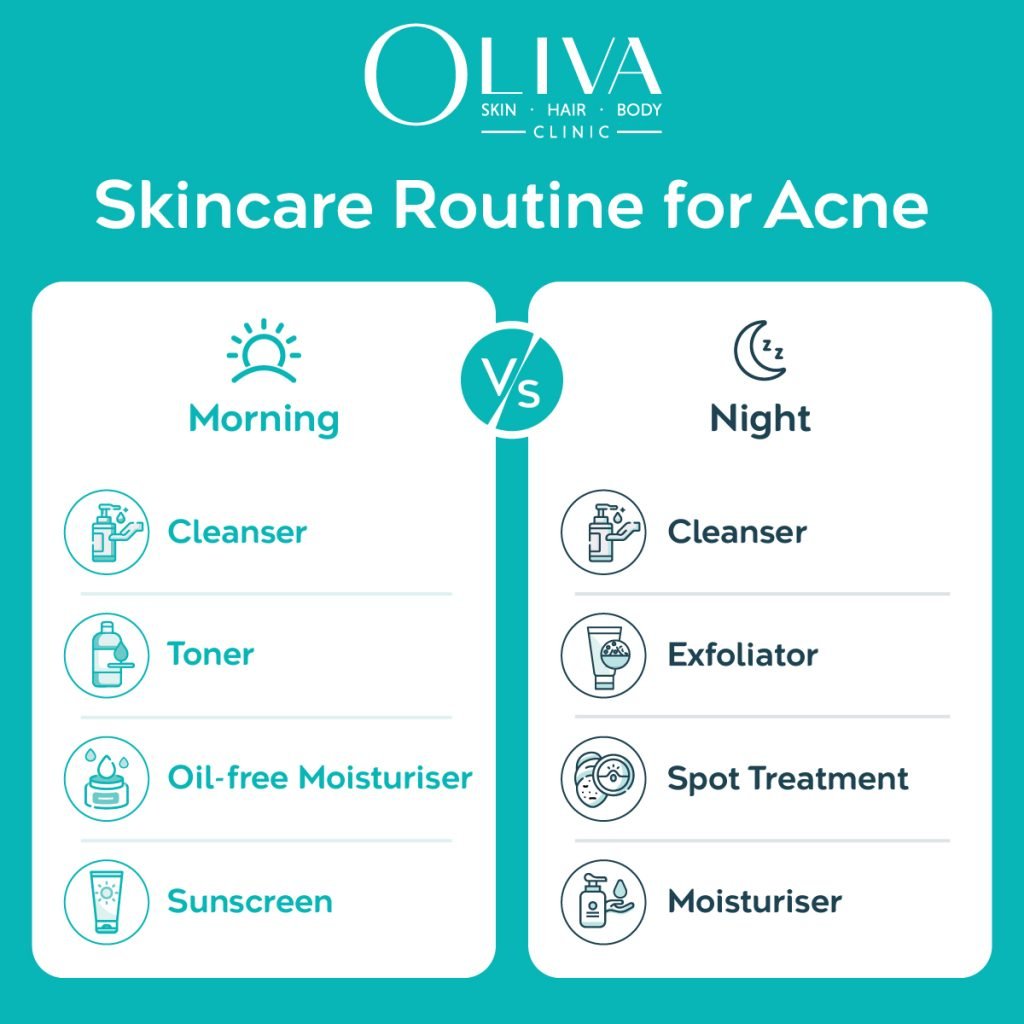
Morning Vs Night Application
Applying benzoyl peroxide at night is often recommended because it can make your skin more sensitive to sunlight. Using it before bed allows the product to work overnight without interference from UV rays. However, if you prefer morning use, make sure to follow up with a broad-spectrum sunscreen to protect your skin.
Some people find morning application helps control oil throughout the day, but it may increase dryness or irritation if you don’t moisturize well. Consider your skin’s reaction and daily routine when choosing the best time for you.
After Cleansing And Drying
For benzoyl peroxide to work effectively, apply it right after you cleanse and thoroughly dry your face. Damp skin can increase irritation and reduce the product’s effectiveness. Pat your skin dry gently to avoid over-drying or damaging your skin barrier.
Waiting a minute or two after cleansing before applying benzoyl peroxide allows your skin to adjust and prevents unnecessary stinging or redness. Have you noticed that your skin feels less irritated when you follow this step?
Before Moisturizer And Sunscreen
Always apply benzoyl peroxide before moisturizer and sunscreen. This layering ensures the active ingredient penetrates your skin without being blocked. After benzoyl peroxide dries, add your moisturizer to soothe and hydrate, then finish with sunscreen during the day.
If you skip moisturizer or sunscreen, your skin might become dry, flaky, or more sensitive to sun damage. Keeping this order in mind helps maintain your skin’s health while treating acne effectively.
Credit: miiskin.com
How Often To Apply Benzoyl Peroxide
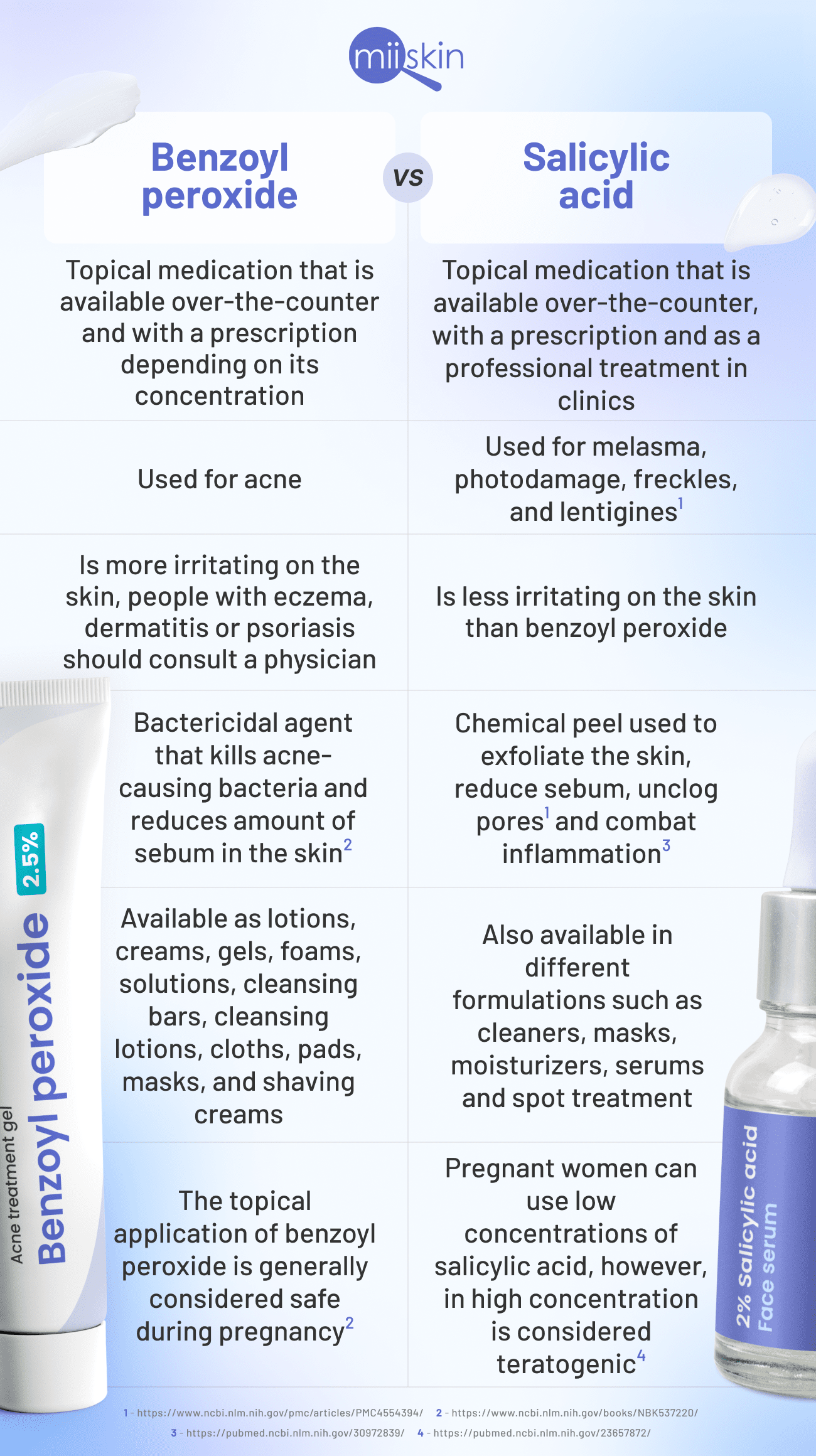
Benzoyl peroxide is a common acne treatment used to kill bacteria and reduce inflammation. Knowing how often to apply it helps to get the best results without irritating your skin. Application frequency depends on your skin type and tolerance. Using it too often can cause dryness and redness. Using it too little may not clear acne effectively.
Daily Use Guidelines
Start with a small amount once a day. Apply benzoyl peroxide in the evening after cleansing. This lets the product work overnight. If your skin handles it well, increase to twice daily. Use a pea-sized amount on affected areas only. Avoid applying to the entire face to prevent dryness. Watch for signs of irritation like redness or peeling. Stop use or reduce frequency if irritation appears.
Adjusting Frequency For Sensitive Skin
For sensitive skin, apply benzoyl peroxide every other day. Use a lower concentration, such as 2.5%. Combine with gentle moisturizers to reduce dryness. Avoid using other strong skincare products at the same time. If irritation occurs, reduce use to twice a week. Slowly increase frequency as your skin adapts. Always patch test before full application to check for reactions.
Common Mistakes To Avoid
Using benzoyl peroxide effectively requires more than just applying it regularly. Many people unknowingly make mistakes that reduce its benefits or cause irritation. Recognizing these common errors can help you get the best results without discomfort or setbacks.
Applying On Wet Skin
Applying benzoyl peroxide on wet skin can increase irritation and redness. Water can make your skin more sensitive, causing the product to absorb too quickly or unevenly. Always wait until your skin is completely dry before applying benzoyl peroxide to protect your skin barrier and reduce stinging.
Overusing Or Layering Products
Using too much benzoyl peroxide or layering it with other strong acne treatments can lead to dryness and peeling. More is not always better; a pea-sized amount is usually enough for your entire face. Avoid stacking benzoyl peroxide with other exfoliants or retinoids without consulting a dermatologist, as this can harm your skin instead of helping it.
Ignoring Sun Protection
Benzoyl peroxide makes your skin more sensitive to sunlight, increasing the risk of sunburn. Skipping sunscreen can undo your progress and cause long-term damage. Protect your skin by applying a broad-spectrum sunscreen every morning, even on cloudy days or when indoors near windows.
Combining With Other Skincare Products
Combining benzoyl peroxide with other skincare products needs care. Some mixes can irritate the skin or reduce effectiveness. Knowing how to pair it with other ingredients helps keep skin calm and clear.
Using With Retinoids
Benzoyl peroxide and retinoids both fight acne well. Use them at different times of the day. Apply benzoyl peroxide in the morning. Use retinoids at night. This routine lowers irritation risk and keeps both products working.
Start slowly. Use each product a few times a week. Watch how your skin reacts. If irritation occurs, reduce use or space out applications more.
Avoiding Irritating Ingredients
Some ingredients do not mix well with benzoyl peroxide. Avoid products with alcohol, astringents, or harsh exfoliants. They can dry out or irritate skin.
Use gentle cleansers and moisturizers. Look for calming ingredients like aloe or ceramides. Keep your routine simple to protect skin barrier and reduce redness.
Signs You Need To Change Timing
Knowing when to adjust the timing of benzoyl peroxide in your skincare routine is key to getting the best results without harming your skin. Sometimes, your skin sends clear signals that it’s time for a change. Paying attention to these signs can help you avoid unnecessary irritation and boost the effectiveness of your treatment.
Experiencing Irritation
If you start feeling redness, burning, or excessive dryness shortly after applying benzoyl peroxide, it might be a sign that the timing is off. Applying it on freshly cleansed skin without enough moisturizer or using it too often can cause irritation.
Try shifting the application to a different time of day, such as at night instead of in the morning, or apply it after your moisturizer to create a buffer. Have you noticed your skin reacting differently depending on when you use it? Small changes like these can make a big difference.
Lack Of Improvement
Using benzoyl peroxide consistently but seeing no reduction in acne after several weeks may mean the timing isn’t ideal. If you apply it alongside other active ingredients that reduce its effectiveness, such as certain exfoliants, it might not work as expected.
Consider moving the benzoyl peroxide application to a separate part of your routine, like alternating days or using it after other products have absorbed. Ask yourself if your current schedule allows the product enough time to work fully. Adjusting timing could be the missing piece for clearer skin.
Frequently Asked Questions
When Should I Apply Benzoyl Peroxide In Skincare?
Apply benzoyl peroxide after cleansing and drying your face. Use it before moisturizing to maximize its effectiveness. This timing helps reduce acne-causing bacteria and prevents irritation.
Can Benzoyl Peroxide Be Used In The Morning Or Night?
Benzoyl peroxide can be used both morning and night. Start with once daily to avoid irritation. Adjust frequency based on skin tolerance and dermatologist advice.
Should I Apply Moisturizer Before Or After Benzoyl Peroxide?
Apply moisturizer after benzoyl peroxide to soothe and hydrate skin. This helps reduce dryness and peeling caused by benzoyl peroxide treatment.
How Long Should I Wait After Cleansing To Apply Benzoyl Peroxide?
Wait 1-2 minutes after cleansing for your skin to fully dry. Applying benzoyl peroxide on damp skin may increase irritation and dryness.
Conclusion
Benzoyl peroxide can be a helpful addition to your skincare routine. Use it carefully to avoid irritation. Apply it after cleansing for best results. Nighttime use is often recommended. Start with a lower concentration. Gradually increase as your skin adjusts.
Always follow with a moisturizer. This prevents dryness and flakiness. Consistency is key for noticeable improvements. Monitor your skin’s reaction closely. Adjust usage if irritation occurs. Consult a dermatologist if unsure. They can provide personalized advice. Remember, patience is important.
Clear skin takes time and care. Stay committed for the best results.