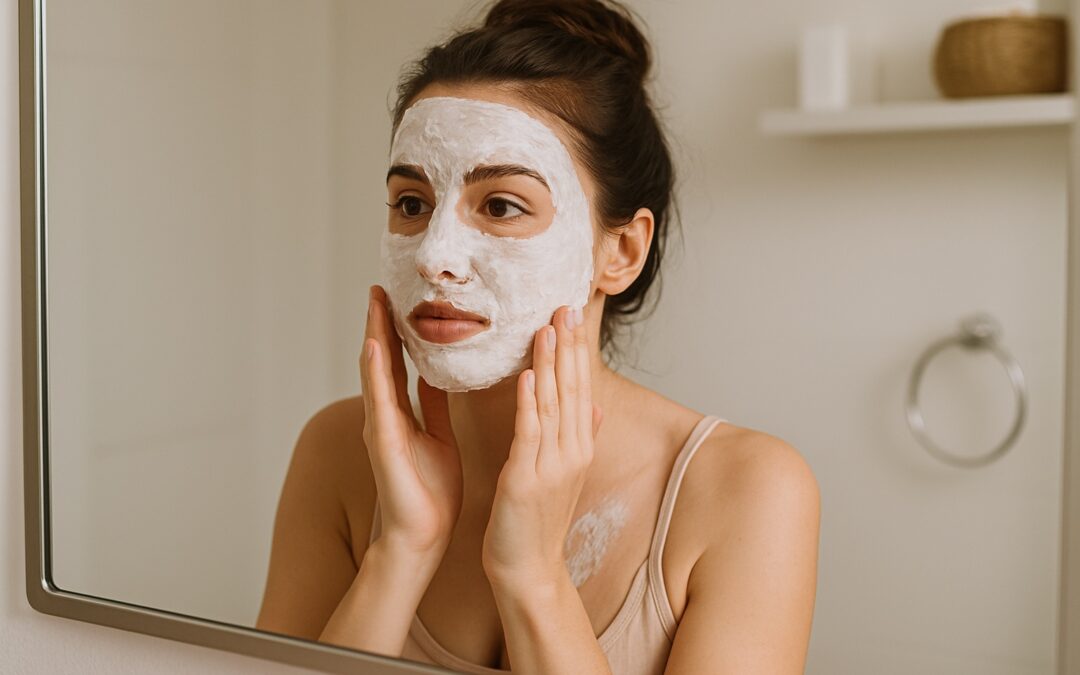
Are you wondering when to exfoliate your face in your skincare routine? You’re not alone.
The timing of exfoliation can make a significant difference to your skin’s health and appearance. Exfoliating too often can leave your skin irritated, while not doing it enough may prevent you from achieving that radiant glow. We’ll unlock the secrets to perfect timing, helping you to maximize the benefits of exfoliation.
Get ready to discover how the right schedule can transform your skin and boost your confidence. Let’s dive into the details that could change the way you care for your skin forever. Your skin deserves the best, and you’re about to find out how to give it just that. Keep reading to learn more!
Credit: www.moderncollege.ca
Benefits Of Facial Exfoliation
Facial exfoliation removes dead skin cells from the skin’s surface. This simple step refreshes your complexion and helps your skin stay healthy. Exfoliating regularly can improve how your skin feels and looks. It also prepares your skin to better receive other skincare products. Many people see clearer and brighter skin after exfoliation.
Improved Skin Texture
Exfoliation smooths rough patches and dry areas on your face. It helps reveal fresh, new skin underneath. This makes your skin feel soft and look more even. Over time, regular exfoliation can reduce the appearance of fine lines and dullness. Your skin gains a healthy glow that feels nice to touch.
Enhanced Absorption Of Products
Dead skin cells can block skincare products from working well. Removing these cells lets creams and serums sink deeper. This means your moisturizer, toner, or serum works better. You get more benefits from the products you use. Your skin looks and feels more nourished and hydrated.
Prevention Of Breakouts
Exfoliation helps clear pores of dirt and excess oil. This reduces the chance of clogged pores and acne. It also removes bacteria that can cause pimples. Regular exfoliation keeps your skin clean and fresh. It supports clearer skin and fewer breakouts over time.

Credit: lucybee.com
Types Of Facial Exfoliants
Understanding the types of facial exfoliants can help you choose the best one for your skin type and needs. Each type works differently to remove dead skin cells and reveal fresh, glowing skin. Knowing how they work will guide you to exfoliate safely and effectively.
Physical Exfoliants
Physical exfoliants use small particles or tools to manually scrub away dead skin cells. Common examples include scrubs with sugar, salt, or tiny beads, as well as brushes and sponges.
If you have sensitive or acne-prone skin, be cautious with physical exfoliants because harsh scrubbing can cause irritation or microtears.
Try gentle options like a soft brush or finely ground oatmeal to avoid damaging your skin while still getting that smooth feeling.
Chemical Exfoliants
Chemical exfoliants dissolve dead skin cells using acids or enzymes. Popular ingredients include alpha hydroxy acids (AHAs) like glycolic and lactic acid, and beta hydroxy acids (BHAs) such as salicylic acid.
These exfoliants can penetrate deeper than physical scrubs, helping to unclog pores and improve skin texture without manual abrasion.
Are you dealing with acne or uneven tone? Chemical exfoliants might be your best bet for noticeable results without the risk of harsh scrubbing.
Enzyme-based Exfoliants
Enzyme exfoliants use natural enzymes from fruits like papaya, pineapple, or pumpkin to gently break down dead skin cells. They offer a mild alternative to acids and physical scrubs.
These are great if your skin is sensitive or if you want to exfoliate more frequently without causing irritation.
Have you ever tried a papaya mask? It can leave your skin feeling fresh and smooth without any redness or discomfort.
Ideal Timing In Skincare Routine
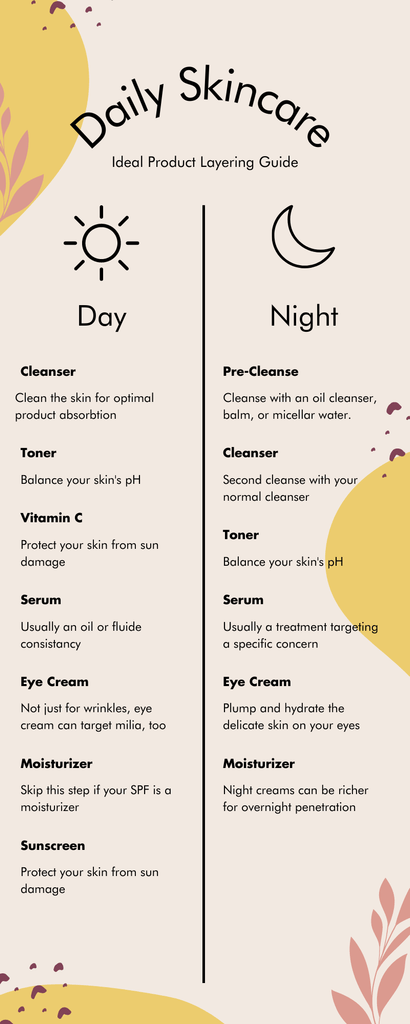
Knowing the ideal timing to exfoliate your face can make a significant difference in your skincare routine. It’s not just about removing dead skin but also about maximizing the benefits of other products you use. Timing affects how your skin responds and how fresh it feels afterward.
Exfoliating In The Morning
Exfoliating in the morning can give your skin a fresh start. It removes dead skin cells that build up overnight, helping your face look brighter and more awake. This creates a smooth surface, allowing makeup and moisturizers to apply more evenly.
However, after morning exfoliation, your skin can be more sensitive to sunlight. Always apply a broad-spectrum sunscreen to protect your face throughout the day. Skipping sunscreen after morning exfoliation can lead to irritation or sun damage.
Exfoliating At Night
Exfoliating at night lets your skin renew itself while you sleep. Your skin’s repair process peaks during nighttime, so removing dead skin cells then can enhance regeneration. This timing also means you avoid sun exposure immediately after exfoliation, reducing the risk of irritation.
Night exfoliation pairs well with serums and moisturizers that focus on hydration and repair. Your skin can absorb these products better on a clean, exfoliated surface. Have you noticed how your skin feels softer and looks clearer after nighttime exfoliation?
Frequency Recommendations
The right exfoliation frequency depends on your skin type and the product you use. Over-exfoliating can cause redness, dryness, or breakouts, while under-exfoliating might leave your skin dull.
- For sensitive skin, exfoliate 1-2 times a week with gentle products.
- Normal or combination skin can handle 2-3 times a week.
- Oily or acne-prone skin might benefit from exfoliating up to 3 times a week.
Pay attention to how your skin reacts and adjust accordingly. What changes do you notice when you exfoliate more or less often? Your skin’s response is the best guide to finding your perfect exfoliation schedule.
Skin Types And Exfoliation
Understanding your skin type is key to deciding how often and when you should exfoliate. Exfoliation removes dead skin cells, but the right timing and method vary depending on whether your skin is sensitive, oily, or dry. Knowing what your skin can handle helps avoid irritation and boosts your skincare results.
Sensitive Skin Tips
If your skin tends to react easily, exfoliate with caution. Use gentle exfoliants like mild chemical peels containing lactic acid or enzyme-based products instead of harsh scrubs. Limit exfoliation to once a week and always follow with soothing moisturizers to calm redness.
Have you noticed your skin flares up after exfoliating? That’s a sign to slow down and switch to gentler options. Remember, over-exfoliating sensitive skin can cause more damage than benefit.
Oily And Acne-prone Skin
Oily skin benefits from regular exfoliation to clear clogged pores and reduce shine. You can exfoliate 2-3 times a week using salicylic acid or other beta hydroxy acids that penetrate deep into pores. Avoid abrasive scrubs that might irritate acne and worsen breakouts.
Think about how your skin feels after washing—if it still looks shiny or feels rough, exfoliating might help keep it smooth and balanced. But don’t overdo it; too much exfoliation can cause your skin to produce even more oil.
Dry And Mature Skin
Dry and mature skin needs gentle, hydrating exfoliation to remove flaky patches without stripping moisture. Use products with alpha hydroxy acids like glycolic acid, but limit exfoliation to once or twice a week. Always follow up with rich moisturizers to lock in hydration and maintain softness.
Ask yourself if your skin feels tight or flaky before exfoliating. If yes, choose a mild exfoliant and pair it with nourishing creams to avoid worsening dryness. This approach helps renew your skin without compromising its natural barrier.
Common Mistakes To Avoid
Exfoliating your face can work wonders, but it’s easy to slip into habits that harm your skin instead of helping it. Avoiding common mistakes is key to keeping your skin healthy and glowing. Let’s look at some pitfalls you might be making without realizing it.
Over-exfoliating
It’s tempting to scrub your face daily, thinking it will speed up results. But over-exfoliating strips away your skin’s natural oils and can cause redness, dryness, or even breakouts.
Try to exfoliate just 1-3 times a week, depending on your skin type. If your skin feels tight or looks irritated, you’re probably exfoliating too often.
Using Harsh Products
Not all exfoliants are created equal. Using harsh scrubs with large, rough particles or strong chemical exfoliants can damage your skin barrier.
Choose gentle products with fine particles or mild acids like lactic acid. Listen to how your skin reacts and avoid anything that causes stinging or excessive redness.
Ignoring Sun Protection
Exfoliating makes your skin more sensitive to the sun’s rays. Skipping sunscreen after exfoliation can lead to sunburn, dark spots, and premature aging.
Always apply a broad-spectrum sunscreen with at least SPF 30 after exfoliating, even if you’re staying indoors most of the day. Protecting your skin is just as important as cleansing it.

Credit: www.prevention.com
Signs You Need To Adjust Your Exfoliation
Exfoliation can improve your skin’s texture and glow. Yet, too much or too little can harm your skin. Noticing signs that your exfoliation routine needs change helps protect your skin. Watch for these common signals.
Redness And Irritation
Redness and irritation often mean your skin is over-exfoliated. Your skin might feel sore or look inflamed. This can happen after scrubbing too hard or using strong products. Reduce exfoliation frequency or try gentler formulas.
Increased Breakouts
More breakouts may indicate your exfoliation is off balance. Over-exfoliating can strip natural oils, causing your skin to produce more oil. This excess oil clogs pores and leads to pimples. Adjust your routine to avoid this cycle.
Dryness Or Flaking
Dry patches or flaking skin show your skin barrier is damaged. Exfoliating too often removes too many dead cells, leaving skin exposed. Moisturize more and exfoliate less until your skin heals. Choose mild exfoliants for sensitive skin.
Frequently Asked Questions
When Is The Best Time To Exfoliate Your Face Daily?
The best time to exfoliate is during your evening skincare routine. This helps remove dead skin cells and allows overnight skin regeneration. Avoid exfoliating in the morning to prevent sensitivity and sun damage.
How Often Should You Exfoliate Your Face Weekly?
Exfoliate 2 to 3 times a week depending on your skin type. Over-exfoliating can cause irritation. Sensitive skin types should exfoliate less frequently, while oily skin can handle more.
Can Exfoliating Before Moisturizing Improve Skin Absorption?
Yes, exfoliating removes dead skin layers, allowing moisturizers to penetrate better. This enhances hydration and boosts the effectiveness of your skincare products.
Should You Exfoliate Before Or After Cleansing Your Face?
Always exfoliate after cleansing. Cleansing removes surface dirt, while exfoliating targets dead skin cells. This sequence ensures a deeper clean and better exfoliation results.
Conclusion
Exfoliating your face at the right time helps keep skin fresh and clear. Do it after cleansing but before moisturizing for best results. Avoid exfoliating too often to prevent irritation and dryness. Choose gentle products that suit your skin type.
Regular exfoliation removes dead skin cells and brightens your complexion. Remember, less is more when caring for your skin. Stick to a simple routine and listen to your skin’s needs. Healthy skin takes patience and good habits. Your face will thank you for the care you give.
