
Imagine having skin that feels as soft as a baby’s and glows like a summer sunrise. The secret to achieving this skin nirvana lies in one word: exfoliation.
But here’s the catch—timing is everything. When should you exfoliate in your skincare routine to unlock the full potential of your skin? Exfoliating at the wrong time can lead to irritation or reduced effectiveness of your other skincare products. But worry not! This guide will reveal the perfect moments to incorporate exfoliation into your routine, ensuring you maximize benefits while keeping your skin happy and healthy.
Stick around, because your skin is about to thank you.

Credit: www.prevention.com
Benefits Of Exfoliation
Exfoliation plays a key role in maintaining healthy skin. It removes dead skin cells, revealing fresh, glowing skin beneath. Understanding the benefits of exfoliation can help you decide when and how often to include it in your routine for the best results.
Smooth Skin Texture
Exfoliating helps to smooth out rough patches and uneven skin. When you remove the buildup of dead cells, your skin feels softer and looks more polished. Have you noticed how your face feels after exfoliating? That smoothness is a sign your skin is ready to shine.
Improved Product Absorption
When dead skin blocks your pores, skincare products can’t fully penetrate. Exfoliation clears the way, allowing serums and moisturizers to work better. Think about it: applying your favorite serum on freshly exfoliated skin means you get more out of every drop.
Prevention Of Breakouts
Dead skin and oil can clog pores, leading to pimples and blackheads. Regular exfoliation helps prevent this by keeping pores clear. If you struggle with breakouts, adding exfoliation might be the missing step to calm your skin and reduce flare-ups.
Credit: www.olivaclinic.com
Types Of Exfoliants
Exfoliation removes dead skin cells and refreshes your complexion. Different exfoliants work in unique ways. Choosing the right type depends on your skin needs and sensitivity. Understanding these types helps you pick the best for your routine.
Physical Exfoliants
Physical exfoliants use small particles or tools to scrub the skin. They remove dead cells by friction. Common examples include scrubs with sugar, salt, or beads. Brushes and sponges also act as physical exfoliants. These work well for rough or dry skin. Be gentle to avoid irritation or damage.
Chemical Exfoliants
Chemical exfoliants use acids or enzymes to dissolve dead skin. They work below the surface for smoother skin. Popular acids include alpha hydroxy acids (AHAs) and beta hydroxy acids (BHAs). AHAs like glycolic acid suit dry skin. BHAs like salicylic acid help oily or acne-prone skin. Chemical exfoliants provide even results with less scrubbing.
Enzyme-based Exfoliants
Enzyme exfoliants use natural enzymes from fruits like papaya or pineapple. These enzymes gently break down dead skin cells. They are ideal for sensitive or delicate skin. Enzyme exfoliants offer mild exfoliation without irritation. Use them to brighten skin and improve texture.
Best Time To Exfoliate
Finding the best time to exfoliate can make a big difference in how your skin looks and feels. Timing affects how well your skin absorbs products afterward and how it recovers. Let’s break down the ideal moments in your skincare routine to add exfoliation for maximum benefits.
Morning Routine
Exfoliating in the morning can give your skin a fresh start and a smooth base for makeup. It removes dead skin cells that accumulate overnight, helping your products penetrate better. However, if your skin is sensitive, morning exfoliation might increase sun sensitivity, so always follow with sunscreen.
Think about how your skin reacts after waking up. Does it feel dull or oily? Morning exfoliation can brighten your complexion but may also dry out your skin if overdone.
Evening Routine
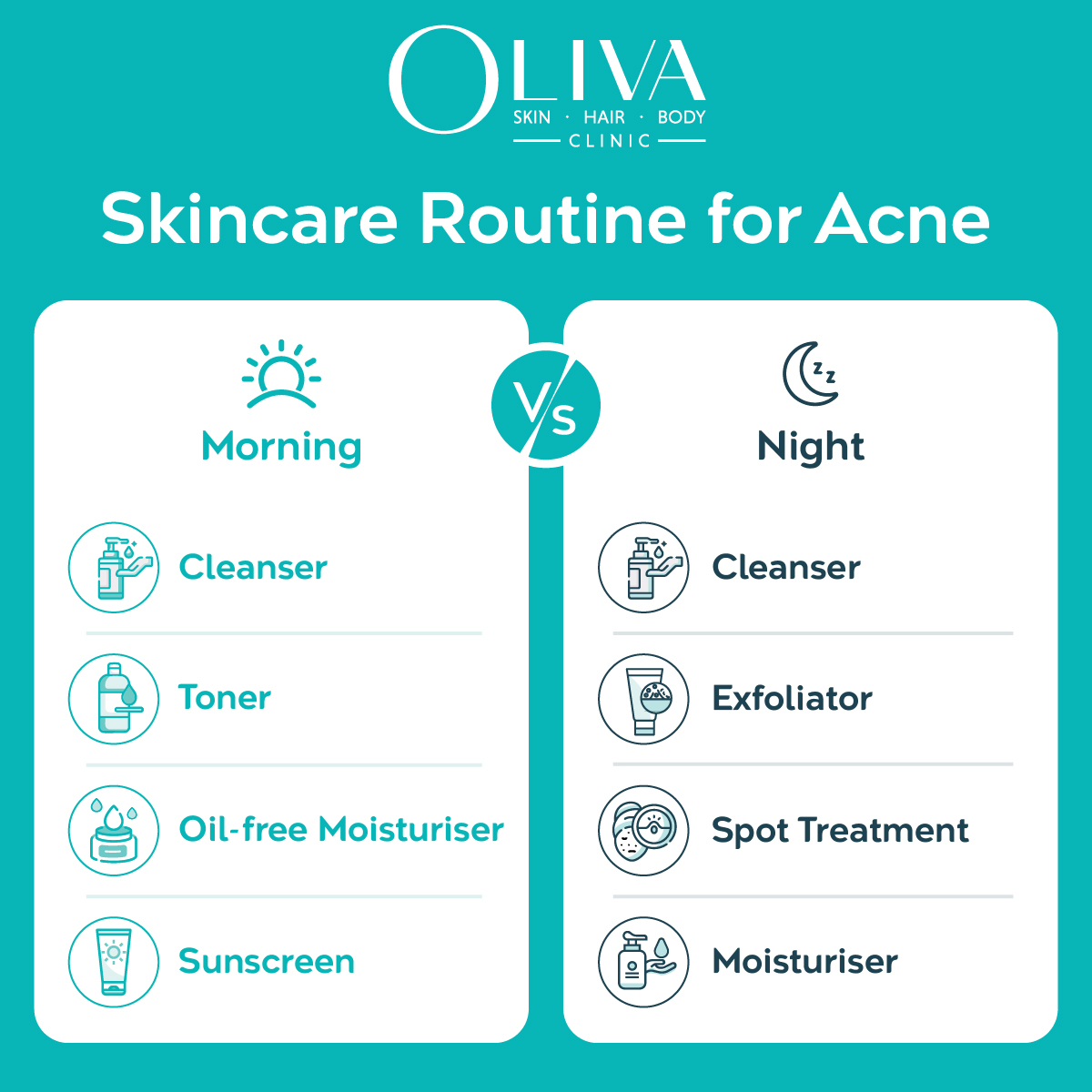
Evening exfoliation allows your skin to recover overnight without immediate sun exposure. It helps clear away dirt, oil, and impurities from the day, preparing your skin for nighttime treatments. Many people find exfoliating at night reduces irritation and redness.
Have you noticed your skin feels smoother or breaks out less when you exfoliate before bed? That’s because your skin repairs itself best while you sleep, making this time ideal for exfoliation.
Frequency Recommendations
- Dry or sensitive skin:Exfoliate 1-2 times a week to avoid irritation.
- Normal or combination skin:2-3 times a week works well for maintaining smoothness.
- Oily or acne-prone skin:You might exfoliate up to 3 times a week but avoid harsh scrubs.
Over-exfoliating can lead to redness, dryness, and damage. Listen to your skin’s signals and adjust frequency accordingly. Are you tempted to exfoliate daily? Resist the urge and give your skin time to heal.
Exfoliation And Skin Types
Exfoliation can dramatically improve your skin’s texture and appearance, but knowing how often and what type to use depends heavily on your skin type. Applying the wrong exfoliation method or frequency might cause irritation or worsen skin issues. Understanding your skin’s needs helps you choose the right approach and timing, making your skincare routine more effective and comfortable.
Sensitive Skin Tips
If your skin reacts quickly to new products or feels tight and red easily, gentle exfoliation is key. Opt for mild chemical exfoliants like lactic acid or enzyme-based scrubs instead of rough physical scrubs. Limit exfoliation to once a week to avoid aggravating your skin barrier.
Always do a patch test before adding a new exfoliant. If you notice increased redness or discomfort, pause and give your skin time to heal. Have you noticed certain ingredients that your skin loves or hates? Pay close attention to those signals.
Oily And Acne-prone Skin
Oily skin tends to build up dead cells and excess oil, which can clog pores and cause breakouts. Using exfoliants with salicylic acid can help clear pores and reduce inflammation. You might exfoliate 2-3 times a week, but avoid overdoing it as it can trigger more oil production.
Physical scrubs can be too harsh and cause microtears, so chemical exfoliants are usually better. Watch how your skin responds and adjust the frequency accordingly. Are you noticing fewer blackheads or breakouts after exfoliating?
Dry And Mature Skin
Dry skin needs gentle care to avoid stripping away natural oils. Choose exfoliants that hydrate while exfoliating, like those with glycolic acid combined with moisturizing ingredients. Exfoliate no more than twice a week to maintain smoothness without irritation.
Mature skin benefits from exfoliation to boost cell turnover, but patience is important. Too much exfoliation can cause redness and sensitivity. How does your skin feel after exfoliating—soft and refreshed or tight and uncomfortable?
Common Mistakes To Avoid
Exfoliating is a powerful step in your skincare routine, but it’s easy to get it wrong. Making mistakes here can lead to irritation, sensitivity, or even damage to your skin’s natural barrier. Understanding common pitfalls helps you exfoliate safely and effectively.
Over-exfoliating
Exfoliating too often can strip your skin of essential oils, leaving it dry and vulnerable. If you notice redness, flakiness, or increased sensitivity, you might be exfoliating too much. Try cutting back to once or twice a week and observe how your skin responds.
Ask yourself: Are you treating your skin gently or rushing to see quick results? Patience often wins when it comes to exfoliation.
Using Harsh Products
Not all exfoliants are created equal. Strong scrubs with large, rough particles can create microtears in your skin, causing irritation or inflammation. Chemical exfoliants with high acid concentrations can also be too aggressive if your skin is sensitive or if you use them without proper guidance.
Look for gentle formulas suited to your skin type, and always patch test new products. Your skin should feel refreshed, not raw or tight.
Ignoring Sunscreen
Exfoliation removes dead skin cells, revealing fresh, new skin underneath. This new layer is more sensitive to UV damage. Skipping sunscreen after exfoliating can increase your risk of sunburn and long-term damage.
Make sunscreen your non-negotiable next step after exfoliating. Have you checked whether your SPF protects you adequately throughout the day?

Credit: lucybee.com
Combining Exfoliation With Other Steps
Combining exfoliation with other steps in your skincare routine can boost its effectiveness and protect your skin. Timing matters because exfoliating at the wrong moment might irritate your skin or reduce the benefits of other products. Understanding where exfoliation fits helps you maintain a smooth, glowing complexion without causing damage.
After Cleansing
Exfoliate right after cleansing your face to remove dead skin cells and clear away impurities. Your skin is clean and ready to absorb exfoliating ingredients better at this point. Avoid exfoliating on dirty skin, as this can push dirt deeper into your pores and cause breakouts.
Before Moisturizing
Once you exfoliate, your skin becomes more receptive to hydration. Applying moisturizer immediately after exfoliation helps lock in moisture and soothe any potential dryness. Skipping moisturizer can leave your skin feeling tight or flaky, defeating the purpose of exfoliation.
Sun Protection Importance
Exfoliation can make your skin more sensitive to the sun’s rays. Always apply sunscreen after moisturizing to protect your skin from UV damage. Think about whether you exfoliated recently before heading outdoors — if yes, your skin needs extra care to avoid redness or sunburn.
Frequently Asked Questions
When Is The Best Time To Exfoliate Your Skin?
The best time to exfoliate is after cleansing your face. This removes dead skin cells and prepares skin for moisturizers. Avoid exfoliating right before sun exposure to prevent sensitivity. Typically, exfoliating 2-3 times a week is ideal for healthy skin renewal.
Should You Exfoliate Before Or After Moisturizing?
Exfoliate before moisturizing to clear dead skin cells. This allows moisturizers to penetrate deeper and work better. Moisturizing right after exfoliation helps soothe and hydrate your skin. Avoid exfoliating immediately after moisturizing to prevent clogging pores or irritation.
Can Exfoliating Daily Damage Your Skin?
Daily exfoliation can damage your skin by causing irritation and dryness. Skin needs time to regenerate and heal between exfoliations. For most skin types, exfoliating 2-3 times per week is sufficient. Always use gentle exfoliants suited to your skin type to avoid harm.
Is Exfoliating Necessary For All Skin Types?
Exfoliating benefits most skin types but frequency and method vary. Sensitive skin requires gentle exfoliation less often, about once a week. Oily or acne-prone skin may need more frequent exfoliation. Always choose exfoliants that suit your skin type to avoid damage.
Conclusion
Exfoliating at the right time helps keep your skin fresh and smooth. Avoid doing it too often to prevent irritation. Choose a time that fits your routine easily, like before moisturizing. Gentle exfoliation supports healthy skin without damage. Remember, consistency matters more than intensity.
Listen to your skin’s needs and adjust as you go. A simple, regular routine brings the best results. Clear, glowing skin starts with smart care. Keep it gentle, keep it steady. Your skin will thank you.
