
Are you wondering exactly when to put on sunscreen in your skincare routine? You might think it’s just another step, but timing can make all the difference in protecting your skin.
Applying sunscreen at the right moment not only shields you from harmful UV rays but also helps keep your skin healthy and glowing. Keep reading, and you’ll discover the simple yet powerful trick to make sunscreen work best for your skin every day.
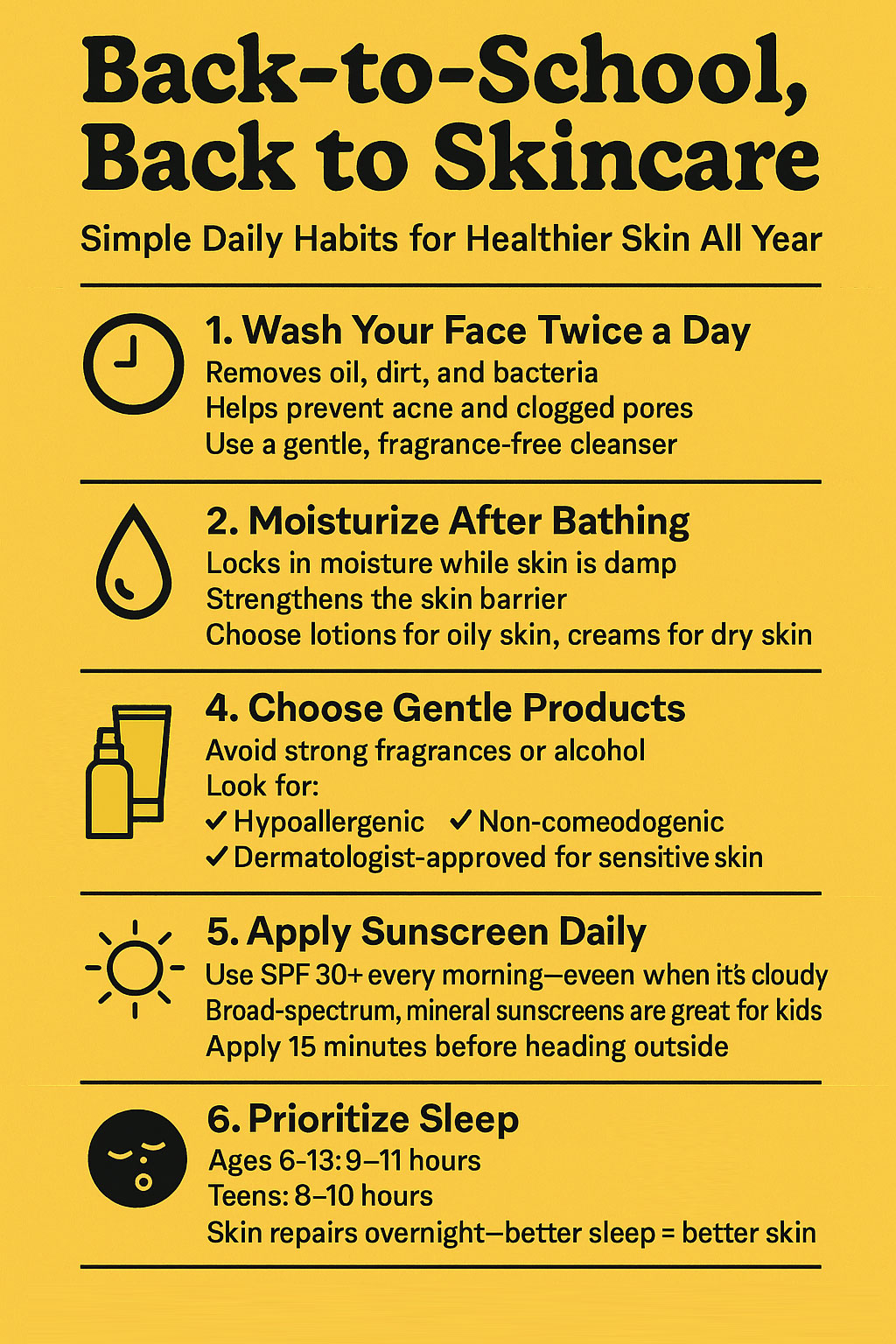
Credit: dermatologyofct.com
Why Timing Matters
Timing plays a crucial role in how effective your sunscreen is within your skincare routine. Applying it at the right moment ensures you get maximum protection against harmful UV rays. But why exactly does timing matter so much? Let’s break down the impact of timing on your skin’s defense.
Effects Of Sunscreen On Skin
Sunscreen forms a protective layer on your skin that blocks or absorbs UV radiation. This layer needs a few minutes to settle and bond with your skin properly. If you apply sunscreen too late, after sun exposure begins, your skin may already be damaged by UV rays.
Many people think they can just slap on sunscreen when stepping outside. But this habit reduces its effectiveness and increases the risk of sunburn. Applying sunscreen before you go outdoors gives it time to work as a shield.
How Timing Affects Protection
Applying sunscreen at least 15 to 30 minutes before going outside allows it to bind to your skin effectively. This waiting period is essential for chemical sunscreens, which need time to absorb UV rays. Physical sunscreens, which act as a barrier, also benefit from this time to spread evenly.
Reapplying sunscreen every two hours is another timing factor that impacts protection. You lose coverage due to sweat, water, or simply rubbing it off. Think about your daily activities and plan your application accordingly to stay protected.
Have you ever felt sunburned despite putting on sunscreen? Consider if you gave it enough time to settle before heading outdoors. Changing when you apply it might be the simple fix your skin needs.
Credit: www.lemon8-app.com
Ideal Time To Apply Sunscreen
Knowing the ideal time to apply sunscreen is key to protecting your skin. Sunscreen creates a shield against harmful UV rays. Applying it at the right moment makes it more effective. Timing affects how well sunscreen works on your skin. Follow these guidelines to get the best results.
Before Makeup Application
Apply sunscreen before starting your makeup routine. This helps protect your skin without mixing with makeup products. Sunscreen acts as a base layer. It prevents sun damage throughout the day. Use enough sunscreen to cover your face evenly.
After Moisturizer
Put sunscreen on after you apply moisturizer. Moisturizer hydrates your skin and prepares it. Sunscreen works best on clean, hydrated skin. Avoid mixing sunscreen with moisturizer for better protection. Let each product absorb properly for best effect.
Waiting Time For Absorption
Wait a few minutes before applying makeup or going outside. Sunscreen needs time to form a protective layer. Typically, 15 minutes is enough for absorption. This waiting time ensures sunscreen works fully. Don’t skip this step for better sun defense.
Daily Routine Variations
Understanding when to put on sunscreen in your skincare routine depends largely on your daily activities and the time you spend outdoors. Your routine might change depending on whether you are indoors all day, stepping out briefly, or engaging in outdoor sports. Adjusting your sunscreen application to match these variations ensures you get the right protection without feeling overloaded or sticky.
Morning Skincare Steps
Start your morning routine with cleansing and applying any treatment products like serums or moisturizers first. Sunscreen should be the final step before makeup or going outside. This order helps the sunscreen form a proper barrier on your skin without interference from other products.
Think about your morning routine: Do you rush out immediately or spend time indoors? If you stay inside, applying sunscreen after moisturizer is still important, especially near windows. UV rays can penetrate glass, so don’t skip it even if you’re not stepping outside right away.
Sunscreen For Outdoor Activities
If you plan to be outdoors, apply sunscreen at least 15 minutes before going out. This gives it time to bind to your skin and start working effectively. Activities like running, hiking, or beach days require a thicker or water-resistant sunscreen to keep you protected.
Consider your activity level and environment. Will you be sweating or swimming? Choose a sunscreen formulated for those conditions. If you’re only outside briefly, a lighter, everyday SPF might be enough, but always apply it generously.
Reapplication Guidelines
One common mistake is thinking that one application in the morning is enough. Sunscreen wears off after a few hours, especially if you sweat, swim, or wipe your face. Reapply every two hours or immediately after towel drying or heavy sweating.
Carrying a travel-size sunscreen can make reapplication easier when you’re out. Ask yourself: How often do you check or reapply your sunscreen during the day? Making it a habit can dramatically improve your skin’s defense against damage.
Types Of Sunscreens And Timing
Choosing the right sunscreen and applying it at the correct time can make a huge difference in protecting your skin. Sunscreens mainly come in two types: chemical and physical. Understanding these types and when to apply them helps you get the best defense against harmful UV rays.
Chemical Vs Physical Sunscreens
Chemical sunscreens absorb UV rays and convert them into heat, which then leaves the skin. They usually feel lighter and blend easily into your skin, making them a favorite for daily wear. However, some people with sensitive skin might experience irritation from certain chemical filters.
Physical sunscreens, on the other hand, sit on top of your skin and reflect UV rays like a shield. They often contain ingredients like zinc oxide or titanium dioxide. These are less likely to cause irritation and start working immediately after application, which can be handy if you’re in a rush.
Application Differences
Chemical sunscreens need about 15 to 20 minutes to absorb into your skin before they start working effectively. This means you should apply them before finishing your entire skincare routine or right after your moisturizer. Waiting allows the chemicals to settle and activate properly.
Physical sunscreens work instantly, so you can apply them as the final step in your skincare routine, just before heading out. If you use makeup, applying physical sunscreen last helps it act as a smooth base. Remember to apply enough — about a teaspoon for your face — to get full protection.
Have you noticed how some sunscreens leave a white cast or feel greasy? That often depends on the type and how you apply it. Trying different formulas and timing can help you find what fits your skin and lifestyle best.
Common Mistakes To Avoid
Many people think just slapping on sunscreen once is enough, but there are common mistakes that reduce its effectiveness. Knowing what to avoid can make a big difference in protecting your skin properly. These errors often happen without you realizing it, so let’s clear them up.
Applying Too Late
Sunscreen needs time to bind to your skin. Applying it right before you step outside won’t give it that chance. Aim to put it on at least 15 to 30 minutes before sun exposure to let it absorb fully.
I used to put sunscreen on after getting dressed, but noticed my skin still got sunburned. Once I started applying it right after my moisturizer, my skin stayed protected all day. Have you tried adjusting your timing?
Skipping Reapplication
Many skip reapplying sunscreen, thinking one application lasts all day. It doesn’t. Sweat, water, and even touching your face can wear it off. Reapply every two hours, especially if you’re outdoors or sweating.
- Set reminders on your phone to reapply.
- Keep a travel-size bottle handy.
- Remember, reapplication is the key to ongoing protection.
Using Insufficient Amount
Using too little sunscreen is a common mistake that reduces effectiveness. Most people apply only a fraction of the recommended amount. You need about one ounce (a shot glass full) to cover your entire body properly.
Don’t skimp on your face either—half a teaspoon should cover it well. If you’re unsure, try measuring once to get a feel for the right amount. Are you confident you’re using enough?

Credit: www.colorescience.com
Frequently Asked Questions
When Should Sunscreen Be Applied In Skincare Routine?
Sunscreen should be applied as the last step in your morning skincare routine. Apply it after moisturizer and before makeup. This ensures effective sun protection and helps maintain your skin’s health throughout the day.
Can I Apply Sunscreen Before Moisturizer?
No, sunscreen should be applied after moisturizer. Moisturizer hydrates your skin, and sunscreen creates a protective barrier. Applying sunscreen first can reduce its effectiveness and leave your skin unprotected from UV rays.
How Long Before Sun Exposure To Apply Sunscreen?
Apply sunscreen at least 15 minutes before sun exposure. This allows it to absorb properly and provide maximum protection. Reapply every two hours, or after swimming or sweating, to maintain effective sun defense.
Is Sunscreen Necessary On Cloudy Days?
Yes, sunscreen is necessary even on cloudy days. Up to 80% of UV rays can penetrate clouds, causing skin damage. Daily sunscreen use protects against premature aging and reduces skin cancer risk.
Conclusion
Applying sunscreen correctly is crucial in your skincare routine. Always use it after moisturizing. This ensures effective protection from the sun’s harmful rays. Apply it generously on all exposed skin areas. Don’t forget your neck and ears. Reapply every two hours when outdoors for best results.
Sunscreen helps prevent skin damage and premature aging. Make it a daily habit, even on cloudy days. Protecting your skin is a simple yet vital step. Your future self will thank you. Stay consistent and your skin will stay healthy.
Remember, sunscreen is your skin’s best friend.
