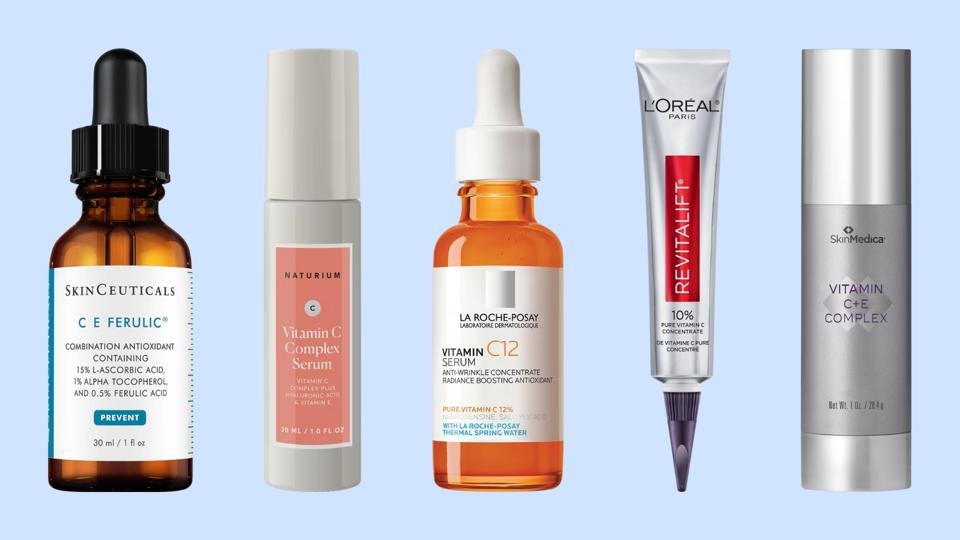
Ever wondered why your skin lacks that radiant glow despite your best efforts? You might be missing a key ingredient: Vitamin C. Imagine transforming your skincare routine with just one powerful addition.
Vitamin C isn’t just a buzzword in beauty; it’s a game-changer for your skin’s health and appearance. This potent antioxidant promises to brighten, hydrate, and rejuvenate your skin, making it look and feel younger. You deserve to know how this vitamin can bring out the best in your complexion.
Stick around to discover why Vitamin C could be your skin’s new best friend and how it can seamlessly fit into your daily routine.
Benefits For Skin Health
Vitamin C is a powerhouse ingredient for your skin. It offers multiple benefits that go beyond just brightening your complexion. Let’s look at how it actively improves your skin’s health and appearance.
Boosting Collagen Production
Collagen keeps your skin firm and youthful. Vitamin C plays a crucial role in producing collagen by helping to stabilize the collagen molecule. You might notice your skin feels plumper and looks smoother after consistent use of vitamin C products.
Have you ever wondered why your skin loses elasticity as you age? Lack of vitamin C can be a key reason.
Protecting Against Sun Damage
Vitamin C doesn’t replace sunscreen but acts as an excellent partner in protecting your skin from harmful UV rays. It neutralizes free radicals created by sun exposure, reducing the risk of sunburn and long-term damage.
Using vitamin C alongside SPF can significantly lower redness and inflammation caused by the sun. This combo might help you avoid premature wrinkles and sunspots.
Reducing Skin Pigmentation
Uneven skin tone and dark spots can be frustrating. Vitamin C inhibits melanin production, which helps fade hyperpigmentation and brightens your overall complexion.
If you struggle with sun spots or acne scars, vitamin C can provide noticeable improvements by evening out your skin tone over time.
Fighting Free Radicals
Free radicals damage skin cells and accelerate aging. Vitamin C is a powerful antioxidant that neutralizes these harmful molecules before they cause harm.
This protection helps maintain your skin’s health and prevents premature wrinkles and dullness. Think of vitamin C as a shield for your skin at the cellular level.
Enhancing Skin Hydration
Vitamin C supports your skin’s barrier, helping it retain moisture more effectively. Hydrated skin looks fresher, smoother, and more radiant.
If you’ve ever noticed dry patches or rough texture, vitamin C can improve skin hydration and texture, making your skin feel more comfortable throughout the day.
Types Of Vitamin C For Skin
Vitamin C is a powerhouse ingredient in skincare, but not all forms of it work the same way on your skin. Understanding the different types of Vitamin C can help you choose the best product for your skin’s needs. Each form has unique benefits and stability levels that affect how well it brightens, protects, and repairs your skin.
L-ascorbic Acid
L-Ascorbic Acid is the purest and most potent form of Vitamin C. It’s highly effective at brightening your skin and reducing signs of aging like fine lines and wrinkles. However, it can be unstable and may irritate sensitive skin if used in high concentrations.
If you have normal to oily skin and want quick results, L-Ascorbic Acid might be your go-to. Just remember to store it in a cool, dark place to keep it effective longer.
Sodium Ascorbyl Phosphate
This form of Vitamin C is water-soluble and much gentler than L-Ascorbic Acid. It’s great for sensitive or acne-prone skin because it helps reduce inflammation and kill acne-causing bacteria. Plus, it’s more stable, so it lasts longer in products.
Consider Sodium Ascorbyl Phosphate if your skin gets irritated easily but you still want the brightening and anti-aging benefits of Vitamin C.
Magnesium Ascorbyl Phosphate
Magnesium Ascorbyl Phosphate is known for its moisturizing properties along with brightening effects. It’s a stable and gentle Vitamin C derivative that works well for dry and sensitive skin types. This form also supports collagen production, helping your skin stay firm and smooth.
If you struggle with dryness but want to add Vitamin C to your routine, this might be the perfect balance for you.
Ascorbyl Glucoside
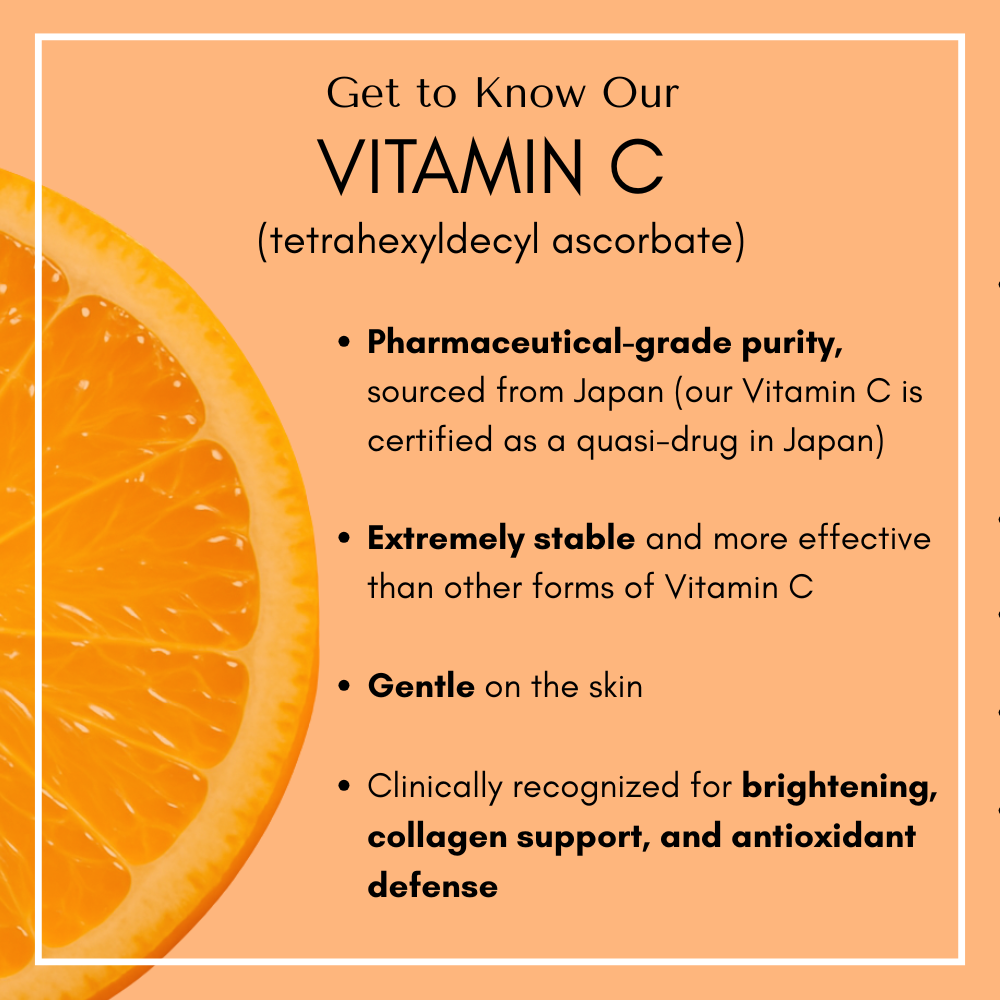
Ascorbyl Glucoside is a stable form of Vitamin C bound with glucose, making it less irritating and longer-lasting. It gradually releases Vitamin C into your skin, providing steady antioxidant protection and brightening effects. This form is often found in serums aimed at evening out skin tone and reducing dark spots.
Think about using Ascorbyl Glucoside if you want a gentle, effective Vitamin C product that fits well into your daily skincare routine without causing sensitivity.
Best Dietary Sources
Vitamin C plays a vital role in maintaining healthy, glowing skin. It supports collagen production, fights free radicals, and helps repair skin damage. Getting enough Vitamin C from your diet is a powerful way to boost your skin’s appearance naturally.
Citrus Fruits
Citrus fruits are well-known for their high Vitamin C content. Oranges, lemons, limes, and grapefruits provide a refreshing and easy way to add this nutrient to your meals.
I often start my day with a glass of freshly squeezed orange juice. It not only wakes me up but also gives my skin an antioxidant kick that lasts all day. Could a simple fruit juice be your skin’s secret weapon?
Berries
Berries like strawberries, blueberries, and raspberries pack a serious Vitamin C punch. They also contain antioxidants that work together to protect your skin from damage.
Try adding a handful of mixed berries to your breakfast or snacks. Their natural sweetness makes it easy to enjoy, and your skin will thank you for the boost.
Leafy Greens
Leafy greens such as spinach, kale, and Swiss chard are fantastic sources of Vitamin C. They also bring iron and other nutrients that help keep your skin healthy.
I love tossing kale into salads or smoothies to sneak in extra Vitamin C without even noticing. What’s your favorite way to eat greens?
Bell Peppers
Bell peppers, especially the red and yellow varieties, contain more Vitamin C per serving than many fruits. They add a crunchy texture and vibrant color to your meals.
Cutting raw bell peppers for a snack or adding them to your stir-fry can quickly boost your daily Vitamin C intake. Have you ever tried them stuffed or roasted?
Other Fruits And Vegetables
Don’t overlook other Vitamin C-rich options like kiwi, pineapple, broccoli, and Brussels sprouts. These foods offer diverse flavors and nutrients that benefit your skin.
Experimenting with different fruits and veggies keeps your diet exciting and nutrient-dense. Which new produce will you try to brighten your skin from within?

Credit: colormebeautiful.com
Vitamin C In Skincare Products
Vitamin C is a popular ingredient in many skincare products. It helps brighten the skin and protect it from damage. This vitamin supports collagen production, which keeps skin firm and smooth. Using Vitamin C in skincare can reduce dark spots and even out skin tone.
Serums
Vitamin C serums are lightweight and absorb quickly. They deliver a high concentration of Vitamin C directly to the skin. Serums usually come in small bottles with droppers for easy use. They work best when applied after cleansing and before moisturizing.
Creams And Lotions
Creams and lotions with Vitamin C offer hydration and nourishment. They have a thicker texture than serums. These products are good for dry or sensitive skin types. Creams combine Vitamin C with other moisturizing ingredients for added benefits.
Choosing The Right Concentration
Vitamin C concentrations range from 5% to 20%. Lower percentages suit sensitive skin and beginners. Higher concentrations target stubborn dark spots and wrinkles. Start with a lower strength to avoid irritation. Increase concentration gradually as skin builds tolerance.
Stability And Storage Tips
Vitamin C breaks down when exposed to light and air. Look for products in dark or opaque containers. Store Vitamin C skincare in a cool, dry place. Avoid keeping products near heat or sunlight. Use products within their shelf life to ensure effectiveness.
Daily Intake Recommendations
Vitamin C plays a vital role in keeping skin healthy and glowing. Knowing the right daily intake helps maximize its skin benefits. Both the amount and source of vitamin C matter for your skin’s health. Understanding these factors ensures safe and effective use.
Recommended Dosage For Skin Benefits
The daily vitamin C dose for skin health usually ranges from 65 to 90 milligrams. This amount supports collagen production and helps protect skin from damage. Higher doses up to 200 milligrams may enhance skin brightness and reduce wrinkles. Staying within these limits helps maintain skin vitality without risks.
Supplement Vs. Food Sources
Vitamin C comes from fruits, vegetables, and supplements. Natural food sources include:
- Oranges and citrus fruits
- Strawberries
- Kiwi
- Bell peppers
- Broccoli
Supplements offer a controlled dose and convenience. Foods provide other nutrients that boost skin health. A balanced diet with vitamin C-rich foods is ideal. Supplements can fill gaps but should not replace foods entirely.
Potential Side Effects Of Excess Intake
Too much vitamin C can cause side effects. Common issues include:
- Stomach cramps
- Diarrhea
- Nausea
- Kidney stones in rare cases
Staying below 2,000 milligrams daily reduces risk. Always monitor your intake to avoid negative effects.

Credit: vincebeauty.com
Credit: sundayriley.com
Frequently Asked Questions
What Form Of Vitamin C Is Best For Skin?
L-ascorbic acid is the most effective form for skin benefits. It penetrates deeply, brightens complexion, and boosts collagen production. Stable derivatives like magnesium ascorbyl phosphate are gentler for sensitive skin. Choose based on your skin type and product stability for optimal results.
How Does Vitamin C Improve Skin Health?
Vitamin C is a powerful antioxidant that protects skin from free radicals. It stimulates collagen synthesis, reducing wrinkles and fine lines. It also brightens skin tone and fades dark spots. Regular use promotes healthier, firmer, and more radiant skin over time.
Can Vitamin C Serum Help With Acne Scars?
Yes, Vitamin C serum can lighten acne scars by promoting skin regeneration. It reduces inflammation and supports collagen repair. Consistent use helps improve scar texture and skin brightness. However, combine it with other treatments for best scar reduction results.
When Should I Apply Vitamin C For Skincare?
Apply Vitamin C serum in the morning after cleansing and toning. It protects skin from daily environmental damage and UV exposure. Follow with moisturizer and sunscreen for maximum benefit. Avoid layering with strong acids to prevent irritation.
Conclusion
Vitamin C helps brighten and protect your skin daily. It supports collagen, making skin firm and smooth. Using the right type keeps your skin healthy. Consistent use can reduce dark spots and damage. Choose products with stable, pure Vitamin C for best results.
Remember, healthy skin needs care and patience too. Try adding Vitamin C to your routine today. Your skin will thank you with a natural glow. Simple steps lead to better skin over time.
