If you’re trying to get clearer, smoother skin, you’ve probably heard about retinol. But where exactly does retinol fit in your skincare routine?
Using it at the wrong time can reduce its benefits or even cause irritation. Knowing the right step to apply retinol can make a huge difference in how your skin looks and feels. You’ll discover the exact moment to use retinol for the best results—and how to make it work perfectly with your other products.
Keep reading to unlock the secret to glowing skin!
Credit: www.mecca.com
Retinol Basics
Retinol is a popular ingredient in many skincare routines. It supports skin health by encouraging cell renewal. This makes the skin look fresher and smoother. Many people use retinol to address signs of aging and acne. Understanding retinol basics helps you use it correctly for best results.
What Retinol Does
Retinol is a form of vitamin A. It helps speed up skin cell turnover. This means old cells shed faster and new cells grow. It can reduce fine lines, wrinkles, and dark spots. Retinol also helps unclog pores. This can lower breakouts and improve skin texture. Regular use can make skin appear brighter and more even.
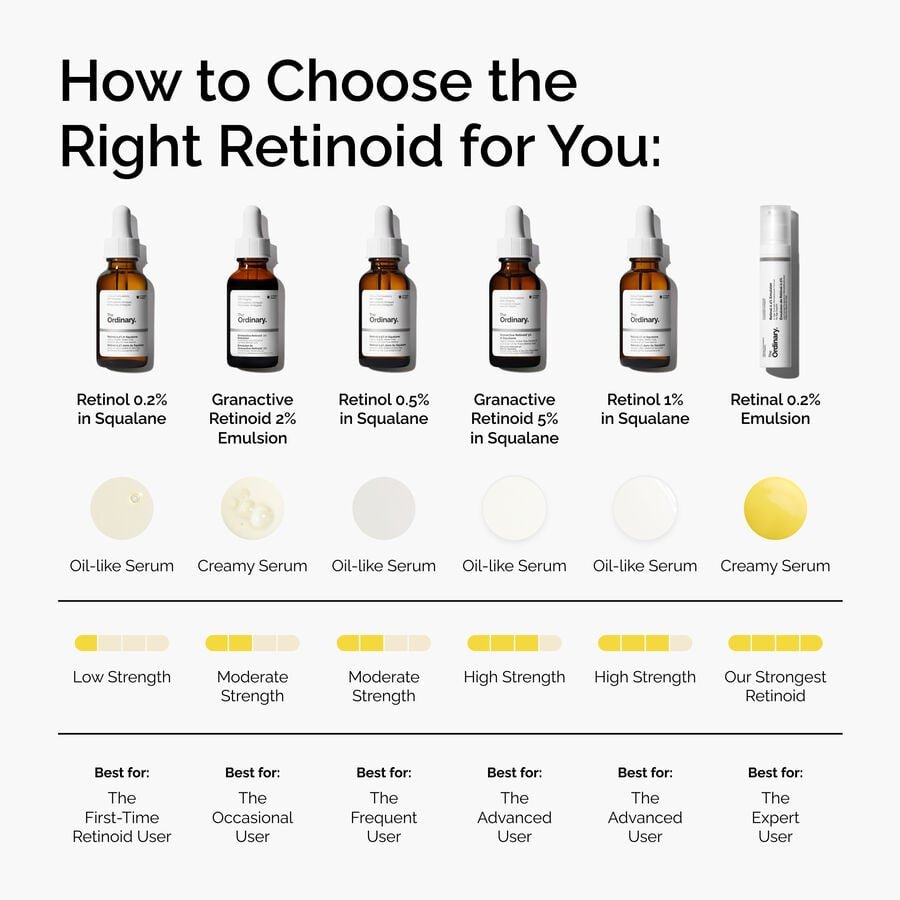
Types Of Retinol Products
Retinol comes in different forms and strengths. Some are mild and good for beginners. Others are stronger and suit experienced users. Common types include:
- Serums: Lightweight and absorb quickly.
- Creams: Thicker and more moisturizing.
- Oils: Nourishing and gentle for dry skin.
- Lotions: Balanced moisture and texture.
Each type fits different skin needs. Choose based on your skin type and goals.
When To Apply Retinol
Knowing when to apply retinol in your skincare routine can make a big difference in how well it works and how your skin reacts. Timing affects both the effectiveness and the potential for irritation. Let’s break down the best moments to add retinol to your regimen so you get the most benefit without unnecessary side effects.
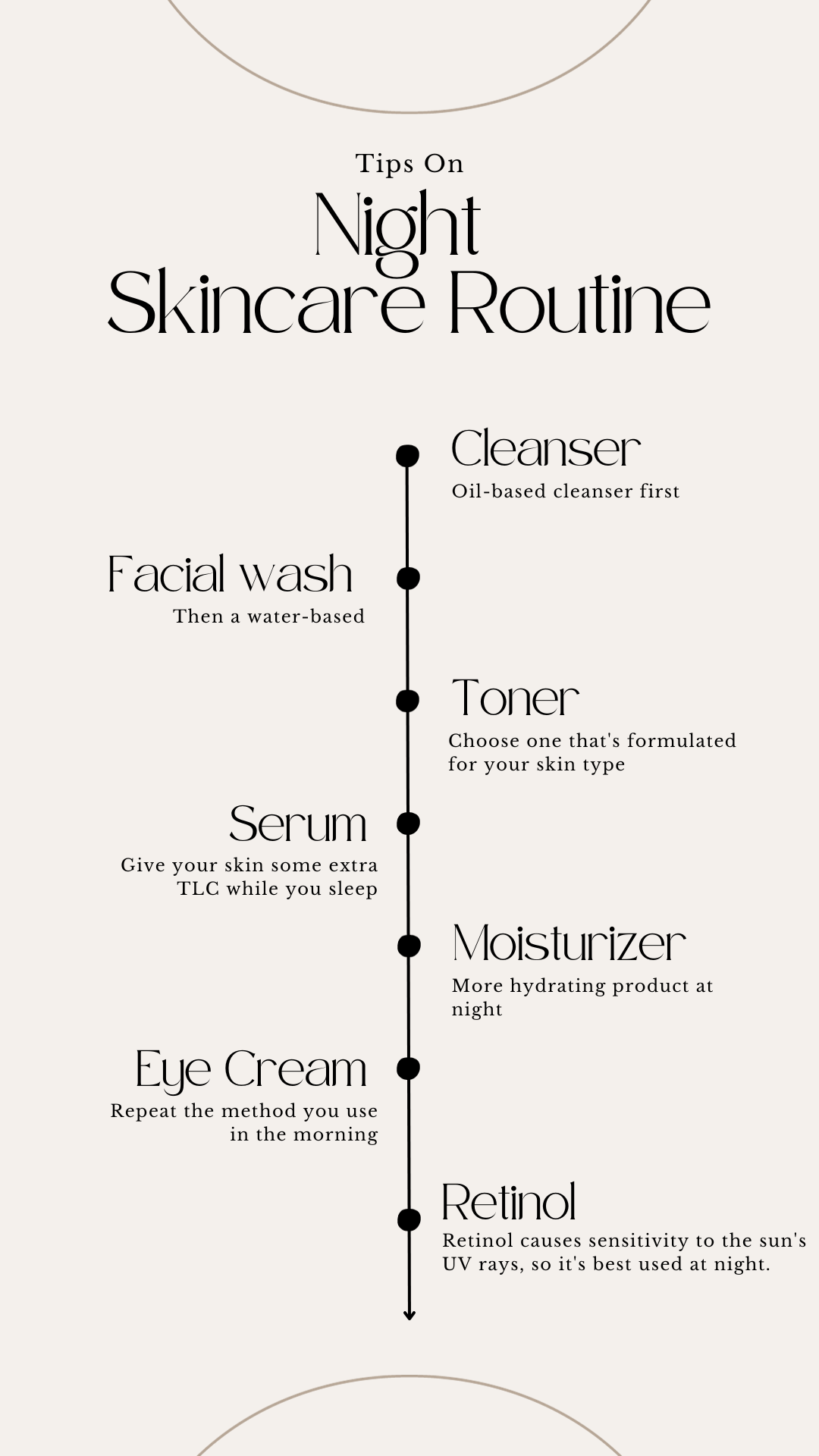
Position In Night Routine
Retinol is best applied at night because sunlight can break down its effectiveness and increase skin sensitivity. After cleansing and toning, wait for your skin to dry completely before adding retinol. Applying it on damp skin can cause irritation.
Follow retinol with a moisturizer to lock in hydration and reduce dryness. Think of retinol as the active ingredient that works hard while you sleep, so giving it a clean, dry canvas helps it perform better. Have you noticed your skin feeling flaky after using retinol? Applying moisturizer right after can help prevent that.
Daytime Use Considerations
Most experts recommend avoiding retinol during the day due to its sensitivity to sunlight. If you do choose to use retinol in the morning, it’s critical to apply a broad-spectrum sunscreen afterward. Without sunscreen, your skin is vulnerable to damage and irritation.
Some newer retinol formulations are designed for daytime use, but always check the product instructions. If you experience redness or peeling, switch to nighttime application. Have you ever skipped sunscreen after retinol? Watch how your skin reacts and adjust accordingly.
Layering Retinol With Other Products
Layering retinol with other skincare products requires careful order and choice. Proper layering boosts retinol’s effectiveness and reduces skin irritation. Understanding which products to use before and after retinol can improve your skin’s health and glow.
Cleansers And Toners
Start with a gentle cleanser to remove dirt and oil. This prepares your skin to absorb retinol better. Use alcohol-free toners to balance your skin’s pH. Avoid strong exfoliating toners on retinol nights to prevent irritation. Clean skin lets retinol work deeper and more evenly.
Serums And Moisturizers
Apply retinol on dry skin for best results. Use serums with simple ingredients before retinol, avoiding acids or vitamin C. After retinol, apply a moisturizer to soothe and hydrate skin. Moisturizers reduce peeling and dryness caused by retinol. Layer lightweight products first, then heavier creams last.
Sunscreen Importance
Retinol makes skin more sensitive to sunlight. Always apply sunscreen as the final step in the morning routine. Use broad-spectrum sunscreen with at least SPF 30. Sunscreen protects skin from UV damage and prevents dark spots. Wearing sunscreen supports retinol’s benefits and keeps skin safe.
Tips To Maximize Retinol Benefits
Getting the most out of retinol depends on how you use it in your skincare routine. Small changes in frequency, amount, and how you handle your skin’s reaction can make a big difference. Let’s dive into some practical tips that help you enjoy retinol’s benefits without unnecessary irritation or setbacks.
Frequency And Amount
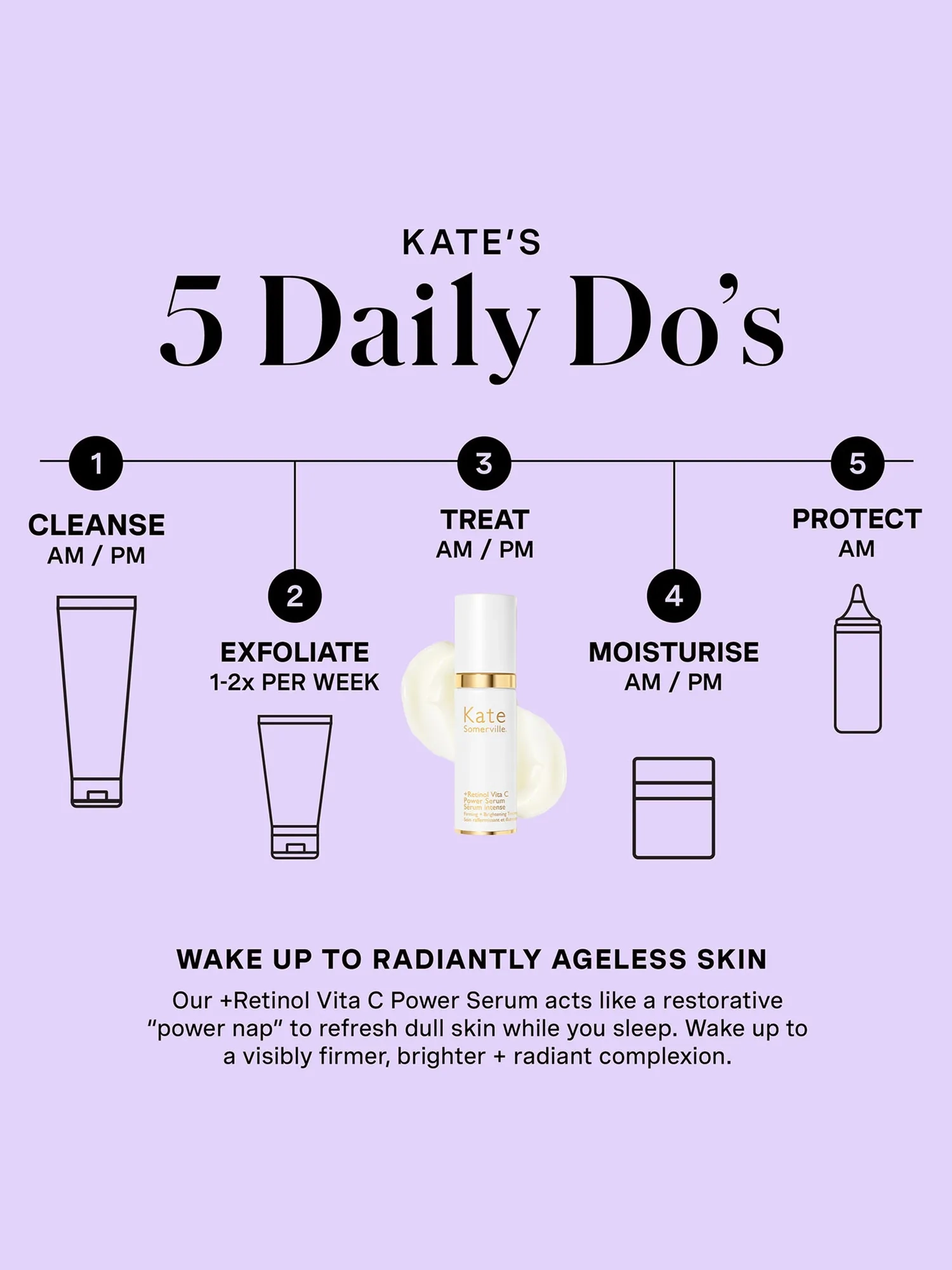
Start slow. Using retinol every night might sound ideal, but your skin needs time to adjust. Try applying it just 2-3 times a week at first.
Use a pea-sized amount for your entire face. More doesn’t mean better results; it often leads to irritation. Think of retinol as a powerful tool—you need just enough to do the job effectively.
Avoiding Irritation
Retinol can be harsh, especially if your skin is dry or sensitive. Applying it on damp skin or with other strong actives like exfoliants can increase irritation.
Moisturize before or after applying retinol to create a protective barrier. This simple step can reduce redness and peeling, making your routine more comfortable.
Ask yourself: Are you noticing redness or flaking? If yes, pause retinol use for a few days and focus on hydration.
Building Tolerance
Your skin needs time to get used to retinol. Increase the frequency gradually based on how your skin reacts, moving from a few times a week to every other night, then nightly.
Patience pays off. Even if results feel slow, consistent use helps your skin build tolerance and maximizes benefits.
Consider tracking your progress. Have you noticed less irritation this week compared to last? This simple check-in helps you adjust your routine wisely.
Common Mistakes With Retinol
Retinol is a powerful skincare ingredient, but it’s easy to misuse it without realizing the risks. Many people jump into using retinol without fully understanding how it fits into their routine or how to handle it properly. This often leads to irritation, breakouts, or even damage to the skin barrier.
Let’s look at some common mistakes you might be making and how to avoid them. Knowing these can save you from frustrating setbacks and help you enjoy the full benefits of retinol.
Overuse Risks
Using retinol more often than your skin can handle is a frequent mistake. Some think more is better and apply it every night right away. This can cause redness, peeling, and increased sensitivity.
Start slow—maybe twice a week—and watch how your skin reacts. If irritation appears, give your skin a break or reduce frequency. Have you noticed your skin flaking or feeling tight? That’s a clear sign to ease up.
Mixing With Incompatible Ingredients
Retinol doesn’t play well with every product. Combining it with exfoliating acids like AHAs or BHAs can overwhelm your skin, leading to irritation or damage. Using retinol alongside vitamin C or benzoyl peroxide can also reduce its effectiveness or cause sensitivity.
Check your other skincare products and think twice before layering. Sometimes, less is more. Are you layering multiple actives at once without considering how they interact? Your skin might be telling you to simplify.
Credit: medium.com

Credit: theformularx.com
Frequently Asked Questions
What Step Is Retinol In A Skincare Routine?
Retinol is typically applied after cleansing and toning but before moisturizing. It is best used at night to enhance skin renewal and reduce irritation.
Can Retinol Be Used Before Or After Moisturizer?
Retinol should be applied before moisturizer to allow proper absorption. Moisturizer helps to reduce potential dryness caused by retinol.
Should Retinol Be Used With Other Active Ingredients?
Avoid combining retinol with strong acids or vitamin C simultaneously. Use them at different times to prevent irritation and maximize benefits.
How Often Should Retinol Be Applied In Skincare?
Start using retinol 2-3 times a week and gradually increase to daily use. This helps your skin adjust and minimizes sensitivity.
Conclusion
Retinol fits best after cleansing and toning your skin. Apply it before moisturizers to get the most benefits. Start slowly to avoid irritation and let your skin adjust. Use sunscreen during the day, as retinol can make skin sensitive. Knowing the right step helps your skin stay healthy and glowing.
Keep your routine simple and consistent for the best results. Easy steps lead to better skin over time.
