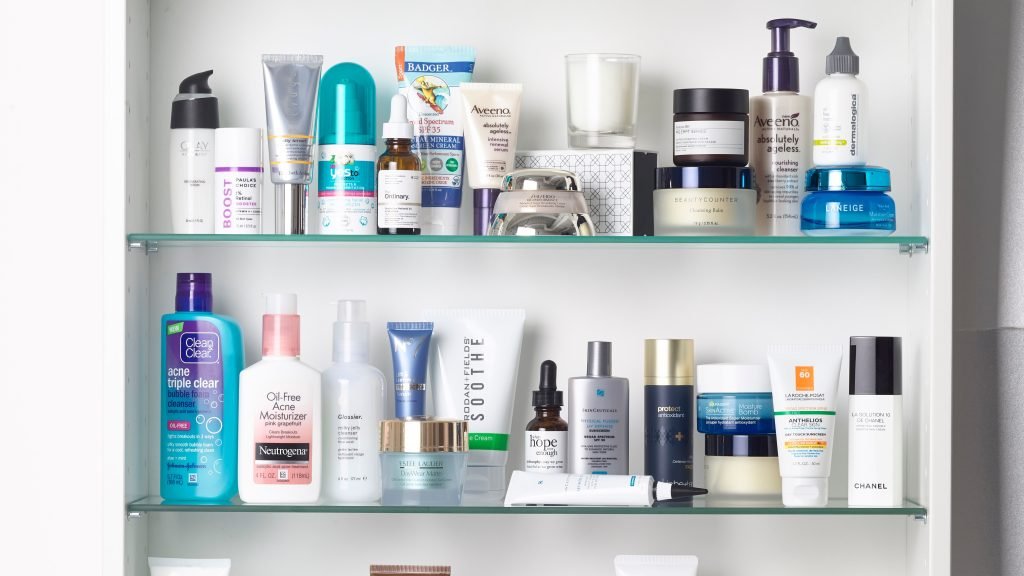
Ever find yourself lost in the skincare aisle, overwhelmed by countless products and promises? You’re not alone.
With so many options, how do you know what’s right for your skin? The answer could be simpler than you think. Imagine a quick and easy quiz that guides you to the perfect skincare routine tailored just for you. It’s like having a personal skincare expert at your fingertips! Curious to discover the ideal steps for glowing, healthy skin?
Keep reading to unlock the secrets to a flawless complexion that fits your lifestyle perfectly.
Identify Your Skin Type
Knowing your skin type is the first step to building a good skincare routine. It helps you pick the right products and avoid problems. Skin types differ in oiliness, dryness, and sensitivity. Here are signs to help you identify your skin type quickly and easily.
Dry Skin Signs
- Skin feels tight or rough after washing
- Flaky or scaly patches appear
- Dull or uneven skin tone
- Fine lines look more visible
- Itchiness or irritation happens often
Oily Skin Clues
- Face looks shiny, especially in the T-zone
- Pores look large and visible
- Frequent acne or blackheads
- Makeup fades quickly or slides off
- Skin feels greasy to the touch
Combination Skin Traits
- T-zone (forehead, nose, chin) feels oily
- Cheeks feel normal or dry
- Occasional breakouts in oily areas
- Skin texture varies across the face
- Pores are small on cheeks, larger on T-zone
Sensitive Skin Indicators
- Redness or blotchy patches appear easily
- Skin burns or stings after product use
- Itchiness or dryness is common
- Reacts to weather changes or stress
- Thin or delicate skin texture
Credit: outgrowco.medium.com
Assess Your Skin Concerns
Understanding your skin concerns is the first step to building a skincare routine that truly works for you. Knowing exactly what issues you want to address helps you choose the right products and avoid wasting time and money on ineffective treatments. Take a moment to reflect on what your skin needs the most, and let’s break down some common concerns.
Acne And Blemishes
Are breakouts a frequent problem for you? Acne and blemishes often result from clogged pores, excess oil, or bacteria. Look for products containing salicylic acid or benzoyl peroxide to help clear up spots and prevent new ones from forming.
Consider how your skin reacts to different ingredients—some people find that harsh treatments cause more irritation. Have you noticed if certain foods or stress levels make your acne worse? Keeping a skin diary might reveal useful patterns.
Fine Lines And Wrinkles
Fine lines and wrinkles appear as skin loses collagen and elasticity over time. If you want to target these signs of aging, focus on ingredients like retinol and peptides, which can help boost skin renewal and firmness.
Don’t forget the importance of daily sunscreen use—UV damage accelerates wrinkle formation. Ask yourself if your current routine includes enough hydration; dry skin can make wrinkles look more pronounced.
Hyperpigmentation
Dark spots and uneven skin tone can be frustrating. Hyperpigmentation often happens due to sun exposure, acne scars, or hormonal changes. Brightening ingredients like vitamin C, niacinamide, and alpha arbutin can reduce these marks over time.
Have you tried exfoliating regularly? Gentle exfoliation helps fade pigmented areas by removing dead skin cells and encouraging new cell growth. Remember, consistency is key when dealing with discoloration.
Redness And Irritation
If your skin feels sensitive, itchy, or looks red, calming and soothing products are essential. Ingredients such as aloe vera, chamomile, and ceramides help restore the skin barrier and reduce inflammation.
Think about your environment and lifestyle—are you exposed to harsh weather, pollution, or strong skincare products? Eliminating irritants might be just as important as adding calming treatments.
Choose Key Skincare Products
Choosing the right skincare products can feel overwhelming, especially with so many options available. But focusing on a few key items tailored to your skin type and concerns makes a big difference. Here’s a simple guide to help you pick essential products that build a strong foundation for your routine.
Cleansers For Every Skin Type
Your cleanser sets the tone for your entire skincare routine. If you have oily skin, look for foaming or gel cleansers that remove excess oil without drying out your skin. Dry skin benefits from creamy, hydrating cleansers that maintain moisture.
Combination skin needs a balanced cleanser that cleans well but doesn’t strip. Sensitive skin requires gentle, fragrance-free options to avoid irritation. Have you noticed how your skin reacts after cleansing? That’s a great clue to what type you really have.
Moisturizers That Work
Moisturizers keep your skin hydrated and protected. For dry skin, choose rich creams with ingredients like ceramides and hyaluronic acid. If your skin is oily, lightweight, oil-free lotions or gels work best without clogging pores.
Normal skin can handle most moisturizers but look for one that maintains balance. Sensitive skin often benefits from soothing ingredients such as aloe vera or oatmeal. When was the last time you changed your moisturizer based on how your skin feels in different seasons?
Serums And Treatments
Serums deliver powerful ingredients directly where your skin needs them most. Vitamin C serums brighten dull skin and fight free radicals. If acne is your concern, look for serums containing salicylic acid or niacinamide.
For aging skin, retinol or peptides can improve texture and reduce fine lines. Don’t overload your skin—introduce treatments one at a time to see how your skin responds. What’s one skin issue you wish you could fix with a serum?
Sunscreen Essentials
Sunscreen is non-negotiable for healthy skin. Choose a broad-spectrum sunscreen with at least SPF 30 to protect against UVA and UVB rays. If you have oily or acne-prone skin, try a mattifying or gel-based formula.
Dry skin types often prefer moisturizing sunscreens with added hydration. Remember, applying sunscreen every day, rain or shine, is your best defense against premature aging and skin damage. How consistent are you with your sunscreen application right now?
Build Your Daily Routine
Building a daily skincare routine tailored to your unique skin needs can feel overwhelming at first. But breaking it down into manageable parts makes it easier to stick with. Let’s look at how you can organize your morning, evening, and weekly treatments for the best results.
Morning Steps
Start your day by waking up your skin gently. Use a mild cleanser that suits your skin type to remove any overnight oils or sweat.
- Apply a toner if your skin feels dry or needs balancing.
- Follow with a lightweight moisturizer to keep your skin hydrated throughout the day.
- Don’t forget sunscreen — it’s the single most important step to protect your skin from damage.
Have you ever skipped sunscreen and noticed your skin looking dull or uneven afterward? That’s a clear sign of its importance.
Evening Steps
Evening routines focus on cleansing and repairing your skin after a day of exposure. A gentle cleanser removes makeup, dirt, and pollutants.
- Use a serum with active ingredients like vitamin C or retinol depending on your skin goals.
- Apply a richer moisturizer or night cream to nourish your skin while you sleep.
- If you wear eye makeup, use a separate eye makeup remover to avoid irritation.
Think about how your skin feels in the morning after a good night’s care — it’s often softer and more refreshed. What products have you noticed make the biggest difference overnight?
Weekly Treatments
Weekly treatments give your skin extra attention and help address specific concerns. Choose exfoliators or masks based on your skin type.
- Use a gentle exfoliant once or twice a week to remove dead skin cells and brighten your complexion.
- Apply hydrating or detoxifying masks to boost moisture or clear out pores.
- Consider spot treatments for breakouts or dark spots if needed.
How does your skin react when you skip these weekly steps? Often, you’ll notice increased dryness or congestion that signals your skin’s need for that extra care.
Tips For Glowing Skin
Getting that radiant glow isn’t just about the products you use—it’s about the habits you build daily. Small changes in how you care for your skin can make a big difference. Let’s dive into some practical tips that can help your skin shine naturally.
Hydration Habits
Water is your skin’s best friend. Drinking enough water each day helps flush out toxins and keeps your skin plump and smooth.
But don’t stop at drinking water—think about moisturizing too. Applying a good moisturizer locks in hydration and protects your skin barrier.
Have you noticed your skin feels tight or flaky? That’s a clear sign you need to boost both your internal and external hydration.
Diet And Lifestyle
Your skin reflects what you eat and how you live. Foods rich in antioxidants, like berries and leafy greens, fight skin damage and promote healing.
Also, consider healthy fats such as those from avocados and nuts—they help maintain your skin’s elasticity.
Are you getting enough sleep and managing stress? Poor sleep and high stress often show up as dullness or breakouts, so try to create a calming bedtime routine.
Avoiding Common Mistakes
Over-exfoliating can strip your skin’s natural oils and cause irritation. Limit exfoliation to 1-2 times a week based on your skin type.
Using harsh soaps or skipping sunscreen can also harm your skin’s glow. Always choose gentle cleansers and never skip SPF, even on cloudy days.
Have you ever picked at your skin when it’s irritated? This habit can lead to scarring and uneven texture. Instead, treat your skin with kindness and patience.
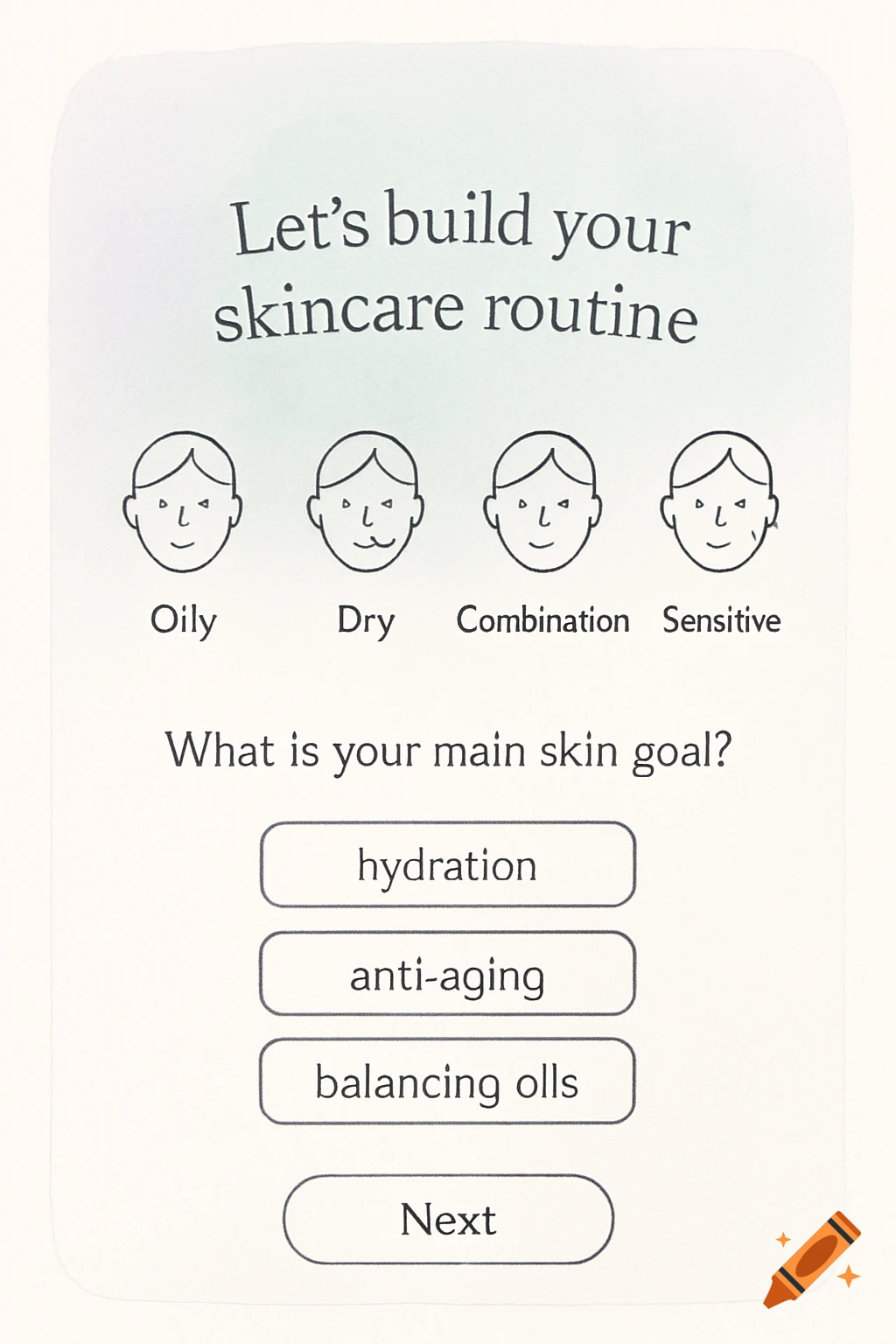
Credit: www.craiyon.com
When To Consult A Professional
Knowing when to seek professional advice is key to maintaining healthy skin. Sometimes, even the best skincare routines and quizzes can’t pinpoint the exact cause of your skin concerns. Understanding the signs that call for expert help can save you time, discomfort, and frustration.
Persistent Skin Issues
If your skin problems don’t improve after weeks of trying new products or following a recommended routine, it’s time to talk to a professional. Persistent acne, redness, or dryness might indicate underlying conditions that need medical attention.
Think about your own experience: Have you ever struggled with a breakout that just wouldn’t go away? That’s a clear signal that your skin needs more than over-the-counter solutions.
Allergic Reactions
Sudden itching, swelling, or hives after using a product should never be ignored. These symptoms might point to an allergy or sensitivity that requires immediate evaluation.
Don’t risk worsening your skin by guessing which ingredient caused the reaction. A dermatologist can run tests to identify the irritant and recommend safer alternatives tailored to your skin.
Customized Treatments
Sometimes, cookie-cutter skincare routines don’t work because your skin is unique. Professionals can design treatments based on your specific needs, lifestyle, and skin type.
For example, if you have a combination of oily and dry areas or suffer from conditions like eczema or rosacea, a customized plan can make a significant difference in results.

Credit: www.makeup.com
Frequently Asked Questions
What Is The Best Skincare Routine Quiz For Beginners?
A skincare routine quiz for beginners helps identify your skin type. It recommends suitable products and steps. This quiz simplifies your skincare choices. It ensures you use the right cleansers, moisturizers, and treatments. Starting with a quiz boosts your routine’s effectiveness.
How Can A Quiz Personalize My Skincare Routine?
A quiz assesses your skin concerns, type, and goals. It tailors product recommendations to your unique needs. Personalization improves results and prevents skin issues. The quiz adapts as your skin changes over time. This creates a dynamic, effective skincare routine just for you.
Why Should I Take A Skincare Routine Quiz Regularly?
Your skin changes due to seasons, age, and lifestyle. Regular quizzes update your routine to match these changes. This prevents irritation and enhances skin health. It helps track progress and adjust products timely. Consistent quizzes keep your skincare effective and relevant.
Can A Skincare Quiz Help With Specific Skin Issues?
Yes, quizzes identify issues like acne, dryness, or sensitivity. They recommend targeted treatments and ingredients. This focused approach improves problem areas faster. It avoids using products that may worsen your skin. Quizzes guide you to clear, healthy skin efficiently.
Conclusion
Finding the right skincare routine can feel confusing. This quiz helps you know what suits your skin best. Simple steps make your skin healthy and fresh. Stick to what works and be patient with results. Small changes create big improvements over time.
Keep your skin care easy and consistent every day. Enjoy the process and watch your skin glow naturally.
