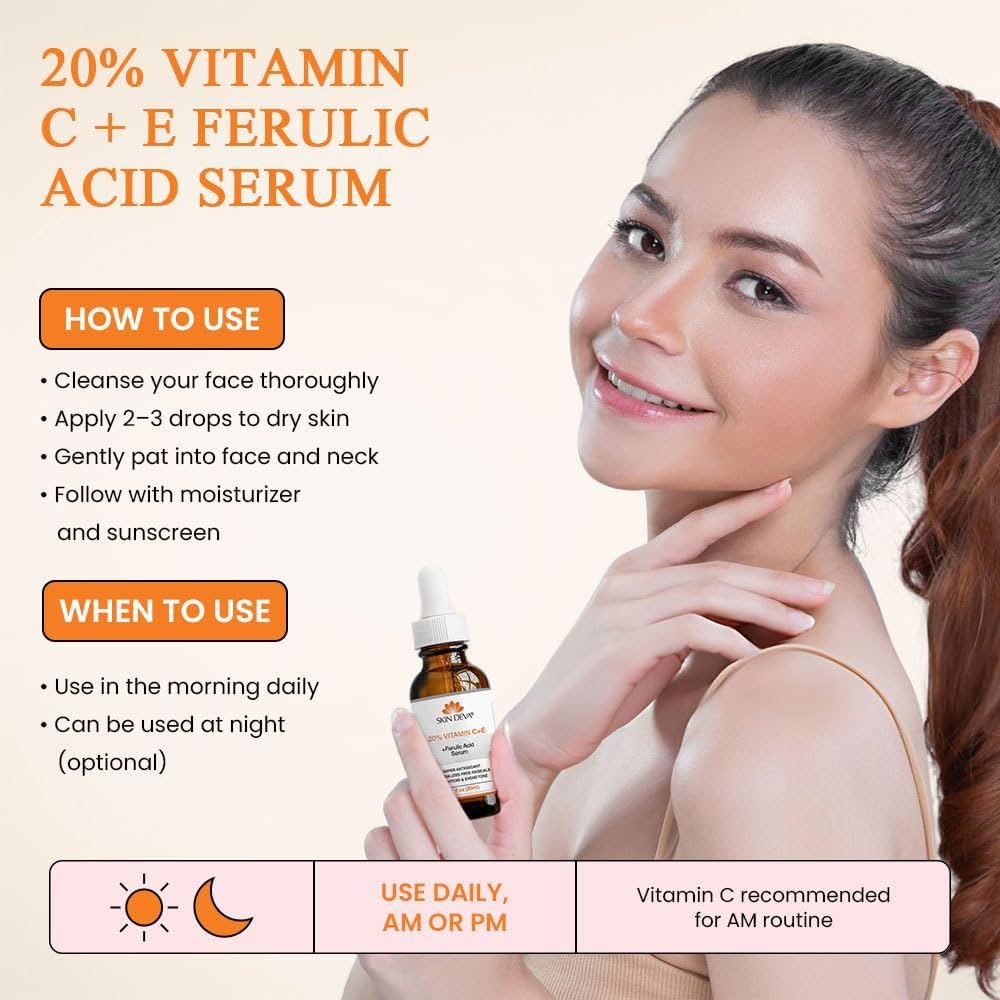
Are you looking for a simple way to brighten your skin and fight signs of aging? Vitamin C serum might be just what your skincare routine needs.
This powerful ingredient does more than you might expect—it can help reduce wrinkles, even out your skin tone, and protect your skin from daily damage. Curious how it works and why so many people swear by it? Keep reading to discover exactly what vitamin C serum does for your skin and how it can give you a healthier, glowing complexion.
Benefits Of Vitamin C Serum
Vitamin C serum offers several powerful benefits that directly impact the health and appearance of your skin. Adding this serum to your daily routine can help you achieve a more youthful, radiant complexion. Understanding these benefits can help you decide how and why to use it effectively.
Boosts Collagen Production
Vitamin C plays a key role in collagen synthesis, the protein that keeps your skin firm and elastic. Using a serum rich in Vitamin C can help reduce fine lines and wrinkles by supporting your skin’s natural ability to produce collagen. Have you noticed your skin feeling less tight or showing early signs of aging? This boost might be exactly what your routine needs.
Fights Free Radicals
Free radicals from pollution and UV rays damage your skin cells and speed up aging. Vitamin C is an antioxidant that neutralizes these harmful molecules. Protecting your skin this way can prevent dullness and maintain a fresh, healthy look even after a long day outside.
Brightens Skin Tone
If your skin looks tired or uneven, Vitamin C serum can help brighten it by reducing dullness and enhancing radiance. It works by promoting a more uniform complexion, making your skin appear more vibrant and awake. Isn’t glowing skin something we all want to wake up to?
Reduces Hyperpigmentation
Dark spots and patches can be frustrating, especially when they affect your confidence. Vitamin C helps lighten hyperpigmentation by inhibiting melanin production, leading to a clearer, more even skin tone over time. Consistent use might surprise you with how much your skin can improve.
:max_bytes(150000):strip_icc()/ins-vitamin-c-serums-tout-update-d62c5fd76d774d20bf61277365b9c38d.jpg)
Credit: www.instyle.com
How Vitamin C Serum Works
Vitamin C serum is a skincare powerhouse, but understanding how it works can help you get the best results. This serum doesn’t just sit on your skin—it actively interacts at the cellular level. Let’s break down the key ways vitamin C serum benefits your skin and why it deserves a spot in your routine.
Antioxidant Properties
Vitamin C acts as a strong antioxidant that fights free radicals. These unstable molecules come from sun exposure, pollution, and stress, damaging your skin’s cells. By neutralizing free radicals, vitamin C helps reduce signs of aging like wrinkles and dullness.
Think about your skin after a day outdoors without protection—it often feels tired and looks worn. Applying vitamin C serum can repair some of that damage and keep your skin looking fresh and vibrant.
Skin Absorption And Delivery
Not all vitamin C products are created equal. The effectiveness depends on how well your skin absorbs the vitamin C. Serums are typically formulated with a stable form of vitamin C, like L-ascorbic acid, which penetrates deeper layers of the skin.
When you apply the serum, it quickly gets absorbed, delivering vitamin C directly to the cells that need it most. This fast absorption means you can see improvements in skin texture and brightness in just a few weeks.
Interaction With Other Skincare Ingredients
Vitamin C doesn’t work alone; it plays well with certain skincare ingredients but can clash with others. It pairs wonderfully with vitamin E and ferulic acid, which boost its antioxidant effects and stability.
However, combining vitamin C with some acids or retinoids can cause irritation or reduce effectiveness. Have you noticed redness or stinging after layering products? It might be time to adjust your routine for better harmony.
Understanding these interactions helps you build a skincare routine that maximizes vitamin C serum’s benefits without unwanted side effects.
Choosing The Right Vitamin C Serum
Choosing the right vitamin C serum is key to improving your skin effectively. Not every serum works the same for all skin types or concerns. Understanding the differences in formulations, concentration levels, and packaging helps you pick a serum that suits your needs. This guide breaks down these important factors to help you make a smart choice.
Types Of Vitamin C Formulations
Vitamin C serums come in several forms, each with unique features and benefits. The most common types include:
- L-ascorbic acid: The purest and most studied form. It is powerful but can irritate sensitive skin.
- Sodium ascorbyl phosphate: Gentler and more stable, good for sensitive or dry skin.
- Tetrahexyldecyl ascorbate: Oil-soluble and penetrates deep into the skin, ideal for dry skin types.
- Magnesium ascorbyl phosphate: Hydrating and less irritating, suitable for all skin types.
Choosing the right formulation depends on your skin type and sensitivity.
Concentration Levels To Consider
Vitamin C serums vary in concentration, usually from 5% to 20%. Lower concentrations suit beginners or sensitive skin. Higher levels offer stronger effects but may cause irritation.
Start with 10% to see how your skin reacts. Increase concentration gradually if your skin tolerates it well. Avoid very high concentrations if your skin is prone to redness or dryness.
Packaging And Storage Tips
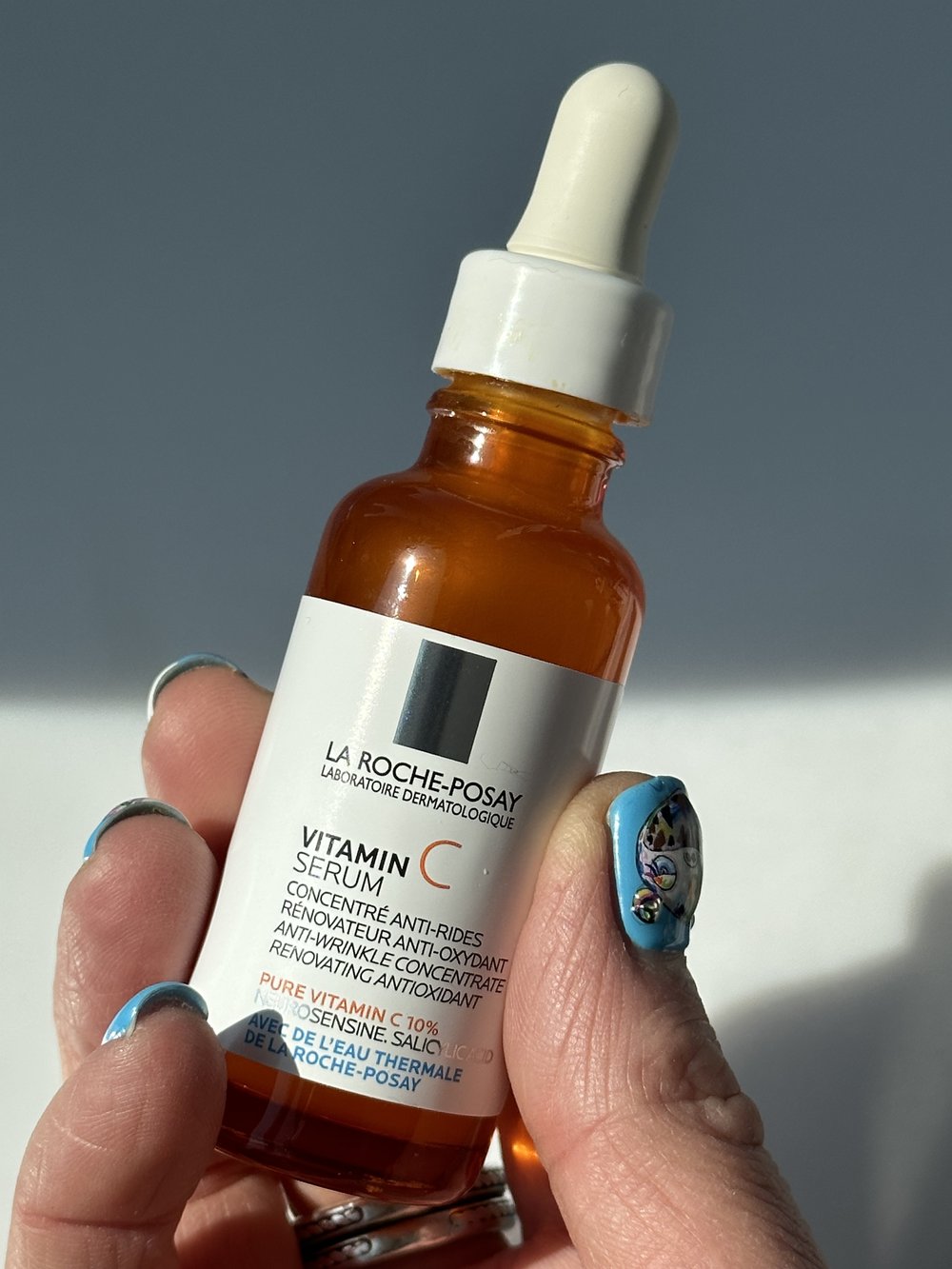
Vitamin C is sensitive to light and air, which can reduce its effectiveness. Choose serums in dark or opaque bottles. Air-tight pumps help prevent oxidation.
Store your serum in a cool, dark place. Avoid exposure to heat or direct sunlight. Always close the bottle tightly after use to keep the serum fresh longer.
Credit: www.skincarmanyc.com
How To Use Vitamin C Serum
Using vitamin C serum correctly can make a big difference in how your skin looks and feels. It’s not just about slapping it on; the way you apply it, the timing, and what you use it with all matter. Getting these details right helps you see the best results faster.
Application Techniques
Start with clean, dry skin to make sure the serum absorbs well.
Use just a few drops—too much won’t work better and can irritate sensitive skin.
Gently pat the serum onto your face with your fingertips instead of rubbing. This avoids stretching your skin.
Focus on areas where you notice dullness or fine lines, like around your eyes and mouth.
Best Time To Apply
Vitamin C serum works best in the morning. It helps protect your skin from daily environmental damage.
Apply it right after cleansing and before moisturizing. This way, it forms a protective barrier under your moisturizer.
Wondering if you can use it at night? You can, but morning use is more effective for fighting free radicals from sunlight.
Combining With Other Products
Vitamin C serum pairs well with hyaluronic acid. The acid boosts hydration, making your skin plump and glowing.
Be cautious mixing vitamin C with retinol or AHAs at the same time; it can cause irritation.
Try using vitamin C in the morning and retinol at night to get benefits from both without upsetting your skin.
Potential Side Effects And Precautions
Vitamin C serum offers impressive benefits, but it’s important to be aware of potential side effects and take precautions. Knowing how your skin might react can help you avoid irritation and get the best results. Let’s look at what you need to watch out for and how to protect your skin while using this powerful product.
Common Skin Reactions
Some people experience mild redness, itching, or a tingling sensation after applying vitamin C serum. These reactions usually happen if your skin is sensitive or if the serum concentration is too high. In rare cases, more severe irritation or dryness may occur, especially if you combine vitamin C with other active ingredients like retinol or exfoliating acids.
Does your skin feel uncomfortable after using a new product? That’s often a sign to pause and reassess your routine.
Patch Testing Importance
Before applying vitamin C serum all over your face, test it on a small skin patch. Apply a tiny amount on your inner wrist or behind your ear and wait 24 hours. If you notice redness, swelling, or itching, it’s best not to use the serum or to try a lower concentration.
Patch testing is a simple step that can save you from unnecessary discomfort. Have you ever skipped this and regretted it later?
Who Should Avoid Vitamin C Serum
People with extremely sensitive skin, eczema, or rosacea should be cautious with vitamin C serum. It can aggravate these conditions and lead to flare-ups. Also, if you have open wounds or sunburn, hold off on using vitamin C until your skin heals.
Consult your dermatologist if you’re unsure whether vitamin C serum suits your skin type. Are you paying enough attention to how your skin feels, or pushing through irritation?

Credit: www.lightupbeauty.com
Real Results And Expectations
Understanding what vitamin C serum can realistically do for your skin helps set the right expectations. It’s a powerful antioxidant that can brighten your complexion, reduce signs of aging, and protect your skin from environmental damage. But knowing when and how you might see these benefits is key to sticking with your skincare routine.
Timeline For Visible Changes
You might wonder how soon you’ll notice a difference after starting vitamin C serum. Typically, some users see a subtle glow within the first two weeks. However, more significant changes like reduced dark spots or fine lines usually take 4 to 8 weeks of consistent use.
Patience matters here because your skin needs time to build collagen and repair damage. If you expect overnight miracles, you might feel discouraged. Instead, track your progress by taking photos every couple of weeks to see gradual improvements.
User Testimonials
Many people report that vitamin C serum makes their skin feel smoother and look brighter after regular use. One user shared how stubborn acne scars started fading after a month of daily application. Another mentioned their skin tone evening out and a noticeable reduction in redness.
These stories highlight that results vary depending on skin type and the serum’s concentration. Have you tried vitamin C serum yet? Your experience might inspire others to keep going or adjust their routine for better outcomes.
Maintaining Radiant Skin
Vitamin C serum isn’t a one-time fix; it works best as part of a daily skincare habit. To maintain your skin’s radiance, apply it in the morning before sunscreen. This combo enhances protection against sun damage and pollution.
Also, store your serum in a cool, dark place to keep it effective. Remember, healthy skin comes from more than just products—hydration, sleep, and a balanced diet play huge roles too. What small change can you make today to support your skin’s health?
Frequently Asked Questions
What Are The Main Benefits Of Vitamin C Serum For Skin?
Vitamin C serum brightens skin, reduces dark spots, and boosts collagen. It also protects against sun damage and improves skin texture.
How Often Should I Apply Vitamin C Serum Daily?
Apply vitamin C serum once or twice daily, preferably in the morning. Follow with sunscreen to maximize protection and results.
Can Vitamin C Serum Help With Acne Scars?
Yes, vitamin C serum promotes skin healing and reduces acne scars. It evens skin tone and supports collagen repair.
Is Vitamin C Serum Suitable For All Skin Types?
Vitamin C serum works well for most skin types but may irritate sensitive skin. Patch test before full use.
Conclusion
Vitamin C serum helps brighten and protect your skin daily. It fights damage from the sun and pollution. Using it can reduce dark spots and even skin tone. It also supports collagen to keep skin firm and smooth. Apply a small amount on clean skin each morning.
Consistent use leads to healthier, glowing skin over time. Simple, gentle care makes a big difference. Try adding vitamin C serum to your routine for better skin health.
