Imagine waking up to skin that feels fresh, looks vibrant, and glows with health. Sounds like a dream, right?
But what if I told you that the secret to achieving this might already be sitting on your bathroom shelf? Yes, we’re talking about Vitamin C serum. You might have heard about it in beauty forums or seen it highlighted in skincare routines, but what exactly does it do for your skin?
If you’ve been wondering whether Vitamin C serum is worth the hype or just another trend, you’re in the right place. Dive into this article to discover how this powerful antioxidant can transform your skin, boost your confidence, and simplify your skincare routine. Get ready to uncover the secrets that could change the way you look at skincare forever.

Credit: drlouie.ca
Role Of Vitamin C In Skin Health
Vitamin C plays a vital role in maintaining your skin’s health by supporting several key functions. It works beneath the surface to protect, repair, and enhance your skin’s natural glow. Understanding how it benefits your skin can help you make better choices in your skincare routine.
Antioxidant Protection
Vitamin C acts as a powerful antioxidant that fights harmful free radicals caused by UV rays and pollution. These free radicals damage skin cells and speed up aging. Using a vitamin C serum helps neutralize these effects, keeping your skin healthier and less prone to wrinkles.
Collagen Production Boost
Your skin relies on collagen for firmness and elasticity. Vitamin C is essential in the process of collagen synthesis, helping your skin stay plump and youthful. If you want to reduce sagging or fine lines, vitamin C serum can support your skin’s natural ability to rebuild collagen.
Brightening Effects
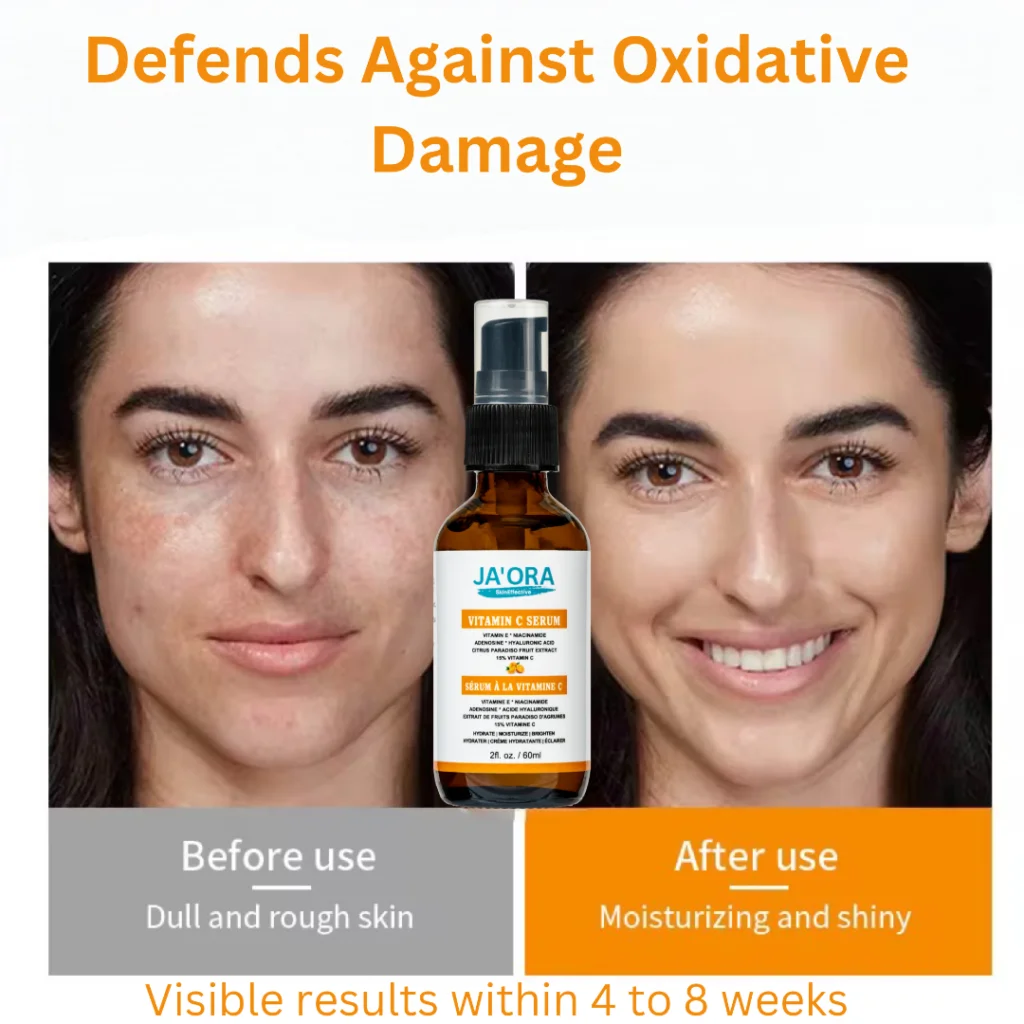
Dull skin can make you look tired and older than you feel. Vitamin C helps fade dark spots and evens out your skin tone by inhibiting melanin production. Regular use of vitamin C serum can give your skin a brighter, more radiant appearance that stands out.
How Vitamin C Serum Works
Vitamin C serum works by delivering powerful antioxidants directly to the skin. It helps protect skin cells from damage caused by free radicals. These unstable molecules speed up skin aging and cause dullness. The serum also promotes collagen production, which improves skin firmness and smoothness. Regular use can brighten the skin and reduce dark spots. Understanding how it works helps maximize its benefits.
Absorption And Penetration
Vitamin C must penetrate the skin to be effective. The serum’s formula helps vitamin C reach deeper layers. It usually contains a stable form of vitamin C. This ensures it does not break down before absorption. Once absorbed, vitamin C neutralizes free radicals inside skin cells. It also supports the skin’s natural repair process. Proper absorption is key for visible results.
Types Of Vitamin C In Serums
Not all vitamin C forms work the same on skin. Common types include:
- L-ascorbic acid – the purest and most potent form
- Sodium ascorbyl phosphate – gentler and more stable
- Magnesium ascorbyl phosphate – good for sensitive skin
- Ascorbyl glucoside – converts to vitamin C after absorption
Choosing the right type affects how well the serum works. Pure L-ascorbic acid offers strong results but can irritate some skin. Other forms balance potency and gentleness.
Synergistic Ingredients
Vitamin C serum often contains other helpful ingredients. These boost vitamin C’s effects and skin benefits. Common additions include:
- Vitamin E – enhances antioxidant power and skin hydration
- Ferulic acid – stabilizes vitamin C and protects skin further
- Hyaluronic acid – adds moisture and plumps skin
These ingredients work together to improve serum stability and skin absorption. The right mix leads to better skin texture and radiance.
Benefits For Skin Appearance
Vitamin C serum is a powerhouse for improving your skin’s appearance. It targets common concerns like uneven tone, fine lines, and dullness with visible results. Let’s look closely at how it enhances your skin’s look day by day.
Reducing Dark Spots
Dark spots can make your skin look older and tired. Vitamin C serum helps fade these spots by blocking the enzyme responsible for melanin production. With consistent use, you may notice a more even skin tone and fewer discolorations.
Have you ever avoided certain lighting because it highlights your spots? Using this serum could change how you feel about your skin in natural light.
Smoothing Fine Lines
Fine lines often appear as the first signs of aging. Vitamin C boosts collagen production, which is essential for keeping skin firm and smooth. Regular application can help soften those lines, making your skin feel plumper and younger.
Imagine your skin feeling as smooth as it did years ago—this serum helps make that possible without expensive treatments.
Enhancing Radiance
Dull skin lacks the glow that makes you look healthy and vibrant. Vitamin C acts as a powerful antioxidant, protecting your skin from daily damage and brightening your complexion. After just a few weeks, your skin can appear fresher and more luminous.
Wouldn’t you love to wake up to radiant skin every morning? Adding vitamin C serum to your routine might be the simplest step to get there.

Credit: www.lightupbeauty.com
Choosing The Right Vitamin C Serum
Choosing the right vitamin C serum can feel overwhelming with so many options on the market. But understanding key factors like concentration, formulation, and packaging can help you pick a product that truly benefits your skin. Let’s break down what to look for so your serum delivers maximum results.
Concentration Levels
Vitamin C serums come in different strengths, usually ranging from 5% to 20% concentration. If you have sensitive skin, starting with a lower concentration like 10% helps avoid irritation. Those with more resilient skin can try higher levels for stronger antioxidant effects.
Keep in mind, a higher concentration doesn’t always mean better. Sometimes, serums over 20% can cause redness or dryness. Have you noticed your skin reacting to a product before? That’s a sign to adjust the concentration.
Formulation Types
Vitamin C serums come in various forms like L-ascorbic acid, sodium ascorbyl phosphate, and magnesium ascorbyl phosphate. L-ascorbic acid is the most potent but can be unstable and irritating for some. The other types are gentler and better for sensitive skin but may take longer to show results.
Think about your skin’s tolerance and goals. Do you want fast brightening, or are you aiming for steady, long-term improvement? Choosing the right form makes a big difference in how well your skin responds.
Packaging And Storage
Vitamin C breaks down quickly when exposed to air and light, losing its effectiveness. Look for serums in dark, airtight bottles to keep the formula stable. Pump bottles or dropper designs that limit air exposure are ideal.
Storing your serum in a cool, dark place extends its shelf life. Have you ever bought a serum only to find it turned yellow or smelled off? That’s a sign it lost potency. Proper packaging and storage protect your investment and your skin.
Using Vitamin C Serum Effectively
Using vitamin C serum effectively can make a noticeable difference in your skin’s health and glow. It’s not just about applying the serum; how and when you apply it, and what you combine it with, can either boost or reduce its benefits. Understanding these details helps you get the most out of this powerful skincare product.
Application Tips
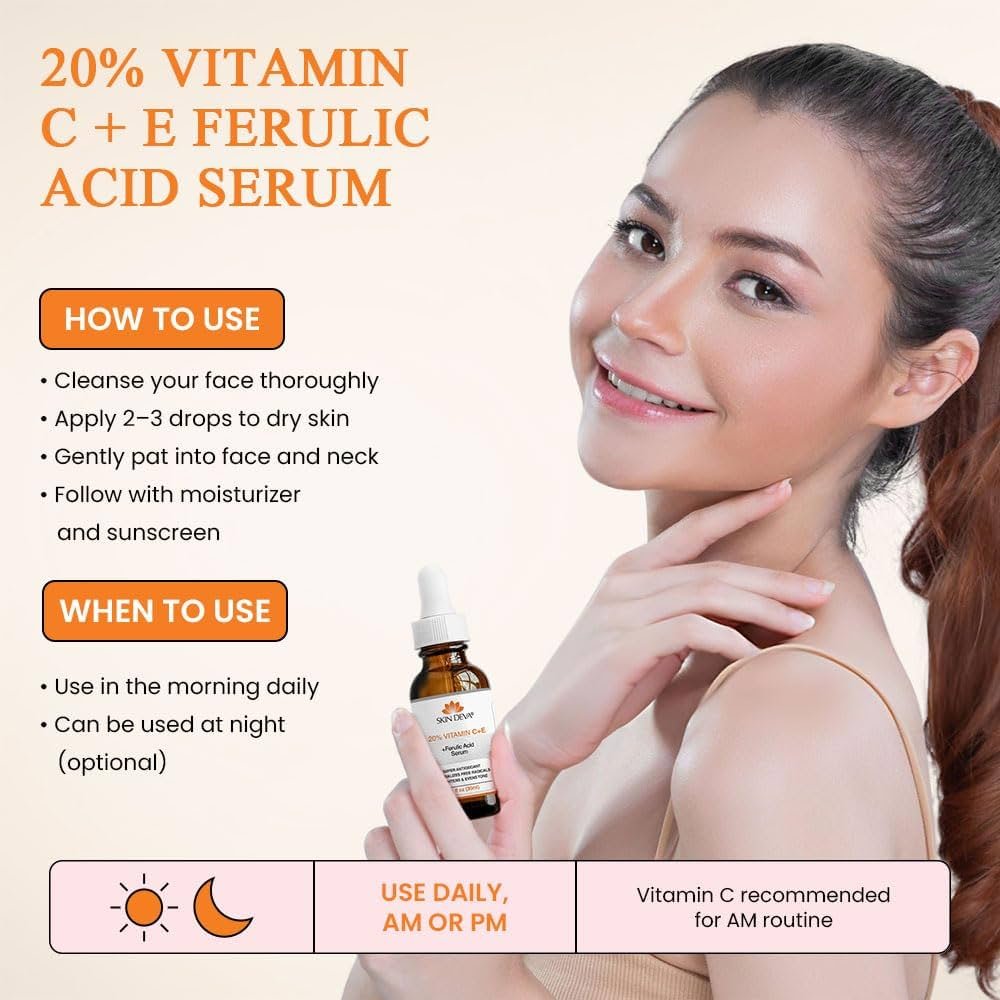
Start with clean, dry skin to help the serum absorb better. Use just a few drops—usually 3 to 5—because a little goes a long way. Gently pat the serum onto your face with your fingertips instead of rubbing it harshly.
Don’t forget your neck and décolletage; these areas also benefit from vitamin C’s brightening effects. If you experience any tingling or irritation, try reducing the amount or frequency until your skin adjusts. Have you noticed how the serum feels right after application? That slight tingling often means it’s working, but it shouldn’t be painful.
Combining With Other Products
Vitamin C serum pairs well with certain skincare ingredients but clashes with others. It works great alongside hyaluronic acid, which helps keep skin hydrated. Applying hyaluronic acid after your vitamin C serum can lock in moisture and enhance the serum’s effects.
Be cautious when mixing vitamin C with retinol or acids like AHAs and BHAs. These combinations can irritate sensitive skin or reduce the effectiveness of vitamin C. If you want to use them all, try vitamin C in the morning and retinol or acids at night instead.
Frequency And Timing
Vitamin C serum is most effective when used consistently, but that doesn’t mean multiple applications a day are better. Once a day, preferably in the morning, is usually enough to protect your skin from daily environmental damage.
Applying vitamin C serum before sunscreen boosts your protection against UV rays. Have you ever skipped sunscreen after vitamin C? It’s a missed opportunity. Make it a habit to layer your sunscreen on top to shield your skin fully.
Potential Side Effects And Precautions
Vitamin C serum offers impressive benefits, but it’s essential to know about potential side effects and take necessary precautions. Using it incorrectly or without care can lead to skin issues. Understanding these risks helps you protect your skin while enjoying the advantages of this powerful antioxidant.
Skin Sensitivity
Vitamin C serum can sometimes cause increased skin sensitivity, especially if you have sensitive or dry skin. You might notice redness, tingling, or mild irritation after application. This often happens if the serum concentration is too high or if you apply it too frequently.
Adjusting how often you use the serum can help your skin build tolerance. Starting with a lower concentration and gradually increasing it is a smart approach. Have you ever felt your skin react strongly to a new product? That’s a sign to slow down and observe.
Allergic Reactions
While rare, allergic reactions to vitamin C serum can occur. Symptoms include itching, swelling, or rash, which means your skin is rejecting the product. If you experience these signs, stop using the serum immediately and consult a dermatologist.
Remember, not all vitamin C serums are created equal. Look for products with minimal additives and preservatives to reduce the risk of allergies. Do you check ingredient lists carefully before trying new skincare? It’s a habit that can save you from discomfort.
Patch Testing
Patch testing is a simple but effective way to see how your skin reacts before applying the serum to your face. Apply a small amount on your wrist or behind your ear and wait 24 to 48 hours. If no irritation occurs, it’s likely safe to use.
This step can prevent unpleasant surprises and protect your skin from unnecessary stress. Have you ever skipped patch testing and regretted it later? Taking this small precaution helps you enjoy vitamin C serum without worries.
Credit: jaoraskineffective.ca
Frequently Asked Questions
What Are The Main Benefits Of Vitamin C Serum For Skin?
Vitamin C serum brightens skin, reduces dark spots, and boosts collagen. It also protects against sun damage and improves skin texture. Regular use helps achieve a youthful and radiant complexion.
How Often Should I Apply Vitamin C Serum On My Face?
For best results, apply vitamin C serum once or twice daily. Use it after cleansing and before moisturizing. Consistent use enhances skin protection and improves overall skin tone.
Can Vitamin C Serum Help With Acne Scars?
Yes, vitamin C serum can fade acne scars by promoting collagen production. It also reduces inflammation and evens out skin tone. Regular use supports faster skin repair and smoother skin.
Is Vitamin C Serum Safe For Sensitive Skin Types?
Vitamin C serum is generally safe for sensitive skin. Start with a low concentration and do a patch test. If irritation occurs, reduce frequency or consult a dermatologist.
Conclusion
Vitamin C serum helps brighten and protect your skin daily. It supports collagen, making skin look firmer and smoother. The serum also fights damage from the sun and pollution. Using it regularly can reduce dark spots and even skin tone.
Choose a good product and apply it on clean skin. Simple steps lead to healthier, glowing skin over time. Try adding vitamin C serum to your routine for better skin care. Small changes bring clear, fresh skin you will notice.
