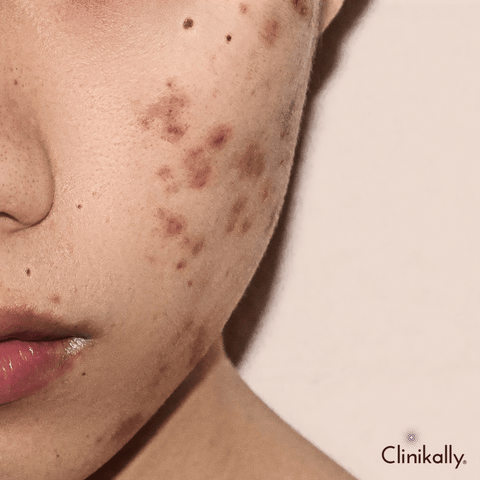
Have you ever noticed an unusual rash after using a vitamin C product on your skin? If you have, you’re not alone—and understanding why this happens is key to keeping your skin healthy and glowing.
Vitamin C is known for its amazing benefits, but sometimes it can cause unexpected reactions like skin rashes. You’ll discover what causes a vitamin C skin rash, how to identify it, and simple steps you can take to prevent or treat it.
Keep reading to protect your skin and enjoy the full benefits of vitamin C without worry.
Causes Of Vitamin C Skin Rash
Understanding the causes of a vitamin C skin rash can help you avoid discomfort and enjoy the benefits of this popular skincare ingredient safely. Vitamin C is widely praised for brightening skin and fighting signs of aging, but it can cause irritation in certain situations. Knowing what triggers these reactions allows you to adjust your routine wisely and protect your skin’s health.
Allergic Reactions To Vitamin C
Not everyone’s skin reacts the same way to vitamin C. Some people may develop an allergic rash due to sensitivity to the ingredient itself or to additives in the product. If you notice redness, itching, or swelling after using vitamin C, your skin might be telling you it doesn’t agree with that formulation.
Have you ever tried a new serum and felt a sudden sting or rash? That could be an allergic response. Patch testing a small area before full application can save you from a more serious reaction.
Overuse And High Dosage Effects
Using too much vitamin C or applying it too frequently can overwhelm your skin’s barrier. High concentrations, especially above 20%, might cause irritation and rashes, particularly if your skin is sensitive. Sometimes, less is more when it comes to active ingredients.
If you’ve ever rushed into a skincare routine with multiple high-strength products, you might have noticed your skin becoming red or flaky. Scaling back the amount or frequency of vitamin C application often helps restore balance.
Interaction With Other Skincare Ingredients
Vitamin C can react with other ingredients in your skincare line, causing unexpected irritation. Combining it with harsh acids like AHAs or BHAs, or with retinol, might increase your risk of a rash. Your skin can become sensitive when these actives clash.
Think about your current routine: are you layering too many potent products? Adjusting the order or timing of application could prevent skin issues and still allow you to enjoy the benefits of vitamin C.
Pre-existing Skin Conditions
If you have eczema, rosacea, or very dry skin, vitamin C may trigger flare-ups. These conditions already make your skin more vulnerable, so introducing vitamin C requires extra caution. Ignoring this can lead to redness, itching, or rash.
Have you noticed your skin reacting more strongly during certain seasons or stress periods? Monitoring how your skin behaves with vitamin C during these times can help you decide whether to pause or adjust your routine.

Credit: www.reddit.com
Recognizing Symptoms
Recognizing the symptoms of a Vitamin C skin rash early can save you from prolonged discomfort and skin damage. It’s important to know what signs to look for, especially if you’re trying a new skincare product containing Vitamin C. Not every redness or irritation is the same, so understanding the details can help you decide when to pause your routine and seek advice.
Common Rash Characteristics
A Vitamin C rash often appears as small red bumps or patches on the skin. These spots may look inflamed or feel rough to the touch. Sometimes, the rash spreads beyond the area where you applied the product, signaling an allergic reaction or sensitivity.
- Red or pink spots
- Raised bumps or blotches
- Dry, flaky patches
Have you noticed unusual skin texture changes after using a Vitamin C serum or cream? This could be your skin’s way of telling you something isn’t right.
Itching And Redness
Itching is a common companion to the rash and often intensifies before you see visible redness. The affected area might feel warm or tender. Redness typically varies from mild pink to bright red, depending on your skin type and the severity of the reaction.
If you find yourself scratching or rubbing the area frequently, it’s a sign to stop using the product and give your skin some relief.
Swelling And Irritation
Swelling can occur in more severe cases and might make your skin look puffy or tight. Irritation can also lead to a burning or stinging sensation, making simple tasks like washing your face uncomfortable. These symptoms often indicate that your skin barrier is compromised.
Think about whether you’ve introduced other active ingredients recently. Sometimes, Vitamin C combined with acids or retinoids can increase irritation.
Timing And Duration Of Symptoms
Symptoms usually show up within hours to a day after using a Vitamin C product. However, delayed reactions can happen after several days of consistent use. The rash and discomfort might last a few days or persist if you continue using the product.
Tracking when your symptoms appear and how long they last can help you and your dermatologist identify the cause quickly. Are you keeping a skincare diary? It can be a valuable tool for spotting patterns in reactions.
Effective Remedies
Dealing with a Vitamin C skin rash needs quick and gentle care. The right remedies help calm irritation and support skin healing. Avoid harsh actions that may worsen the rash. Focus on soothing and protecting your skin while it recovers.
Discontinuing Vitamin C Products
Stop using all Vitamin C products immediately. This helps prevent further irritation and allows your skin to heal. Check all skincare items, including serums, creams, and cleansers, as many contain Vitamin C. Avoid reintroducing these products until your skin is fully calm.
Using Soothing Topical Treatments
Apply gentle creams or ointments to reduce redness and itching. Look for products with ingredients like aloe vera, chamomile, or calendula. These soothe the skin and reduce inflammation. Avoid fragranced or alcohol-based products that may irritate the rash further.
Hydration And Moisturizing
Keep your skin well hydrated to support repair. Use a mild, fragrance-free moisturizer to lock in moisture. Drink plenty of water to help your skin heal from inside. Avoid hot water on affected areas as it can dry and irritate skin.
When To See A Dermatologist
Seek professional advice if the rash worsens or does not improve in a few days. Look for signs like severe itching, swelling, or oozing. A dermatologist can prescribe stronger treatments and provide a proper diagnosis. Early care prevents complications and speeds recovery.

Credit: au.rejuvaus.com
Preventing Vitamin C Skin Rash
Preventing a vitamin C skin rash requires careful steps. Taking precautions helps your skin accept vitamin C without irritation. Start slow and observe your skin’s reaction to new products. Choose the right formulations and avoid harsh combinations. These practices protect sensitive skin and improve your skincare results.
Patch Testing New Products
Apply a small amount of vitamin C product on your inner arm. Wait 24 to 48 hours to check for any redness or itching. This simple test helps identify potential allergic reactions early. Avoid applying on the face until the test shows no problems.
Choosing The Right Vitamin C Formulation
Select vitamin C products with stable and gentle forms. Look for formulations like sodium ascorbyl phosphate or magnesium ascorbyl phosphate. These versions are less likely to cause irritation than pure L-ascorbic acid. Check the product’s pH level; a moderate pH reduces skin sensitivity.
Gradual Introduction To Skincare Routine
Start using vitamin C once or twice a week. Slowly increase the frequency as your skin builds tolerance. Avoid applying large amounts at once. Consistent, gentle use helps your skin adjust without rash or redness.
Avoiding Combination With Irritating Ingredients
Do not mix vitamin C with harsh acids like glycolic or salicylic acid. Avoid combining with retinol or benzoyl peroxide. These ingredients can increase irritation and cause rash. Use vitamin C separately or on different days for safer results.

Credit: us.typology.com
Frequently Asked Questions
What Causes A Vitamin C Skin Rash?
A vitamin C skin rash often results from allergic reactions or skin sensitivity to topical products. Overuse or high concentrations can irritate the skin, leading to redness, itching, or bumps. Always patch test before applying vitamin C serums or creams.
How To Treat A Vitamin C Skin Rash?
To treat a vitamin C skin rash, stop using the product immediately. Cleanse the affected area gently and apply a soothing moisturizer. If irritation persists, use anti-inflammatory creams or consult a dermatologist for proper care.
Can Vitamin C Cause Allergic Skin Reactions?
Yes, vitamin C can cause allergic skin reactions in some people. Sensitive skin types may experience redness, swelling, or itching. It’s important to test products on a small area to avoid severe reactions.
Is Vitamin C Rash Permanent Or Temporary?
A vitamin C rash is usually temporary and resolves once the product is discontinued. Persistent or severe rashes require medical attention. Proper usage and patch testing reduce the risk of lasting skin damage.
Conclusion
Dealing with a Vitamin C skin rash can be frustrating. Understanding the causes helps in choosing the right products. Always test new skincare items on a small patch first. This can prevent unexpected reactions. Consult a dermatologist for persistent issues.
They provide expert advice suited to your skin type. Remember, everyone’s skin reacts differently. What works for one may not work for another. Being informed aids in making better skincare choices. Stay patient and attentive to your skin’s needs. Your skin’s health is important, so take care of it wisely.
