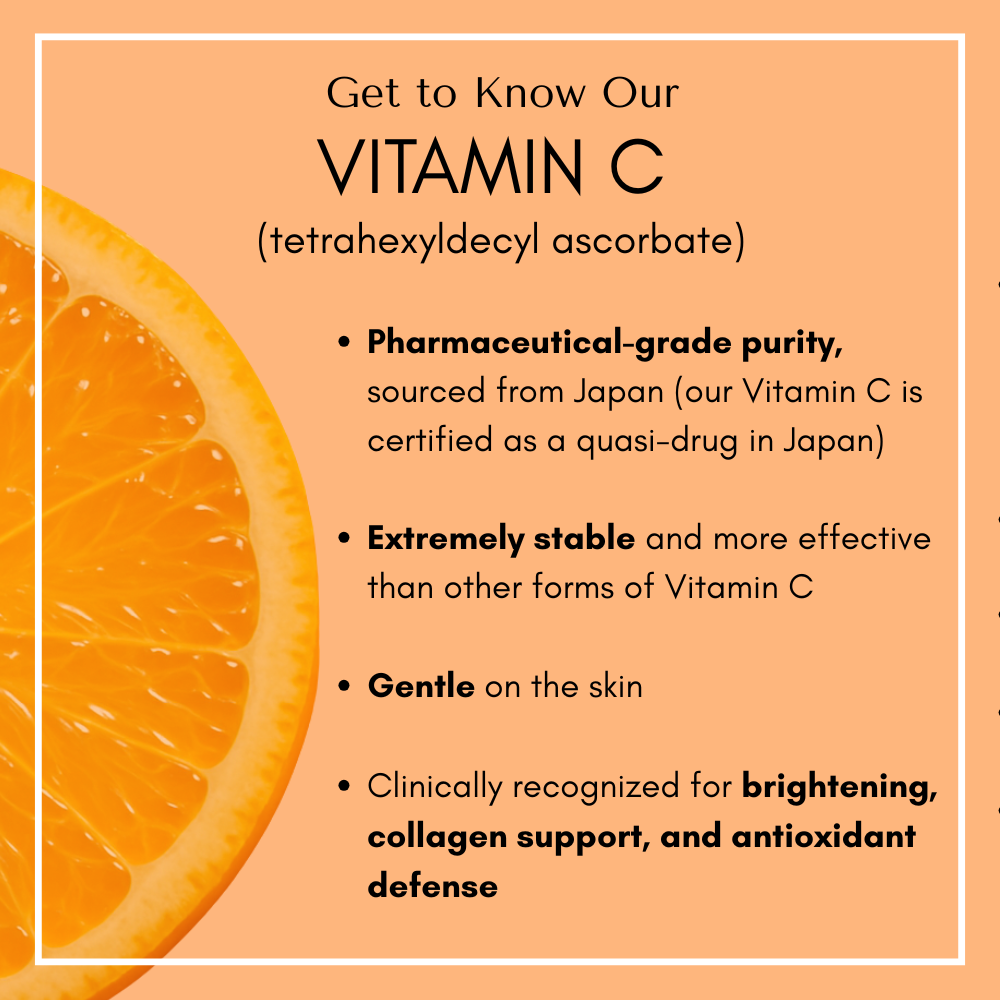
Imagine unlocking the secret to radiant, youthful skin with just one ingredient. That might sound like a dream, but with Vitamin C, it’s a reality you can experience.
If you’re on a quest for healthier skin, Vitamin C is your ultimate ally. This powerhouse nutrient is packed with benefits that go beyond just brightening your complexion. It fights off wrinkles, protects against sun damage, and even boosts collagen production.
Curious about how Vitamin C can transform your skincare routine? Keep reading to discover how this supercharged vitamin can become your skin’s best friend. Your journey to glowing skin starts now, and trust us, you won’t want to miss a single detail.

Credit: www.amazon.com
How Vitamin C Boosts Skin Health
Vitamin C plays a vital role in keeping skin healthy and radiant. It nourishes the skin and supports its natural functions. This powerful nutrient helps skin stay firm, bright, and protected. Understanding how vitamin C boosts skin health reveals why it is a key ingredient in many skincare routines.
Role In Collagen Production
Vitamin C helps the body produce collagen, a protein that gives skin its structure. Collagen keeps skin firm and elastic. Without enough collagen, skin can become thin and saggy. Vitamin C stimulates collagen synthesis, which reduces wrinkles and fine lines. This support helps maintain a youthful and smooth complexion.
Antioxidant Properties
Vitamin C acts as a strong antioxidant. It fights harmful molecules called free radicals. Free radicals damage skin cells and cause premature aging. By neutralizing these molecules, vitamin C protects skin from damage. This antioxidant action helps skin stay healthy and vibrant over time.
Protection Against Sun Damage
Vitamin C helps shield skin from sun damage. It reduces the effects of harmful UV rays. Though it does not replace sunscreen, vitamin C lowers inflammation and redness caused by sun exposure. It also supports skin repair after sun damage. This protection helps prevent dark spots and uneven skin tone.

Credit: www.amazon.com
Vitamin C For Brightening Skin Tone
Vitamin C is a powerful ingredient that can brighten your skin tone effectively. Its antioxidant properties help even out discoloration and bring a natural radiance back to your face. If you’ve struggled with dullness or uneven patches, Vitamin C might be the simple addition your skincare routine needs.
Reducing Hyperpigmentation
Hyperpigmentation occurs when your skin produces too much melanin, causing dark patches. Vitamin C works by inhibiting an enzyme called tyrosinase, which helps reduce melanin production. This means regular use can gradually lighten those stubborn dark areas.
Have you noticed areas of your skin looking uneven after sun exposure or breakouts? Adding a Vitamin C serum can target those spots without harsh chemicals or irritation.
Fading Dark Spots
Dark spots from acne scars or sun damage can be frustrating. Vitamin C encourages skin cell turnover and repairs damage, helping these spots fade faster. Using it consistently can reveal a clearer, more uniform complexion over time.
Try applying Vitamin C in the morning before sunscreen to maximize protection and spot fading benefits. It’s a gentle yet effective way to improve your skin’s appearance without overloading it with multiple products.
Enhancing Natural Glow
Vitamin C doesn’t just fade spots; it also boosts collagen production. This helps your skin stay firm and smooth, which reflects light better and gives you a natural glow. You might find your face looks fresher and more awake after just a few uses.
Think about how often your skin looks tired or dull. Adding Vitamin C could be the key to that fresh-faced look you’re aiming for, without needing heavy makeup.
Anti-aging Effects Of Vitamin C
Vitamin C is a powerful ingredient in skin care for its anti-aging effects. It helps protect skin from damage and supports a youthful look. Its antioxidant properties fight free radicals that cause aging. Vitamin C also plays a vital role in producing collagen, a protein that keeps skin firm and smooth.
Minimizing Fine Lines And Wrinkles
Vitamin C reduces fine lines and wrinkles by boosting collagen production. Collagen strengthens skin and keeps it plump. It also helps skin heal from sun damage, a major cause of wrinkles. Regular use of Vitamin C can make skin look younger and smoother.
Improving Skin Elasticity
Elastic skin resists sagging and stays firm. Vitamin C supports the creation of elastin fibers, which maintain skin’s stretchiness. This helps skin bounce back after stretching or folding. Improved elasticity means skin looks tight and healthy for longer.
Promoting Skin Repair
Vitamin C helps repair skin cells damaged by the environment. It speeds up the healing process of wounds and scars. This vitamin also reduces redness and inflammation, calming irritated skin. With faster repair, skin looks clearer and more even-toned.
Choosing The Right Vitamin C Products
Choosing the right Vitamin C product can feel overwhelming with so many options available. Your skin type, concerns, and lifestyle play a big role in finding the perfect fit. Understanding the types, concentration levels, and how to store these products will help you get the most out of your Vitamin C routine.
Types Of Vitamin C Formulations
Vitamin C comes in several forms, each with its own benefits and stability levels. L-ascorbic acid is the most potent and well-researched, but it can be irritating for sensitive skin. If you have sensitive skin, consider derivatives like magnesium ascorbyl phosphate or sodium ascorbyl phosphate—they’re gentler but still effective.
Serums are the most common form and usually contain higher concentrations. Creams and lotions often combine Vitamin C with moisturizing ingredients, making them a great option for dry skin. You might also find Vitamin C in powders that you mix fresh before application, which ensures maximum potency.
Concentration Levels To Consider
Vitamin C’s effectiveness depends heavily on its concentration. Products with 10-20% Vitamin C typically deliver visible results without causing much irritation. If you’re new to Vitamin C, starting with a lower concentration, like 10%, allows your skin to adjust gradually.
Higher concentrations above 20% don’t always mean better results and can increase the risk of redness or sensitivity. Listen to your skin—if you notice discomfort, it’s okay to step down the concentration or reduce how often you apply it. Sometimes, less is more.
Packaging And Storage Tips
Vitamin C is highly sensitive to light and air, which can degrade its potency quickly. Look for products in dark, airtight containers, like amber or opaque glass bottles with a pump dispenser. These packaging choices help protect the formula from oxidation.
Store your Vitamin C products in a cool, dark place away from direct sunlight and heat. Some people even keep their serums in the fridge to extend their shelf life and add a refreshing feel to their skincare routine. Have you noticed a difference when using fresher Vitamin C products?
Incorporating Vitamin C Into Your Routine
Adding vitamin C to your skincare routine can transform your skin’s health and appearance. But knowing how and when to apply it makes all the difference in seeing real benefits. Let’s break down the best practices to help you get the most out of this powerful antioxidant.
Best Time To Apply
Vitamin C works best when applied in the morning. It protects your skin from daily environmental damage like pollution and UV rays. Applying it before sunscreen boosts your skin’s defense against sun damage throughout the day.
Some people wonder if they can use it at night instead. While it’s not harmful, the antioxidant benefits are most effective during daylight hours when free radicals are more active.
Combining With Other Skincare Ingredients
You might ask: can vitamin C be used with other products? Yes, but some combinations are more effective than others. Pairing vitamin C with vitamin E and ferulic acid enhances its stability and boosts protection.
However, avoid using it with products containing niacinamide or strong acids at the same time, as they can reduce its effectiveness. Instead, alternate these in your routine or apply at different times of the day.
Frequency And Amount
Start with a small amount—about a pea-sized drop for your entire face. Using too much doesn’t speed up results and might irritate your skin. Begin with applying it every other day and increase to daily use as your skin gets used to it.
Consistency matters more than intensity. Ask yourself: are you giving your skin enough time to absorb and react? Stick to a simple routine and watch your skin improve gradually.
Potential Side Effects And Precautions
Vitamin C is widely praised for its skin benefits, but it’s important to know that it can cause side effects if not used correctly. Being aware of potential reactions and taking precautions can help you enjoy the advantages without discomfort or damage. Let’s look at some common issues and how you can protect your skin.
Common Skin Reactions
Some people experience redness, itching, or a mild burning sensation after applying Vitamin C products. These reactions usually happen if your skin is sensitive or if the product has a high concentration of Vitamin C.
In rare cases, Vitamin C can cause peeling or dry patches, especially when combined with other active ingredients like retinol or acids. Watch for unusual irritation that lasts more than a few days and stop use if your skin worsens.
Who Should Avoid Vitamin C
If you have extremely sensitive skin, eczema, or rosacea, Vitamin C might trigger flare-ups. People with these conditions often react badly to acidic ingredients, which Vitamin C serums tend to be.
Also, if you’ve recently undergone chemical peels or laser treatments, your skin needs time to heal before adding Vitamin C. Using it too soon can increase irritation and slow down recovery.
Patch Testing Guidelines
Before applying Vitamin C all over your face, test it on a small skin area like your wrist or behind your ear. Apply a small amount and wait 24 to 48 hours to see if any redness or itching occurs.
- If no reaction appears, your skin is likely ready for full application.
- If you notice irritation, try a lower concentration or consult a dermatologist.
- Patch testing also helps you identify if the product contains other ingredients that might cause issues.
Have you ever skipped patch testing and regretted it? Taking this simple step can save you from weeks of discomfort and disappointment.
Natural Sources Of Vitamin C For Skin
Vitamin C plays a vital role in skin health. It helps brighten the skin, reduce wrinkles, and protect against damage. Natural sources of Vitamin C are easy to find in everyday foods and homemade skincare. These sources nourish the skin from inside and outside. Understanding these options helps keep your skin glowing and healthy.
Foods Rich In Vitamin C
Vitamin C comes from many fruits and vegetables. Eating these foods supports skin repair and collagen production.
- Oranges and other citrus fruits
- Strawberries and blueberries
- Kiwis and pineapples
- Bell peppers, especially red and yellow
- Broccoli and Brussels sprouts
- Spinach and kale
These foods provide antioxidants that protect skin from sun damage and pollution.
Diy Vitamin C Masks And Serums
Natural Vitamin C can be applied directly to the skin. Homemade masks and serums use fresh ingredients to brighten and smooth skin.
- Lemon juice mixed with honey for brightening
- Mashed strawberries combined with yogurt for exfoliation
- Orange peel powder blended with aloe vera gel
- Vitamin C powder mixed with distilled water for a simple serum
Use these treatments carefully to avoid irritation. Test on a small area first.
Benefits Of Topical Vs Dietary Vitamin C
Vitamin C affects skin differently depending on how it is used. Eating Vitamin C helps build collagen and fight free radicals inside the body. Topical Vitamin C works directly on the skin, improving texture and brightness faster.
Dietary Vitamin C supports overall skin health and immunity. Topical forms target specific skin issues like dark spots and fine lines. Combining both methods gives the best results for radiant skin.

Credit: gonatural.com.pk
Frequently Asked Questions
What Are The Main Benefits Of Vitamin C For Skin?
Vitamin C brightens skin, reduces dark spots, and boosts collagen. It also fights free radicals and protects against sun damage.
How Does Vitamin C Improve Skin Texture?
Vitamin C promotes collagen production, which firms skin and smooths fine lines. It enhances skin’s overall texture and elasticity.
Can Vitamin C Reduce Hyperpigmentation Effectively?
Yes, vitamin C inhibits melanin production, helping fade dark spots and even skin tone. Regular use improves hyperpigmentation visibly.
Is Vitamin C Safe For All Skin Types?
Vitamin C is generally safe for all skin types. However, sensitive skin may experience slight irritation initially. Patch testing is advised.
Conclusion
Vitamin C helps brighten and even out skin tone. It supports collagen, keeping skin firm and smooth. This vitamin also protects skin from damage by free radicals. Regular use can reduce dark spots and signs of aging. Choose products with stable, pure Vitamin C for best results.
Consistency matters; results show over time. Healthy skin feels soft, fresh, and glowing. Simple steps with Vitamin C make a big difference. Give your skin the care it deserves today.
