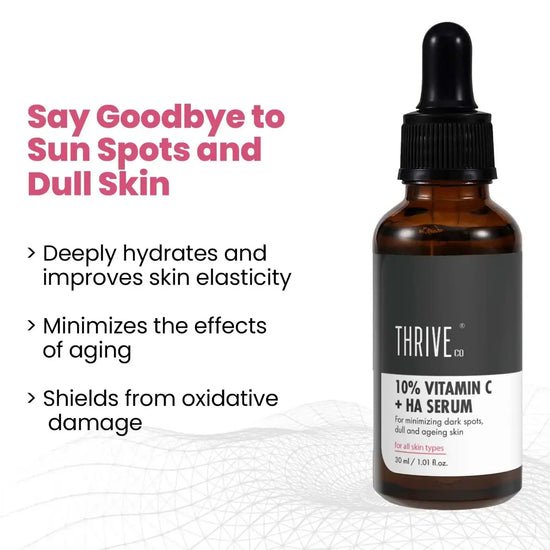
Are you using Vitamin C to brighten your skin and fight signs of aging? It’s a popular ingredient for good reason, but did you know it can sometimes cause unwanted side effects?
Before you apply that next serum or cream, it’s important to understand how Vitamin C might affect your skin—both the good and the not-so-good. You’ll discover what side effects to watch for, how to avoid them, and how to get the best results safely.
Keep reading to protect your skin and make Vitamin C work for you.

Credit: www.youtube.com
Common Skin Reactions
Vitamin C is popular for brightening skin and fighting aging signs. Yet, some users notice side effects. These side effects often show as common skin reactions. Understanding these reactions helps manage them better. This section explains typical skin responses to Vitamin C use.
Redness And Irritation
Redness appears as a flushed or pink look on the skin. It happens when Vitamin C triggers mild skin sensitivity. Irritation may cause a burning or stinging feeling. This reaction is more common with high concentrations or sensitive skin. To reduce redness, use lower doses and avoid applying on broken skin.
Dryness And Peeling
Vitamin C can dry out the skin by stripping natural oils. Dryness leads to rough, tight skin feeling. Peeling happens as the skin sheds dead cells faster. These effects occur more with strong formulas or daily use. Moisturize well and use Vitamin C less often to ease dryness and peeling.
Allergic Responses
Some people develop allergies to Vitamin C or its additives. Symptoms include itching, swelling, and rash. Allergic reactions need prompt attention to avoid worsening. Stop using the product and consult a dermatologist if symptoms appear. Patch testing before full use can help prevent allergies.

Credit: foxtale.in
Factors Influencing Side Effects
Understanding the factors that influence Vitamin C side effects on your skin can help you avoid irritation and make the most of this powerful antioxidant. Not all Vitamin C products affect your skin the same way. Your experience depends on various key elements that affect how your skin reacts.
Concentration Levels
The concentration of Vitamin C in a product plays a big role in how your skin responds. Higher concentrations, usually above 20%, can cause redness, stinging, or dryness, especially if your skin is sensitive.
Lower concentrations, like 10-15%, tend to be gentler and still effective. If you’re new to Vitamin C, starting with a lower strength can help your skin adjust without unpleasant side effects.
Skin Type Sensitivity
Your skin type affects how Vitamin C will interact with your skin. Dry or sensitive skin types are more prone to irritation, so you might experience redness or peeling after application.
Oily or combination skin types might tolerate Vitamin C better but could still face breakouts if the formulation is too heavy or pore-clogging. Ask yourself: how has your skin reacted to active ingredients in the past?
Product Formulation
The other ingredients in your Vitamin C product can either soothe or aggravate your skin. Products with added hydrating agents like hyaluronic acid or soothing elements like aloe vera tend to reduce irritation.
On the other hand, formulations with alcohol or strong acids alongside Vitamin C can increase the chance of side effects. Always check the full ingredient list to see what else you’re applying to your skin.
Preventing Adverse Effects
Vitamin C is a powerful ingredient for skin health. It brightens the skin and fights aging signs. Still, some people may face side effects like redness or irritation. Preventing these reactions helps keep your skin safe and happy. Use simple steps to reduce risks and enjoy vitamin C benefits.
Patch Testing Tips
Patch testing is key before using vitamin C products. Apply a small amount on the inner arm or behind the ear. Wait 24 to 48 hours to check for any reaction. Look for redness, itching, or swelling. If none appear, the product is likely safe to use. This test protects your skin from unwanted side effects.
Proper Application Techniques
Apply vitamin C on clean, dry skin for best results. Use a small amount and spread gently. Avoid rubbing hard or applying near the eyes. Start with lower concentrations to see how your skin reacts. Increase strength slowly over time. Use sunscreen daily to prevent sensitivity caused by vitamin C.
Combining With Other Products
Vitamin C works well with some ingredients but not all. Avoid mixing it with strong acids like AHAs or BHAs. These can cause irritation or reduce vitamin C’s effectiveness. Pair vitamin C with gentle moisturizers and sunscreens. Use retinol and vitamin C at different times, not together. Proper combinations help your skin absorb nutrients safely.
When To Seek Medical Advice
Vitamin C is popular for brightening skin and fighting aging. Yet, some people may face side effects after using it. Knowing when to seek medical advice helps avoid serious problems. Watch for signs that suggest a need for professional care.
Severe Reactions
Severe skin reactions need quick medical attention. Symptoms include:
- Swelling of the face, lips, or throat
- Intense redness or rash spreading fast
- Difficulty breathing or tightness in the chest
- Severe itching or blistering
These signs can show an allergic reaction or infection. Do not ignore them. Contact a healthcare provider immediately.
Persistent Symptoms
Mild irritation may clear on its own. But some symptoms last longer than a week. Seek advice if you notice:
- Redness or dryness that does not improve
- Continuous burning or stinging sensation
- Peeling or flaking skin that worsens
- Swelling that does not go down
Persistent symptoms might need a change in treatment or medicine. A doctor can help find the cause and suggest solutions.
Professional Treatments
Doctors can offer treatments for Vitamin C side effects. These may include:
- Prescription creams to calm inflammation
- Oral antihistamines for allergic reactions
- Skin tests to check allergies
- Advice on safer skincare routines
Professional care ensures safe use of Vitamin C. It helps protect skin health and avoid long-term damage.
Benefits Vs. Risks
Vitamin C is celebrated for its impressive skin benefits, but like any active ingredient, it carries potential side effects. Understanding the balance between its positive effects and possible risks can help you decide how to use it wisely. Are the glowing results worth the occasional irritation or sensitivity?
Skin Brightening Effects
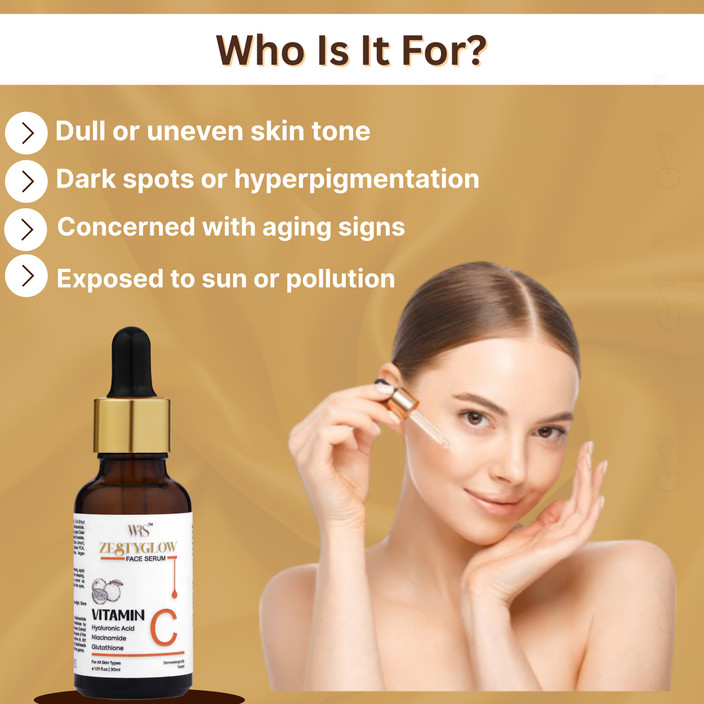
Vitamin C is known to reduce dullness and uneven skin tone. It works by inhibiting melanin production, which helps fade dark spots and hyperpigmentation. Many users notice a clearer, more radiant complexion within weeks of regular use.
However, some people may experience redness or irritation, especially if they have sensitive skin or use high concentrations. If your skin feels uncomfortable, consider starting with a lower dose or patch testing first.
Anti-aging Properties
Vitamin C supports collagen production, which helps reduce fine lines and wrinkles. This makes skin look firmer and smoother over time. Adding it to your routine can be a simple way to maintain a youthful appearance.
Still, vitamin C can sometimes cause dryness or stinging, particularly when combined with other active ingredients like retinol or acids. Are you prepared to adjust your skincare routine to avoid these issues?
Balancing Results And Side Effects
Finding the right vitamin C product is key to maximizing benefits while minimizing risks. Look for formulas with a stable form of vitamin C and a concentration that suits your skin type.
Introduce it slowly into your routine and watch how your skin reacts. If irritation occurs, reduce usage frequency or pair it with a gentle moisturizer. Your skin’s response will guide you toward a healthy balance.
Credit: www.flipkart.com
Frequently Asked Questions
What Are Common Vitamin C Side Effects On Skin?
Vitamin C may cause mild redness, itching, or dryness on sensitive skin. These effects usually fade with regular use or lower concentration. Patch testing before full application helps avoid irritation.
Can Vitamin C Cause Skin Irritation Or Allergies?
Yes, some people may experience irritation or allergic reactions from vitamin C. Symptoms include redness, swelling, or itching. Discontinue use if irritation occurs and consult a dermatologist.
How To Minimize Vitamin C Skin Side Effects?
Start with a lower concentration of vitamin C and gradually increase. Use moisturizer and sunscreen daily. Avoid combining with other strong acids to reduce irritation risk.
Does Vitamin C Cause Skin Dryness Or Peeling?
Vitamin C rarely causes dryness or peeling but may happen if used in high concentrations. Moisturize well and avoid overuse to maintain skin hydration and barrier health.
Conclusion
Vitamin C offers many benefits for the skin. But it can cause side effects. Some people experience redness or irritation. Others might notice dryness or peeling. Always do a patch test first. This helps avoid unwanted reactions. Consult a dermatologist if unsure.
They can provide personalized advice. Use Vitamin C products in moderation. Start with lower concentrations. Gradually increase as your skin adjusts. Proper use reduces risk and maximizes benefits. Remember, everyone’s skin is different. What works for one person may not work for another.
Stay informed and listen to your skin’s needs.
