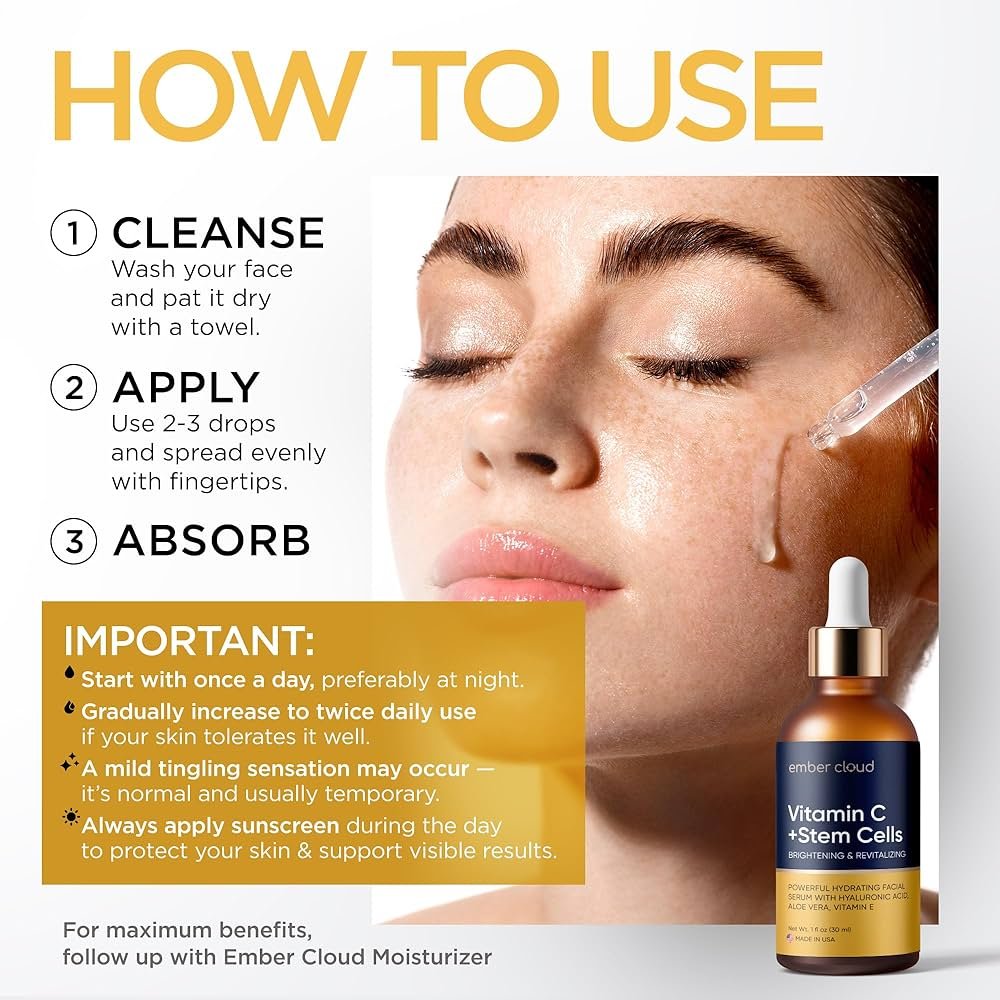
Imagine waking up to skin that feels fresh, radiant, and youthful. It’s not a dream; it’s what Vitamin C serum can do for you.
If you’ve been searching for that secret weapon in your skincare routine, Vitamin C serum might just be it. This potent skincare product is gaining popularity for all the right reasons. Whether you’re battling dullness, fine lines, or uneven skin tone, Vitamin C serum could be the game-changer your skin needs.
Ready to discover how this powerhouse ingredient can transform your complexion? Keep reading to uncover the remarkable benefits that Vitamin C serum has in store for your skin.
How Vitamin C Serum Works
Understanding how vitamin C serum works can change the way you care for your skin. This powerful antioxidant does more than just brighten your complexion—it actively supports your skin’s health at a cellular level. Let’s break down the science behind it so you can see why adding vitamin C serum to your routine makes such a difference.
How Vitamin C Protects Your Skin From Damage
Vitamin C neutralizes free radicals caused by sun exposure and pollution. These free radicals can damage skin cells and accelerate aging.
Using vitamin C serum creates a protective shield, reducing the impact of environmental stressors. Have you noticed your skin feeling calmer and less irritated after using it?
Boosting Collagen Production For Firmer Skin
Your skin’s firmness depends heavily on collagen, a protein that provides structure and elasticity. Vitamin C is essential for collagen synthesis, helping your skin stay plump and resilient.
Applying vitamin C serum regularly can improve skin texture and reduce fine lines. If you’ve struggled with sagging skin, this might be the boost your routine needs.
Evening Out Skin Tone And Reducing Dark Spots
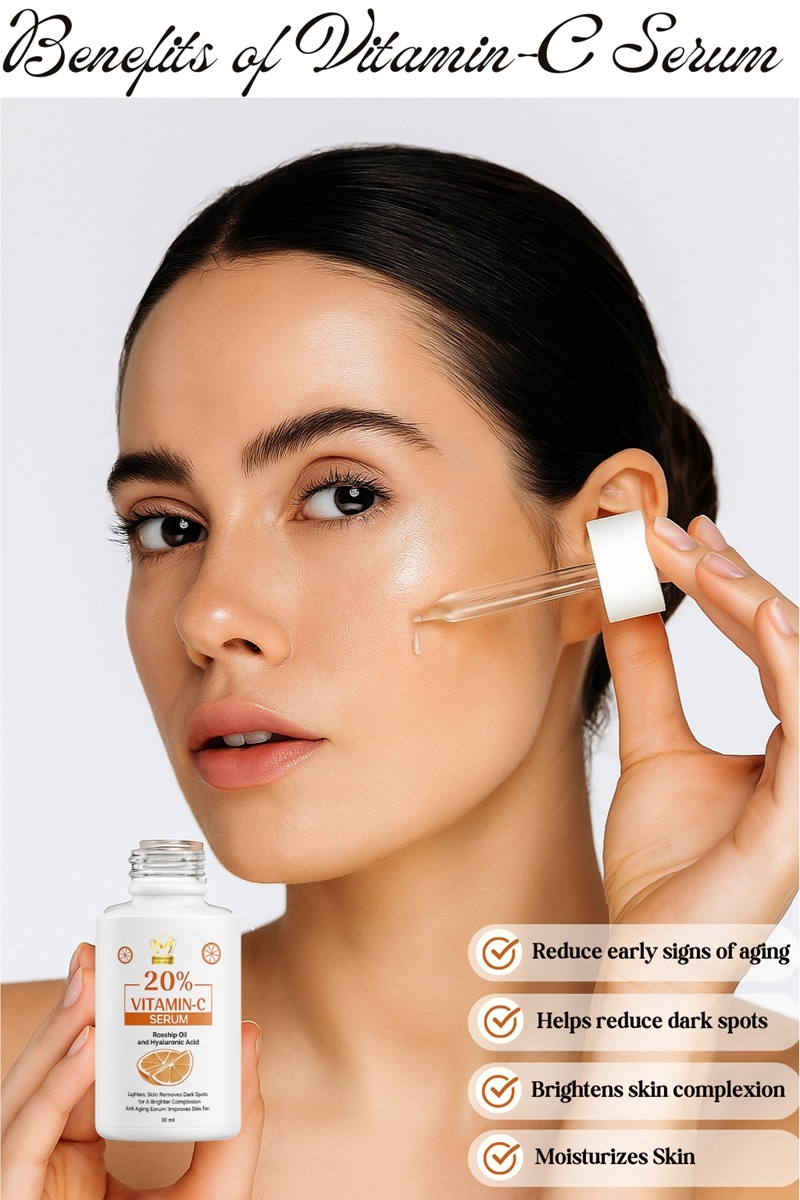
Vitamin C inhibits melanin production, which helps fade dark spots and hyperpigmentation. This leads to a more even and radiant complexion over time.
Have you ever wondered why some serums promise brightening effects? Vitamin C serum delivers on that promise by targeting discoloration directly.
Enhancing Skin Hydration And Repair
Vitamin C supports the skin’s barrier function, which locks in moisture and promotes healing. This can reduce dryness and improve overall skin comfort.
After adding vitamin C serum to my routine, I noticed my skin stayed hydrated longer—even in harsh weather conditions. Could this be the hydration gap you’ve been missing?
Credit: www.maquillagewellness.com
Boosting Collagen Production
Vitamin C serum plays a vital role in boosting collagen production. Collagen is a protein that keeps skin firm and youthful. As we age, collagen levels drop, causing wrinkles and sagging. Applying vitamin C serum supports the skin’s natural collagen-making process. It helps maintain skin strength and elasticity for a smoother, healthier look.
How Vitamin C Stimulates Collagen Synthesis
Vitamin C acts as a cofactor for enzymes that create collagen. These enzymes help link collagen fibers together. This makes the collagen stronger and more stable. Without enough vitamin C, collagen production slows down. Using a serum rich in vitamin C ensures these enzymes work efficiently.
Protecting Collagen From Damage
Vitamin C is a powerful antioxidant. It protects collagen from damage caused by free radicals. Free radicals come from sun exposure and pollution. These harmful molecules break down collagen and cause skin aging. Vitamin C neutralizes free radicals, preserving collagen’s structure and function.
Visible Effects Of Increased Collagen
Boosted collagen levels improve skin texture and firmness. Fine lines and wrinkles become less noticeable. Skin looks plumper and more vibrant. Regular use of vitamin C serum can lead to a youthful glow. It supports the skin’s natural repair and renewal process.
Fading Dark Spots And Hyperpigmentation
Dark spots and hyperpigmentation can make your skin tone look uneven and dull. Vitamin C serum is a powerful ally in reducing these discolorations. It works by targeting the excess melanin production that causes dark patches, helping your skin regain a more balanced and radiant appearance.
How Vitamin C Serum Inhibits Melanin Production
Vitamin C blocks the enzyme tyrosinase, which plays a key role in melanin creation. Less melanin means fewer dark spots over time. Consistent use of a Vitamin C serum can visibly lighten existing pigmentation and prevent new spots from forming.
Boosting Skin Brightness While Fading Dark Spots
Besides reducing pigmentation, Vitamin C brightens your skin by promoting collagen production. This helps your skin look firmer and more youthful. You might notice a natural glow emerging as dark spots gradually fade away.
Tips For Using Vitamin C Serum To Fade Hyperpigmentation
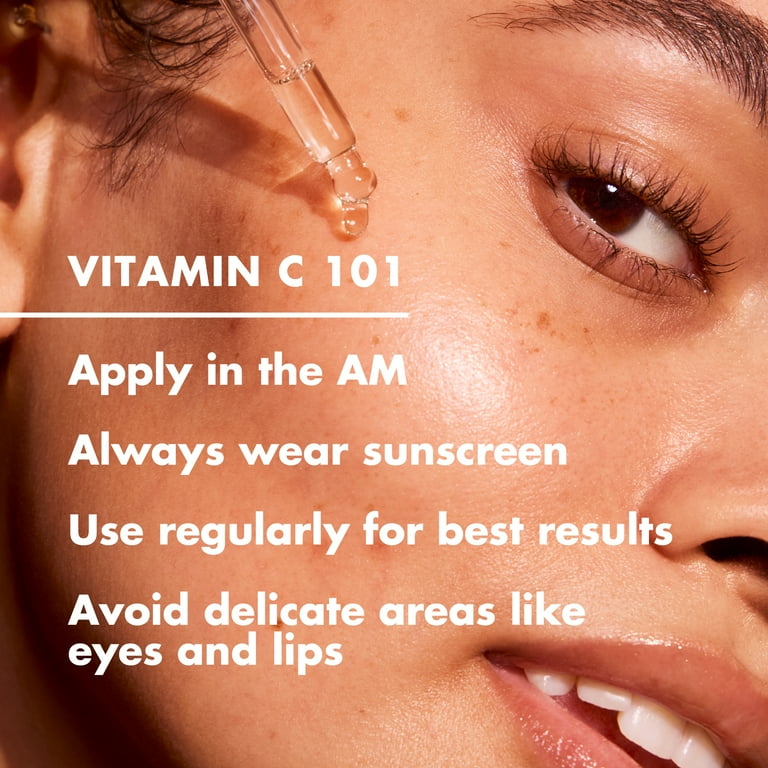
- Apply Vitamin C serum on clean, dry skin every morning.
- Follow with sunscreen to protect your skin and prevent new spots.
- Start with a lower concentration (10-15%) if you have sensitive skin.
- Be patient—results typically appear after 4 to 6 weeks of regular use.
Have you tried Vitamin C serum for your dark spots? How did your skin respond? Your experience can help others decide if this treatment fits their skincare routine.
Credit: www.walmart.com
Protecting Against Sun Damage
Sun exposure can harm your skin in many ways. UV rays cause damage that leads to wrinkles, dark spots, and even skin cancer. Vitamin C serum helps protect the skin from these harmful effects. It works as a powerful antioxidant, fighting free radicals caused by the sun.
Using Vitamin C serum daily strengthens the skin’s defense. It also supports skin repair after sun exposure. This makes your skin look healthier and more radiant over time.
How Vitamin C Neutralizes Free Radicals
Free radicals are unstable molecules from UV rays. They attack skin cells and cause damage. Vitamin C neutralizes these molecules. This stops damage and reduces signs of aging.
Enhancing Sunscreen Effectiveness
Vitamin C boosts the power of sunscreen. It helps block UVA and UVB rays. Applying serum under sunscreen creates a stronger shield. This combination gives better protection against sunburn and damage.
Reducing Sun-induced Inflammation
Sun exposure causes redness and swelling in the skin. Vitamin C has anti-inflammatory properties. It calms irritated skin and reduces redness. This helps maintain a clear and smooth complexion.
Preventing Dark Spots And Hyperpigmentation
UV rays increase melanin production, causing dark spots. Vitamin C inhibits melanin formation. Regular use helps fade existing spots. It also prevents new ones from forming.
Reducing Fine Lines And Wrinkles
Fine lines and wrinkles can feel like unwelcome reminders of aging, but Vitamin C serum offers a powerful way to soften their appearance. This potent antioxidant works beneath the skin’s surface to boost collagen production, a key protein that keeps your skin firm and elastic. If you’ve noticed your skin losing its bounce, Vitamin C serum could be a game-changer.
How Vitamin C Boosts Collagen To Smooth Wrinkles
Collagen gives skin its structure. As you age, collagen production slows down, leading to sagging and lines. Vitamin C plays a vital role in collagen synthesis, helping your skin maintain its strength and resilience.
Using a Vitamin C serum daily can stimulate your skin to produce more collagen. This means your skin can repair itself more effectively and regain a youthful look over time.
Protecting Skin From Damage That Causes Wrinkles
Environmental factors like sun exposure and pollution accelerate wrinkle formation by damaging skin cells. Vitamin C acts as an antioxidant, neutralizing harmful free radicals before they break down collagen and elastin.
Applying Vitamin C serum after cleansing creates a protective barrier. It shields your skin from oxidative stress, which is often the hidden cause behind premature wrinkles.
Visible Results: What You Can Expect
Many people report softer, smoother skin within a few weeks of consistent Vitamin C serum use. Fine lines around the eyes and mouth often appear less pronounced as skin texture improves.
Patience is key—Vitamin C works gradually to rebuild and protect. Are you ready to see your skin regain a firmer, more radiant glow?

Credit: www.amazon.com
Enhancing Skin Brightness
Vitamin C serum is widely celebrated for its ability to enhance skin brightness. It works deep within your skin to reduce dullness and bring out a natural, healthy glow. If you’ve ever felt your complexion looks tired or lackluster, adding vitamin C serum might be the simple change your routine needs.
How Vitamin C Brightens Your Skin
Vitamin C targets melanin production, which causes dark spots and uneven skin tone. By limiting melanin, it helps fade hyperpigmentation and gives you a clearer, more radiant complexion.
It also encourages collagen production, which keeps your skin firm and smooth. When your skin is plump and even-textured, it naturally appears brighter and more youthful.
Combating Dullness And Uneven Tone
Daily exposure to pollution and sun can leave your skin looking dull. Vitamin C serum acts as an antioxidant, neutralizing free radicals that damage skin cells.
Using the serum regularly can help restore your skin’s natural brightness by repairing this damage. Have you noticed how some days your skin just looks off? Vitamin C can help fix that.
Tips For Maximizing Brightness With Vitamin C Serum
- Apply serum on clean, dry skin for better absorption.
- Use a few drops and gently pat it in rather than rubbing aggressively.
- Follow up with sunscreen every morning to protect your brightened skin from UV damage.
- Be consistent—results typically show after 4-6 weeks of daily use.
Have you tried layering your vitamin C serum with other brightening products like niacinamide or hyaluronic acid? Combining these can boost your glow without irritating your skin.
Choosing The Right Vitamin C Serum
Choosing the right vitamin C serum can improve your skin health significantly. Not every serum suits every skin type or concern. Knowing which type, concentration, and ingredients work best helps you get the most benefit. This guide breaks down important points to consider before buying.
Types Of Vitamin C
Vitamin C comes in several forms in serums. The most common is L-ascorbic acid, known for its strong antioxidant power. It absorbs quickly but can be unstable and cause irritation in sensitive skin.
Other types include:
- Sodium ascorbyl phosphate – gentler and more stable.
- Magnesium ascorbyl phosphate – hydrating and good for dry skin.
- Ascorbyl glucoside – converts to vitamin C slowly, for sensitive skin.
Choose a type based on your skin’s tolerance and needs.
Concentration Levels
Vitamin C serums come in different strengths. Low concentrations (5-10%) suit sensitive or new users. They help your skin adjust without irritation.
Moderate levels (10-20%) provide effective antioxidant protection and brighten skin. High concentrations (above 20%) may offer stronger results but can cause redness or dryness.
Start with a lower concentration and increase as your skin builds tolerance.
Additional Ingredients
Look for serums with ingredients that boost vitamin C’s effect or soothe skin. Common additions include:
- Vitamin E – enhances antioxidant action and hydrates skin.
- Ferulic acid – stabilizes vitamin C and improves protection against sun damage.
- Hyaluronic acid – adds moisture and plumps the skin.
- Aloe vera or chamomile – reduce irritation and calm skin.
These ingredients improve results and make the serum gentler to use daily.
How To Apply Vitamin C Serum
Applying Vitamin C serum correctly can maximize its skin benefits, making your routine more effective. Understanding the right timing, how to pair it with other products, and proper storage ensures you get the most out of this powerful antioxidant. Let’s dive into practical tips that you can easily follow every day.
Best Time For Application
Vitamin C serum works best when applied in the morning. It helps protect your skin from daily environmental damage like pollution and UV rays. After cleansing and toning, apply the serum on dry skin to allow better absorption.
Have you noticed your skin feels different when you skip morning serum? That’s because Vitamin C boosts your skin’s natural defense early in the day. Follow it with a moisturizer and sunscreen to lock in the benefits and shield your skin further.
Layering With Other Products
Layering Vitamin C serum correctly can prevent irritation and improve results. Apply it after water-based products like toners but before heavier creams or oils. This order helps the serum penetrate deeply without interference.
- Avoid using Vitamin C serum with products high in niacinamide or benzoyl peroxide to reduce irritation risk.
- Pair it with hyaluronic acid for added hydration and plumpness.
- Finish with a moisturizer to seal everything in.
Have you ever mixed skincare products only to find your skin felt sensitive? Pay close attention to ingredient compatibility and watch your skin improve without discomfort.
Storage Tips
Vitamin C serum is sensitive to light and air, which can reduce its effectiveness. Store your serum in a cool, dark place to maintain its potency longer. Look for bottles with airtight, opaque packaging to protect the formula.
If your serum changes color to a dark yellow or brown, it might be oxidized and less effective. Have you checked your serum’s color lately? Using fresh serum ensures you get all the antioxidant benefits for your skin.
Potential Side Effects And Precautions
Vitamin C serums offer many skin benefits but may cause side effects for some users. It is important to know these risks before adding it to your routine. Taking precautions can help avoid irritation and other issues.
Possible Skin Reactions
Some people may experience redness, itching, or a burning sensation. These reactions often occur due to sensitive skin or high serum concentration. Start with a small amount to test your skin’s response. Stop use if discomfort continues.
Sun Sensitivity
Vitamin C can increase skin sensitivity to sunlight. Apply sunscreen daily to protect your skin. Avoid long sun exposure after using the serum. This lowers the risk of sunburn and damage.
Interactions With Other Products
Using Vitamin C with certain acids or retinoids may cause irritation. Avoid combining it with products containing benzoyl peroxide or AHAs. Space out application times to reduce skin stress.
Choosing The Right Concentration
Low concentrations (10% or less) suit sensitive skin better. Higher strengths may cause irritation in some users. Pick a serum that matches your skin type and needs.
Patch Testing
Always perform a patch test before full application. Apply a small amount on your wrist or behind the ear. Wait 24 hours to check for any reaction. This simple step can prevent major skin problems.
Frequently Asked Questions
What Are The Main Benefits Of Vitamin C Serum For Skin?
Vitamin C serum boosts collagen, brightens skin, and reduces wrinkles. It protects against sun damage and evens skin tone for a youthful glow.
How Does Vitamin C Serum Improve Skin Texture?
Vitamin C promotes collagen production, which firms and smooths skin. It helps fade scars and rough patches, resulting in softer, healthier skin.
Can Vitamin C Serum Reduce Dark Spots And Hyperpigmentation?
Yes, vitamin C inhibits melanin production, lightening dark spots and uneven patches. Regular use leads to a clearer, more radiant complexion.
When Is The Best Time To Apply Vitamin C Serum?
Apply vitamin C serum in the morning for antioxidant protection against daily environmental damage. It also works well under moisturizer and sunscreen.
Conclusion
Vitamin C serum offers many benefits for healthy skin. It helps brighten dull skin and reduce dark spots. Regular use can protect your skin from damage caused by the sun. It also supports collagen production, making skin look firmer and smoother.
Applying vitamin C serum daily improves skin tone and texture. It suits most skin types and fits well into any skincare routine. Simple, effective care for glowing, refreshed skin. Try adding vitamin C serum to feel the difference yourself.
