
Are you looking for a simple way to give your skin a fresh, radiant glow? Vitamin C serum might be exactly what your skincare routine is missing.
This powerful ingredient works deep to brighten your complexion, reduce dark spots, and even out your skin tone. Imagine waking up to skin that looks healthier and more vibrant every day. Keep reading to discover how vitamin C serum can transform your skin and how to choose the best one for your needs.
Your glow-up starts here.

Credit: www.thelenora.com
Benefits Of Vitamin C Serum
Vitamin C serum offers many benefits for skin brightening. It helps improve skin tone and texture. This powerful antioxidant supports a healthy, glowing complexion. Regular use can make skin look fresher and more youthful. The benefits extend beyond just brightness, impacting overall skin health.
Boosting Skin Radiance
Vitamin C helps brighten dull skin by reducing dullness. It improves skin’s natural glow and freshness. The serum enhances light reflection on the skin surface. This gives skin a radiant, healthy look. Using it daily can reveal a more vibrant complexion.
Fading Dark Spots
Vitamin C serum reduces the appearance of dark spots. It inhibits excess melanin production, which causes discoloration. Over time, spots from sun damage or acne fade. This leads to a more even skin tone. Consistent use helps maintain clear, spot-free skin.
Enhancing Collagen Production
Vitamin C stimulates collagen synthesis in the skin. Collagen keeps skin firm and smooth. Increased collagen reduces fine lines and wrinkles. This results in a youthful, plump appearance. The serum supports skin’s natural repair process.
Protecting Against Environmental Damage
Vitamin C acts as a shield against pollution and UV damage. It neutralizes harmful free radicals on the skin. This protection prevents premature aging and damage. The serum strengthens skin’s defense mechanisms daily. It helps maintain healthy, resilient skin.

Credit: www.amazon.com
Choosing The Right Vitamin C Serum
Choosing the right vitamin C serum is key to brightening your skin effectively. Not all serums are the same. Picking the correct type and concentration will help you get the best results. Other factors like added ingredients and packaging also matter a lot. Understanding these points makes your choice easier and safer for your skin.
Types Of Vitamin C
Vitamin C comes in several forms in skincare. The most common is L-ascorbic acid. It is the purest and most effective form. However, it can be unstable and may irritate sensitive skin. Other types like sodium ascorbyl phosphate and magnesium ascorbyl phosphate are gentler. They work slower but suit sensitive or dry skin better. Choose a type that fits your skin needs and tolerance.
Concentration Levels
Vitamin C serums come in different strengths. Concentrations range from 5% to 20% or higher. Low levels like 5% suit beginners or sensitive skin. Medium levels around 10-15% give visible brightening without much irritation. High levels above 15% offer strong results but may cause redness or dryness. Start with a lower concentration and increase as your skin adjusts.
Complementary Ingredients
Look for serums with ingredients that boost vitamin C’s effects. Hyaluronic acid helps hydrate and plump skin. Vitamin E protects skin and improves vitamin C stability. Ferulic acid enhances antioxidant power and extends shelf life. Avoid serums with alcohol or strong fragrances to reduce irritation. Balanced formulas improve skin health and serum effectiveness.
Packaging And Storage
Vitamin C breaks down when exposed to light and air. Choose serums in dark or opaque bottles. Air-tight pumps protect the serum from oxidation. Clear bottles can cause the serum to lose potency quickly. Store your serum in a cool, dry place away from sunlight. Proper packaging and storage keep the serum fresh and effective longer.
How To Use Vitamin C Serum Effectively
Using vitamin C serum correctly improves skin brightness and texture. Simple, careful steps help your skin absorb this powerful antioxidant well. Follow these guidelines to get the best results from your vitamin C serum.
Application Tips
- Start with clean, dry skin for better absorption.
- Use a few drops, not too much, to avoid waste and irritation.
- Gently pat the serum onto your face with fingertips.
- Avoid rubbing or pulling the skin.
- Focus on areas with dark spots or dullness.
Frequency And Timing
Use vitamin C serum once or twice daily. Morning use helps protect skin from pollution and sun damage. Night use supports skin repair and renewal. Consistency is key. Avoid skipping days for steady improvement.
Layering With Other Products
- Apply serum after cleansing and toning.
- Follow with moisturizer to lock in hydration.
- Avoid using with strong acids like AHAs or BHAs at the same time to reduce irritation.
- Use gentle products to complement vitamin C benefits.
Sun Protection Importance
Vitamin C makes skin more sensitive to sunlight. Apply broad-spectrum sunscreen every day after serum. Reapply sunscreen every two hours when outdoors. Sun protection keeps skin safe and enhances serum results. It prevents dark spots from returning.
Common Myths About Vitamin C Serum
Vitamin C serum is often praised for its skin-brightening effects, but many myths surround its use. These misconceptions can lead to unrealistic expectations or improper application. Clearing up these myths helps you get the most out of your skincare routine.
Immediate Results Expectation
You might expect your skin to brighten overnight after using vitamin C serum, but that’s rarely the case. Vitamin C works by gradually reducing dark spots and evening out skin tone over weeks of consistent use. If you don’t see instant changes, don’t be discouraged — your skin is quietly improving beneath the surface.
Think about how you noticed improvements in your skin after switching to a new moisturizer or sunscreen. Vitamin C serum is similar; it needs time to build up its effects. Patience is key.
Suitability For All Skin Types
Many believe vitamin C serum suits every skin type perfectly, but that isn’t always true. Some people with sensitive skin may experience irritation or redness, especially with high concentrations. If you have dry or sensitive skin, start with a lower concentration and do a patch test.
Oily or acne-prone skin can benefit from vitamin C serum too, but look for formulas labeled non-comedogenic to avoid clogged pores. Your skin’s unique needs should guide your choice, not just popular opinion.
Interactions With Other Ingredients
There’s a myth that vitamin C serum cannot be combined with other skincare ingredients. Actually, some combinations can boost its effects, while others might reduce its stability. For example, pairing vitamin C with vitamin E and ferulic acid enhances antioxidant protection.
However, combining vitamin C with benzoyl peroxide or retinol can cause irritation or decrease vitamin C’s effectiveness. Are you checking your products’ ingredient lists carefully? Understanding these interactions helps you create a safe and effective routine.
Potential Side Effects And Precautions
Vitamin C serums offer brightening benefits but may cause side effects in some users. Understanding these effects helps protect your skin and enjoy the best results. Always take precautions to avoid irritation or allergic reactions.
Skin Sensitivity
Vitamin C can cause mild skin sensitivity, especially for first-time users. Symptoms include redness, stinging, or dryness. Sensitive skin types may feel these effects more strongly. Start with a low concentration to reduce risk. Avoid using with harsh products to prevent irritation.
Allergic Reactions
Allergic reactions to vitamin C serum are rare but possible. Signs include itching, swelling, or rash. Stop using the serum immediately if these occur. Consult a dermatologist to ensure the product suits your skin type.
Patch Testing
Patch testing helps check for skin reactions before full use. Apply a small serum amount on the inner arm. Wait 24 to 48 hours to observe any redness or irritation. No reaction means the product is likely safe to use. This step lowers the chance of unwanted side effects.
Diy Vitamin C Serum Recipes
Creating your own Vitamin C serum at home can be a rewarding experience. It gives you control over the ingredients and lets you customize the formula to suit your skin’s needs. Plus, it’s often more affordable than store-bought options.
Simple Homemade Formulas
Start with powdered L-ascorbic acid, which is the purest form of Vitamin C. Mix about half a teaspoon with one tablespoon of distilled water or rose water for a gentle base.
Add a teaspoon of aloe vera gel to soothe your skin and boost hydration. If you want extra nourishment, a few drops of vitamin E oil or jojoba oil work well.
Always stir well until the powder dissolves completely. Use a clean glass dropper bottle to store your serum for easy application.
Storage Tips For Freshness
Vitamin C breaks down quickly when exposed to light and air, so store your serum in a dark, airtight container. Keep it in the fridge to slow oxidation and maintain potency.
Make small batches that you can use within one to two weeks. This practice ensures your serum stays effective and minimizes skin irritation risks.
Check your serum’s color regularly—if it turns dark yellow or brown, it’s time to make a fresh batch.
When To Avoid Diy Options
If you have very sensitive or acne-prone skin, be cautious with DIY Vitamin C serums. Incorrect pH levels or high concentrations can cause irritation or worsen breakouts.
Also, avoid homemade serums if you’re not confident about sterilizing your tools and containers properly. Contamination can lead to skin infections.
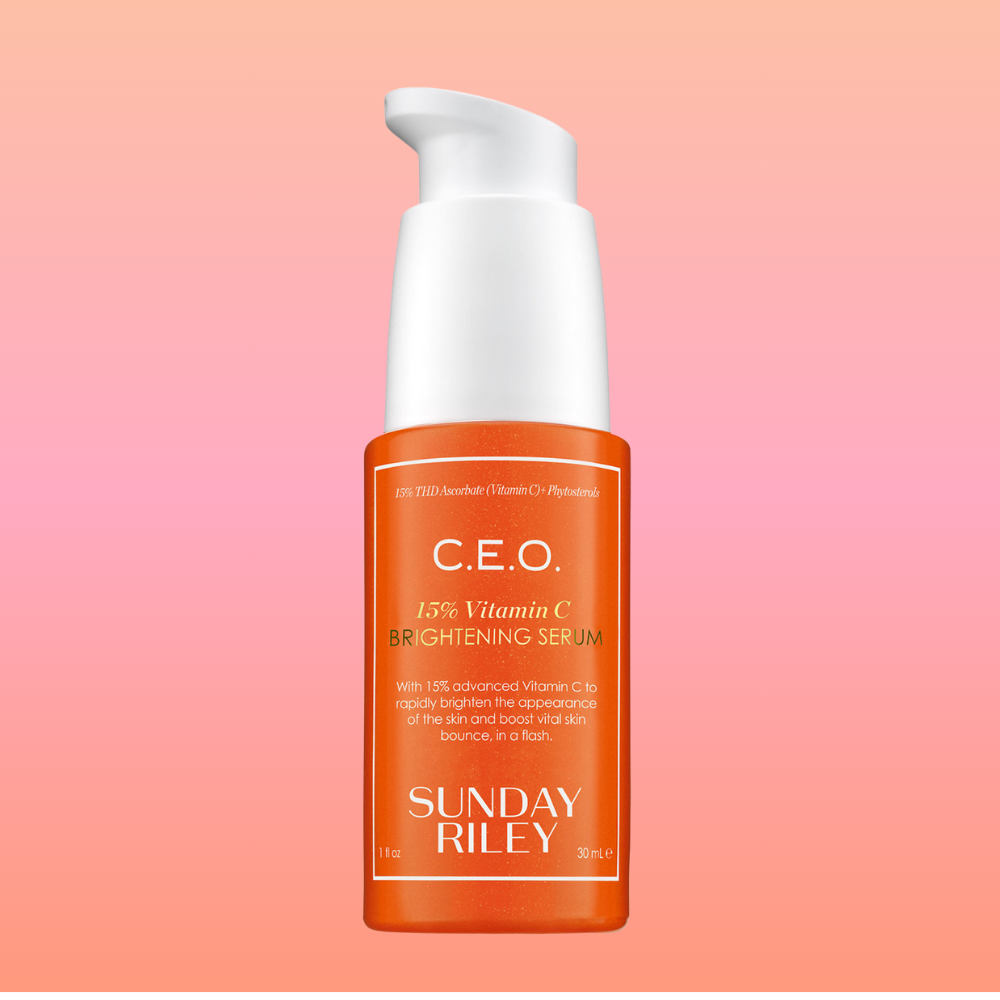
Sometimes, a professionally formulated serum offers better stability and safety. Would you risk your skin’s health just to save a few dollars?
Credit: sundayriley.com
Frequently Asked Questions
What Benefits Does Vitamin C Serum Offer For Skin Brightening?
Vitamin C serum boosts collagen, reduces dark spots, and evens skin tone. It fights free radicals and promotes a radiant complexion.
How Often Should I Apply Vitamin C Serum For Best Results?
Apply Vitamin C serum once daily, preferably in the morning. Consistent use enhances skin brightness and provides antioxidant protection.
Can Vitamin C Serum Help With Acne Scars And Pigmentation?
Yes, Vitamin C serum fades acne scars and pigmentation by promoting skin cell renewal and reducing melanin production effectively.
Is Vitamin C Serum Suitable For All Skin Types?
Vitamin C serum is generally safe for all skin types but start with a patch test. Sensitive skin may require lower concentrations.
Conclusion
Vitamin C serum helps brighten dull and tired skin. It also protects against damage from the sun and pollution. Regular use can improve skin tone and texture. Choose a serum with stable, pure vitamin C for best results. Apply it in the morning before moisturizer and sunscreen.
Be patient; visible changes take a few weeks. Clear, glowing skin is possible with consistent care. Simple steps lead to healthy skin over time. Try adding vitamin C serum to your daily routine today.
