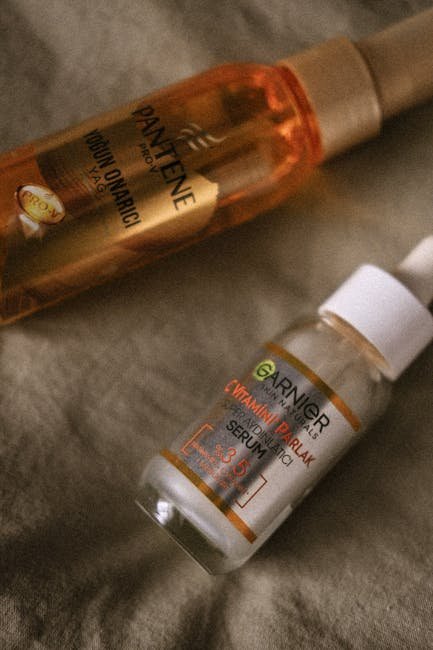
Are you looking for a natural way to brighten your skin and reduce dark spots? Vitamin C might be the secret ingredient you’ve been missing.
It’s known for its powerful ability to lighten skin tone and give you a fresh, glowing complexion. Imagine waking up to skin that looks clearer, more even, and radiant every day. You’ll discover how Vitamin C works, why it’s so effective, and how you can easily add it to your skincare routine.
Keep reading to unlock the glow you deserve!
How Vitamin C Affects Skin
Vitamin C plays a key role in maintaining healthy and bright skin. It works at the cellular level to improve skin texture and tone. Its effects target multiple skin functions, making it a popular choice for skin lightening and overall care.
Role In Collagen Production
Vitamin C helps the skin produce collagen, a protein that keeps skin firm and smooth. Collagen supports skin structure and prevents sagging and wrinkles. More collagen means skin looks younger and healthier.
Antioxidant Properties
Vitamin C acts as a strong antioxidant. It protects skin cells from damage caused by free radicals. These harmful molecules come from sun exposure and pollution. Antioxidants reduce inflammation and help skin heal faster.
Impact On Melanin Formation
Vitamin C inhibits melanin production, the pigment responsible for dark spots. It blocks the enzyme tyrosinase, which triggers melanin creation. This leads to a brighter, more even skin tone and reduces hyperpigmentation.
:max_bytes(150000):strip_icc()/ins-vitamin-c-serums-tout-update-d62c5fd76d774d20bf61277365b9c38d.jpg)
Credit: www.instyle.com
Benefits Of Vitamin C For Brightening
Vitamin C is a powerful ingredient for skin brightening. It helps improve the skin’s overall look by targeting dullness and discoloration. Regular use can lead to a clearer, more radiant complexion.
Reducing Dark Spots
Vitamin C works to fade dark spots caused by sun damage and aging. It blocks the production of melanin, the pigment that causes dark patches. This helps skin look more even and less blotchy over time.
Evening Skin Tone
Uneven skin tone can make the face appear tired and dull. Vitamin C helps balance the skin color by reducing redness and discoloration. This creates a smoother and more uniform skin surface.
Enhancing Radiance
Vitamin C boosts collagen production, which improves skin texture and firmness. It also protects skin from environmental damage. These effects lead to a brighter and more youthful glow.
Sources Of Vitamin C For Skin
Vitamin C plays a vital role in skin lightening by reducing pigmentation and promoting a brighter complexion. But where should you get this powerful nutrient from? Understanding the different sources of Vitamin C for your skin can help you decide the best way to achieve that radiant glow.
Topical Serums And Creams
Topical Vitamin C products are designed to deliver concentrated doses directly to your skin. Serums, in particular, absorb quickly and target dark spots and uneven tone effectively.
Look for products containing L-ascorbic acid, the most potent form of Vitamin C. Applying these consistently can boost collagen production and protect your skin from sun damage.
Have you noticed how your skin responds to different serums? Sometimes, the texture or concentration can make a big difference in how well your skin lightens.
Dietary Sources
Your diet directly affects your skin’s health. Foods rich in Vitamin C help nourish your skin from the inside out.
- Oranges, lemons, and other citrus fruits
- Strawberries and kiwi
- Bell peppers and broccoli
- Spinach and kale
Eating these regularly can support your skin’s natural repair processes and improve brightness. Have you tried adding a Vitamin C-rich smoothie to your morning routine?
Supplements
If you struggle to get enough Vitamin C from food or topical products, supplements can fill the gap. They offer a controlled dose that supports overall skin health.
Choose supplements with proven bioavailability for better absorption. However, remember that supplements work best alongside a balanced diet and skincare routine.
Do you keep track of your Vitamin C intake daily? It’s an easy habit that can significantly impact your skin’s clarity and glow.

Credit: auravedic.com
How To Use Vitamin C Safely
Vitamin C is a powerful ingredient for skin lightening, but using it safely is key to getting the best results without irritation. Understanding how to pick the right product and apply it correctly can protect your skin and boost effectiveness. Let’s look closely at practical tips to use Vitamin C safely in your skincare routine.
Choosing The Right Product
Not all Vitamin C products are created equal. Look for serums with L-ascorbic acid, the most effective form for brightening skin. Concentrations between 10% and 20% tend to balance potency and gentleness well.
Check the packaging too—Vitamin C breaks down when exposed to light and air. Dark glass bottles with airtight pumps help preserve the formula. If you have sensitive skin, consider Vitamin C derivatives like magnesium ascorbyl phosphate, which are milder but still effective.
Application Tips
Apply Vitamin C serum on clean, dry skin to maximize absorption. Use just a few drops and gently pat it on your face and neck. Avoid rubbing harshly, as this can cause irritation.
Vitamin C works well in the morning before sunscreen. This combo not only brightens your skin but also provides extra protection against UV damage. Are you layering other products? Apply Vitamin C before heavier creams or oils to ensure it penetrates deeply.
Possible Side Effects
Some people experience redness, dryness, or mild stinging when first using Vitamin C. If this happens, reduce the frequency to every other day until your skin builds tolerance. Never ignore persistent irritation—it’s your skin’s way of signaling distress.
Vitamin C can increase your skin’s sensitivity to sunlight. Skipping sunscreen after using it can lead to more damage than benefits. Do you notice any unusual reactions? Stop using the product and consult a dermatologist if needed.
Combining Vitamin C With Other Ingredients
Vitamin C is a powerhouse for skin lightening, but pairing it with the right ingredients can boost its effects and improve your skin’s overall health. Combining Vitamin C with complementary compounds helps stabilize it and enhances its ability to brighten and protect your skin. However, some mixes can reduce its effectiveness or irritate your skin, so knowing what to combine—and what to avoid—is key to achieving the best results.
Vitamin E And Ferulic Acid
Vitamin E and ferulic acid are classic partners for Vitamin C. Together, they create a powerful antioxidant trio that protects your skin from environmental damage. Vitamin E adds moisture and helps repair skin, while ferulic acid stabilizes Vitamin C and doubles its photoprotective benefits.
Using a serum with all three ingredients can brighten your complexion faster and keep your skin looking youthful. Have you tried a Vitamin C serum with Vitamin E and ferulic acid? Many users notice a more even skin tone and reduced redness with this combination.
Hyaluronic Acid
Hyaluronic acid doesn’t lighten skin on its own, but it’s a fantastic companion to Vitamin C. This ingredient attracts and holds moisture, which helps prevent dryness and irritation often caused by Vitamin C products. When your skin is well-hydrated, Vitamin C can work more effectively.
Layering hyaluronic acid after applying Vitamin C serum locks in hydration and keeps your skin plump and smooth. If you’ve experienced dryness or tightness from Vitamin C, adding hyaluronic acid might be the simple fix you need.
Avoiding Harmful Combinations
Not all ingredients play well with Vitamin C. Avoid mixing it with products that have a high pH, like some exfoliating acids (AHAs and BHAs), as they can destabilize Vitamin C and reduce its effectiveness. Also, using Vitamin C with retinol at the same time might irritate your skin, especially if you have sensitive skin.
Consider using Vitamin C in the morning and retinol at night to get the benefits of both without irritation. Have you noticed redness or stinging when combining certain products? Adjusting your routine could make a big difference in comfort and results.
Results And Expectations
Vitamin C is popular for brightening skin and reducing dark spots. Many people want to know when to see changes and how strong those changes will be. Results depend on several things like skin type and product quality. This section explains what to expect when using Vitamin C for skin lightening.
Timeline For Visible Changes
Visible results usually appear after consistent use for 4 to 6 weeks. Some users notice a glow within 2 weeks. Dark spots and uneven skin tone take longer to fade. Full benefits often show after 3 months of daily application. Patience is key as skin cells renew slowly.
Factors Affecting Effectiveness
- Skin type: Oily or dry skin may react differently.
- Product concentration: Higher Vitamin C levels work faster.
- Product stability: Fresh, well-preserved products perform better.
- Sun exposure: Sun protection improves results and prevents damage.
- Application routine: Regular morning and evening use is best.
Maintaining Results
Keep using Vitamin C even after seeing improvements. Skin can lose brightness without ongoing care. Use sunscreen daily to protect skin from UV rays. Combine Vitamin C with a healthy diet and hydration. Regular cleansing and moisturizing help maintain the skin’s glow.

Credit: hudhudshop.com
Frequently Asked Questions
What Are The Benefits Of Vitamin C For Skin Lightening?
Vitamin C brightens skin by reducing melanin production. It evens out skin tone and fades dark spots. It also boosts collagen, improving skin texture and radiance.
How Does Vitamin C Lighten Dark Spots On Skin?
Vitamin C inhibits tyrosinase, an enzyme that creates melanin. This reduces pigmentation and dark spots. Regular use gradually lightens uneven skin tone and promotes a clearer complexion.
Can Vitamin C Prevent Skin Damage And Discoloration?
Yes, Vitamin C is a powerful antioxidant. It protects skin from UV damage and pollution. This helps prevent discoloration and premature aging, maintaining a healthy, glowing complexion.
How Should Vitamin C Be Applied For Skin Lightening?
Apply Vitamin C serum on clean, dry skin once or twice daily. Use sunscreen afterward to protect skin. Consistent use yields the best skin lightening results.
Conclusion
Vitamin C helps in brightening skin. It reduces dark spots effectively. This vitamin boosts collagen production. It also protects against sun damage. Using it regularly can give noticeable results. Always choose a good quality product. Read labels for concentration levels.
A patch test is important. This avoids any allergic reactions. Consistent use is key for better outcomes. Consult a dermatologist for personalized advice. Remember, healthy skin takes time and care.
