
Are you looking to bring back the youthful glow to your mature skin? Vitamin C might just be your secret weapon.
As the years go by, your skin needs a little extra care and attention. That’s where Vitamin C steps in, offering a natural and effective way to rejuvenate your skin. Imagine waking up to a brighter, firmer complexion every day.
Sounds amazing, right? You’ll discover how incorporating Vitamin C into your skincare routine can transform your skin, reducing wrinkles and enhancing your natural radiance. Curious to learn more about this skin-loving vitamin and how it can benefit you? Read on to uncover the secrets of Vitamin C for mature skin.
Benefits Of Vitamin C For Mature Skin
Vitamin C is a powerhouse ingredient that can transform mature skin in multiple ways. Its benefits go beyond just brightening your complexion—it supports the structure and health of your skin at a deeper level. If you want to keep your skin firm, radiant, and hydrated, understanding what Vitamin C does for mature skin is essential.
Boosting Collagen Production
Collagen is the protein that keeps your skin firm and elastic, but its production slows down as you age. Vitamin C plays a crucial role in stimulating collagen synthesis, helping to maintain your skin’s strength and reduce the appearance of fine lines and wrinkles.
I’ve noticed a visible difference in my skin’s texture after consistently using Vitamin C serum. It feels firmer and looks more youthful. Wouldn’t you want your skin to bounce back with the same resilience?
Fighting Free Radicals
Free radicals are unstable molecules that damage skin cells and accelerate aging. Vitamin C acts as a powerful antioxidant that neutralizes these harmful molecules, protecting your skin from environmental damage like pollution and UV rays.
Imagine your skin as a shield—Vitamin C reinforces it, making it less vulnerable to daily assaults. Have you ever wondered why some people seem to age slower despite heavy sun exposure?
Reducing Hyperpigmentation
Dark spots and uneven skin tone are common concerns as skin matures. Vitamin C inhibits melanin production, which helps fade hyperpigmentation and brightens your complexion.
This benefit is especially noticeable if you struggle with age spots or sun damage. You don’t have to live with dull, blotchy skin—Vitamin C offers a clear path to a more even tone.
Enhancing Skin Hydration
Dehydration makes mature skin look dull and accentuates fine lines. Vitamin C supports your skin’s barrier function, helping it retain moisture better throughout the day.
When my skin felt dry and tight, adding Vitamin C to my routine helped it stay plump and hydrated. What if you could keep your skin hydrated without constantly applying heavy creams?
How Vitamin C Revives Radiance
Vitamin C is a powerful ingredient for mature skin. It helps bring back a healthy glow and youthful look. This vitamin works deep inside the skin to support natural repair and protection. It gives the skin a fresh and radiant appearance that often fades with age.
Brightening Dull Complexion
Vitamin C brightens the skin by reducing dark spots and uneven tones. It stops excess melanin, the pigment that causes dullness. Regular use leads to a clearer and more vibrant face. The skin looks fresher and awake, not tired or lifeless.
Improving Skin Texture
This vitamin smooths rough patches and uneven areas. It encourages the skin to produce more collagen, a protein that keeps skin firm. The result is softer and more supple skin. Fine bumps and dry spots become less noticeable over time.
Minimizing Fine Lines And Wrinkles
Vitamin C helps reduce the signs of aging like wrinkles and fine lines. It protects the skin from damage caused by free radicals and sun exposure. This protection slows down skin aging and boosts repair. Skin looks firmer and younger with less visible lines.
Choosing The Right Vitamin C Product
Choosing the right Vitamin C product is essential for mature skin care. The right formula brightens skin, reduces wrinkles, and boosts collagen. Not all Vitamin C products work the same. Different types, concentrations, and packaging affect results. Understanding these factors helps pick the best option for your skin needs.
Types Of Vitamin C Formulations
Vitamin C comes in several forms. Each has unique benefits and stability levels. The most common types include:
- L-Ascorbic Acid:The purest form. Works well but can irritate sensitive skin.
- Sodium Ascorbyl Phosphate:Gentler and more stable. Good for sensitive or dry skin.
- Magnesium Ascorbyl Phosphate:Hydrating and less irritating. Helps with brightening.
- Ascorbyl Glucoside:Converts slowly to Vitamin C. Gentle and long-lasting effects.
Choose a formulation that fits your skin type and sensitivity.
Concentration Levels To Consider
Vitamin C concentration impacts effectiveness and tolerance. Most products range between 5% and 20%. Lower concentrations suit sensitive or new users. Higher concentrations offer stronger results but may cause irritation.
- 5% to 10%:Good for beginners and sensitive skin.
- 10% to 15%:Ideal for regular use and visible improvement.
- 15% to 20%:Best for experienced users needing intense treatment.
Start low and increase concentration as your skin adjusts.
Packaging And Stability Factors
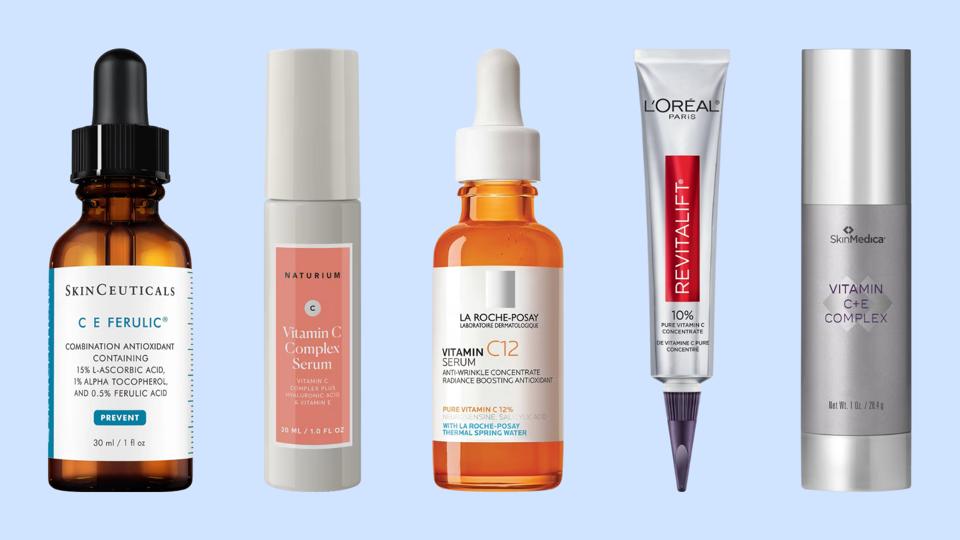
Vitamin C degrades with light and air exposure. Packaging plays a big role in keeping it stable. Look for products in:
- Opaque or dark glass bottles to block light.
- Air-tight pumps or dropper bottles to limit air contact.
- Small sizes to use up product before it loses potency.
Proper packaging ensures the Vitamin C stays effective longer.
Credit: uk.style.yahoo.com
Incorporating Vitamin C Into Your Routine
Adding Vitamin C to your skincare routine can make a noticeable difference, especially for mature skin. It brightens your complexion, boosts collagen, and helps protect against environmental damage. But how and when you use it matters just as much as which product you choose.
Best Time To Apply
Vitamin C works best when applied in the morning. It acts as an antioxidant shield, protecting your skin from daily pollutants and UV exposure. Use it after cleansing and toning but before moisturizing and applying sunscreen.
Applying Vitamin C at night is also an option, especially if your skin is sensitive. It allows the vitamin to work uninterrupted by sun exposure. Have you noticed your skin reacts differently depending on the time of day you use products?
Combining With Other Skincare Ingredients
Vitamin C pairs well with several ingredients but can clash with others. It works beautifully alongside Vitamin E and ferulic acid, which boost its stability and effectiveness. Many serums combine these for enhanced results.
Avoid using Vitamin C with strong acids like AHAs or BHAs at the same time, as this can irritate your skin. Also, steer clear of applying it directly with niacinamide to prevent dullness. Layering your products thoughtfully can save you from unwanted reactions.
Patch Testing And Sensitivity Tips
Starting with a patch test is crucial. Apply a small amount of Vitamin C serum on your inner wrist or behind your ear and wait 24 hours. Watch for redness, itching, or burning before using it on your face.
If you experience sensitivity, try a lower concentration (around 10%) and gradually increase as your skin builds tolerance. Mixing Vitamin C with your moisturizer can also reduce irritation. What’s your skin telling you when you try something new?
Common Myths About Vitamin C And Aging Skin
Vitamin C is a popular ingredient in skincare, especially for mature skin. Many ideas about its effects are not true. These myths can stop people from using Vitamin C properly. Understanding the facts helps you make better choices for your skin health.
Vitamin C Causes Irritation
Some believe Vitamin C always causes skin irritation. This is not true for most people. Irritation happens when the product concentration is too high or skin is sensitive. Using a lower strength or applying slowly reduces this risk. Many find Vitamin C gentle and soothing with regular use.
Results Are Instant
Vitamin C does not give immediate results. It works by protecting and repairing skin over time. Visible changes like brightness and smoothness take weeks. Patience is key for seeing real improvements. Consistent use delivers the best outcome for aging skin.
Vitamin C Alone Can Reverse Aging
Vitamin C supports skin health but cannot stop aging by itself. Aging is complex and needs multiple care steps. Using sunscreen, moisturizer, and a healthy diet also helps. Vitamin C works best combined with other healthy habits and skincare products.
Credit: www.forbes.com
Lifestyle Tips To Enhance Vitamin C Effects
Vitamin C works best when your lifestyle supports its benefits. Simple daily habits can boost its effects on mature skin. These tips help your skin absorb and use Vitamin C better. Healthy skin shows more glow, firmness, and fewer wrinkles.
Balanced Diet And Hydration
Eat foods rich in Vitamin C like oranges, strawberries, and bell peppers. Include leafy greens and nuts for extra nutrients. Drink plenty of water to keep skin hydrated and fresh. Hydration helps Vitamin C penetrate skin layers deeply. A healthy diet supports skin repair and brightens the complexion.
Sun Protection Practices
Use sunscreen daily to shield skin from harmful UV rays. UV exposure breaks down Vitamin C in the skin quickly. Wear hats and sunglasses for added protection. Avoid long sun exposure, especially during peak hours. Protecting skin helps Vitamin C work longer and better.
Avoiding Skin Stressors
Limit smoking and alcohol, which damage skin and reduce Vitamin C effects. Manage stress through rest and relaxation to prevent skin aging. Avoid harsh skincare products that cause irritation or dryness. Gentle care keeps skin barriers strong and supports Vitamin C benefits.
:max_bytes(150000):strip_icc()/ins-vitamin-c-serums-tout-update-d62c5fd76d774d20bf61277365b9c38d.jpg)
Credit: www.instyle.com
Frequently Asked Questions
What Benefits Does Vitamin C Provide For Mature Skin?
Vitamin C boosts collagen production, reducing wrinkles and fine lines. It brightens skin tone and protects against environmental damage, improving overall skin texture and firmness.
How Often Should Mature Skin Use Vitamin C Serum?
For best results, apply Vitamin C serum daily in the morning. Consistent use enhances skin brightness and protects against UV damage over time.
Can Vitamin C Reduce Age Spots On Mature Skin?
Yes, Vitamin C inhibits melanin production, which helps fade age spots. Regular use promotes a more even and youthful skin tone.
Is Vitamin C Safe For Sensitive Mature Skin?
Vitamin C is generally safe but start with a low concentration. Patch test first to avoid irritation, especially for sensitive or reactive skin types.
Conclusion
Vitamin C helps keep mature skin bright and healthy. It reduces wrinkles and boosts skin’s natural glow. Daily use can protect skin from damage. Choose products with stable, good-quality Vitamin C. Consistent care leads to softer, smoother skin over time.
Small changes make a big difference. Start adding Vitamin C to your routine today. Your skin will thank you for it.
