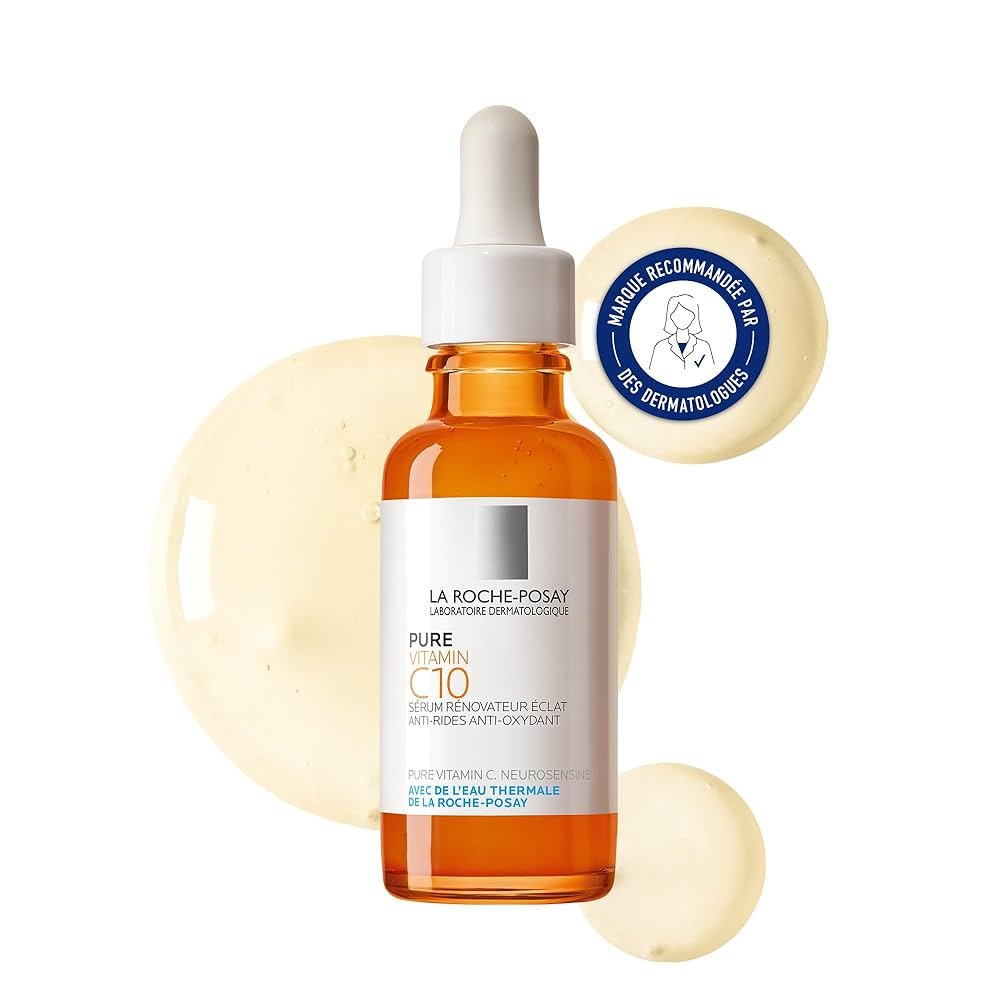
Are you tired of looking in the mirror and seeing acne scars that just won’t fade? You’re not alone.
Those stubborn marks can lower your confidence and make you feel self-conscious. But what if there was a simple step you could add to your skincare routine that helps brighten your skin and reduce those scars? That’s where Vitamin C serum comes in.
This powerful yet gentle ingredient could be the game-changer your skin has been waiting for. Keep reading to discover how Vitamin C serum works and why it might be the secret weapon you need to clear, glowing skin.

Credit: www.amazon.com
How Vitamin C Fights Acne Scars
Vitamin C is a powerful ingredient for treating acne scars. It works deep within the skin to improve texture and appearance. Its unique properties target the root causes of scarring. Understanding how Vitamin C fights acne scars helps you use it effectively.
Role In Collagen Production
Vitamin C boosts collagen synthesis in the skin. Collagen is a protein that keeps skin firm and smooth. Acne scars form when collagen breaks down. Using Vitamin C serum encourages new collagen growth. This helps fill in scars and smooth skin surface.
Antioxidant Benefits
Vitamin C is a strong antioxidant. It protects skin cells from damage caused by free radicals. Free radicals come from pollution, sun exposure, and stress. By neutralizing them, Vitamin C prevents further skin damage. This protection supports healthier skin healing from scars.
Reducing Inflammation
Inflammation worsens acne scars and redness. Vitamin C reduces inflammation by calming irritated skin. It soothes redness and swelling around scars. Less inflammation means faster healing and less visible scars. This makes skin look clearer and more even.
Types Of Vitamin C Serums
Vitamin C serums come in various forms, each with unique features that affect how well they work on acne scars. Choosing the right type can make a big difference in your skin’s healing process and brightness.
Understanding the types of Vitamin C serums helps you pick one that fits your skin type and goals. Let’s look at the most common forms and what makes them special.
Ascorbic Acid
Ascorbic acid is the purest and most researched form of Vitamin C. It’s powerful at fading acne scars and boosting collagen, but it can irritate sensitive skin.
Many people notice visible improvements in skin texture and tone within weeks of using ascorbic acid. However, its effectiveness depends on the serum’s concentration and how fresh the product is.
Have you tried a vitamin C serum that caused redness? It might have been a high concentration of ascorbic acid that your skin wasn’t ready for.
Magnesium Ascorbyl Phosphate
This form is gentler and more stable than ascorbic acid, making it a good choice if you have sensitive or dry skin. It converts to ascorbic acid once applied, providing antioxidant benefits without harshness.
Magnesium ascorbyl phosphate supports skin hydration and helps reduce pigmentation from acne scars. It’s less likely to cause irritation but may take longer to show results compared to pure ascorbic acid.
Think about how your skin reacts to new products—if redness or dryness is common, this type could be your go-to.
Sodium Ascorbyl Phosphate
Sodium ascorbyl phosphate is water-soluble and known for its stability and gentle action. It’s especially effective in fighting acne and reducing inflammation, which can prevent new scars from forming.
Besides its acne-fighting properties, it brightens your skin and promotes healing of existing scars. This makes it a well-rounded option if your skin is prone to breakouts and scarring.
Could a serum that helps both acne and scars improve your overall skin routine? This type might offer that balance.
Choosing The Right Serum For Your Skin
Choosing the right Vitamin C serum for your skin can make a huge difference in fading acne scars effectively. Not all serums are created equal, and picking one that matches your skin’s needs ensures better results and fewer side effects. Let’s break down what to look for so you can make a confident choice.
Skin Type Considerations
Your skin type plays a big role in how your skin reacts to Vitamin C serums. If you have sensitive skin, look for serums with a lower concentration of Vitamin C and soothing ingredients like aloe vera or chamomile to reduce irritation.
Oily or acne-prone skin benefits from lightweight, non-comedogenic serums that won’t clog pores. Dry skin types should opt for formulas that include hydrating agents like hyaluronic acid to prevent flakiness.
Have you noticed how some products leave your skin feeling tight or greasy? That’s a sign you might need to switch to a serum better suited for your skin type.
Concentration Levels
Vitamin C serums come in varying strengths, usually between 5% and 20%. If you’re new to Vitamin C, start with a lower concentration to see how your skin responds.
Higher concentrations can speed up the fading of acne scars but may cause redness or peeling if your skin isn’t used to it. Aim for a balance that boosts your skin’s glow without causing discomfort.
Think about how your skin handled past active ingredients—was it calm or irritated? That experience can guide your choice of concentration.
Additional Ingredients To Look For
Some serums combine Vitamin C with other powerful ingredients to enhance healing and skin texture. Look for serums that include vitamin E and ferulic acid; these boost Vitamin C’s stability and effectiveness.
Niacinamide is another great add-on that helps reduce redness and improves the overall appearance of scars. Ingredients like hyaluronic acid provide hydration, which is essential when treating damaged skin.
Check the label carefully—are these helpful ingredients included? They might be the difference between a good serum and a great one for your acne scars.
How To Use Vitamin C Serum Effectively
Using vitamin C serum correctly boosts its effects on acne scars. The right steps help skin absorb the serum well. This way, your skin looks brighter and scars fade faster.
Follow simple guidelines to get the best results. Avoid common mistakes that reduce vitamin C’s power.
Application Tips
- Clean your face gently before applying serum.
- Use a small amount, about a pea size.
- Apply serum with fingertips, patting gently on scars and skin.
- Don’t rub hard; let serum absorb naturally.
- Allow serum to dry for a few minutes before other products.
Best Time To Apply
- Apply vitamin C serum in the morning for daily protection.
- Use it on clean, dry skin for better absorption.
- Applying before sunscreen helps block sun damage.
- Can also apply at night for skin repair.
Combining With Other Skincare Products
- Use vitamin C serum after toner and before moisturizer.
- Avoid mixing with strong acids like AHAs or BHAs in the same routine.
- Pair with hyaluronic acid for extra hydration.
- Sunscreen is essential after vitamin C serum in the morning.
- Test new combinations on a small skin area first.
Expected Results And Timeline
Understanding the expected results and timeline of using Vitamin C serum for acne scars helps set realistic goals. You’ll want to know when to expect visible changes and how long you should stay consistent before judging its effectiveness. Let’s break down what improvements you can see and why patience is essential.
Visible Improvements
Vitamin C serum works by boosting collagen production and fading dark spots caused by acne scars. Many users notice a brighter complexion and a gradual reduction in hyperpigmentation within 4 to 6 weeks. Some scars may start to look less deep as the skin texture evens out.
Keep an eye out for these signs:
- Reduced redness and inflammation around scars
- Smoother skin texture in treated areas
- Lightening of dark spots and discoloration
But remember, results vary depending on your skin type and the severity of scars. Have you noticed subtle improvements after just a few weeks? That’s a good sign your skin is responding well.
Consistency And Patience
Using Vitamin C serum isn’t a quick fix. You need to apply it regularly, usually once or twice a day, for at least 8 to 12 weeks to see more significant changes. Missing days or stopping early can slow down your progress.
Think of it as a daily commitment to your skin’s healing process. Are you ready to stick to a routine for the long haul? Your skin needs time to rebuild and brighten.
Also, combine Vitamin C serum with sunscreen every morning. This protects your skin and prevents new scars or dark spots from forming. Without sun protection, your efforts might not show as expected.
Potential Side Effects And Precautions
Vitamin C serum can be a powerful ally against acne scars, but it’s important to understand its potential side effects and take proper precautions. Using it incorrectly or without care might lead to unwanted skin reactions that can worsen your condition instead of improving it. Let’s break down what you need to watch out for to keep your skin safe and glowing.
Skin Sensitivity
Vitamin C is an acid, which means it can cause irritation, especially if you have sensitive skin. Redness, itching, or a slight burning sensation are common signs that your skin is reacting to the serum. If you notice these symptoms, don’t ignore them—your skin might be telling you to slow down or reduce the strength of the product.
I once tried a high-concentration vitamin C serum without testing it first and ended up with a red, itchy face for two days. It taught me to start with lower concentrations and observe how my skin behaves. Would you risk trying a new product without knowing how your skin will respond?
Patch Testing
Before applying vitamin C serum to your entire face, perform a patch test on a small skin area. Apply a tiny amount on your wrist or behind your ear and wait 24-48 hours to check for any adverse reactions. This simple step can save you from a full-face flare-up.
- Choose an area with thin skin for better sensitivity detection.
- Monitor for redness, swelling, or itching during the test period.
- If irritation occurs, avoid using the serum or try a lower concentration.
When To Avoid Vitamin C Serum
There are certain situations when using vitamin C serum is not advisable. If you have open wounds, active acne breakouts, or extremely dry and cracked skin, applying the serum can cause further irritation. Also, if you’re using other strong skincare products like retinoids or acids, combining them with vitamin C might be too harsh.
Ask yourself: Is your skin already stressed? If yes, give it time to heal before introducing vitamin C serum. Patience can prevent setbacks and help you see better results in the long run.
Popular Vitamin C Serums For Acne Scars
Choosing the right Vitamin C serum can make a big difference in fading acne scars and brightening your skin. With so many options on the market, it’s important to find one that fits your skin type, budget, and personal preferences. Here’s a look at some popular Vitamin C serums that have helped many people reduce acne scars and improve their overall complexion.
Top-rated Products
Many users swear by serums like SkinCeuticals C E Ferulicfor its potent antioxidant blend that not only fades scars but also protects skin from environmental damage. Another favorite is Drunk Elephant C-Firma Day Serum, which combines Vitamin C with ferulic acid and vitamin E to boost skin radiance and even tone.
These serums may come with a higher price tag, but their effectiveness and quality ingredients often justify the investment. Have you ever tried a product that instantly made your skin glow? That feeling can be worth every penny.
Budget-friendly Options
If you’re looking to improve your skin without spending too much, brands like The Ordinary Vitamin C Suspension 23% + HA Spheres 2%offer great results at an affordable price. Another popular pick is Mad Hippie Vitamin C Serum, which uses natural ingredients to brighten skin and reduce scars without breaking the bank.
These options prove you don’t need to splurge to see improvements. What’s your budget for skincare, and how do you balance cost with effectiveness?
Natural Alternatives
For those who prefer a more natural approach, serums made with ingredients like Kakadu plum or rosehip oil provide a gentle yet effective Vitamin C boost. Brands like TruSkin Vitamin C Serumcombine natural sources with hyaluronic acid to hydrate and fade scars over time.
Natural serums often appeal to sensitive skin types and avoid synthetic additives. Have you noticed a difference when switching to natural skincare products?

Credit: www.forbes.com

Credit: elmanicare.com
Frequently Asked Questions
What Does Vitamin C Serum Do For Acne Scars?
Vitamin C serum brightens skin and boosts collagen production. It helps fade acne scars and evens out skin tone. Regular use improves skin texture and reduces discoloration caused by scars.
How Often Should I Apply Vitamin C Serum For Scars?
Apply Vitamin C serum once or twice daily. Use it after cleansing and before moisturizing. Consistency is key to seeing visible improvements in acne scars over time.
Can Vitamin C Serum Prevent New Acne Scars?
Yes, Vitamin C serum promotes skin healing and reduces inflammation. It strengthens skin barriers, minimizing scar formation after acne. However, it works best combined with proper acne treatment.
Are There Side Effects Of Vitamin C Serum On Acne-prone Skin?
Side effects are rare but may include mild irritation or redness. Always patch test before full application. Use a serum with suitable concentration for sensitive or acne-prone skin.
Conclusion
Vitamin C serum can help reduce acne scars effectively. It brightens the skin. Reduces redness. Boosts collagen production. Regular use can lead to clearer skin. Always patch test before full use. Choose products with stable Vitamin C forms. Consistent application is key.
Pair with sunscreen for best results. Hydrate skin to support healing. Consult a dermatologist for severe scars. Natural remedies may not suit everyone. Patience is important for visible results. Investing in quality products makes a difference. Remember, healthy skin boosts confidence.
Embrace your skincare journey. Reap the benefits of radiant skin.
