
Your nails say a lot about you, and taking care of them is more than just a beauty routine—it’s a way to boost your confidence and keep your hands healthy. But did you know there are different types of nail care that can make a big difference in how your nails look and feel?
Whether your nails are strong, weak, dry, or prone to breaking, understanding the right care methods can change everything. Keep reading to discover the simple yet effective nail care types you can start using today to transform your nails and give you that polished, healthy look you deserve.
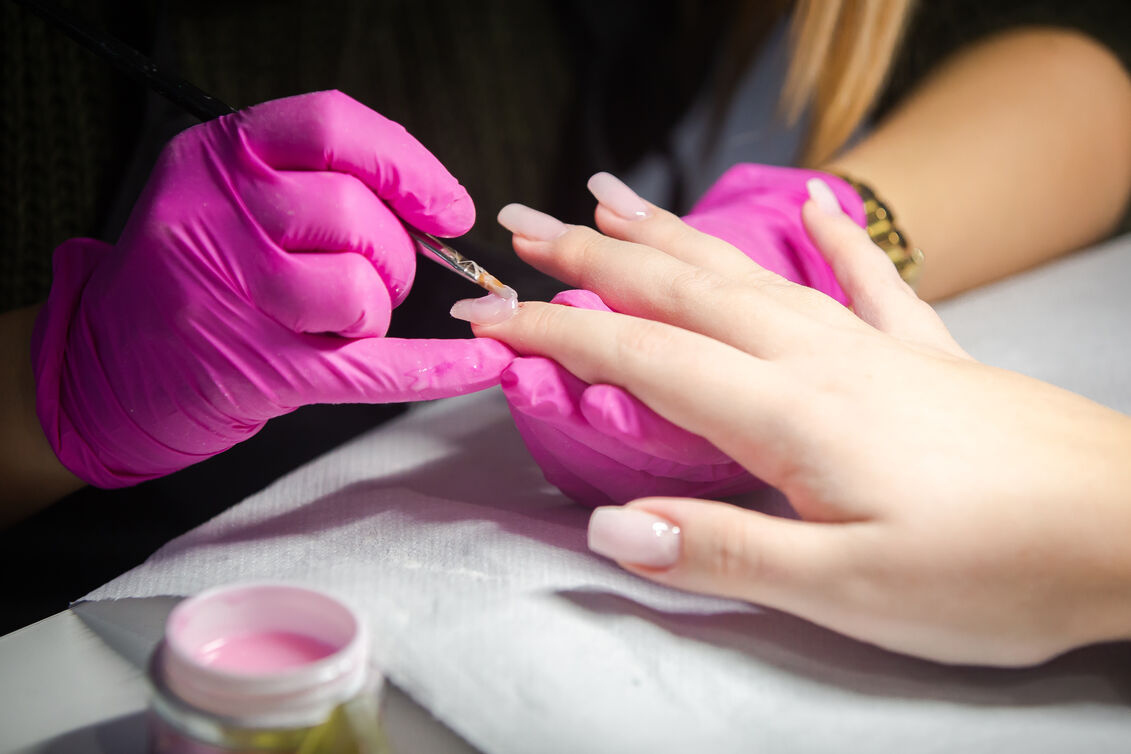
Credit: glossgenius.com
Basic Nail Care
Basic nail care forms the foundation of healthy, strong nails. Simple daily habits keep nails clean and protected. Proper care prevents problems like cracking, peeling, and infections. Understanding how to care for nails daily supports natural growth and beauty.
Daily Cleaning And Moisturizing
Clean nails daily to remove dirt and bacteria. Use a soft brush and gentle soap. Avoid harsh chemicals that dry out skin and nails. Moisturize nails and cuticles every day. Apply a nourishing cream or oil. This keeps nails flexible and less likely to break.
Proper Nail Trimming Techniques
Trim nails straight across to avoid ingrown nails. Use sharp nail clippers for a clean cut. Avoid cutting nails too short. Leave a little white edge to protect fingertips. Smooth edges with a nail file to prevent snags and tears.
Choosing The Right Nail Tools
Select quality tools for safe nail care. Use stainless steel clippers and scissors to avoid rust. Choose a fine-grit nail file for gentle shaping. Avoid metal files that can damage nails. Keep tools clean and sanitize regularly to prevent infections.
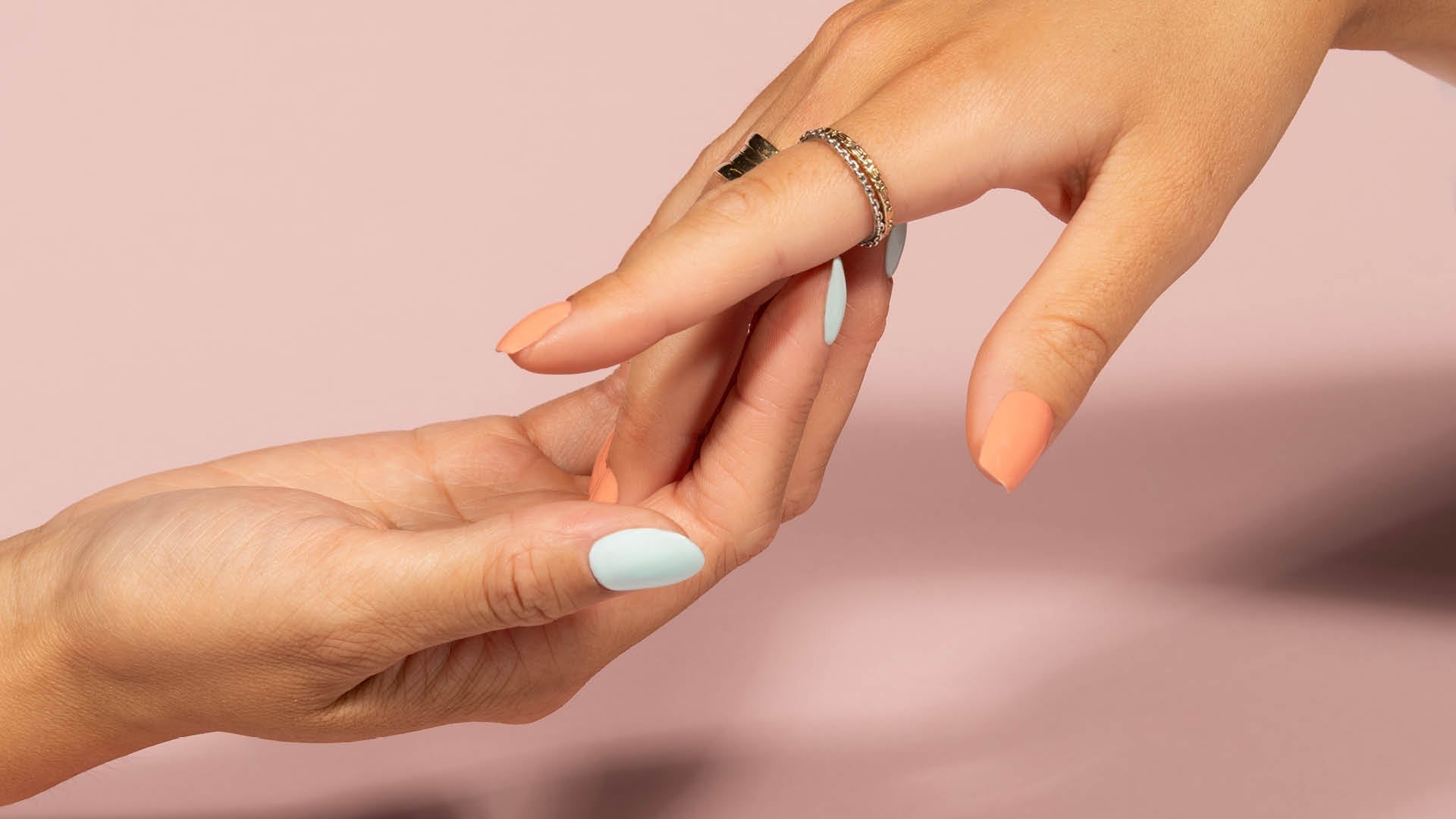
Credit: pn-selfcare.com
Manicure Styles
Manicure styles offer many ways to keep nails neat and attractive. Each style has unique features and care methods. Choosing the right style depends on personal taste and nail health. These popular manicure styles suit various occasions and preferences.
Classic Manicure
The classic manicure focuses on clean, well-shaped nails. It involves trimming, filing, and cuticle care. Nails get a smooth polish application in soft, natural colors. This style suits everyday wear and simple elegance.
French Manicure
The French manicure is known for its clean, crisp look. It features a pale pink or nude base with white tips. This style gives nails a fresh and polished appearance. It works well for formal events and professional settings.
Gel Manicure
Gel manicures use a special polish cured under UV or LED light. This method creates a hard, shiny finish that lasts longer than regular polish. Gel manicures resist chipping and keep nails glossy for weeks. They require professional removal to avoid nail damage.
Dip Powder Nails
Dip powder nails use colored powder and a bonding agent for a strong finish. This technique offers durability and a lightweight feel. Nails dry quickly without UV light, making the process faster. Dip powder nails hold color well and resist chips for several weeks.
Nail Health Tips
Keeping your nails healthy is more than just a beauty routine—it’s essential for your overall well-being. Nails can reveal a lot about your health, and proper care helps prevent issues that could affect your daily life. Here are some practical tips to help you maintain strong, infection-free nails and avoid common problems.
Preventing Nail Infections
Infections often start from simple habits like biting your nails or using unclean tools. Always clean your nail tools with alcohol before and after use to kill bacteria and fungi. Avoid sharing nail clippers or files, as this can transfer infections easily.
Keep your nails dry because moisture creates a perfect environment for fungal growth. If you work with water a lot, wear gloves to protect your nails. Noticed redness, swelling, or pain around your nails? Don’t ignore these signs—early treatment can stop infections from spreading.
Strengthening Weak Nails
Weak nails can peel, crack, or break easily, which is frustrating. To strengthen them, add a moisturizing routine using oils like jojoba or vitamin E oil, which nourish your nail beds. Avoid harsh nail polishes and removers that contain acetone—they dry out your nails.
Diet plays a big role too. Are you getting enough protein, zinc, and biotin? These nutrients support nail growth and strength. If your nails are still fragile, try a nail hardener but don’t overuse it, as it can make nails too rigid and prone to breaking.
Avoiding Common Nail Problems
What causes yellowing or ridges on your nails? Sometimes, it’s from smoking or fungal infections, but it can also be due to nail polish left on too long. Give your nails a break from polish every now and then to let them breathe.
Trimming nails straight across and rounding the tips slightly can help prevent ingrown nails. Also, avoid using your nails as tools to open things or scratch surfaces—that leads to damage. Have you ever experienced painful hangnails? Moisturize your cuticles regularly to reduce this painful issue.
Natural Nail Care
Natural nail care focuses on nurturing your nails without relying on synthetic products or harsh treatments. It’s about understanding your nails’ needs and using gentle, wholesome methods to keep them strong and healthy. Have you ever noticed how a simple change in your routine can make your nails look and feel better?
Using Natural Oils And Remedies
Natural oils like coconut, jojoba, and almond oil work wonders for your nails and cuticles. They provide deep hydration, preventing dryness and cracking. Massaging these oils into your nails daily can boost blood circulation and encourage nail growth.
Some remedies, such as soaking your nails in warm olive oil or applying aloe vera gel, also calm inflammation and strengthen nails. You don’t need expensive products; nature offers plenty of options that you might already have in your kitchen.
Benefits Of Nail Buffing
Nail buffing smooths the surface of your nails, removing ridges and giving them a natural shine. It’s a simple technique that can make your nails look polished without using nail polish. Buffing also stimulates blood flow to the nail bed, which promotes healthier growth.
However, it’s important not to overdo it. Excessive buffing can thin your nails and cause damage. How often you buff matters more than how vigorously you do it.
Avoiding Harsh Chemicals
Many nail products contain chemicals that can weaken your nails over time. Ingredients like formaldehyde, toluene, and acetone strip away natural oils, leaving nails brittle. Choosing non-toxic or natural alternatives protects your nails from this damage.
Simple changes like switching to acetone-free polish remover or skipping artificial nails can have a big impact. Have you checked the labels on your nail products lately to see what you’re really putting on your nails?
Professional Nail Treatments
Professional nail treatments offer expert care for healthy, beautiful nails. These services include manicures, pedicures, nail strengthening, and specialized treatments. Professionals use quality tools and products to ensure safety and long-lasting results.
Visiting a nail salon can enhance nail health and style. Skilled technicians can spot early signs of nail problems and suggest proper care. Regular treatments help maintain nail strength and prevent damage.
Choosing A Nail Salon
Select a nail salon with good hygiene and trained staff. Check for clean tools and sanitized workstations. Read reviews to learn about customer experiences.
Ask about the products used. Prefer salons that use non-toxic, gentle nail polishes and treatments. Make sure technicians follow safety rules to avoid infections.
When To Seek Medical Advice
Consult a doctor if nails show signs of infection or pain. Symptoms like redness, swelling, or pus require medical attention. Nail discoloration or thickening could indicate health issues.
Persistent nail problems should not be ignored. Early diagnosis helps prevent worsening conditions. Professionals may refer clients to dermatologists for serious concerns.
Trends In Nail Art And Care
Simple nail art designs remain popular among many clients. Minimalist patterns and soft colors suit everyday looks. Gel and shellac finishes offer shine and durability.
Nail care trends focus on natural nail health. Cuticle oils and strengthening treatments are widely used. Many prefer eco-friendly and cruelty-free products for care and art.

Credit: www.snip.co.in
Frequently Asked Questions
What Are The Basic Types Of Nail Care?
Basic nail care includes trimming, filing, moisturizing, and cleaning. These steps keep nails healthy and prevent damage or infection.
How Often Should I Perform Nail Care Routines?
Perform nail care routines weekly to maintain nail health. Regular care prevents brittleness and promotes strong, clean nails.
What Tools Are Essential For Proper Nail Care?
Essential nail care tools include nail clippers, files, cuticle pushers, and moisturizers. Using quality tools ensures safe and effective care.
Can Nail Care Prevent Nail Infections?
Yes, proper nail care reduces infection risks. Keeping nails clean and dry, and avoiding damage helps prevent fungal and bacterial infections.
Conclusion
Nail care offers many options to keep your nails healthy. Basic manicures and pedicures help maintain clean nails. Gel and acrylic nails provide stylish choices. Regular trimming prevents breakage and promotes growth. Moisturizing keeps nails strong and prevents dryness. Nail art adds fun and personality to your style.
Choose natural treatments for a gentle approach. Each type has unique benefits for your nails. Explore different methods to find what suits you best. Prioritize your nail health for lasting beauty. Remember, consistent care leads to beautiful, healthy nails. Enjoy the process of pampering your nails regularly.
