Are you looking to transform your skincare routine and achieve that radiant, youthful glow? If so, the secret might just lie in a small tube of tretinoin.
This potent skincare ingredient is a powerhouse for tackling everything from acne to fine lines, making it a must-have in your beauty arsenal. But before diving in, it’s essential to understand how to use it effectively to get the best results.
In this guide, we’ll walk you through a step-by-step tretinoin skincare routine, ensuring you harness its full potential without the common pitfalls. Get ready to unveil your skin’s true radiance as we explore the ins and outs of incorporating tretinoin into your daily regimen. Keep reading, because your path to healthier, more vibrant skin starts here.
What Is Tretinoin?
Tretinoin is a powerful skincare ingredient that many people swear by for clearer, smoother skin. But what exactly is it, and why has it become a staple in so many routines? Understanding tretinoin can help you decide if it’s the right step for your skin journey.
Tretinoin is a form of vitamin A that dermatologists often prescribe to treat acne, wrinkles, and sun damage. It works by speeding up cell turnover, which means your skin sheds old cells faster and produces new, healthy ones.
This process can improve skin texture, reduce fine lines, and clear clogged pores. But it’s not just for acne; many people use tretinoin to keep their skin youthful and radiant.
How Does Tretinoin Work?
Tretinoin penetrates deep into the skin’s layers. It encourages the production of collagen, a protein that keeps your skin firm and elastic.
At the same time, it helps fade dark spots and smooth out rough patches. You might notice some redness or peeling at first—that’s your skin adjusting and renewing itself.
Who Should Use Tretinoin?
If you struggle with stubborn acne or want to combat early signs of aging, tretinoin might be worth trying. However, it’s strong and not suitable for everyone, especially if you have very sensitive skin or are pregnant.
Consulting a dermatologist before starting tretinoin ensures you use it safely and effectively.
What To Expect When You Start Using Tretinoin?
Many users experience an initial “purging” phase where breakouts can worsen before improving. This can be frustrating but is usually temporary.
Over time, consistent use leads to smoother, clearer skin. Patience is key—results often take several weeks to become visible.
Benefits For Skin
Using tretinoin in your skincare routine offers a range of benefits that can transform your skin’s health and appearance. This powerful ingredient works deeply to target common skin concerns, making it a favorite for many who seek clearer, smoother, and younger-looking skin. Let’s break down how tretinoin specifically helps with acne, aging, and texture.
Acne Treatment
Tretinoin is highly effective at clearing acne by speeding up cell turnover. It helps prevent clogged pores, which are the main cause of breakouts. If you’ve struggled with stubborn acne, you might find that tretinoin reduces the frequency and severity of your flare-ups over time.
Some users notice initial irritation or dryness, but these often fade as your skin adjusts. Have you ever wondered why some acne treatments work quickly but don’t last? Tretinoin offers long-term improvement by addressing the root cause, not just the symptoms.
Anti-aging Effects
Tretinoin stimulates collagen production, which fades fine lines and wrinkles. It also evens out skin tone and reduces dark spots caused by sun damage. Many users report a more youthful glow after consistent use for several weeks.
Think about your skin’s texture and firmness—how much could they improve if your skin regenerated faster? Tretinoin can help your skin look firmer and smoother, restoring a natural, healthy appearance that reflects your inner vitality.
Improving Skin Texture
Rough or bumpy skin can become soft and smooth with tretinoin. It works by shedding dead skin cells and encouraging new cell growth. This process can reduce the appearance of large pores and improve overall skin clarity.
Have you noticed how dull skin can make you look tired? Regular use of tretinoin can brighten your complexion and give you a fresher, more vibrant look. The key is patience—texture improvements often appear gradually but are well worth the wait.
Choosing The Right Tretinoin
Choosing the right tretinoin is important for your skin health and treatment success. Tretinoin comes in various strengths and forms. Picking the right one depends on your skin type, sensitivity, and goals. Understanding the differences helps avoid irritation and ensures steady progress.
Different Strengths
Tretinoin creams and gels come in several strengths. Common options include 0.025%, 0.05%, and 0.1%. Starting with a lower strength reduces the chance of redness and peeling. Over time, your skin may tolerate stronger doses for better results. Adjusting the strength gradually is safer and more comfortable.
Prescription Vs Over-the-counter
Prescription tretinoin is stronger and requires a doctor’s advice. It often delivers faster and more noticeable improvements. Over-the-counter retinol products are milder and available without a prescription. They convert to tretinoin slowly in the skin. Beginners or sensitive skin types may prefer OTC options to avoid harsh reactions.

Credit: thescarletlilyblog.com
Preparing Your Skin
Preparing your skin before applying tretinoin is crucial to maximize its benefits and reduce irritation. How you cleanse and moisturize can set the tone for how your skin reacts to tretinoin. Taking a thoughtful approach here can make a noticeable difference in your skincare journey.
Cleansing Tips
Start with a gentle cleanser that doesn’t strip your skin of natural oils. Avoid harsh scrubs or exfoliants as they can increase sensitivity when using tretinoin.
Use lukewarm water instead of hot water to rinse your face. Hot water can dry out your skin and make tretinoin more irritating.
Pat your skin dry with a soft towel rather than rubbing. This helps to maintain your skin’s moisture barrier and keeps it calm before applying tretinoin.
Moisturizing Before Use
Applying a moisturizer before tretinoin can create a buffer that reduces dryness and redness. This step can be a game changer, especially if you have sensitive skin.
Choose a moisturizer that is fragrance-free and rich in hydrating ingredients like ceramides or hyaluronic acid. These help strengthen your skin’s barrier without clogging pores.
Try applying moisturizer about 15-20 minutes before tretinoin, allowing it to absorb fully. This simple timing trick can ease irritation and improve your skin’s tolerance.
Step-by-step Routine
Getting the most out of your tretinoin skincare routine means paying attention to how you apply it and when you use it. A clear, step-by-step approach can help your skin adjust better and reduce irritation. Let’s break down the essential parts of your routine so you can see real results without the guesswork.
Nighttime Application
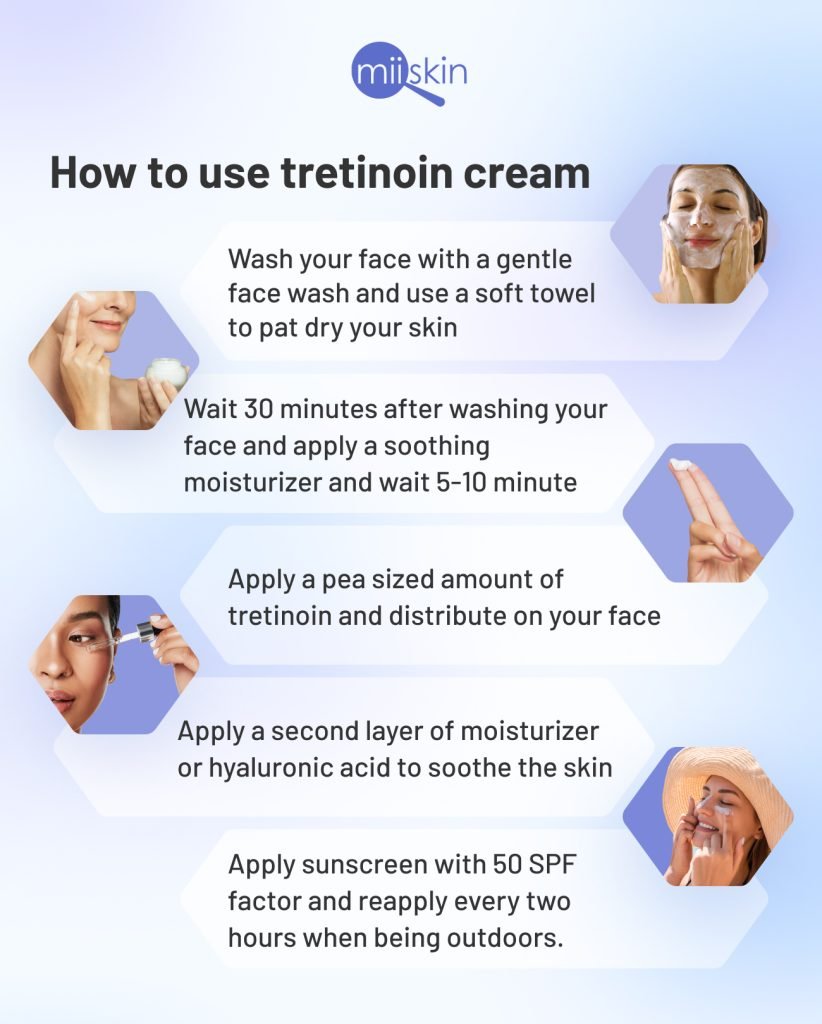
Always apply tretinoin at night. Your skin heals and regenerates best while you sleep, and tretinoin can make your skin sensitive to sunlight.
Start with a clean, dry face. Wait at least 20 minutes after washing to apply tretinoin—this helps reduce stinging or redness.
Use a pea-sized amount for your entire face. Dab small dots on your forehead, cheeks, chin, and nose, then gently spread it evenly. Avoid the eye area and corners of your nose to prevent irritation.
After applying tretinoin, wait a few minutes before adding your moisturizer. This layering helps lock in hydration and soothes your skin.
Frequency And Timing
When you first start, less is more. Apply tretinoin every other night or just twice a week to let your skin build tolerance.
Notice any redness or peeling? If so, slow down the frequency and focus on moisturizing. Your skin needs time to adjust.
Once your skin feels comfortable, you can increase to nightly use. But never rush—consistency beats intensity.
Do you know the best time to apply tretinoin? Right before bed, after your skin is completely dry and before moisturizer. This routine protects your skin and maximizes tretinoin’s benefits.
Managing Side Effects
Starting a tretinoin skincare routine can bring noticeable improvements, but managing side effects is key to staying consistent and comfortable. Side effects like dryness, peeling, redness, and irritation are common, especially in the first few weeks. Understanding how to handle these reactions can make your experience smoother and more effective.
Dryness And Peeling
Dryness and peeling often catch people off guard when they first use tretinoin. Your skin might feel tight and flaky, which can be uncomfortable. To ease this, apply a gentle, hydrating moisturizer right after tretinoin to lock in moisture.
Try waiting 20 minutes after applying tretinoin before moisturizing to avoid diluting the product. You can also reduce how often you apply tretinoin if the dryness becomes too intense. Have you noticed your skin reacts differently on certain days? Adjusting frequency based on your skin’s response can help you find the right balance.
Redness And Irritation
Redness and irritation are signals your skin is adjusting to tretinoin. Instead of stopping completely, consider using soothing products with ingredients like niacinamide or aloe vera to calm your skin. Avoid harsh scrubs or exfoliants that can worsen irritation.
Some find that applying tretinoin every other night or mixing it with a moisturizer helps minimize redness. Pay attention to how your skin feels the next day and tweak your routine accordingly. What simple changes could you make to reduce irritation without giving up on tretinoin?
When To Seek Help
Not all side effects should be managed alone. If you experience severe burning, swelling, or persistent pain, it’s important to consult a dermatologist. These symptoms might indicate an allergic reaction or overuse.
Also, if side effects last beyond several weeks without improvement, professional advice can guide you to safer alternatives or adjusted dosages. Remember, your skin’s health matters more than pushing through discomfort.
Complementary Products
Complementary products support tretinoin’s effects and protect your skin. They help reduce irritation and boost hydration. Using the right products creates a balanced skincare routine. This makes tretinoin safer and more effective.
Sunscreens
Sunscreens protect skin from harmful UV rays. Tretinoin increases skin sensitivity to the sun. Using a broad-spectrum sunscreen with at least SPF 30 is essential. Apply it every morning, even on cloudy days. This prevents sunburn and long-term skin damage.
Gentle Cleansers
Gentle cleansers clean skin without stripping natural oils. Tretinoin can cause dryness and irritation. Choose a mild, fragrance-free cleanser to soothe skin. Avoid harsh scrubs or foaming cleansers. Clean skin prepares it for tretinoin application.
Hydrating Serums
Hydrating serums add moisture and calm skin. Look for serums with hyaluronic acid or glycerin. These ingredients draw water into the skin. Use serums before applying moisturizer. They help reduce dryness and improve skin texture.

Credit: drbaileyskincare.com
Common Mistakes To Avoid
Starting a tretinoin skincare routine can be exciting but tricky. Mistakes might cause irritation or slow progress. Avoiding common errors helps your skin heal and glow. Keep your routine simple and steady. Patience is key for best results.
Using Too Much Product
Applying a thick layer of tretinoin irritates your skin. A pea-sized amount is enough for the whole face. More product does not speed up results. It increases redness and peeling.
Skipping Moisturizer
Tretinoin can dry out your skin fast. Always use a gentle moisturizer after applying tretinoin. This reduces dryness and soothes irritation. Moisturizer protects your skin barrier.
Not Using Sunscreen
Tretinoin makes your skin more sensitive to the sun. Skipping sunscreen can cause sunburn and damage. Apply a broad-spectrum SPF 30 or higher daily. Protect your skin even on cloudy days.
Applying Tretinoin On Wet Skin
Wet skin increases tretinoin absorption, causing more irritation. Wait at least 20 minutes after washing your face. Apply tretinoin on dry skin to reduce redness.
Using Tretinoin Too Often At First
Starting with daily use can overwhelm your skin. Begin with every other night or less. Gradually increase frequency as your skin adapts. This helps avoid peeling and discomfort.
Tips For Long-term Success
Achieving lasting results with a tretinoin skincare routine takes more than just applying the product. It needs a thoughtful approach and steady habits. Understanding key tips helps you maintain healthy skin and avoid common setbacks. Focus on building a routine that works for you over time.
Consistency
Use tretinoin at the same time every day or night. This helps your skin adjust and improves results. Skipping days can slow progress and cause irritation. Stick to the recommended amount. Applying too much won’t speed results and may harm your skin.
Keep your routine simple. Cleanse gently before applying tretinoin. Follow with a moisturizer to reduce dryness. Avoid adding many new products at once. This can confuse your skin and cause reactions.
Patience And Expectations
Results from tretinoin take weeks to months. Do not expect instant changes. Your skin may peel or flare up initially. This is normal and usually improves with time.
Set realistic goals. Tretinoin helps with acne, wrinkles, and texture, but changes happen gradually. Celebrate small improvements. Avoid stopping treatment too soon.
Credit: www.lemon8-app.com
Frequently Asked Questions
What Is The Best Time To Apply Tretinoin?
Apply tretinoin at night on clean, dry skin. Nighttime use reduces sun sensitivity and enhances effectiveness. Avoid applying right after washing your face to minimize irritation. Consistent nightly application yields the best results in skin texture and tone improvement.
How Often Should I Use Tretinoin Initially?
Start using tretinoin 2-3 times a week to build tolerance. Gradually increase frequency to nightly use as your skin adjusts. Overuse can cause redness and peeling. Patience helps your skin adapt safely and maximizes tretinoin benefits.
Can I Use Moisturizer With Tretinoin?
Yes, using moisturizer with tretinoin helps reduce dryness and irritation. Apply moisturizer after tretinoin absorbs or use a gentle moisturizer before tretinoin as a buffer. This routine maintains skin hydration and improves comfort during treatment.
Is Sunscreen Necessary During Tretinoin Treatment?
Absolutely, sunscreen is essential when using tretinoin. Tretinoin increases sun sensitivity, raising the risk of sunburn. Use broad-spectrum SPF 30 or higher daily. This protects your skin and prevents damage while you achieve clearer, healthier skin.
Conclusion
Tretinoin can improve your skin with time and care. Start slow and use gentle products to avoid irritation. Protect your skin from the sun every day. Consistency matters more than speed in this routine. Expect gradual changes and healthier skin over weeks.
Listen to your skin and adjust as needed. This routine supports clearer, smoother, and brighter skin. Patience and care bring the best results. Keep your skincare simple and steady for lasting benefits.
