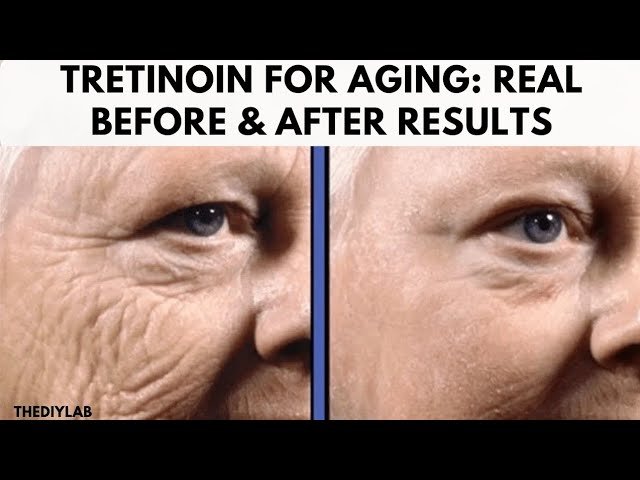
Imagine looking in the mirror and seeing a more youthful, vibrant version of yourself staring back. Tretinoin, a powerful skincare ingredient, promises just that.
It’s renowned for its remarkable ability to tackle fine lines, wrinkles, and other signs of aging. If you’re curious about the transformative effects of Tretinoin on your skin, you’re in the right place. We’ll dive into the before and after results that have left countless users amazed.
Are you ready to discover the secret to turning back the clock on your skin? Keep reading to see how Tretinoin can redefine your skincare routine and rejuvenate your complexion.

Credit: www.reddit.com
How Tretinoin Works For Aging Skin
Tretinoin has earned a solid reputation for its powerful effects on aging skin. Understanding how it works can help you decide if it’s the right addition to your skincare routine. Its ability to target the root causes of skin aging makes it stand out among other treatments.
Boosting Collagen Production
Collagen is the protein that keeps your skin firm and elastic. As you age, your body produces less collagen, leading to sagging and wrinkles.
Tretinoin stimulates collagen production deep within the skin. This helps restore firmness and smoothness over time.
Many users notice their skin feels stronger and looks plumper after consistent use. Have you seen changes in your skin texture with collagen-boosting products?
Speeding Up Cell Turnover
Your skin naturally renews itself by shedding old cells and making new ones. This process slows down as you get older, causing dullness and uneven tone.
Tretinoin speeds up cell turnover, clearing out dead skin cells more efficiently. This reveals fresher, healthier skin underneath.
Faster renewal also means better absorption of moisturizers and serums you apply afterward. How would brighter, more radiant skin change your daily confidence?
Reducing Fine Lines And Wrinkles
Fine lines and wrinkles form when the skin loses moisture and elasticity. Tretinoin helps smooth these imperfections by thickening the skin’s outer layer.
With regular use, it softens the look of wrinkles and prevents new ones from forming. Many people report a noticeable reduction in fine lines within weeks.
Are you ready to tackle wrinkles with a treatment that works beneath the surface, not just on it?
Preparing For Tretinoin Treatment
Preparing for tretinoin treatment helps you achieve the best results safely. It reduces the chance of irritation and supports skin adjustment. Understanding how to start makes the process smoother and more effective.
Choosing The Right Concentration
Selecting the proper tretinoin strength is important. Beginners should start with a low concentration, such as 0.025%. This allows the skin to adapt without strong reactions. Higher strengths may cause redness and peeling if the skin is sensitive. Consult a dermatologist to find the best option based on your skin type and concerns.
Patch Testing And Sensitivity
Test tretinoin on a small skin area before full use. Apply a tiny amount on the inner arm or behind the ear. Wait 24 to 48 hours to check for any reaction. Redness, itching, or burning means your skin is sensitive. Patch testing helps avoid widespread irritation and lets you adjust your routine safely.
Setting Realistic Expectations
Tretinoin works gradually and needs patience. Visible changes may take weeks or months. Initial side effects like dryness or peeling are normal. Results include smoother texture, fewer wrinkles, and clearer skin over time. Consistent use and gentle care improve anti-aging benefits. Avoid expecting instant miracles for lasting success.
Typical Skin Changes Before Tretinoin
Before starting tretinoin, many people notice clear changes in their skin. These changes often signal aging and damage. Recognizing these signs helps understand tretinoin’s effects better.
Common Signs Of Aging
- Fine lines appear around the eyes and mouth.
- Wrinkles deepen, especially on the forehead.
- Skin loses firmness and begins to sag.
- Loss of youthful glow and plumpness is visible.
Texture And Tone Issues
- Skin feels rough or uneven to touch.
- Pores look larger and more noticeable.
- Uneven skin tone with dark spots or redness.
- Dull complexion lacking brightness and smoothness.
Sun Damage Effects
- Brown spots and freckles increase in number.
- Skin shows redness and blotchy patches.
- Areas of dryness and flakiness become common.
- Sun-exposed skin looks aged and fragile.

Credit: www.reddit.com
Visible Results After Tretinoin Use
Seeing visible improvements after using tretinoin can be both motivating and encouraging. Many users notice changes that go beyond surface-level, affecting how their skin feels and looks over time. These changes include smoother skin, less discoloration, and fewer wrinkles, making tretinoin a popular choice for anti-aging.
Improved Skin Texture
Tretinoin helps speed up cell turnover, which means old, rough skin cells are replaced faster by new, healthy ones. This process results in a smoother, softer skin surface that you can actually feel. People often report that their skin looks fresher and feels less bumpy after consistent use.
Have you ever touched your face and felt uneven patches? Tretinoin can reduce those rough spots, making your skin texture more uniform and pleasant to the touch.
Fading Of Age Spots
Age spots, or dark patches caused by sun damage, can be frustrating to deal with. Tretinoin works by breaking down excess pigment and promoting the growth of new skin cells, which gradually lightens these spots.
Users often see a noticeable reduction in discoloration after a few weeks to months, revealing a clearer, more even complexion. If age spots have been holding you back from feeling confident, tretinoin might be the key to less noticeable marks.
Reduction In Wrinkles
Wrinkles form as collagen production slows down, and skin loses its elasticity with age. Tretinoin stimulates collagen production, helping to plump up the skin and smooth out fine lines.
Over time, many notice a decrease in the depth and appearance of wrinkles, especially around the eyes and mouth. Imagine looking in the mirror and seeing softer lines—that’s a common experience with regular tretinoin use.
Timeline Of Skin Transformation
The timeline of skin transformation with tretinoin reveals a gradual but steady improvement. Patience is essential as your skin adapts and renews itself. Changes will vary depending on skin type and consistency of use.
Understanding what to expect helps maintain motivation and avoid frustration. Here is a breakdown of typical progress over time.
First Few Weeks
During the initial weeks, your skin may feel dry and sensitive. Mild redness and peeling are common as old skin cells shed faster. These reactions show tretinoin is starting to work.
It is important to use gentle cleansers and moisturizers. Avoid excessive sun exposure and always apply sunscreen daily.
One To Three Months
By one to three months, skin texture begins to improve. Fine lines may soften, and dark spots start to fade. Breakouts tend to decrease as pores clear out.
Most users notice a healthier glow and more even skin tone. Consistency continues to be key for visible results.
Long-term Effects
After several months to a year, tretinoin delivers deeper benefits. Collagen production boosts, firming the skin and reducing wrinkles. Pigmentation evens out further, leaving skin brighter and smoother.
Long-term use supports skin’s youthful appearance and resilience. Regular follow-up with a dermatologist can optimize treatment and safety.
Managing Side Effects During Treatment
Managing side effects during tretinoin treatment helps keep your skin calm and healthy. Side effects are common but usually mild. Knowing how to handle them makes your anti-aging journey easier and more effective.
Dryness And Peeling
Tretinoin often causes dryness and peeling at the start. This happens because the skin cells turn over faster.
- Use a gentle cleanser to avoid extra dryness.
- Apply moisturizer regularly to keep skin hydrated.
- Avoid harsh scrubs or exfoliants that worsen peeling.
Redness And Irritation
Redness and irritation may appear during early treatment weeks. The skin adjusts slowly to tretinoin’s effects.
- Start with a lower tretinoin concentration to reduce irritation.
- Apply tretinoin every other night to give skin time to heal.
- Use sunscreen daily to protect sensitive skin from UV rays.
Tips For Soothing Skin
Soothing your skin helps improve comfort and treatment results.
- Use fragrance-free moisturizers designed for sensitive skin.
- Apply cool compresses to calm inflammation.
- Limit exposure to hot water and strong winds.
- Consult your dermatologist if side effects worsen or persist.
Enhancing Results With Skincare Routine
Enhancing the effects of tretinoin for anti-aging means pairing it with a smart skincare routine. Tretinoin works best on clean, well-moisturized skin. It also needs protection from sun damage. Avoiding harmful ingredients in other products helps prevent irritation and supports skin healing. A balanced routine boosts your skin’s health and appearance.
Cleansers And Moisturizers
Choose gentle cleansers that do not strip natural oils. Harsh soaps can dry the skin and reduce tretinoin’s benefits. Use a mild, hydrating moisturizer to soothe and repair the skin barrier. Moisturizers help reduce dryness and peeling caused by tretinoin. Apply moisturizer after tretinoin to lock in moisture and calm the skin.
Sun Protection Importance
Tretinoin makes skin more sensitive to the sun. Daily use of sunscreen prevents sunburn and dark spots. Pick a broad-spectrum sunscreen with at least SPF 30. Apply it every morning, even on cloudy days or indoors. Wearing hats and sunglasses adds extra protection. Sun safety keeps your skin healthy and enhances tretinoin’s anti-aging effects.
Avoiding Harmful Ingredients
Skip skincare products with alcohol, fragrances, and harsh exfoliants. These can irritate skin and worsen tretinoin side effects. Avoid combining tretinoin with other strong acids or retinoids. Use simple, soothing products to support your skin’s recovery. Clear, calm skin helps tretinoin work better and faster.
Credit: www.barchart.com
Real User Experiences And Photos
Real user experiences and photos provide a clear view of tretinoin’s effects on aging skin. They show genuine results from everyday people. These stories help set realistic expectations and offer insights into the treatment journey.
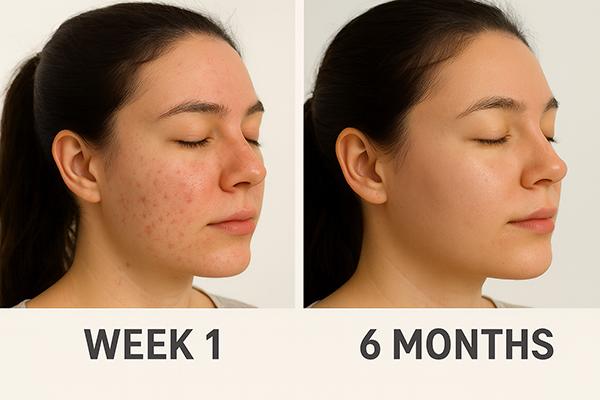
Photos reveal visible changes over time. They capture improvements in skin texture, wrinkles, and tone. Seeing real before and after images helps readers trust the product’s potential.
Success Stories
Many users report smoother, firmer skin after months of using tretinoin. Fine lines often fade, and skin tone becomes more even. Users feel more confident in their appearance. Some mention clearer skin and reduced age spots. These stories highlight steady progress and patience.
Before And After Comparisons
- Before photos usually show wrinkles, rough patches, and dullness.
- After photos display softer, brighter, and more youthful skin.
- Changes may include less visible pores and fewer dark spots.
- Comparisons often span from 8 weeks to 6 months of use.
- Consistent application is key to seeing noticeable differences.
Common Challenges
Users often face dryness, redness, or peeling at first. These side effects are normal and tend to lessen with time. Some find it hard to stay consistent due to initial irritation. Adjusting frequency or using moisturizers can help. Patience is essential; results come gradually, not overnight.
Frequently Asked Questions
What Is Tretinoin And How Does It Fight Aging?
Tretinoin is a vitamin A derivative that boosts collagen and cell turnover. It reduces wrinkles, fine lines, and age spots effectively. Regular use improves skin texture and firmness, making it popular for anti-aging skincare.
How Long To See Tretinoin Anti-aging Results?
Visible changes typically appear after 8 to 12 weeks of consistent use. Early improvements include smoother skin and reduced fine lines. Full benefits, like wrinkle reduction, often take 3 to 6 months.
What Are Common Tretinoin Before And After Effects?
Before using tretinoin, skin may show wrinkles and uneven texture. After regular use, skin looks smoother, firmer, and more radiant. Initial irritation like redness or peeling often fades over time.
Can Tretinoin Cause Skin Irritation Initially?
Yes, tretinoin can cause redness, dryness, and peeling at first. This is normal and usually subsides as skin adjusts. Using a moisturizer and starting with a low concentration helps minimize irritation.
Conclusion
Tretinoin shows clear changes in skin texture and tone. Regular use helps reduce wrinkles and fine lines. Many users share positive before and after results. Patience is key; results appear over weeks or months. Always follow a doctor’s advice for safe use.
Healthy skin habits boost tretinoin’s effects. Small steps lead to smoother, younger-looking skin. Try it carefully and watch your skin improve.
