Are you looking for a way to defy the signs of aging and rejuvenate your skin? If so, you might want to consider Tretinoin, a powerful ally in the battle against wrinkles and fine lines.
Imagine waking up every day to a smoother, more youthful complexion. Tretinoin, a derivative of Vitamin A, is renowned for its impressive anti-aging effects. It’s not just a skincare trend; it’s a proven solution trusted by dermatologists worldwide. Curious about how Tretinoin can transform your skin and boost your confidence?
Let’s dive into the secrets of this remarkable skincare ingredient and discover how it can help you achieve the radiant, youthful look you’ve always desired.
What Is Tretinoin?
If you’ve noticed changes in your skin and wonder how to fight the signs of aging, understanding tretinoin can be a game-changer. It’s a powerful ingredient often found in anti-aging treatments, but what exactly is it? Let’s break it down and see why it might be the right choice for your skincare routine.
Tretinoin is a form of vitamin A. It’s a prescription-strength ingredient used mainly to treat acne and reduce wrinkles. Many people use it to improve skin texture and tone over time.
How Does Tretinoin Work?
Tretinoin speeds up your skin’s cell turnover. This means it helps shed old, dead skin cells faster and encourages new, fresh cells to come to the surface. This process helps fade fine lines and smooth rough patches.
Who Can Benefit From Tretinoin?
Anyone looking to reduce signs of aging can consider tretinoin, but it’s especially helpful if your skin feels dull or shows wrinkles. It’s also useful for people dealing with acne scars or uneven skin tone. However, since it’s strong, you should use it carefully and preferably under a doctor’s advice.
What Should You Expect When Using Tretinoin?
At first, your skin might feel dry, red, or irritated. This is normal as your skin adjusts. Over time, consistent use can lead to smoother, younger-looking skin. Patience is key—visible results often take several weeks.

Credit: www.reddit.com
How Tretinoin Fights Aging
Tretinoin is a powerful ingredient that helps fight signs of aging. It works deep inside the skin to improve its health and appearance. The effects of tretinoin can be seen in many ways, from boosting collagen to smoothing wrinkles. Understanding how tretinoin fights aging can help you see why it is popular in skincare.
Boosting Collagen Production
Collagen is a protein that keeps skin firm and elastic. As we age, collagen production slows down. Tretinoin stimulates skin cells to produce more collagen. This increase helps skin stay strong and youthful. More collagen means fewer sagging areas and better skin structure.
Reducing Fine Lines And Wrinkles
Fine lines and wrinkles appear as skin loses its moisture and firmness. Tretinoin speeds up cell turnover, which helps fade these signs. It smooths the skin surface, making wrinkles less visible. Regular use can lead to softer, younger-looking skin.
Improving Skin Texture And Tone
Uneven skin texture and dark spots make skin look older. Tretinoin helps remove dead skin cells, revealing fresh skin underneath. It evens out skin tone by reducing discoloration. The result is smoother, brighter, and clearer skin.
Choosing The Right Tretinoin Product
Choosing the right tretinoin product can feel overwhelming, especially with so many options available. Your skin type, sensitivity, and specific anti-aging goals all play a role in finding the perfect fit. Understanding the differences in formulations and availability helps you make an informed choice that delivers real results without unnecessary irritation.
Different Formulations And Strengths
Tretinoin comes in various forms, including creams, gels, and liquids. Each formulation interacts differently with your skin. For example, creams tend to be more moisturizing and may suit dry or sensitive skin, while gels often feel lighter and work well for oily or acne-prone skin.
Strengths usually range from 0.01% to 0.1%. Starting with a lower strength can help your skin adjust and reduce irritation. Over time, you might increase the strength based on your skin’s response and anti-aging needs.
- 0.01% to 0.025%:Ideal for beginners or sensitive skin
- 0.05%:Moderate strength for steady anti-aging progress
- 0.1%:Strongest option for experienced users
Prescription Vs. Over-the-counter Options
Prescription tretinoin is more potent and usually backed by dermatologists for treating aging and acne issues. It offers a wider range of strengths and formulations tailored to your skin’s needs. However, it requires a doctor’s approval, which some might find inconvenient.
Over-the-counter products often contain retinol or retinoids, which convert to tretinoin slowly in the skin. These options are gentler but less powerful. If you’re new to retinoids, starting with OTC products might help you gauge your skin’s tolerance before moving to prescription-strength tretinoin.
Have you tried a retinol or tretinoin product before? What was your skin’s reaction? Understanding your past experience can guide your next step in choosing the right product.
How To Start Using Tretinoin
Starting tretinoin can feel overwhelming. It is important to prepare your skin and follow a simple routine. This helps reduce irritation and makes tretinoin more effective. A careful start sets the foundation for better results and healthy skin.
Preparing Your Skin
Cleanse your face gently with a mild, non-irritating cleanser. Avoid scrubs or strong exfoliants before applying tretinoin. Your skin should be dry before use; wait 20-30 minutes after washing. This helps prevent irritation and dryness.
Use a moisturizer to keep your skin hydrated. Applying moisturizer before tretinoin can reduce irritation. Choose a fragrance-free, gentle moisturizer suitable for sensitive skin.
Application Tips
- Apply a pea-sized amount of tretinoin for your entire face.
- Dot the cream on forehead, cheeks, chin, and nose.
- Gently spread it evenly without rubbing hard.
- Avoid the eye area and corners of the mouth.
- Use tretinoin once daily, preferably at night.
Building Tolerance Gradually
Start by applying tretinoin two or three times a week. Slowly increase to every other night after two weeks. If your skin feels too dry or irritated, reduce frequency. Consistency is key, but skin comfort matters most.
Use moisturizer regularly to soothe your skin. Avoid using harsh skincare products during this time. Patience helps your skin adjust and improves long-term results.
Managing Side Effects
Using tretinoin for anti-aging can transform your skin, but it often comes with side effects that might catch you off guard. Managing these reactions effectively is key to sticking with the treatment and seeing results. Let’s break down what you might experience and how to handle it without giving up on your skincare goals.
Common Reactions
Many people notice redness, peeling, and dryness during the first few weeks of using tretinoin. These symptoms are your skin adjusting to the product’s strong effects. You might also experience mild itching or a burning sensation, especially if you have sensitive skin.
It’s normal to feel concerned when your skin looks worse before it gets better. Have you ever stopped a product because your skin reacted at first? Understanding these common reactions can help you push through the initial phase.
Minimizing Irritation
Start by applying tretinoin every other night instead of daily. This can reduce irritation while your skin builds tolerance. Using a gentle, fragrance-free moisturizer right after tretinoin helps lock in hydration and soothes dryness.
Avoid harsh cleansers or exfoliants that can worsen irritation. Also, applying tretinoin on dry skin rather than damp skin can lessen the burning sensation. Have you tried buffering tretinoin with moisturizer before applying it? This simple trick can make a big difference.
When To Consult A Dermatologist
If side effects become severe or don’t improve after a few weeks, it’s time to see a professional. Persistent swelling, intense redness, or blistering are signals that your skin needs expert care. Your dermatologist can adjust your treatment or recommend alternatives.
Don’t hesitate to ask for guidance if you’re unsure whether your reaction is normal. Your skin deserves personalized advice to keep your anti-aging journey safe and effective.
Combining Tretinoin With Other Skincare
Combining tretinoin with other skincare products can boost your anti-aging results, but it requires careful planning. You want to maximize benefits without irritating your skin. Understanding how to pair tretinoin with moisturizers and sunscreens, and which products to avoid, will help you create a balanced routine that works.
Moisturizers And Sunscreens
Using a good moisturizer alongside tretinoin is essential to reduce dryness and peeling. Look for gentle, fragrance-free creams that hydrate without clogging pores.
- Apply moisturizer after tretinoin has absorbed to lock in moisture and soothe your skin.
- Choose sunscreens with broad-spectrum SPF 30 or higher; tretinoin makes your skin more sensitive to the sun.
- Physical sunscreens containing zinc oxide or titanium dioxide are often less irritating than chemical ones.
Have you noticed your skin becoming more sensitive or red after starting tretinoin? Adding a rich moisturizer and a strong sunscreen can make a huge difference in comfort and protection.
Avoiding Harmful Product Mixes
Some skincare ingredients don’t mix well with tretinoin and can cause irritation or reduce effectiveness. You should avoid combining tretinoin with products that contain:
- Alpha hydroxy acids (AHAs) and beta hydroxy acids (BHAs) – these exfoliants can increase sensitivity.
- Benzoyl peroxide – it can deactivate tretinoin if used at the same time.
- Alcohol-based toners or astringents – they dry out your skin and worsen irritation.
Instead of layering these products, consider alternating them on different nights or using them during different parts of your routine. Have you ever experienced redness or peeling after mixing products? Adjusting your routine could be the key to better results and happier skin.
Real Results And Timeline
Seeing real results from tretinoin in your anti-aging routine takes time and patience. Understanding the timeline helps you set the right expectations and stay motivated. Let’s break down what happens in the first weeks and the benefits you can enjoy over the long term.
What To Expect In The First Weeks
During the initial weeks, your skin might feel sensitive or irritated. Redness, peeling, and dryness are common as your skin adjusts to tretinoin’s active effects. These reactions can feel discouraging, but they often signal that the product is working to renew your skin cells.
You may notice your skin looking dull or flaky at first. This is because tretinoin speeds up cell turnover, pushing out old skin to reveal fresher layers beneath. It’s important to moisturize well and avoid harsh cleansers to help your skin cope.
Ask yourself: Are you ready to tolerate short-term discomfort for long-term gains? Many who stick with tretinoin find this phase lasts about 4 to 6 weeks before improvements begin to show.
Long-term Benefits
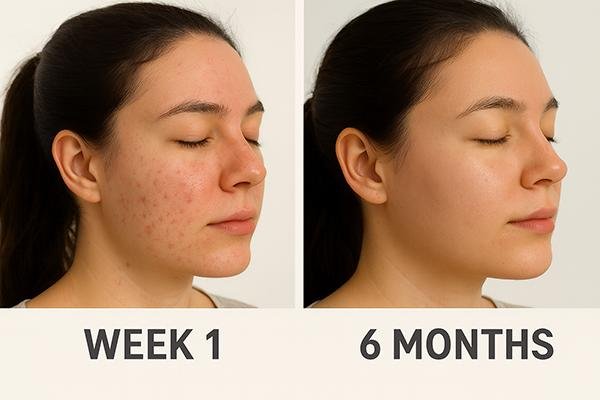
After consistent use for several months, tretinoin’s anti-aging effects become more visible. Fine lines start to soften, skin texture improves, and dark spots fade. Your complexion appears brighter and more youthful.
Collagen production increases over time, which means your skin regains firmness and elasticity. This benefit doesn’t happen overnight but builds gradually with ongoing application.
Many users report smoother skin and fewer wrinkles after 3 to 6 months of use. Staying consistent is key—skipping days or quitting too soon can slow progress significantly.
- Reduced fine lines and wrinkles
- Improved skin texture and tone
- Faded age spots and pigmentation
- Increased skin firmness through collagen boost
How will you track your progress? Taking photos every few weeks can reveal subtle changes that you might miss day to day. This visual proof can keep you motivated to continue your tretinoin journey.

Credit: www.womenshealthmag.com
Who Should Avoid Tretinoin?
Tretinoin is a powerful ingredient for anti-aging, but it is not for everyone. Some people should avoid using tretinoin to prevent side effects or skin damage. Knowing who should avoid tretinoin helps keep your skin safe and healthy.
Pregnant Or Breastfeeding Women
Tretinoin can harm a developing baby. It passes through the skin and may enter the bloodstream. Doctors usually advise against tretinoin during pregnancy or breastfeeding.
People With Sensitive Skin
Sensitive skin can react badly to tretinoin. It may cause redness, peeling, or irritation. Those with very delicate skin should avoid tretinoin or use it only under a doctor’s care.
Individuals With Eczema Or Rosacea
People who have eczema or rosacea often find tretinoin too harsh. It can worsen redness and inflammation. Avoid tretinoin if you have these skin conditions.
Those Using Certain Medications
Some medicines can interact poorly with tretinoin. Acne treatments with benzoyl peroxide or salicylic acid increase irritation. Always check with a healthcare provider before combining treatments.
People With Sunburn Or Open Wounds
Tretinoin should not be applied to sunburned or broken skin. It can cause severe discomfort and delay healing. Wait until your skin is fully healed before using tretinoin.

Credit: m.youtube.com
Frequently Asked Questions
What Is Tretinoin And How Does It Fight Aging?
Tretinoin is a vitamin A derivative that promotes skin cell turnover. It reduces wrinkles, fine lines, and age spots. It boosts collagen production, improving skin texture and firmness. Regular use results in a youthful, radiant complexion by repairing sun damage and enhancing skin renewal.
How Long Does Tretinoin Take To Show Anti-aging Results?
Tretinoin typically shows visible anti-aging effects within 8 to 12 weeks. Consistent use is key for optimal benefits. Skin may initially peel or irritate but improves over time. Patience and proper skincare enhance long-term results and skin resilience.
Can Tretinoin Be Used On Sensitive Skin For Aging?
Yes, tretinoin can be used on sensitive skin with caution. Start with a lower concentration and gradually increase. Apply moisturizer to reduce irritation. Consult a dermatologist for personalized guidance to avoid redness or dryness while benefiting from its anti-aging effects.
Is Tretinoin Safe For Daily Anti-aging Skincare?
Tretinoin is safe for daily use when prescribed and used correctly. Start slowly to build tolerance and minimize side effects. Avoid excessive sun exposure and use sunscreen. Follow medical advice for a balanced routine ensuring effective and safe anti-aging treatment.
Conclusion
Tretinoin helps reduce wrinkles and fine lines effectively. It improves skin texture and boosts collagen naturally. Regular use shows visible results over time. Start slowly to avoid irritation and dryness. Always apply sunscreen during the day for protection. Consult a dermatologist before beginning tretinoin treatment.
This simple step can keep your skin youthful and healthy. Small changes make a big difference. Give your skin the care it deserves.