
If you’ve recently had a nail removed from your toe, you know it can be uncomfortable and tricky to care for properly. Your toe is healing, and how you treat it now can make a big difference in how fast and well it recovers.
You might be wondering what steps you should take to avoid infection, reduce pain, and keep your toe healthy. This guide will give you simple, clear advice on how to take care of your toe after nail removal. By following these tips, you’ll protect your toe and help it heal smoothly—so you can get back on your feet without worry.
Keep reading to learn exactly what you need to do.
Credit: health.clevelandclinic.org
Immediate Care After Nail Removal
Immediate care after nail removal is crucial for fast healing and avoiding infection. The first few hours and days need special attention. Proper actions can reduce pain and swelling. Follow these simple steps to care for your toe right away.
Managing Bleeding And Pain
Bleeding may happen right after nail removal. Apply gentle pressure with a clean cloth or gauze. Keep the foot raised to slow bleeding. Pain is normal but can be eased with over-the-counter pain medicine. Avoid aspirin as it can increase bleeding.
Proper Bandaging Techniques
Use sterile gauze to cover the wound. Wrap the toe lightly but firmly to protect it. Change the bandage every day or if it becomes wet or dirty. Keep the area clean to prevent infection. Avoid tight bandages that cut off circulation.
Rest And Elevation
Rest the foot as much as possible during the first days. Elevate the foot above heart level to reduce swelling. Use pillows or cushions to prop your foot up. Avoid walking or standing for long periods. This helps the toe heal faster and reduces discomfort.
Keeping The Area Clean
Proper cleaning is crucial after nail removal to support healing and avoid problems. Dirt and bacteria can cause infections if the area is not clean. Maintaining a clean toe helps reduce pain and speeds up recovery. Follow careful cleaning habits every day to keep the wound safe.
Safe Cleaning Methods
Use warm water and mild soap to clean the toe gently. Avoid harsh soaps or chemicals that can irritate the skin. Soak the toe in clean water for a few minutes to soften the area. Pat the toe dry with a clean towel or let it air dry. Always wash your hands before touching the wound or changing dressings.
Avoiding Infection
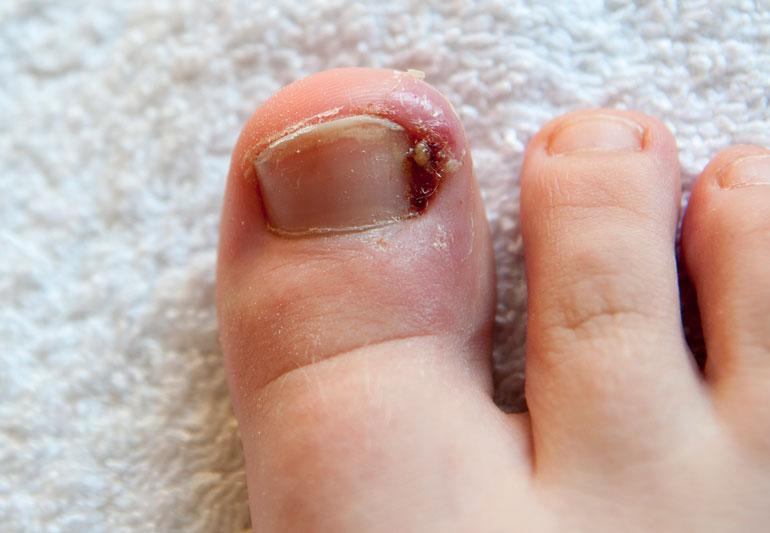
Keep the toe covered with a sterile dressing to block germs. Change the dressing if it gets wet or dirty. Do not scratch or pick at the healing skin. Use antibiotic ointment if recommended by your doctor. Watch for signs of infection like redness, swelling, or pus. Contact a healthcare provider if these symptoms appear.
When To Change Dressings
Dressings usually need changing once or twice daily. Change the dressing more often if it becomes wet or soiled. Clean the area before applying a new dressing. Use clean hands and sterile materials during each change. Follow your doctor’s instructions on dressing type and schedule. Proper dressing care keeps the wound clean and protected.
Pain And Swelling Control
Managing pain and swelling after nail removal is key to a smoother recovery. You want to keep discomfort low and avoid complications that can slow healing. Paying close attention to your toe’s response can guide you toward the best care steps.
Effective Pain Relief Options
Over-the-counter painkillers like ibuprofen or acetaminophen can help ease the ache effectively. Ibuprofen has the added benefit of reducing inflammation, which tackles both pain and swelling. Make sure to follow the dosage instructions on the package or your doctor’s advice.
Sometimes, applying a cold pack wrapped in a cloth to your toe for 15-20 minutes every few hours can provide immediate relief. This simple step helps numb the area and limits swelling. Have you tried alternating cold with gentle elevation? It can boost comfort significantly.
Reducing Swelling Naturally
Elevate your foot above heart level whenever possible. This helps blood flow away from the toe, reducing pressure and swelling. You can prop your foot on pillows while resting or sleeping to maintain this position comfortably.
Compression can also support swelling control, but be gentle. Using a soft bandage wrapped loosely around your toe prevents excess fluid buildup without cutting off circulation. Avoid tight shoes until your toe feels better—comfort here is vital.
Hydration plays a surprisingly important role. Drinking plenty of water flushes out excess salt and toxins that might worsen swelling. Are you staying well-hydrated during your recovery?
Signs Of Complications
Watch for increasing pain that doesn’t improve with medication or rest. This could indicate infection or other issues needing medical attention. Redness spreading beyond the toe or a foul odor are also warning signs.
Swelling that becomes hard or purple can signal poor circulation or a blood clot. If you notice these symptoms, contact your healthcare provider promptly. Early detection makes a big difference in treatment success.
Fever or chills after nail removal are not normal and require immediate care. Listening closely to your body’s signals ensures you don’t miss these critical red flags. What subtle changes have you noticed in your toe’s healing process?
Footwear And Activity Tips
Proper footwear and careful activity are key after nail removal. They protect your toe and help it heal faster. Choosing the right shoes and managing your movements reduce pain and prevent infection. Follow simple tips to keep your foot safe and comfortable.
Choosing The Right Shoes
Select shoes that offer plenty of room in the toe area. Avoid tight or narrow footwear that may press on the healing skin. Soft materials and adjustable straps can reduce irritation. Open-toed shoes or sandals are good choices during early healing.
- Choose shoes with a wide toe box
- Use cushioned soles for comfort
- Avoid high heels and stiff shoes
- Opt for breathable fabrics to reduce moisture
Limiting Physical Activity
Limit walking and standing to ease pressure on the toe. Avoid activities that cause sudden movements or bumps to the foot. Rest helps reduce swelling and pain. Use crutches or a cane if necessary to keep weight off the toe.
- Take frequent breaks to rest your foot
- Avoid running, jumping, or sports
- Keep the foot elevated when sitting
- Follow your doctor’s advice on activity levels
Gradual Return To Normal Movement
Slowly increase activity as your toe heals. Start with short walks on soft surfaces. Pay attention to any pain or discomfort. Stop and rest if you feel soreness or swelling. Gradual movement helps rebuild strength and flexibility.
- Begin with gentle walking indoors
- Use supportive shoes for outdoor walks
- Increase time and distance step by step
- Consult a healthcare provider if pain persists
Nourishing Your Toe For Healing
Proper nourishment plays a key role in healing after nail removal. The body needs the right nutrients to repair tissue and fight infection. Feeding your body well supports faster recovery and stronger skin around the toe. Focus on foods, fluids, and supplements that boost healing and reduce inflammation.
Dietary Suggestions
Eat foods rich in vitamins and minerals. Protein helps rebuild tissue and skin cells. Include lean meats, fish, eggs, and beans in meals. Vitamin C supports collagen production, which strengthens skin. Citrus fruits, strawberries, and bell peppers are good sources. Zinc aids wound healing; find it in nuts, seeds, and whole grains.
Hydration Importance
Water keeps the skin soft and elastic. It flushes out toxins that can slow healing. Drink plenty of water throughout the day. Avoid sugary drinks and excessive caffeine. Herbal teas and clear broths add hydration and comfort. Well-hydrated skin reduces cracking and pain around the toe.
Supplements That Help
- Vitamin C: Boosts immune function and collagen.
- Zinc: Speeds up tissue repair and reduces inflammation.
- Vitamin E: Protects skin cells from damage.
- Omega-3 fatty acids: Lower swelling and support skin health.
Consult a doctor before starting supplements. Proper doses ensure safety and effectiveness.
Credit: somersetpodiatryclinic.com
When To Seek Medical Help
Knowing when to seek medical help after nail removal is crucial. It helps prevent complications and ensures proper healing. Pay close attention to your toe’s condition. Early action can save you from serious problems.
Infection Warning Signs
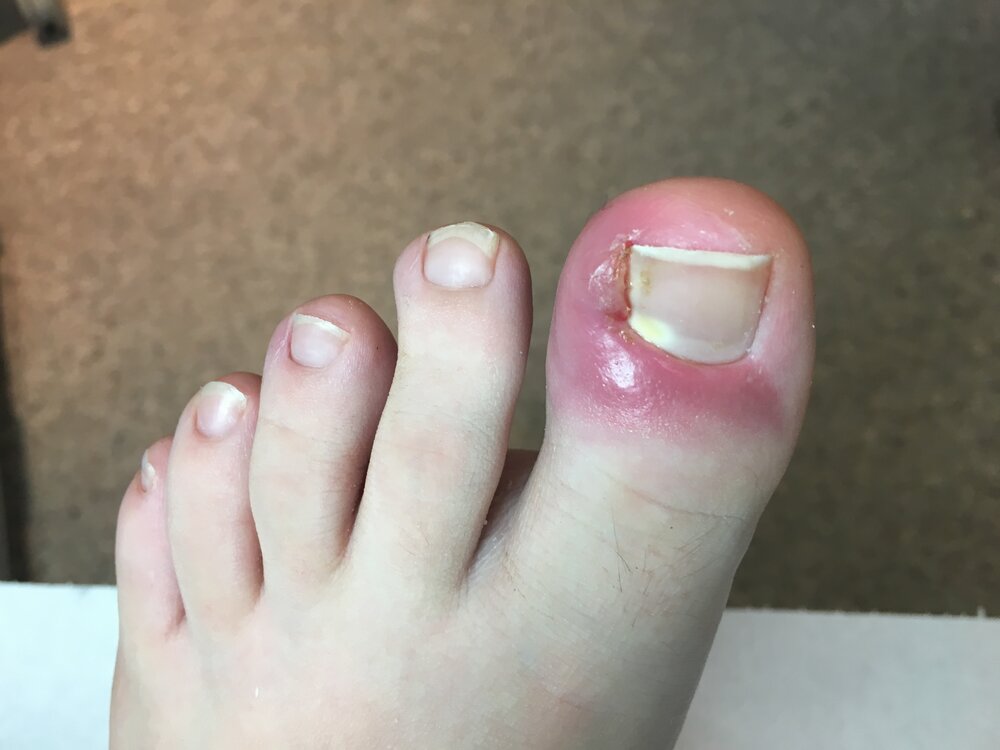
Watch for redness spreading around the toe. Swelling that gets worse is a sign. Notice any yellow or green discharge. A bad smell from the wound is also a warning. Fever or chills can mean infection has spread. These signs need prompt medical attention.
Persistent Pain Issues
Pain that does not improve after a few days is unusual. Sharp or throbbing pain should not be ignored. Pain that wakes you up at night is a concern. Difficulty walking or putting weight on the foot requires help. Persistent pain may indicate a deeper problem.
Delayed Healing Concerns
The wound should start to close within a week. A toe that looks the same or worse after several days is worrying. Crusting or scabbing that falls off too soon can delay healing. Excessive bleeding or new wounds need a doctor’s review. Delayed healing may lead to infection or other issues.
Long-term Care And Prevention
Long-term care after nail removal is key to healthy toe recovery. The new nail needs gentle care and protection. Preventing future injuries helps avoid pain and damage. Regular foot checks catch problems early. These steps keep toes strong and comfortable.
Protecting The New Nail
Keep the toe clean and dry. Wear loose, breathable shoes to avoid pressure. Avoid tight socks that can irritate the nail bed. Use a protective covering when walking on rough surfaces. Avoid picking or pulling at the new nail as it grows. Follow your doctor’s advice on nail care products.
Avoiding Future Injuries
Choose proper footwear that fits well. Avoid walking barefoot in risky areas. Trim nails straight across to prevent ingrown nails. Avoid trauma by being careful during sports and activities. Consider using toe guards during physical work. Maintain good foot hygiene daily to reduce infection risk.
Regular Foot Health Checks
Inspect your toes daily for redness or swelling. Watch for signs of infection like pus or unusual odor. See a healthcare professional if you notice pain or changes in nail growth. Schedule routine foot exams, especially if you have diabetes. Early treatment prevents complications and supports healing.

Credit: www.amazon.com
Frequently Asked Questions
How Should I Clean My Toe After Nail Removal?
Clean the toe gently with mild soap and warm water daily. Avoid soaking for long periods to prevent infection. Pat dry carefully and apply any prescribed ointment. Keep the area clean and dry to promote faster healing.
What Pain Relief Is Recommended After Nail Removal?
Over-the-counter pain relievers like ibuprofen or acetaminophen help reduce pain and inflammation. Follow the dosage instructions on the package. Elevate your foot to minimize swelling. Consult your doctor if pain persists beyond a few days.
When Can I Wear Shoes After Nail Removal?
Wear open-toed or loose shoes for at least one week after nail removal. Avoid tight or closed shoes that may irritate the area. Gradually switch back to regular footwear once healing progresses and discomfort decreases.
How Do I Prevent Infection After Nail Removal?
Keep the wound clean and dry. Change dressings as instructed by your healthcare provider. Avoid touching the area with dirty hands. Watch for signs of infection like redness, swelling, or discharge, and seek medical advice if they occur.
Conclusion
Caring for your toe after nail removal is crucial. It helps prevent infections and speeds up healing. Keep your toe clean and dry. Use recommended ointments for better recovery. Change dressings regularly to avoid complications. Watch for any signs of infection.
Redness, swelling, or pus need immediate attention. Follow your doctor’s advice closely. Proper care ensures faster healing and less pain. Your toe will thank you for the extra attention. Remember, a little care goes a long way in recovery. Stay patient and give your toe time to heal.
