
Are you tired of those stubborn dark spots that just won’t fade away? Hyperpigmentation can be a frustrating skin concern, making you feel self-conscious and affecting your confidence.
But don’t worry, you’re not alone, and there’s hope! We’ll share some practical tips for reducing hyperpigmentation that can help you achieve a more even skin tone. Imagine looking in the mirror and seeing a complexion that makes you smile.
With the right approach, you can make this dream a reality. Keep reading to discover the secrets that skincare experts swear by, and take the first step towards brighter, clearer skin. Your journey to a radiant complexion starts here.
Causes Of Hyperpigmentation
Hyperpigmentation happens when the skin produces too much melanin. Melanin is the pigment that gives skin its color. This overproduction causes dark spots or patches to appear on the skin. Various factors can trigger this condition, making the skin look uneven and dull.
Sun Exposure
Sunlight is the main cause of hyperpigmentation. Ultraviolet (UV) rays increase melanin production to protect the skin. This often leads to dark spots, especially on the face and hands. Using sunscreen daily helps reduce this risk.
Hormonal Changes
Hormones can affect melanin production strongly. Pregnancy, birth control pills, and hormone therapy can cause melasma. This form of hyperpigmentation appears as dark patches on the cheeks and forehead.
Skin Injuries
Injuries like cuts, burns, or insect bites can cause dark marks. The skin heals by producing more melanin at the injury site. These marks can last for months or even years without treatment.
Inflammation And Acne
Inflamed skin often darkens after healing. Acne is a common cause of inflammation. Pimples leave marks or scars that turn darker. Treating acne early can reduce post-inflammatory hyperpigmentation.
Daily Sun Protection
Daily sun protection plays a key role in reducing hyperpigmentation. UV rays trigger dark spots and uneven skin tone. Protecting skin every day helps prevent new spots and stops existing ones from getting worse. Consistent sun care creates a strong barrier against skin damage.
Choosing The Right Sunscreen
Pick a broad-spectrum sunscreen that blocks UVA and UVB rays. Choose SPF 30 or higher for effective protection. Look for formulas labeled “non-comedogenic” to avoid clogging pores. Mineral sunscreens with zinc oxide or titanium dioxide work well for sensitive skin. Water-resistant sunscreens last longer during sweating or swimming.
Proper Application Techniques
Apply sunscreen 15 minutes before going outside. Use enough product to cover all exposed skin thoroughly. About one teaspoon for the face and neck is ideal. Reapply every two hours, or after swimming or sweating. Don’t forget easy-to-miss spots like ears, hairline, and hands. Gently pat sunscreen to ensure even coverage without rubbing too hard.
Additional Protective Measures
- Wear wide-brimmed hats to shield your face and neck.
- Use sunglasses to protect delicate skin around the eyes.
- Wear long sleeves and pants when possible.
- Seek shade, especially between 10 a.m. and 4 p.m.
- Use umbrellas or sun shelters for extra coverage outdoors.
Topical Treatments
Topical treatments offer a direct approach to tackling hyperpigmentation by targeting the skin where it needs help most. These products can lighten dark spots, even out skin tone, and boost your skin’s natural glow. Choosing the right topical treatment depends on your skin type, concerns, and how your skin responds to active ingredients.
Vitamin C Serums
Vitamin C serums brighten your complexion by inhibiting melanin production, which causes dark spots. Applying a serum with at least 10% vitamin C daily can reduce hyperpigmentation over time. I’ve noticed more even skin tone and a healthy radiance after consistent use, especially when combined with sunscreen.
Look for serums with stable forms like L-ascorbic acid, and store them properly to maintain effectiveness. Vitamin C also protects your skin from environmental damage, making it a great multitasker in your routine.
Retinoids
Retinoids speed up skin cell turnover, helping to fade dark spots and prevent new ones from forming. Whether it’s over-the-counter retinol or prescription tretinoin, these compounds can transform your skin’s texture and tone. My experience shows that retinoids require patience—they may cause irritation at first but are worth the wait.
Start with a lower concentration to let your skin adjust, and always use moisturizer to ease dryness. Consistent use at night paired with sunscreen during the day maximizes their benefits.
Hydroquinone Alternatives
If you’re cautious about hydroquinone, alternatives like azelaic acid, kojic acid, and niacinamide offer effective ways to lighten dark spots. These ingredients work by interrupting melanin production without some of the risks linked to hydroquinone. For example, niacinamide not only fades pigmentation but also strengthens your skin’s barrier.
Try products combining these alternatives for a gentler but still powerful approach to hyperpigmentation. Have you tried any of these options before? You might find a better fit for your skin’s needs.
Natural Remedies
Natural remedies like aloe vera, licorice extract, and green tea extract provide mild but noticeable improvements in hyperpigmentation. They can soothe your skin while offering antioxidant benefits, making them a good choice for sensitive skin. I’ve found that combining natural remedies with clinical treatments often leads to better results.
Keep in mind, natural doesn’t always mean fast or strong—patience is key. Would you be open to mixing natural and scientific approaches to treat your dark spots?
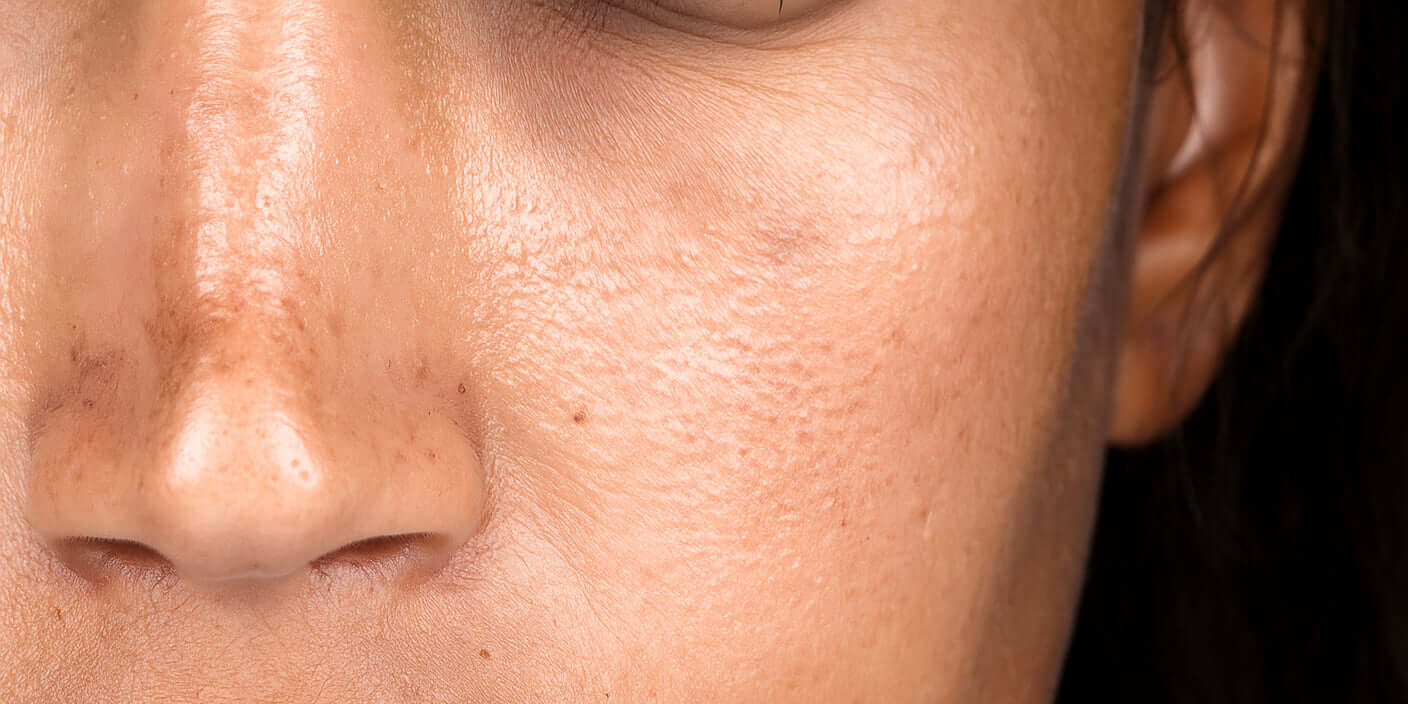
Credit: www.indagarebeauty.com
Professional Procedures
Professional procedures can make a significant difference in reducing hyperpigmentation, especially when over-the-counter products don’t give you the results you want. These treatments target the deeper layers of the skin to even out your complexion more effectively. Before choosing a procedure, consider your skin type, the severity of the pigmentation, and your lifestyle to pick what fits best.
Chemical Peels
Chemical peels use acids to remove the top layer of your skin, encouraging new, healthier skin to grow. This process helps fade dark spots and smoothens uneven skin tone.
There are different strengths, from mild peels you can get monthly to deeper ones requiring more recovery time. I tried a medium peel once, and though my skin was sensitive for a few days, the improvement in my dark spots was noticeable within two weeks.
Ask your dermatologist about glycolic acid or salicylic acid peels if you want a gentler option. Always protect your skin with sunscreen afterward to avoid new pigmentation.
Laser Therapy
Laser therapy targets pigmented areas by breaking down melanin with focused light. This treatment is precise and can treat stubborn dark spots that don’t respond well to other methods.
What surprised me was how quickly my skin started to clear after just one session. However, multiple sessions are usually needed for lasting results, and the cost can add up.
Make sure to consult a qualified professional who understands how to adjust laser settings for your skin tone to avoid unwanted side effects.
Microneedling
Microneedling involves tiny needles creating micro-injuries in your skin, which triggers collagen production and skin renewal. This can improve pigmentation by breaking up melanin clusters and promoting a more even skin tone.
After my first microneedling treatment, my skin looked brighter and felt firmer. The process also helps your skin absorb topical treatments more effectively.
Consider combining microneedling with vitamin C serums or other brightening agents for better results. Always ensure hygiene and proper aftercare to prevent irritation or infection.
Lifestyle Adjustments
Changing daily habits can greatly help reduce hyperpigmentation. Small lifestyle adjustments support skin health and even tone. Focus on nourishing your body and protecting your skin.
Healthy Diet Choices
A balanced diet gives your skin essential nutrients. Eat foods rich in antioxidants like berries, spinach, and nuts. Vitamin C helps brighten skin and repair damage. Drink plenty of water to keep skin hydrated and clear.
Stress Management
Stress can worsen skin problems, including dark spots. Try relaxation techniques such as deep breathing or meditation. Regular exercise helps reduce stress and improves blood flow. Getting enough sleep supports skin repair and renewal.
Consistent Skincare Routine
Stick to a simple daily skincare routine for best results. Cleanse your face gently twice a day to remove dirt and oil. Use sunscreen every day to protect skin from sun damage. Include products with ingredients like niacinamide or vitamin C to lighten dark spots.

Credit: drmarwah.com
Avoiding Common Mistakes
Reducing hyperpigmentation requires more than just choosing the right products. Often, common mistakes can slow down your progress or even make the condition worse. Paying attention to what you might be doing wrong is just as important as what you do right.
Over-exfoliating
Exfoliation helps remove dead skin cells, but doing it too often can irritate your skin and trigger more pigmentation. Have you ever felt your skin become red or sensitive after scrubbing? That’s a sign you’re over-exfoliating.
Stick to gentle exfoliation 1-2 times a week. Use mild chemical exfoliants like AHAs or BHAs rather than harsh scrubs to avoid damaging your skin’s barrier.
Ignoring Sun Protection
Sun exposure is the biggest enemy when fighting hyperpigmentation. Even on cloudy days, UV rays can darken spots and undo your progress.
Ask yourself if you’re applying sunscreen every day, even indoors or during winter. Choose a broad-spectrum SPF 30 or higher and reapply it every two hours if you’re outside.
Using Harsh Products
Strong products might promise quick results, but they can cause irritation and worsen dark spots. Have you noticed increased redness or peeling after trying a new treatment?
Opt for products with gentle ingredients like niacinamide or vitamin C. These improve pigmentation gradually without stressing your skin.

Credit: www.bareluxeskincare.com
Frequently Asked Questions
What Are The Best Ingredients To Reduce Hyperpigmentation?
Ingredients like vitamin C, niacinamide, and retinoids effectively lighten dark spots. They promote skin renewal and inhibit melanin production, helping to reduce hyperpigmentation safely over time.
How Does Sunscreen Help Prevent Hyperpigmentation?
Sunscreen protects skin from harmful UV rays, which worsen dark spots. Regular use prevents new pigmentation and stops existing spots from getting darker, essential for managing hyperpigmentation.
Can Natural Remedies Effectively Treat Hyperpigmentation?
Some natural remedies, like aloe vera and licorice extract, can help lighten pigmentation. However, results vary, and these are best used alongside proven treatments for optimal effects.
How Long Does It Take To See Results In Hyperpigmentation Treatment?
Visible improvement usually appears after 4 to 8 weeks of consistent treatment. Patience and regular skincare are key to effectively reducing hyperpigmentation over time.
Conclusion
Reducing hyperpigmentation takes patience and care. Use sunscreen every day to protect skin. Choose gentle products that brighten and heal. Avoid picking or rubbing dark spots. Healthy habits like drinking water help skin glow. Consistency matters more than quick fixes.
Small steps lead to clearer, brighter skin. Keep skin safe and give it time. Your efforts will show with regular care. Stay patient and enjoy the journey.
