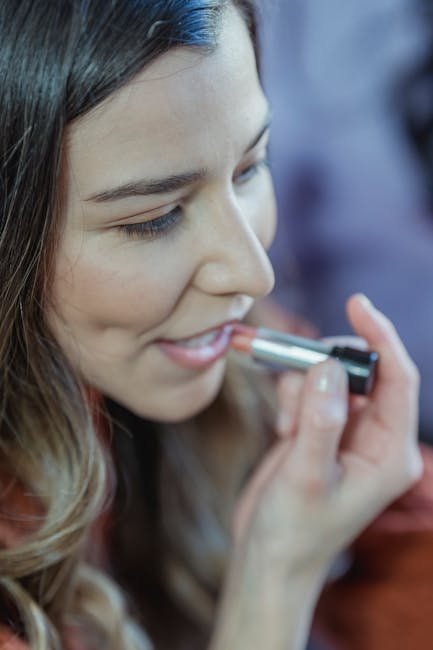
Are you tired of your makeup looking lackluster in photos? You’re not alone.
Many of us have experienced that moment when we glance at a picture and wonder why our makeup doesn’t seem as flawless as it did in the mirror. The good news? There are simple yet effective makeup tips that can help you look picture-perfect every time.
Imagine feeling confident and radiant, knowing that every snapshot captures your best angles. We’ll uncover secrets that will make your makeup pop in photos, transforming your next photo shoot into a stunning success. Stick around to discover how you can enhance your natural beauty and make every picture worth a thousand words.
Prepping Your Skin
Prepping your skin is the first key step for makeup that looks great in photos. Clean, smooth skin helps makeup stay put and appear flawless. A good base reduces shine, evens skin tone, and prevents makeup from sliding off. Follow these tips to get your skin ready for a picture-perfect finish.
Cleansing And Moisturizing
Start with a gentle cleanser to remove dirt and oils. Clean skin allows makeup to stick better. Use a lightweight moisturizer suited for your skin type. Hydrated skin avoids dry patches and helps makeup blend smoothly. Let the moisturizer absorb fully before applying any makeup.
Priming For Longevity
Apply a primer after moisturizing to create a smooth canvas. Primers fill in pores and fine lines for an even surface. They also help makeup last longer under hot lights or outdoor conditions. Choose a primer that suits your skin needs, like mattifying for oily skin or hydrating for dry skin.
Choosing The Right Base
Select a foundation or base that matches your skin tone exactly. Too light or dark can look unnatural in photos. Use a formula with medium coverage to hide imperfections without looking heavy. Test the base in natural light before your photo session to ensure a perfect match.
Foundation Tips
Foundation is the base of any makeup look, especially for photos. It evens out skin tone and creates a smooth canvas. Choosing and applying foundation well helps your skin look natural and flawless in pictures. Small details in foundation application make a big difference on camera.
Selecting The Perfect Shade
Choose a foundation shade that matches your neck and face. Test the color in natural light. Avoid shades that are too light or too dark. A good match blends seamlessly with your skin tone. Check how the shade looks after it dries. Opt for formulas made for your skin type. This helps prevent shine or dryness in photos.
Applying For A Natural Finish
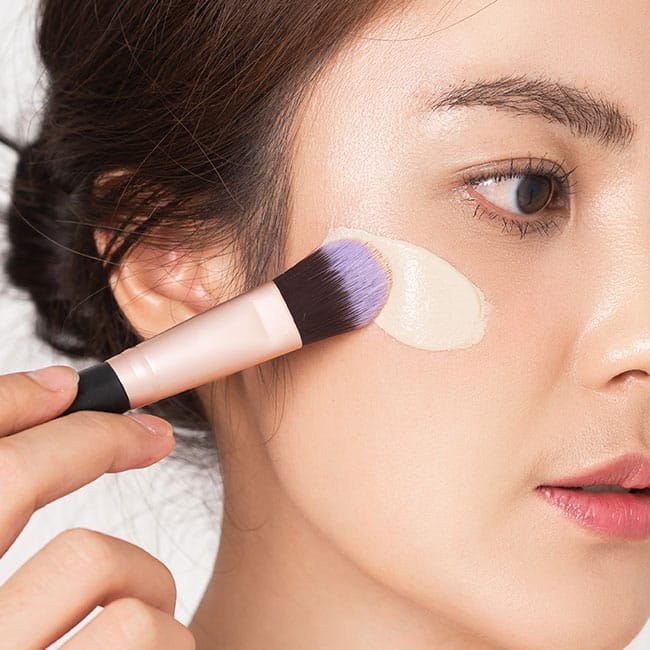
Use a damp makeup sponge or brush for smooth application. Start with a small amount of foundation. Build coverage slowly to avoid a heavy look. Blend foundation well around the jawline and hairline. Use light, dabbing motions instead of rubbing. This keeps the skin texture visible and natural. Set foundation with a light dusting of translucent powder to reduce shine.
Contouring And Highlighting Tricks
Use contour shades a few tones darker than your skin. Apply contour under cheekbones, sides of the nose, and jawline. Blend thoroughly to avoid harsh lines. Highlight areas where light hits the face naturally. Focus on cheekbones, brow bones, and the bridge of the nose. Use a subtle highlighter to add a gentle glow. This technique adds dimension and depth to your face in photos.
Eye Makeup Tricks
Eye makeup is key for stunning photos. It draws attention and adds depth to your look. Perfect eye makeup makes your eyes pop on camera. Simple tricks can improve your eye shape, eyeliner, and lashes for long-lasting beauty.
Enhancing Eye Shape
Use eyeshadow to highlight your eye shape. Apply lighter shades on the lids to open eyes. Darker shades in the crease add depth. Blend colors softly to avoid harsh lines. Highlight the inner corners to brighten tired eyes. Shape your eyebrows to frame your eyes well. Well-groomed brows lift and balance your face.
Long-lasting Eyeliner Tips
Choose waterproof eyeliner to avoid smudges. Tightline the upper waterline for fuller lashes. Use a pencil liner for a softer look. Gel liners give sharp, defined lines. Set eyeliner with matching eyeshadow to prevent fading. Avoid applying too much product to reduce smearing. Carry a small brush for quick touch-ups.
Mascara For Volume And Length
Start with clean, dry lashes. Use an eyelash curler for a lifted look. Apply mascara from root to tip in a zigzag motion. Multiple thin layers work better than one thick coat. Choose a volumizing formula for bold lashes. Lengthening mascaras make lashes appear longer. Replace mascara every three months to avoid clumps and infections.

Credit: www.youtube.com
Lip Color Choices
Choosing the right lip color can make or break your photos. The wrong shade might wash you out or clash with your outfit and surroundings. On the other hand, the perfect hue enhances your natural beauty and adds a striking focal point to your face.
Picking Photogenic Shades
Bright reds and deep berries often pop beautifully on camera. They create contrast and draw attention to your smile without overwhelming your features. If you prefer something softer, opt for a creamy nude with a hint of pink or peach to avoid looking washed out.
Think about the lighting where you’ll be photographed. Outdoor shoots can handle bolder colors, while softer indoor lighting might require more muted tones. Have you noticed how some lipsticks look different in photos than in real life? Testing your choice under similar lighting before the shoot can save you from surprises.
Preventing Feathering And Smudging
Feathering happens when lipstick bleeds outside your lip line, ruining the sharpness of your look. To prevent this, start with a moisturizing but non-greasy lip balm to create a smooth base. Avoid applying too much product; layering thin coats works better than one thick layer.
Blot your lips with tissue after applying each layer. This helps the color set and reduces the chance of smudging. Carry a compact mirror and your lip color for quick touch-ups, especially if you’ll be eating or drinking during the shoot.
Using Lip Liners Effectively
Lip liners are your best friends for keeping edges clean and defining your lips’ shape. Choose a liner shade that matches your lipstick or is just a shade darker. Drawing just outside your natural lip line can subtly enhance fullness without looking artificial.
Fill in your lips with the liner before applying lipstick to create a strong base that lasts longer. This technique also helps prevent feathering by sealing the edges. Have you tried using a clear lip liner? It’s a game-changer if you want to wear bold colors but avoid visible lines.
Blush And Bronzer Tips
Blush and bronzer add warmth and shape to your face in photos. They help your skin appear lively and healthy under camera lights. Using them correctly prevents your makeup from looking flat or washed out. Apply these tips to enhance your natural beauty and look vibrant in pictures.
Adding Natural Color
Choose blush shades that mimic your natural flush. Soft pinks, peaches, and warm tones work best for most skin types. Apply blush to the apples of your cheeks for a fresh, youthful glow. For bronzer, select a color just one or two shades darker than your skin tone.
Apply bronzer lightly to areas where the sun hits your face: forehead, nose, and cheekbones. This creates a subtle sun-kissed effect without harsh lines.
Avoiding Over-application
Too much blush or bronzer can look heavy and unnatural in photos. Start with a small amount and build up slowly. Use a light hand to prevent harsh patches or streaks. Remember, less is more in photography makeup.
Check your makeup in natural light before the shoot. This helps you see if the color blends well with your skin tone.
Blending Techniques
Blend blush and bronzer well to avoid sharp edges. Use a soft, fluffy brush for smooth application. Circular motions help diffuse color evenly across your skin.
Focus on seamless transitions between your blush, bronzer, and foundation. This makes your makeup appear natural and camera-ready. Use a clean brush or sponge to soften any harsh lines for a polished look.
Setting Makeup For Photos
Setting your makeup properly is crucial to ensure it stays flawless throughout a photoshoot. Without the right techniques, makeup can fade, smudge, or become shiny under bright lights and camera flashes. Let’s dive into some practical tips that help your makeup last and look stunning on camera.
Choosing The Right Setting Spray
Setting spray locks your makeup in place and prevents it from melting away during the shoot. Look for sprays labeled “long-lasting” or “photo-friendly” to avoid flashback in pictures. A fine mist spray works best; it spreads evenly without disturbing your makeup.
Try spritzing the spray in an X and T motion across your face for full coverage. I once used a cheap setting spray, and my foundation looked patchy after just an hour. Investing in a quality product makes a visible difference in keeping your makeup intact.
Powder Techniques To Reduce Shine
Oily skin can make your face look shiny, especially under strong lighting. Use a translucent setting powder to mattify your skin without adding extra color. Apply powder with a fluffy brush or a damp beauty sponge to avoid a cakey finish.
Focus on areas that tend to get oily, such as the T-zone. A quick tip is to press the powder gently rather than sweeping it, which helps the product stay put longer. Have you noticed how some powders can look chalky in photos? Choosing a finely milled powder prevents that problem.
Touch-up Tips During Shoots
Even with great preparation, touch-ups are often necessary during longer shoots. Carry blotting papers to absorb excess oil without disturbing your makeup. They’re a lifesaver when you want to avoid piling on more powder and risking a cakey look.
Keep a small compact powder and a lip color handy for quick fixes. If your makeup starts to fade, lightly dab the powder and reapply your lip color to freshen up your look. How do you keep your makeup looking fresh when the shoot runs longer than expected?
Lighting And Camera Considerations
Lighting and camera settings can make or break your makeup look in photos. Understanding how light interacts with your makeup helps you avoid surprises and ensures you look your best. Adjusting your makeup to suit different lighting and camera angles is key to capturing the perfect shot.
Adjusting Makeup For Different Lights
Natural daylight is the most forgiving and shows your true colors. If you’re shooting outdoors, use lightweight makeup with a natural finish to avoid looking heavy or cakey.
Indoor lighting varies a lot—from warm tungsten to cool fluorescent bulbs—each changes how your makeup appears. Warm lights can soften harsh lines, so you might want to add a bit more contour or color to keep your face from looking flat.
LED and ring lights are popular for photos but tend to wash out colors. Boost your blush and lip color slightly to keep your features vibrant under these lights. Have you ever noticed your makeup looks dull in selfies? That might be why.
Avoiding Flashback
Flashback happens when your makeup reflects the camera flash and makes your face look unnaturally white or shiny. It’s often caused by products with high SPF or too much setting powder.
To prevent this, opt for makeup without SPF when you know flash will be used. Use translucent powders sparingly and test your look with a flash photo before your shoot.
Matte formulas tend to work better than shimmery ones, which can cause unwanted shine. Have you ever seen that ghostly glow in a photo? That’s flashback—you want to steer clear of it.
Working With Camera Angles
Camera angles change how shadows and highlights play on your face, affecting your makeup’s appearance. High angles can wash out your features, so emphasize your eyes and cheekbones more.
Lower angles create shadows that can make your face appear more dramatic. Use this to your advantage by softening harsh lines and blending well.
Practice posing in front of a camera to see how your makeup holds up from different angles. What angle makes you feel most confident? Adjust your makeup to enhance that perspective.
Credit: www.youtube.com
Credit: www.shefinds.com
Frequently Asked Questions
How To Make Makeup Photo-ready?
Use a matte foundation to avoid shine. Highlight key areas for dimension. Set makeup with translucent powder. Use waterproof mascara and long-lasting lip colors to prevent smudging in photos.
What Makeup Colors Look Best In Photos?
Neutral and earthy tones work well. Avoid overly bright or neon colors. Soft pinks, browns, and warm tones flatter most skin types. These colors enhance features without overpowering the image.
Should I Use Flash-friendly Makeup?
Yes, use products labeled flash-friendly or photo-safe. Avoid makeup with SPF that can cause flashback. Matte finishes reduce shine and reflections. Proper application helps you look natural in bright flash photography.
How To Prevent Makeup From Melting In Photos?
Use a primer before foundation to lock makeup in place. Apply setting spray after makeup. Choose long-wear formulas and blot excess oil during the shoot. These steps keep makeup fresh and intact under hot lights.
Conclusion
Photos show your best side with the right makeup. Choose colors that suit your skin tone well. Use matte products to avoid shine on camera. Blend makeup smoothly for a natural look. Don’t forget to highlight your eyes and lips.
Test your makeup under different lights before the shoot. Practice these tips to feel confident in front of the camera. Great photos come from simple, careful makeup choices. Your smile and comfort matter most in every picture. Keep these ideas in mind for stunning photo results.
