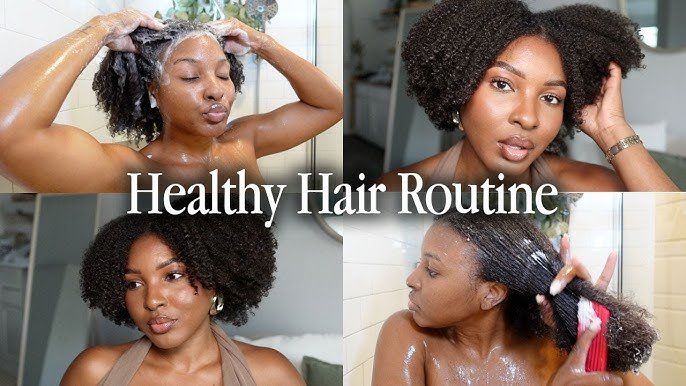
Are you tired of dealing with slow hair growth or brittle strands that break too easily? Your hair says a lot about your health and confidence, and getting it to grow strong and healthy can sometimes feel like a mystery.
But what if you could unlock simple, effective tips that actually work to boost your hair growth? You’ll discover easy habits and secrets that can transform your hair from dull and fragile to vibrant and full of life. Keep reading—you’re just moments away from your best hair yet.

Credit: www.youtube.com
Diet And Nutrition
Eating the right foods helps your hair grow strong and healthy. Your diet gives your hair the nutrients it needs.
Good nutrition supports hair growth and prevents hair loss. Focus on a balanced diet for best results.
Vitamins For Hair Growth
Vitamins play a big role in hair health. They help build hair cells and keep your scalp healthy.
Important vitamins for hair growth include:
- Vitamin A helps produce scalp oils
- Vitamin B7 (Biotin) strengthens hair
- Vitamin C protects hair from damage
- Vitamin D supports hair follicle growth
- Vitamin E improves blood flow to scalp
Hydration And Hair Health
Water is essential for healthy hair. It keeps hair hydrated and prevents dryness.
Drinking enough water helps your scalp stay moist. This promotes hair growth and reduces breakage.
- Drink at least 8 glasses of water daily
- Eat water-rich fruits like watermelon and cucumber
- Avoid sugary drinks that dehydrate your body
Foods To Avoid
Some foods can harm your hair health. Avoid them to keep your hair strong and shiny.
Limit these foods for better hair growth:
- Fast food with high fat and salt
- Excessive sugar that weakens hair
- Highly processed snacks with chemicals
- Too much caffeine causing dehydration
Hair Care Routine
Healthy hair needs a good routine. It keeps your hair strong and shiny. Let’s explore how to care for your hair properly.
Follow these steps to maintain your hair health. This guide covers shampooing, conditioning, and washing frequency.
Choosing The Right Shampoo
Shampoo choice affects your hair’s health. Pick a shampoo that suits your hair type. Check the ingredients before buying.
Use shampoos with natural ingredients. Avoid harsh chemicals like sulfates. These can damage your hair over time.
- For dry hair, choose moisturizing shampoos
- For oily hair, opt for clarifying shampoos
- Color-treated hair needs color-safe shampoos
Conditioning Tips
Conditioner keeps your hair smooth. It also prevents tangling and breakage. Apply conditioner after every shampoo.
Focus on the ends of your hair. They need more moisture than the roots. Leave the conditioner for a few minutes before rinsing.
- Use a wide-tooth comb to spread the conditioner
- Rinse with cool water to seal moisture
- Deep condition once a week for extra care
Avoiding Overwashing
Washing hair too often can strip natural oils. These oils keep your hair healthy and hydrated. Limit washing to two or three times a week.
Adjust your wash routine based on your hair type. Fine hair may need more frequent washing. Thicker hair can go longer between washes.
- Use dry shampoo between washes to absorb oil
- Rinse with water instead of shampoo on non-wash days
- Massage your scalp to stimulate oil production
Scalp Care
Healthy hair starts with a healthy scalp. Taking care of your scalp helps hair grow strong and prevents damage.
Good scalp care includes cleaning, massaging, and treating common scalp problems. This keeps hair roots healthy.
Scalp Massage Techniques
Massaging the scalp improves blood flow. This helps bring nutrients to hair follicles and supports growth.
Use your fingertips, not nails. Apply gentle pressure and move in small circles over the scalp.
- Start at the front hairline and move toward the back
- Massage for 5 to 10 minutes daily
- Use natural oils like coconut or jojoba for added moisture
Exfoliating The Scalp
Exfoliating removes dead skin cells and buildup from hair products. This clears hair follicles and helps hair grow.
Use gentle scalp scrubs or make your own with sugar and oils. Avoid harsh scrubbing to prevent irritation.
- Apply scrub to damp scalp
- Massage gently in circular motions
- Rinse thoroughly with warm water
- Do this once a week for best results
Treating Dandruff
Dandruff causes flakes and itching on the scalp. It can slow hair growth and cause discomfort.
Use anti-dandruff shampoos with ingredients like zinc pyrithione or ketoconazole. Keep your scalp clean and dry.
- Wash hair regularly with a gentle shampoo
- Avoid scratching to prevent irritation
- Use natural remedies like tea tree oil for mild dandruff
- See a doctor if dandruff is severe or persistent

Credit: impressivetimes.com
Styling Habits
Good styling habits help your hair grow healthy and strong. Avoid damage by choosing gentle ways to style your hair.
Small changes in how you treat your hair can make a big difference in its growth and health.
Minimizing Heat Damage
Heat tools can harm your hair and slow growth. Use them less often and at low temperatures.
Always apply a heat protectant spray before styling. This helps shield your hair from damage.
- Set tools to the lowest heat needed
- Limit heat styling to once or twice a week
- Use heat protectant sprays or serums
- Let hair air dry before using heat tools
Protective Hairstyles
Protective hairstyles keep hair ends safe and reduce breakage. They help hair grow by lowering damage.
Styles like braids, buns, and twists hold hair gently without pulling. Change styles often to avoid stress.
- Try loose braids or twists
- Wear buns that are not too tight
- Use soft hair ties like scrunchies
- Keep styles gentle and comfortable
Avoiding Tight Hairdos
Tight hairstyles can pull hair and cause breakage. Avoid styles that stretch your scalp too much.
Loose styles reduce stress on hair roots. This helps prevent hair loss and encourages growth.
- Skip tight ponytails and buns
- Choose loose hairstyles instead
- Use gentle bands without metal parts
- Give hair breaks between styles
Lifestyle Factors
Healthy hair growth needs more than good shampoo. Your daily habits affect your hair health a lot. Simple lifestyle changes can make your hair stronger and shinier.
Focus on managing stress, getting enough sleep, and exercising regularly. These habits support your body and help hair grow well.
Stress Management
Stress can cause hair loss and slow hair growth. It affects the hair follicles and stops new hair from growing.
Find ways to relax your mind and body. Calm activities help reduce stress and protect your hair.
- Practice deep breathing or meditation
- Take breaks during work or study
- Spend time outdoors in nature
- Talk to friends or family about your worries
Getting Enough Sleep
Your body grows hair when you sleep. Lack of sleep makes hair weak and slows growth. Sleep helps repair hair follicles and keeps your scalp healthy.
Aim for 7 to 9 hours of sleep every night. Good sleep improves your overall health and supports strong hair growth.
- Keep a regular sleep schedule
- Make your bedroom dark and quiet
- Turn off screens before bedtime
- Avoid caffeine late in the day
Exercise And Hair Health
Exercise improves blood flow to your scalp. This brings nutrients to hair roots and helps hair grow faster and stronger.
Exercise also reduces stress and balances hormones. Both help prevent hair loss and support healthy hair growth.
- Try at least 30 minutes of exercise daily
- Walk, run, or do yoga to improve circulation
- Drink water to stay hydrated during workouts
- Stretch to relieve tension in your scalp and neck
Natural Remedies
Natural remedies help support healthy hair growth without harsh chemicals. Many plants and oils nourish hair from the roots.
Using simple natural products can improve hair strength and shine over time. These remedies suit all hair types.
Essential Oils For Growth
Essential oils can boost hair growth by improving scalp health. They increase blood flow and reduce dryness.
Popular oils include rosemary, peppermint, and lavender. Always dilute oils with a carrier like coconut oil.
- Rosemary oil helps stimulate hair follicles
- Peppermint oil cools the scalp and promotes growth
- Lavender oil reduces scalp inflammation
- Coconut oil carries oils and moisturizes hair
Herbal Treatments
Herbs contain vitamins and antioxidants that strengthen hair. They calm the scalp and prevent hair loss.
Common herbs for hair include aloe vera, hibiscus, and fenugreek. Use them as rinses or in hair packs.
- Aloe vera soothes scalp and reduces dandruff
- Hibiscus adds shine and prevents split ends
- Fenugreek seeds help rebuild hair follicles
Diy Hair Masks
Hair masks made at home can deeply nourish and hydrate hair. They use simple ingredients from your kitchen.
Try mixing yogurt, honey, and olive oil for a moisturizing mask. Apply once a week for best results.
- Yogurt adds protein and softens hair
- Honey locks in moisture
- Olive oil nourishes and adds shine
When To See A Specialist
Healthy hair growth is important to many people. Sometimes, hair problems need expert help.
Knowing when to see a specialist can save your hair and scalp. This guide explains the signs and options.
Signs Of Hair Loss
Some hair loss is normal. But watch for sudden or large amounts of hair falling out.
Also notice if your scalp looks thin or you see bald patches. These signs mean you should get help.
- More hair falling out than usual
- Thinning hair or bald spots
- Itchy, red, or irritated scalp
- Hair breaks easily or feels weak
Consulting A Dermatologist
A dermatologist is a skin doctor who can help with hair problems. They can find the cause of hair loss.
They may check your scalp and ask about your health. Early visits can stop hair loss from getting worse.
- Bring a list of your hair care products
- Note when you first noticed hair loss
- Share any family history of hair loss
- Tell about recent illnesses or stress
Medical Treatments
Doctors may suggest treatments to help hair grow or stop loss. Treatments depend on the cause.
Some common options are medicines, shampoos, or light therapy. Surgery may be needed in some cases.
- Minoxidil: a lotion to help hair grow
- Finasteride: a pill for certain hair loss
- Special shampoos to reduce scalp problems
- Laser therapy to stimulate hair follicles
- Hair transplant surgery for bald areas

Credit: theayurvedaexperience.com
Frequently Asked Questions
How Can Diet Affect Healthy Hair Growth?
A balanced diet rich in vitamins, minerals, and proteins supports strong hair growth. Foods like eggs, nuts, and leafy greens nourish hair follicles, promoting thicker and healthier hair. Proper hydration also improves scalp health, enhancing hair growth.
What Daily Habits Promote Healthy Hair Growth?
Regularly washing hair with gentle shampoo, avoiding excessive heat, and minimizing chemical treatments protect hair health. Scalp massages increase blood circulation, stimulating follicles. Consistent care and avoiding harsh styling support long-term hair growth.
Which Vitamins Are Essential For Hair Growth?
Vitamins A, C, D, E, and B-complex, especially biotin, are crucial for hair health. They strengthen hair strands, support follicle function, and prevent hair loss. Supplementing these vitamins can improve growth when combined with a balanced diet.
How Often Should I Wash My Hair For Growth?
Washing hair 2-3 times weekly is optimal for most hair types. Over-washing strips natural oils, causing dryness and breakage. Clean scalp and moderate washing keep hair follicles healthy, supporting steady growth.
Conclusion
Healthy hair growth needs care and patience every day. Eat well, drink water, and avoid harsh chemicals. Use gentle shampoo and brush hair softly. Sleep well and reduce stress to help your hair grow strong. Small, simple habits make a big difference over time.
Keep your scalp clean and massage it often. Trust the process and be consistent. Healthy hair grows best with steady care. Take these tips and start your journey today. Your hair will thank you soon.
