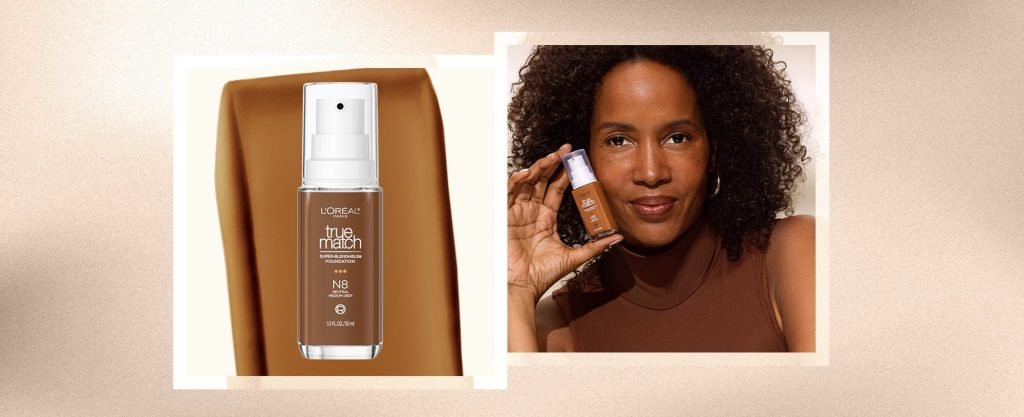
Are you tired of makeup that looks flaky and uneven because of your dry skin? Do you often find yourself struggling to achieve that smooth, dewy finish you see in beauty magazines?
You’re not alone. Dry skin can be a challenging canvas for makeup, often leading to a frustrating experience rather than a fun, creative one. But don’t worry—there are simple, effective strategies you can use to transform your makeup routine. In this guide, you’ll discover essential tips and tricks designed specifically for dry skin.
These insights will help you achieve a flawless look that enhances your natural beauty, leaving your skin feeling comfortable and looking radiant. Ready to revolutionize your makeup game? Let’s dive in!
Prep With Hydrating Skincare
Dry skin demands extra care before applying makeup. Hydrating your skin well creates a smooth canvas that helps your makeup stay fresh and comfortable all day. Skipping this step can lead to flaky patches and uneven coverage, which no one wants.
Choose Moisturizers For Dry Skin
Pick a moisturizer rich in ingredients like hyaluronic acid, glycerin, or ceramides. These components attract and lock in moisture, keeping your skin plump and soft. I once switched to a cream-based moisturizer with ceramides, and my foundation applied so much more evenly.
Apply your moisturizer while your skin is slightly damp to boost absorption. This simple habit makes a noticeable difference in hydration levels.
Use Hydrating Primers
Hydrating primers act as a second layer of moisture and help makeup glide on smoothly. Look for primers that include ingredients like aloe vera or squalane. They create a barrier that prevents makeup from clinging to dry patches.
Try applying a thin layer of primer after your moisturizer and before foundation. Have you noticed how some primers reduce that tight, uncomfortable feeling makeup can cause?
Incorporate Facial Oils
Adding a few drops of facial oil can boost hydration without making your skin greasy. Oils like rosehip, jojoba, or marula absorb quickly and add a natural glow. I usually mix oil with my moisturizer or apply it under my primer for an extra moisture boost.
Don’t be afraid to experiment with facial oils, especially if your skin feels parched. How does your skin react when you add oil to your routine before makeup?

Credit: www.colorescience.com
Select The Right Foundation
Choosing the right foundation is key for dry skin makeup. The foundation should hydrate and create a smooth base. A wrong choice can make dry patches stand out. Focus on formulas that nourish and blend well.
Opt For Creamy Or Dewy Formulas
Creamy and dewy foundations add moisture and glow. They glide on smoothly without settling into dry spots. These formulas keep skin looking fresh and radiant all day. Look for ingredients like hyaluronic acid or glycerin for extra hydration.
Avoid Powder Foundations
Powder foundations often absorb natural oils and dry out skin. They can highlight flaky areas and create a cakey finish. Skip powders to keep skin soft and smooth. Choose liquid or cream foundations for a better look on dry skin.
Test For Long-lasting Hydration
Try foundation samples before buying. Apply on clean skin and observe how it feels over hours. Good foundations maintain moisture without feeling heavy or sticky. Choose one that keeps skin comfortable and hydrated throughout the day.
Apply Makeup For Smooth Finish
Achieving a smooth finish with dry skin makeup requires thoughtful application techniques. The right tools and layering can make your makeup look fresh and natural instead of flaky or patchy. Let’s explore some practical ways to apply your products that help your skin stay hydrated and flawless throughout the day.
Use Damp Beauty Sponges
Using a damp beauty sponge can transform your makeup application. The moisture in the sponge helps blend foundation and concealer evenly without soaking up too much product.
I noticed a huge difference when I switched from brushes to damp sponges. My foundation no longer looked cakey, and my dry patches stayed concealed longer. You might find that a slightly wet sponge gives you that dewy, skin-like finish you want.
Apply In Thin Layers
Thick makeup can settle into dry patches and emphasize texture. Instead, try building your coverage gradually with thin layers.
Start with a light layer, let it set for a few seconds, then add more only where you need it. This technique keeps your skin looking natural and prevents the heaviness that often comes with dry skin makeup.
Blend Seamlessly
Blending is key to avoiding harsh lines and uneven spots. Use gentle, tapping motions rather than rubbing or dragging your skin.
Take your time to blend foundation around tricky areas like the nose and under the eyes. A seamless blend ensures your makeup melds perfectly with your skin, giving you that smooth, radiant look you’re aiming for.

Credit: m.youtube.com
Enhance Glow With Highlighters
Adding a highlighter can instantly bring life to dry skin by creating a subtle, healthy glow. The key is to choose the right type and apply it carefully to avoid emphasizing dryness. Let’s explore how you can use highlighters to enhance your natural radiance without overwhelming your skin.
Choose Liquid Or Cream Highlighters
Powder highlighters can sometimes cling to dry patches, making your skin look flaky. Instead, opt for liquid or cream highlighters that blend smoothly and add moisture at the same time. These formulas melt into your skin and create a dewy finish that feels lightweight and fresh.
Have you noticed how a cream highlighter can make your skin look plumper? That’s because it reflects light softly without drying out your skin further.
Focus On High Points
Apply your highlighter only on the high points of your face to avoid an overly shiny look. Concentrate on areas like the cheekbones, brow bones, the bridge of your nose, and the cupid’s bow. This technique draws attention to your best features and mimics natural light hitting your face.
Try tapping the product lightly with your fingers for a more natural finish instead of sweeping it on. This small change can make your glow look like it’s coming from within.
Avoid Excessive Shimmer
Shimmer might sound like a great idea for glowing skin, but too much can highlight dry patches and texture. Instead, choose highlighters with a subtle sheen rather than chunky glitter. This keeps your look fresh and sophisticated without drawing unwanted attention to dryness.
Ask yourself: does your highlighter add a soft glow or a harsh shine? If it’s the latter, it’s time to switch to something gentler on your skin.
Set Makeup Without Drying
Setting makeup without drying the skin is key for a fresh, healthy look. Dry skin needs gentle products that lock makeup in place but keep moisture intact. Avoid harsh ingredients that strip natural oils. Choose methods that hydrate and maintain a dewy finish throughout the day.
Use Hydrating Setting Sprays
Hydrating setting sprays add moisture and fix makeup gently. They create a light barrier that prevents dryness. Spritz your face lightly after finishing makeup. Look for sprays with ingredients like aloe vera or glycerin. These help keep skin soft and fresh.
Skip Heavy Powders
Heavy powders can make dry skin look flaky and dull. They absorb moisture and highlight dry patches. Use powders sparingly or avoid them altogether. Opt for translucent or finely milled powders if needed. These are lighter and less drying on the skin.
Touch Up With Cream Products
Cream products blend well on dry skin and add hydration. Use cream blushes and highlighters to refresh your look. They melt into the skin, avoiding cakey texture. Carry small cream products for quick touch-ups during the day. This keeps your makeup smooth and moist.
Extra Tips For Lasting Glow
Maintaining a lasting glow on dry skin requires care beyond makeup. Simple habits help your skin stay fresh and radiant all day. Focus on nurturing your skin from the inside out.
Stay Hydrated Internally
Drink plenty of water throughout the day. Hydration keeps skin cells plump and healthy. It helps makeup sit smoothly and prevents flaking. Herbal teas and water-rich fruits also boost moisture levels.
Avoid Hot Water On Face
Hot water strips natural oils from the skin. Use lukewarm water for cleansing and washing. This gentle temperature protects skin’s moisture barrier. It keeps skin soft and ready for makeup.
Regular Exfoliation For Smooth Skin
Exfoliate once or twice a week. Remove dead skin cells to reveal fresh skin underneath. Use mild exfoliants designed for dry skin. Smooth skin lets foundation and blush apply evenly.

Credit: www.yesmadam.com
Frequently Asked Questions
How Do I Prep Dry Skin Before Makeup?
Start with a hydrating cleanser and gentle exfoliation. Apply a rich moisturizer and a hydrating primer. This locks in moisture and creates a smooth base for makeup.
What Foundation Works Best For Dry Skin?
Choose a hydrating, dewy foundation with moisturizing ingredients. Avoid matte or powder foundations as they can emphasize dryness and flakiness.
How Can I Prevent Makeup From Flaking On Dry Skin?
Use a nourishing primer and set makeup lightly with a hydrating setting spray. Avoid heavy powders that can cause flaking.
Which Makeup Products Are Best For Dry Skin?
Opt for cream-based blushes, highlighters, and eyeshadows. These formulas blend smoothly and add a natural glow without drying your skin.
Conclusion
Dry skin makeup needs gentle care and smart choices. Use hydrating products to keep skin soft. Choose creamy foundations for smooth, even coverage. Always prep your skin with moisturizer before makeup. Avoid powders that can make skin look flaky. Light layers work best to avoid cakey looks.
Keep your skin refreshed by drinking plenty of water. These simple tips help your makeup look fresh all day. Healthy skin and good products create a natural, glowing finish. Try these ideas and enjoy your flawless makeup every time.
