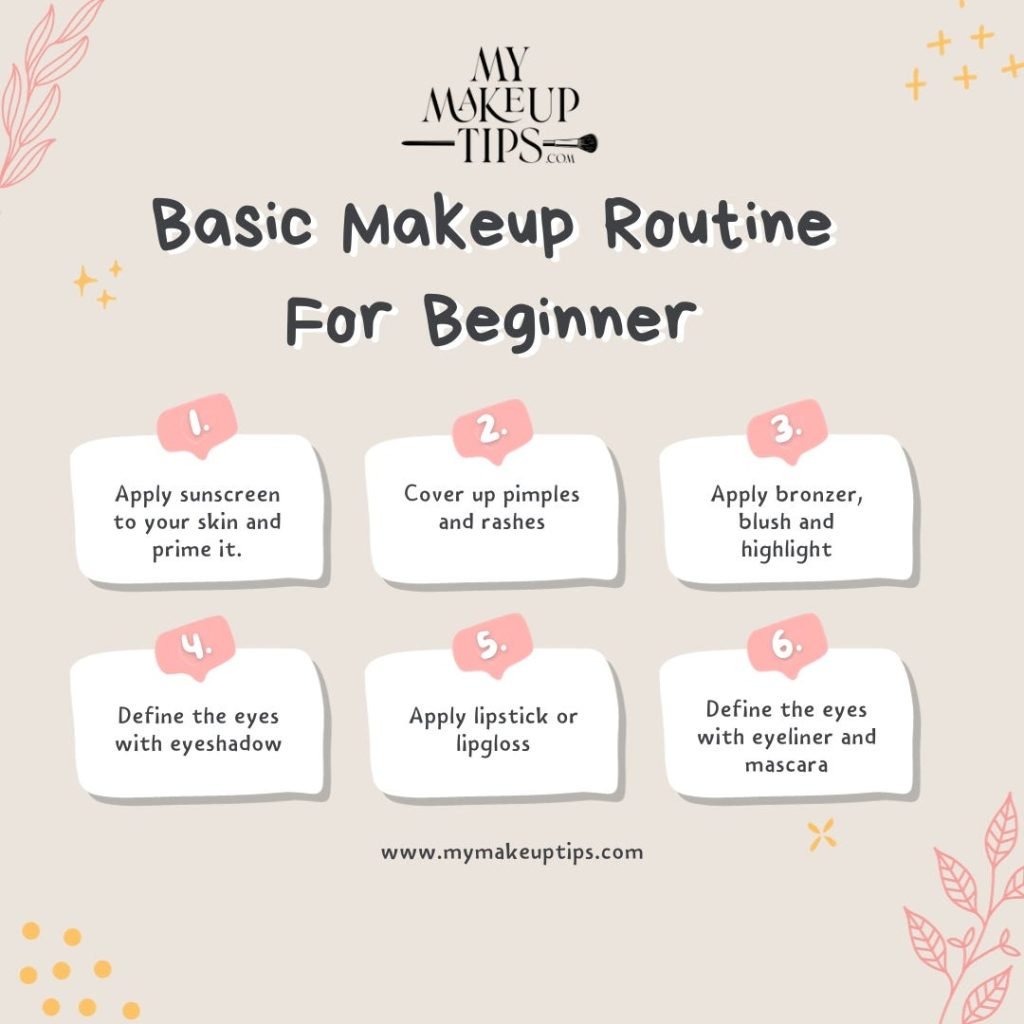
Are you just starting out with makeup and feeling a bit overwhelmed by the endless options and techniques? Don’t worry, you’re not alone.
Many beginners feel the same way, but the good news is that mastering makeup can be both fun and rewarding. Imagine transforming your look with just a few simple strokes and feeling confident every time you step out. In this guide, you’ll discover easy-to-follow tips that will help you navigate the world of makeup like a pro.
Whether you’re looking to enhance your natural beauty or try something bold and new, these tips will give you the foundation you need. Ready to unlock the secrets to flawless makeup? Let’s dive in!
Choosing The Right Products
Choosing the right makeup products can make a huge difference in your look and how your skin feels throughout the day. It’s not about buying everything you see on the shelf but about finding what truly suits your skin and fits your daily routine. Understanding your skin and knowing which products to start with will save you time, money, and frustration.
Skin Type And Tone
Knowing your skin type is the first step in picking the right makeup. Is your skin oily, dry, combination, or sensitive? This affects which foundation or primer will work best for you. For example, if you have oily skin, a mattifying foundation can help control shine, while dry skin benefits from hydrating formulas.
Understanding your skin tone is equally important. Are you cool, warm, or neutral? This guides you in choosing foundation shades, blush, and eyeshadow colors that enhance your natural beauty. Many beginners make the mistake of picking shades that don’t match their undertone, which can make makeup look unnatural.
Basic Makeup Kit
You don’t need a huge collection to start. Focus on a few essentials that cover the basics and allow you to create simple looks. A good foundation or tinted moisturizer, a concealer, mascara, a neutral eyeshadow palette, and a versatile lip color are a solid starting point.
Think about your lifestyle when building your kit. If you prefer quick routines, choose multipurpose products like a lip and cheek tint. Does your day involve long hours? Look for long-lasting and sweat-resistant options. This approach keeps your makeup practical and suited to your needs.
Quality Vs. Quantity
It’s tempting to buy many products at once, but quality matters more than quantity. High-quality products tend to have better ingredients, last longer on your skin, and often look more natural. You’ll notice less irritation and better overall results.
Invest in a few trusted brands rather than filling your drawer with cheap, low-quality items that you’ll rarely use. Ask yourself: would you rather have five great products or twenty you never touch? Your skin and your wallet will thank you for choosing wisely.
Prepping Your Skin
Prepping your skin is the foundation of any great makeup look. It helps your makeup go on smoothly and last longer throughout the day. Taking a few minutes to properly prepare your skin can make a huge difference in how your makeup looks and feels.
Cleansing And Moisturizing
Start with a gentle cleanser suited to your skin type. This removes dirt, oil, and leftover makeup that can cause your foundation to patch or slide off. Clean skin gives your makeup a fresh canvas to stick to.
After cleansing, always apply a moisturizer. Even if you have oily skin, moisturizing prevents your skin from overproducing oil later. Choose a lightweight formula if your skin feels greasy or a richer cream if it’s dry.
I once skipped moisturizing because I thought it would make my skin oilier, but my makeup actually wore off faster. Moisturizing helps balance your skin and keeps your makeup looking fresh longer.
Priming For Longevity
Primer acts like a glue that holds your makeup in place. It smooths out your skin’s texture and helps foundation apply evenly. You can find primers that mattify oily skin, hydrate dry patches, or even add a glow.
Apply primer in thin, even layers, focusing on areas where makeup tends to fade or crease, like the T-zone. This step can extend your makeup wear by hours and reduce the need for touch-ups.
Ask yourself: What’s the biggest challenge you face with your makeup staying put? Finding the right primer can be the game-changer you didn’t know you needed.
Foundation Basics
Foundation is the base of any makeup look. It creates an even skin tone and hides imperfections. Choosing and applying foundation correctly makes the skin look natural and smooth. Understanding the basics helps beginners feel confident and achieve better results.
Finding The Perfect Shade
Choosing the right foundation shade is key. Test shades on your jawline, not your hand. The perfect shade blends seamlessly with your neck and face. Look for undertones: cool, warm, or neutral. Knowing your undertone helps select shades that suit your skin. Natural daylight is best for shade testing.
Application Techniques
Start with clean, moisturized skin. Use a small amount of foundation to avoid heaviness. Apply dots of foundation on your forehead, cheeks, nose, and chin. Use tools like brushes, sponges, or fingers to spread the product. Patting motions work well to place foundation evenly. Build coverage gradually for a natural look.
Blending Tips
Blend foundation well to avoid lines and patches. Use a damp makeup sponge or brush for smooth blending. Blend from the center of the face outward. Don’t forget to blend along the jawline and hairline. Check your face in natural light to spot any uneven areas. Blending creates a flawless and natural finish.

Credit: www.youtube.com
Enhancing Your Eyes
The eyes are the window to your soul and a key feature to highlight. Enhancing your eyes can change your entire look. Simple techniques bring out your natural beauty and boost confidence.
Focus on colors and shapes that suit your eye color and face. Small steps make a big difference in making your eyes pop. Learn basic tips to start your eye makeup journey with ease.
Choosing Eye Shadows
Pick shades that complement your eye color. Browns and golds suit most skin tones and eye colors. Use light shades on the eyelid for brightness.
Darker shades go in the crease to add depth. Blend well to avoid harsh lines. Matte shadows work well for daytime looks. Shimmery shadows add sparkle for night.
Applying Eyeliner
Eyeliner defines your eyes and makes lashes look fuller. Use pencil liners for a soft look. Gel or liquid liners create sharp, bold lines.
Start from the inner corner and move outward. Keep the line thin for a natural effect. Thicken the line for a dramatic style. Smudge slightly for a smoky look.
Mascara Tricks
Mascara opens up your eyes and lengthens lashes. Choose a mascara with a good brush for easy application. Wiggle the brush at the base of lashes.
Pull the brush upward to the tips. Apply a second coat for extra volume. Avoid clumps by separating lashes with a clean spoolie brush.
Shaping And Filling Brows
Well-shaped and filled brows frame the face and enhance natural beauty. Shaping and filling brows can boost confidence and complete any makeup look. Beginners can achieve neat brows with simple tools and easy techniques. Understanding product choices and filling methods helps create balanced, natural-looking brows.
Selecting Brow Products
Choose products that suit your brow type and skin. Common options include:
- Brow pencils:Good for precise lines and natural strokes.
- Brow powders:Ideal for a soft, fuller look.
- Brow gels:Help set hairs and add color.
- Brow pomades:Provide bold, long-lasting color.
Pick a shade close to your natural brow color for the best result. Lighter shades work well for fair hair, while darker shades suit brunettes.
Filling Techniques
Start by brushing brows upward with a spoolie brush. Use short, light strokes to mimic hair growth. Focus on sparse areas to avoid overfilling.
- Outline the bottom edge of the brow for definition.
- Fill in gaps with small, hair-like strokes.
- Blend the product gently to soften harsh lines.
- Set brows with a clear or tinted gel for hold.
Practice makes perfect. Adjust pressure and angle for a natural look.
Adding Color To Cheeks
Adding color to your cheeks can instantly brighten your face and give you a fresh, healthy glow. It’s a simple way to enhance your natural beauty without feeling overdone. Let’s look at how you can master this step with ease and confidence.
Blush Placement
Where you place your blush changes the entire look of your makeup. Smile slightly to find the apples of your cheeks—this is where the color should go for a youthful effect. For a more sculpted look, sweep blush along your cheekbones toward your temples.
Think about your face shape: round faces benefit from blush that’s applied slightly higher to lift the cheeks, while longer faces look great with blush placed more horizontally. Don’t be afraid to experiment in natural light to see what feels right for you.
Choosing Blush Shades
Picking the right shade can seem tricky, but it really comes down to your skin tone and the look you want. If you have fair skin, soft pinks and peaches work beautifully. Medium skin tones glow with apricot or warm rose shades, while deeper skin tones shine with berry or brick red blushes.
Ask yourself—do you want a subtle flush or a bold pop of color? Start with lighter shades and build up gradually. This way, you avoid applying too much and can adjust the intensity throughout the day.
Perfecting Lips
Lips can change your whole makeup look. Perfecting lips is about care and technique. Soft, smooth lips make colors pop and feel comfortable. Bright, even lipstick boosts confidence and style. Simple habits can help your lips look their best every day.
Lip Care Tips
- Exfoliate lips gently using a soft brush or scrub.
- Apply a hydrating lip balm daily, especially before bed.
- Drink plenty of water to keep lips naturally moist.
- Avoid licking lips; it dries them out quickly.
- Use SPF lip balm to protect from sun damage.
Lipstick Application
- Start with clean, moisturized lips for smooth application.
- Use a lip liner to outline and fill lips for better hold.
- Apply lipstick from the center outward for even coverage.
- Blot lips gently with tissue to remove excess product.
- Layer a second coat for richer color and longer wear.
Long-lasting Lip Looks
Choose long-wear formulas like matte or liquid lipsticks. They stay put and resist smudging. Use a lip primer to create a smooth base. Set lipstick with a translucent powder for extra hold.
- Layer lip liner under lipstick for durability.
- Avoid oily foods that break down lipstick quickly.
- Touch up with a lip brush after meals to refresh color.
Credit: www.lemon8-app.com
Setting Your Makeup
Setting your makeup helps it last longer and look fresh. It stops your face from becoming shiny or oily. A good setting routine keeps your makeup in place all day. Choose the right products and use them correctly.
Powders And Sprays
Setting powders absorb oil and reduce shine. Use a light hand to avoid a cakey look. Press the powder gently on your face with a puff or brush. Focus on the T-zone where oil builds up fast.
Setting sprays lock in your makeup with a fine mist. Hold the bottle at arm’s length before spraying. Let the spray dry naturally without touching your face. Some sprays add a natural glow or mattify skin.
Touch-up Tips
- Carry blotting papers to remove shine without ruining makeup.
- Use a small brush to fix any powder that looks uneven.
- Spray a light layer of setting spray during the day for a fresh look.
- Keep a compact powder for quick touch-ups on the go.
- Avoid rubbing your face to keep makeup intact.
Common Mistakes To Avoid
Starting your makeup journey is exciting, but it’s easy to fall into some common traps that can make your look less polished. Avoiding these mistakes will save you time, product, and frustration. Let’s look at some typical errors beginners make and how you can steer clear of them to enhance your natural beauty.
Over-applying Products
It’s tempting to pile on foundation or eyeshadow to cover imperfections or create drama. However, too much product can look heavy and unnatural. Instead, apply in thin layers and build up only where needed.
Think about the last time you felt your makeup was too much—did it feel uncomfortable or cakey? Less is often more, especially when you’re just starting out. Focus on blending well rather than adding more product.
Ignoring Skin Prep
Skipping skincare before makeup is one of the biggest mistakes. Clean, moisturized skin provides a smooth canvas and helps makeup last longer.
If you’ve ever noticed your foundation patching or flaking, it might be due to dry or unprepared skin. Try washing your face and applying a lightweight moisturizer before makeup. This small step makes a huge difference in how your makeup sits and feels.
Mismatched Shades
Choosing the wrong foundation or concealer shade can undo all your effort. A shade too light or too dark creates an obvious line or unnatural look.
Test shades on your jawline in natural light to find the best match. Don’t be afraid to ask for samples or help from store experts. Matching your shade correctly enhances your look and boosts confidence.

Credit: www.threads.com
Frequently Asked Questions
What Are The Essential Makeup Products For Beginners?
Start with basics: foundation, concealer, mascara, lip balm, and blush. These products build a simple, natural look. Choose shades that match your skin tone. Quality over quantity ensures better results and confidence while learning makeup techniques.
How Do Beginners Apply Foundation Evenly?
Use a damp makeup sponge or brush for smooth application. Start with small amounts and blend outward from the center. This avoids streaks and creates a flawless finish. Proper skin preparation with moisturizer also helps foundation glide on evenly.
What Is The Best Way To Choose Makeup Shades?
Select shades that complement your skin undertone—cool, warm, or neutral. Test colors on your jawline in natural light for accuracy. Stick to neutral tones first to enhance your natural beauty without overpowering your look.
How Can Beginners Avoid Common Makeup Mistakes?
Practice blending eyeshadow and foundation properly to avoid harsh lines. Use minimal product to prevent cakey skin. Always remove makeup before sleeping to protect skin health and prevent breakouts. Learning from tutorials helps build skills faster.
Conclusion
Starting makeup is fun and takes practice every day. Choose products that suit your skin and feel comfortable. Always clean your brushes and tools to keep skin healthy. Remember, less is often more when applying makeup. Try new looks but keep it simple at first.
Enjoy the process and be patient with yourself. Confidence grows with each step you take. Makeup is about feeling good, not just looking good. Keep practicing, and you will see great results soon.