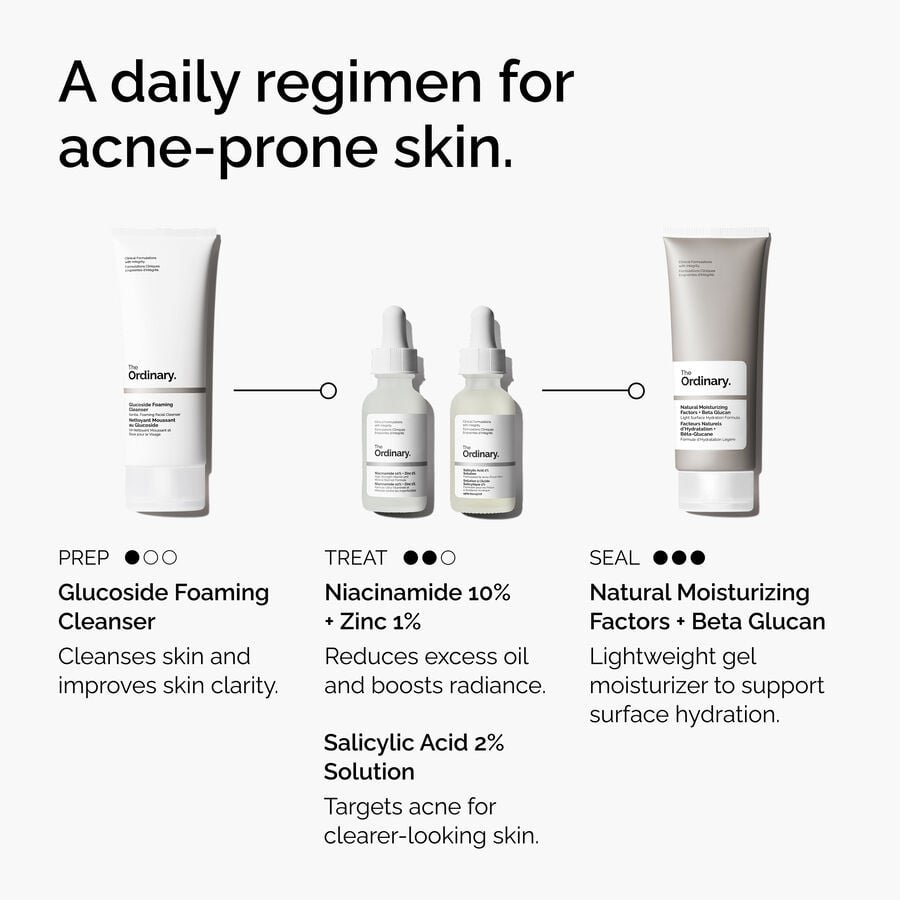
Are you tired of complicated skincare routines that leave you confused and frustrated? You’re not alone.
Finding the right steps to care for your skin doesn’t have to be overwhelming. Imagine a simple, effective routine that fits seamlessly into your day and helps your skin look its best. You’ll discover the essential steps of The Ordinary skincare routine that anyone can follow.
By the end, you’ll feel confident about what your skin truly needs—and how to give it just that. Keep reading to unlock the secrets to clearer, healthier skin without the hassle.
Daily Cleansing
Daily cleansing is the first and most important step in any skincare routine. It helps remove dirt, oil, and impurities from the skin. Clean skin allows other skincare products to work better. Keeping your skin clean prevents breakouts and keeps it fresh.
Choosing The Right Cleanser
Select a cleanser based on your skin type. For oily skin, use a foaming or gel cleanser to reduce shine. Dry skin benefits from creamy or hydrating cleansers to add moisture. Sensitive skin needs gentle, fragrance-free formulas to avoid irritation. Always check ingredients and avoid harsh chemicals.
Morning Vs Evening Cleansing
Morning cleansing removes oil and sweat from sleep. Use a gentle cleanser to refresh your skin without stripping moisture. Evening cleansing is crucial to remove makeup, dirt, and pollution from the day. Choose a stronger cleanser if you wear makeup or sunscreen. Cleansing twice a day keeps skin clean and balanced.
Common Cleansing Mistakes
- Using hot water that dries out skin.
- Over-cleansing and stripping natural oils.
- Skipping cleansing before bedtime.
- Rough scrubbing that damages skin barrier.
- Using the wrong cleanser for your skin type.
Avoid these mistakes to keep your skin healthy and clear. Gentle cleansing maintains skin’s natural glow and strength.
Credit: www.sephora.com
Toning Benefits
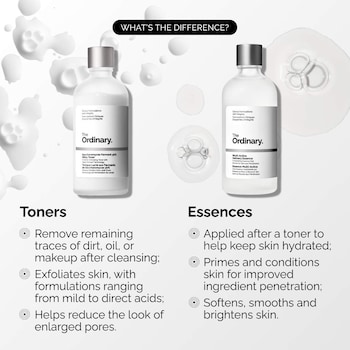
Toning plays a vital role in your skincare routine, especially with The Ordinary products known for their straightforward and effective formulas. Using a toner helps balance your skin’s pH, removes leftover impurities after cleansing, and preps your skin to absorb serums and moisturizers better. Have you ever noticed how your skin feels tight or dry after cleansing? A good toner can prevent that and leave your skin feeling refreshed and ready for the next steps.
Types Of Toners
Toners come in various forms, each designed to address different skin needs. Here are some common types:
- Hydrating Toners:These add moisture back to your skin and are great if you have dry or sensitive skin.
- Exfoliating Toners:Contain acids like AHAs or BHAs that gently remove dead skin cells and unclog pores.
- Balancing Toners:Help restore your skin’s natural pH and reduce oiliness without stripping moisture.
- Soothing Toners:Formulated with ingredients like aloe or chamomile to calm irritated or inflamed skin.
Choosing the right toner depends on your skin’s current condition and what you want to achieve.
How To Apply Toner
Applying toner properly can make a big difference in how your skin responds. After cleansing, pour a small amount of toner onto a cotton pad or your hands.
Gently swipe the cotton pad across your face or pat the toner in with your palms. Avoid rubbing hard, as this can irritate your skin.
Wait a minute or two before applying other products to let the toner absorb fully. This simple step improves the effectiveness of your entire routine.
Toner For Different Skin Types
Not all toners suit every skin type, so picking one that matches your skin’s needs is key.
| Skin Type | Recommended Toner | Why It Works |
|---|---|---|
| Dry | Hydrating toner with hyaluronic acid or glycerin | Restores moisture and prevents dryness after cleansing |
| Oily | Balancing toner with niacinamide or witch hazel | Controls excess oil and minimizes pores |
| Combination | Light exfoliating toner with mild AHAs | Targets oily areas without drying out dry patches |
| Sensitive | Soothing toner with aloe vera or chamomile | Calms inflammation and reduces redness |
Have you experimented with different toners to see how your skin reacts? Finding the right fit can make your skincare routine feel like it’s tailored just for you.
Serums And Treatments
Serums and treatments are key parts of The Ordinary skincare routine. They target specific skin concerns with concentrated ingredients. These lightweight products absorb quickly and deliver active compounds deep into the skin. Using them right helps improve skin texture, tone, and hydration.
Choosing the right serums and applying them in the correct order maximizes their benefits. Spot treatments add extra care for problem areas without overwhelming the skin. Understanding how to select and layer these products ensures the best results.
Selecting Active Ingredients
Pick active ingredients based on your skin type and concern. For dry skin, hyaluronic acid boosts moisture. For dull skin, vitamin C brightens and evens tone. Niacinamide helps reduce redness and controls oil. Retinol supports cell turnover and fights aging.
Check ingredient compatibility. Avoid mixing strong acids with retinol. Start with one new serum to see how skin reacts. Introduce others slowly to prevent irritation.
Layering Serums Correctly
Apply serums from thinnest to thickest texture. Water-based serums go first, followed by oil-based ones. Wait a minute between layers to let each absorb. Use gentle patting motions to avoid tugging skin.
- Cleanse and tone your face.
- Apply water-based serums like hyaluronic acid.
- Follow with thicker serums, such as niacinamide or peptides.
- Finish with oil-based serums or facial oils.
This routine helps each serum work effectively without mixing poorly.
When To Use Spot Treatments
Spot treatments target pimples and blemishes directly. Apply a small amount only on affected areas. Use after serums but before moisturizer. Limit use to avoid drying out healthy skin.
Choose treatments with ingredients like salicylic acid or benzoyl peroxide. Use them at night or as needed. Consistent, careful use helps clear breakouts faster.

Credit: thescarletlilyblog.com
Moisturizing Steps
Moisturizing is a crucial step in The Ordinary skincare routine that ensures your skin stays hydrated, balanced, and healthy-looking throughout the day. Without proper moisture, your skin can feel tight, flaky, or oily as it tries to compensate. Let’s dive into how you can pick the right moisturizer, understand the difference between day and night options, and apply hydration tips that work for every skin type.
Picking The Right Moisturizer
Choosing a moisturizer depends on your skin’s unique needs. If your skin is dry, look for rich creams with ingredients like hyaluronic acid or ceramides. Oily skin benefits from lightweight, non-comedogenic gels or lotions that won’t clog pores.
Don’t overlook your skin’s sensitivity. Products with fragrance or alcohol might irritate delicate skin. Instead, opt for simple formulas with soothing elements like niacinamide or squalane.
Day Vs Night Moisturizers
Day moisturizers often include SPF to protect your skin from UV damage. They tend to be lighter to wear comfortably under makeup or in warm weather. Night moisturizers are richer and focus on repairing the skin barrier while you sleep.
Have you noticed your skin feels different in the morning than at night? That’s because your skin’s needs shift. Using a targeted moisturizer can make a visible difference in texture and glow.
Hydration Tips For All Skin Types
- Apply moisturizer on damp skin to lock in extra hydration.
- Layer your products: use a serum like The Ordinary’s Hyaluronic Acid before your moisturizer for deeper hydration.
- Don’t forget your neck and décolletage—they need moisture too!
- Adjust your moisturizer based on the season; lighter in summer, richer in winter.
Have you ever skipped moisturizer and wondered why your skin looks dull? Consistent hydration keeps your skin plump and resilient. Your skin’s moisture isn’t just about looks—it supports overall skin health and barrier function.
Sun Protection
Sun protection is a vital part of any skincare routine. It helps prevent skin damage caused by harmful UV rays. Daily use of sunscreen keeps skin youthful and healthy. It lowers the risk of sunburn, dark spots, and skin cancer. Applying sunscreen properly ensures maximum defense against the sun’s rays.
Choosing Sunscreen Spf
SPF stands for Sun Protection Factor. It shows how well sunscreen protects against UVB rays. Choose sunscreen with at least SPF 30 for daily use. Higher SPF gives more protection but no sunscreen blocks 100% UV rays. Pick broad-spectrum sunscreens to shield against UVA and UVB rays. Look for formulas that suit your skin type. For oily skin, choose a lightweight, oil-free sunscreen. For dry skin, moisturizing sunscreens work best.
Applying Sunscreen Properly
Apply sunscreen 15 minutes before going outside. Use enough product to cover all exposed skin. A good rule is one teaspoon for the face and neck. Don’t forget ears, lips, and hands. Reapply sunscreen every two hours or after swimming or sweating. Even on cloudy days, UV rays can harm your skin. Daily reapplication keeps protection strong.
Sunscreen Myths Debunked
- Sunscreen is only for sunny days. False. UV rays pass through clouds.
- Dark skin doesn’t need sunscreen. False. Everyone needs protection.
- Sunscreen causes vitamin D deficiency. False. It only reduces UV exposure.
- Makeup with SPF replaces sunscreen. False. It does not provide enough coverage.
Weekly Extras
Weekly extras enhance your regular skincare routine. They give your skin a deeper clean and extra care. These steps help remove dead skin, brighten your face, and boost hydration. Adding these treatments once or twice a week keeps your skin fresh and glowing. Let’s explore some key weekly extras to include.
Exfoliation Techniques
Exfoliation removes dead skin cells that build up over time. It smooths skin texture and helps other products absorb better. Use gentle chemical exfoliants like AHAs or BHAs from The Ordinary. These avoid irritation and work well for most skin types. Avoid harsh scrubs that can cause redness or damage. Apply exfoliants at night and follow with moisturizer. Limit exfoliation to one or two times per week.
Face Masks For Radiance
Face masks give your skin a quick boost of nutrients and moisture. The Ordinary offers masks with ingredients like Vitamin C and hyaluronic acid. These brighten dull skin and lock in hydration. Use masks after cleansing and exfoliating. Leave on for the recommended time, usually 10 to 20 minutes. Rinse with lukewarm water and pat skin dry. Choose a mask that fits your skin needs for best results.
When To Pamper Your Skin
Timing your weekly extras is key. Pick days when your skin feels dull or dry. Avoid days after heavy sun exposure or skin irritation. Weekend evenings work well for pampering rituals. Make sure to follow up with gentle hydration and sun protection. Consistency matters more than frequency. Gentle care keeps your skin healthy and comfortable.
Adjusting For Skin Types
Adjusting your skincare routine to fit your skin type improves results. The Ordinary offers products suitable for oily, dry, and sensitive skin. Choosing the right items helps maintain balance and health.
Routine For Oily Skin
- Cleanse with a gentle foaming cleanser to remove excess oil.
- Use a niacinamide serum to control shine and minimize pores.
- Apply a lightweight, oil-free moisturizer to hydrate without clogging pores.
- Incorporate a salicylic acid treatment to prevent breakouts.
- Finish with a broad-spectrum sunscreen that feels light on skin.
Routine For Dry Skin
- Start with a creamy cleanser that cleans without stripping moisture.
- Use a hyaluronic acid serum to boost skin hydration.
- Apply a rich moisturizer to lock in moisture and soften skin.
- Consider using a facial oil for added nourishment.
- Protect skin with a moisturizing sunscreen to prevent dryness.
Routine For Sensitive Skin
- Choose a mild, fragrance-free cleanser to avoid irritation.
- Use soothing serums like those with centella asiatica or madecassoside.
- Apply a calming moisturizer that reduces redness and strengthens skin barrier.
- Avoid strong acids or exfoliants that may cause reactions.
- Use a gentle, mineral-based sunscreen designed for sensitive skin.

Credit: theordinary.com
Frequently Asked Questions
What Are The Basic Steps In The Ordinary Skincare Routine?
The basic steps include cleansing, toning, applying serums, moisturizing, and sun protection. Each step targets different skin needs effectively.
How Often Should I Follow The Ordinary Skincare Routine?
You should follow the routine twice daily, morning and night, for best results. Consistency is key for visible improvements.
Can The Ordinary Products Suit All Skin Types?
Yes, The Ordinary offers products for oily, dry, sensitive, and combination skin. Always patch test to avoid reactions.
What Is The Best Order To Apply The Ordinary Products?
Apply products from thinnest to thickest texture: toner, serum, moisturizer, and sunscreen last. This ensures maximum absorption.
Conclusion
A simple skincare routine with The Ordinary products can benefit everyone. Start with cleansing to keep skin fresh. Use serums to target specific concerns. Moisturize to lock in hydration. Finally, sunscreen protects from harmful rays. Consistency is key. Stick to the routine daily for best results.
Your skin will thank you. Remember to patch test new products. This avoids unwanted reactions. Enjoy healthier, clearer skin. The Ordinary offers effective solutions. Perfect for those who seek budget-friendly options. Explore and find what suits your skin best. Take small steps towards better skin.
