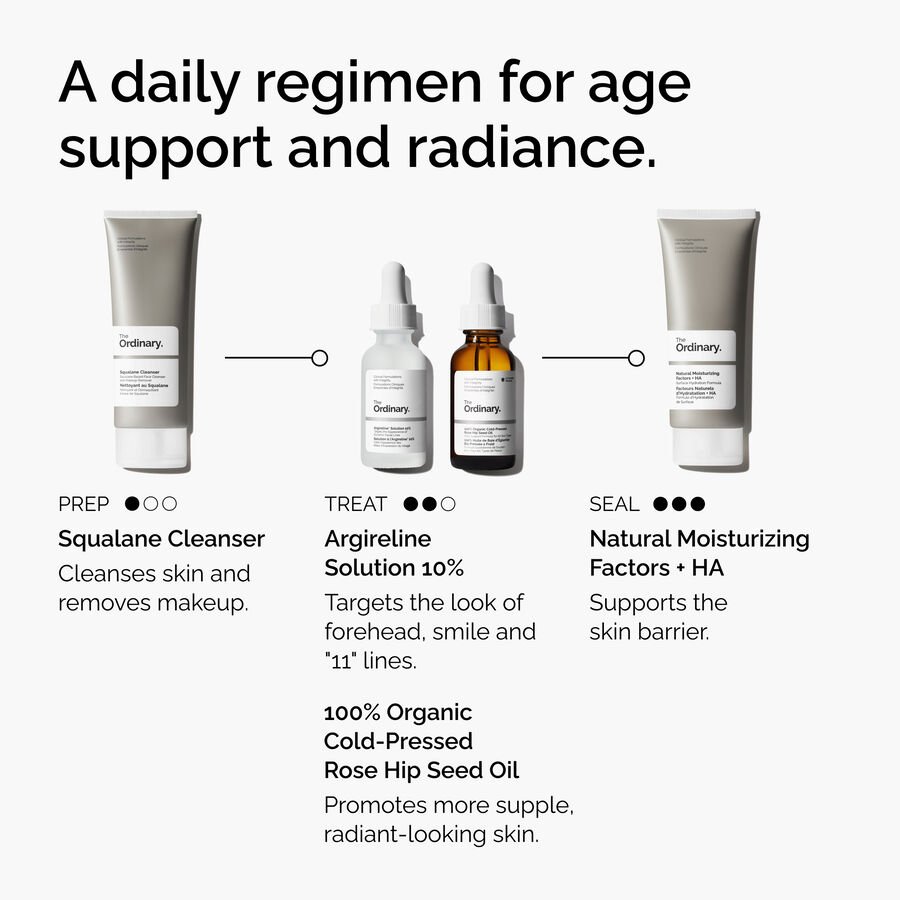
Navigating skincare over 50 can sometimes feel like a daunting task. But it doesn’t have to be.
You might find yourself overwhelmed by countless products and advice, unsure of what truly works for your skin. The good news? Achieving a radiant complexion is simpler than you think. Imagine waking up each day with skin that feels refreshed and looks revitalized.
That’s the power of an effective skincare routine. By focusing on what’s essential, you can enhance your natural beauty and confidence. So, what if you could discover a straightforward routine that caters specifically to your skin’s needs over 50? Keep reading to unlock the secrets of The Ordinary skincare routine tailored just for you.

Credit: theordinary.com
Skin Changes After 50
After turning 50, your skin goes through noticeable changes that affect how you care for it. These shifts can feel surprising or even frustrating, but understanding them helps you adjust your routine effectively. Let’s look closely at what happens to your skin and how these changes impact your daily skincare choices.
Common Aging Signs
Fine lines and wrinkles become more visible as collagen production slows down. You might notice your skin feels thinner and less firm. Age spots and uneven skin tone can appear due to years of sun exposure.
Have you spotted new dryness or rough patches? These are common as your skin’s natural oils decrease. Adding hydrating products like hyaluronic acid can make a big difference in comfort and appearance.
Impact Of Hormones
Hormonal changes after 50, especially during and after menopause, greatly affect your skin. Estrogen levels drop, leading to less moisture and elasticity. This change can cause your skin to feel tighter or more sensitive than before.
Some women experience breakouts or increased dryness linked to these hormonal shifts. Paying attention to how your skin reacts can guide you to choose products that balance these effects—like gentle cleansers and barrier-repair creams.
Skin Sensitivity
Your skin often becomes more sensitive with age. It may react more easily to harsh ingredients or environmental factors like wind and sun. This sensitivity means you should be cautious about what you apply daily.
Have you noticed redness or irritation after using certain products? Opt for formulas designed for sensitive skin and always patch test new items. Using The Ordinary’s straightforward, minimal-ingredient products can help reduce the risk of irritation while addressing your skin’s needs.
Daily Cleansing Tips
Daily cleansing is the foundation of any effective skincare routine, especially for skin over 50. Your skin’s needs change with age, so choosing the right cleanser and using proper techniques can make a significant difference in maintaining a healthy glow. Let’s dive into how you can optimize this simple yet crucial step.
Choosing Gentle Cleansers
As you age, your skin tends to become drier and more sensitive. Using harsh cleansers can strip away natural oils, leaving your skin tight and irritated. Opt for gentle, hydrating formulas that cleanse without disrupting your skin’s moisture barrier.
Look for ingredients like glycerin, hyaluronic acid, and ceramides, which help retain moisture. Avoid sulfates and strong fragrances that may cause redness or dryness. Have you ever noticed how a mild cleanser feels better on your skin after a long day? That’s your skin thanking you for treating it with care.
Proper Cleansing Techniques
How you cleanse is just as important as what you use. Use lukewarm water instead of hot water to prevent drying out your skin. Apply cleanser with gentle, circular motions using your fingertips, never a rough washcloth or sponge.
Spend about 30 seconds cleansing, then rinse thoroughly. Pat your face dry with a soft towel—rubbing can cause irritation and accelerate sagging. Remember, your goal is to remove impurities and makeup while preserving your skin’s natural oils.
Moisturizing Essentials
Moisturizing is a key part of any skincare routine, especially after 50. It helps keep skin soft, smooth, and healthy. As skin ages, it loses moisture faster and becomes more delicate. Choosing the right moisturizer can make a big difference. The Ordinary offers simple, effective products suited for mature skin. Understanding what ingredients to pick and how to use moisturizers day and night will improve your skincare results.
Hydrating Ingredients To Look For
Focus on ingredients that boost moisture and protect the skin barrier. Some essential hydrating ingredients include:
- Hyaluronic Acid:Holds water to plump skin and reduce dryness.
- Glycerin:Draws moisture into the skin and keeps it soft.
- Squalane:A gentle oil that locks in moisture without feeling heavy.
- Niacinamide:Helps strengthen the skin and improves texture.
- Peptides:Support skin firmness and repair.
These ingredients provide hydration without clogging pores or irritating sensitive skin.
Night Vs Day Moisturizers
Day moisturizers usually focus on hydration and protection. They often include SPF and antioxidants. These protect skin from sunlight and pollution.
Night moisturizers are richer and designed to repair skin while you sleep. They contain ingredients that nourish deeply and support cell renewal.
| Type | Purpose | Key Features |
|---|---|---|
| Day Moisturizer | Hydrate and protect | Light texture, SPF, antioxidants |
| Night Moisturizer | Repair and nourish | Richer texture, peptides, oils |
Choosing the right moisturizer for day and night keeps skin balanced and healthy. Use The Ordinary products tailored for these times to get the best care for mature skin.

Credit: theordinary.com
Sun Protection Habits
Protecting your skin from the sun is one of the most important habits you can develop, especially after 50. As your skin ages, it becomes more vulnerable to damage from UV rays, which can accelerate wrinkles, dark spots, and even increase the risk of skin cancer. Building a reliable sun protection routine not only helps maintain your skin’s health but also enhances the benefits of your other skincare products.
Best Sunscreens For Mature Skin
Choosing the right sunscreen is key to effective sun protection. Look for formulas designed specifically for mature skin; these often include moisturizing ingredients to combat dryness.
- Physical (mineral) sunscreens:Zinc oxide and titanium dioxide are gentle and less likely to irritate sensitive skin.
- Broad-spectrum protection:Make sure the sunscreen protects against both UVA and UVB rays.
- Hydrating ingredients:Sunscreens with hyaluronic acid, glycerin, or ceramides help keep mature skin plump and smooth.
Have you noticed how some sunscreens leave a white cast or feel heavy? Opt for tinted mineral sunscreens—they offer protection and help even out your skin tone without looking chalky.
Applying Sunscreen Correctly
Many people skip or underapply sunscreen, reducing its effectiveness. You need about a teaspoon for your face and neck, and don’t forget your ears and the back of your hands.
Apply sunscreen as the last step in your morning skincare routine, at least 15 minutes before going outside. Reapply every two hours, especially if you’re sweating or spending extended time outdoors.
Are you layering sunscreen over makeup? Try applying it under a lightweight moisturizer or using a sunscreen powder for touch-ups during the day. These small habits can make a huge difference in protecting your skin long term.
Targeted Treatments
Targeted treatments focus on specific skin concerns that become more common after 50. These treatments help improve skin texture, tone, and firmness. They work deeper than basic moisturizers and cleansers. The Ordinary offers serums and products designed to target wrinkles, age spots, and other signs of aging. Using these treatments correctly enhances their benefits and supports healthier skin.
Using Serums Effectively
Serums contain active ingredients in concentrated forms. They absorb quickly and deliver powerful effects. Apply serums after cleansing and before moisturizing. A small amount goes a long way. Use gentle tapping motions for better absorption. Avoid rubbing harshly to protect delicate skin. Layer serums from thinnest to thickest texture. This ensures each product penetrates well. Allow each serum to dry before adding the next one. Consistency is key for visible results.
Addressing Age Spots And Wrinkles
Age spots and wrinkles need targeted ingredients to fade and smooth skin. Ingredients like vitamin C and niacinamide help brighten dark spots. Retinoids promote cell turnover and reduce fine lines. Use these products at night to avoid sun sensitivity. Start slowly to prevent irritation. Sunscreen during the day protects treated skin from further damage. Combining treatments with daily sun protection improves overall skin health.
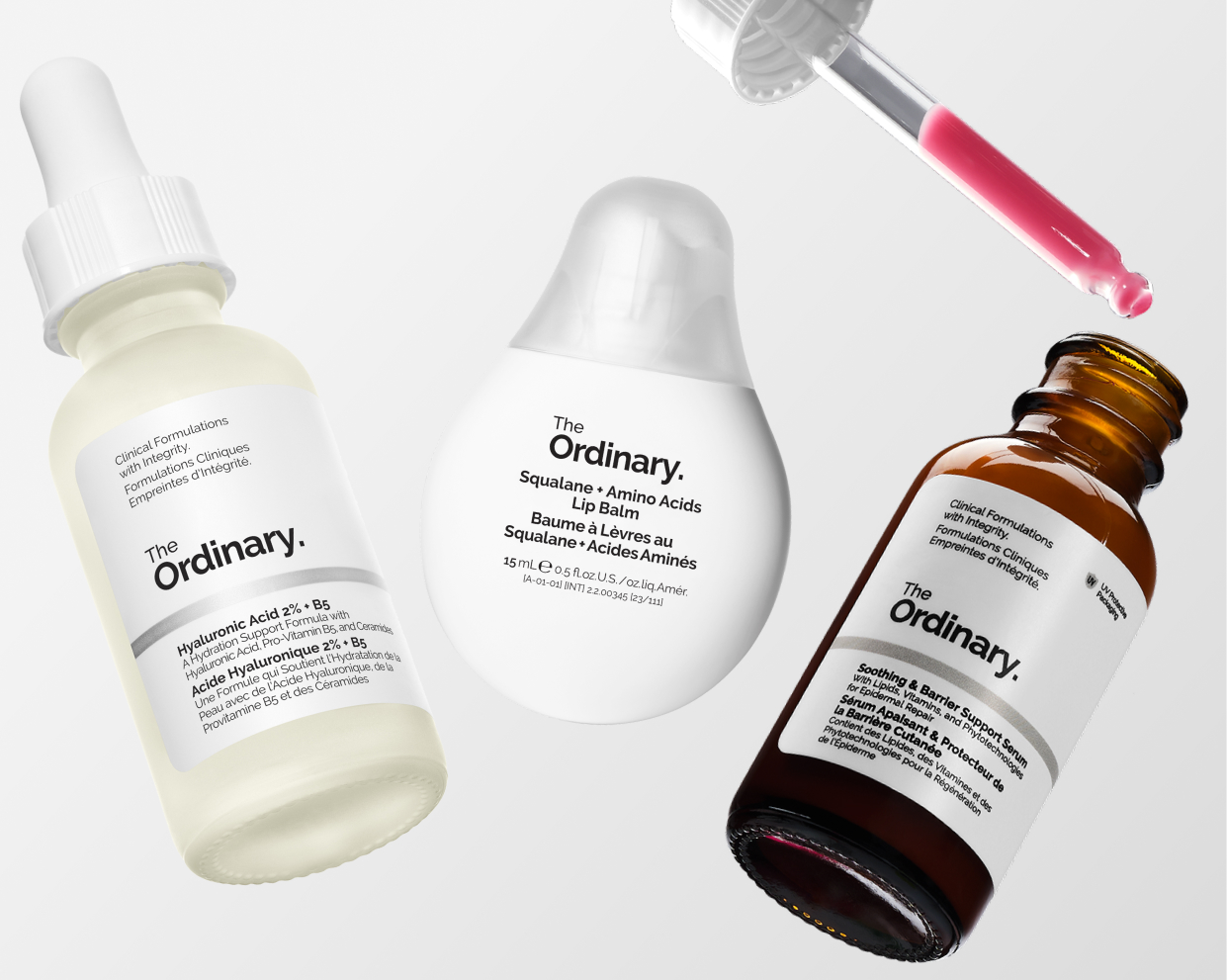
Credit: theordinary.com
Exfoliation Guidelines
Exfoliation plays a crucial role in any skincare routine, especially after 50. Your skin’s natural renewal process slows down with age, leading to dullness and uneven texture. Knowing how to exfoliate safely can help you maintain a radiant, smooth complexion without causing irritation.
Safe Exfoliation Methods
Choosing the right exfoliation method is key to protecting mature skin. Physical exfoliants like scrubs with large, rough particles can cause tiny tears and irritation. Instead, opt for gentle options such as:
- Enzyme exfoliants derived from fruits like papaya or pineapple, which dissolve dead skin cells softly.
- Chemical exfoliants with low concentrations of AHAs (alpha hydroxy acids) such as lactic acid, known for their mild yet effective action.
- BHA (beta hydroxy acid) products containing salicylic acid, which help clear pores without harsh scrubbing.
Have you noticed how your skin reacts to different exfoliants? Paying attention to your skin’s response can guide you toward the best choice.
Frequency And Timing
Exfoliating too often can strip your skin’s natural oils and cause sensitivity. For skin over 50, limiting exfoliation to 1-2 times per week often works well.
Timing also matters. Apply exfoliants after cleansing but before moisturizing to ensure maximum absorption. Avoid exfoliating right before sun exposure, as your skin is more vulnerable.
Have you considered how exfoliation fits into your daily schedule? Adjusting the timing might improve how your skin feels and looks.
Lifestyle Factors For Skin Health
Healthy skin after 50 depends on more than just skincare products. Daily habits greatly impact skin’s appearance and health. Small changes in lifestyle can improve skin texture, reduce wrinkles, and boost glow. Focus on key areas that support skin from inside out.
Nutrition And Hydration
Eating a balanced diet nourishes skin cells. Include colorful fruits and vegetables rich in vitamins A, C, and E. These nutrients protect skin and help repair damage. Healthy fats from nuts, seeds, and fish keep skin soft and elastic.
Drink plenty of water throughout the day. Hydration keeps skin plump and reduces dryness. Avoid excess caffeine and sugary drinks as they can dehydrate skin. A simple habit of drinking water supports skin’s natural barrier and slows aging signs.
Sleep And Stress Management
Sleep is the body’s time to heal and renew. Aim for 7 to 8 hours each night. Poor sleep causes dark circles, dull skin, and fine lines. Quality rest boosts collagen production and skin repair.
Stress raises hormone levels that can worsen skin problems. Practice relaxation techniques like deep breathing or meditation. Managing stress prevents breakouts and calms redness. A calm mind reflects in healthy, glowing skin.
Adjusting Routine Seasonally
Skin changes with the seasons, especially after 50. Adjusting your skincare routine helps keep your skin healthy and comfortable. Different weather means different needs. Cold air can dry skin, while heat might cause oiliness. Adapting your products and steps keeps your skin balanced year-round.
Winter Skincare Tips
- Use richer moisturizers to fight dryness.
- Apply hydrating serums with hyaluronic acid.
- Cleanse gently to avoid stripping natural oils.
- Use sunscreen even on cloudy winter days.
- Consider adding facial oils for extra nourishment.
- Limit hot water exposure to prevent irritation.
Summer Skincare Tips
- Choose lightweight, oil-free moisturizers.
- Apply broad-spectrum sunscreen every day.
- Use antioxidants like vitamin C to protect skin.
- Exfoliate gently to remove dead skin cells.
- Stay hydrated by drinking plenty of water.
- Use mattifying products if skin gets oily.
Frequently Asked Questions
What Is The Best Skincare Routine For Women Over 50?
A gentle, hydrating routine with cleansing, moisturizing, and SPF is ideal. Include anti-aging serums like retinol and antioxidants for skin repair and glow. Consistency is key to maintaining youthful, healthy skin after 50.
How Often Should I Use Retinol After 50?
Start using retinol 2-3 times a week at night. Gradually increase frequency as skin builds tolerance. Retinol reduces wrinkles and boosts collagen, improving skin texture and firmness for mature skin.
Which Moisturizer Works Best For Aging Skin?
Choose a rich, hydrating moisturizer with ingredients like hyaluronic acid, peptides, and ceramides. These lock in moisture and strengthen the skin barrier, helping to reduce dryness and fine lines common in skin over 50.
Is Sunscreen Necessary In My Skincare Routine After 50?
Yes, daily sunscreen protects against UV damage, preventing wrinkles, dark spots, and skin cancer. Use broad-spectrum SPF 30 or higher every day, even indoors or on cloudy days, to maintain healthy aging skin.
Conclusion
A good skincare routine after 50 keeps skin healthy and glowing. Choose gentle products that suit your skin type. Cleanse, moisturize, and protect your skin every day. Consistency matters more than fancy or expensive items. Small steps build a strong and simple routine.
Aging skin needs care, not harsh treatments. Enjoy the process and feel confident in your skin. Healthy habits make a big difference over time. Start today, and your skin will thank you tomorrow.
