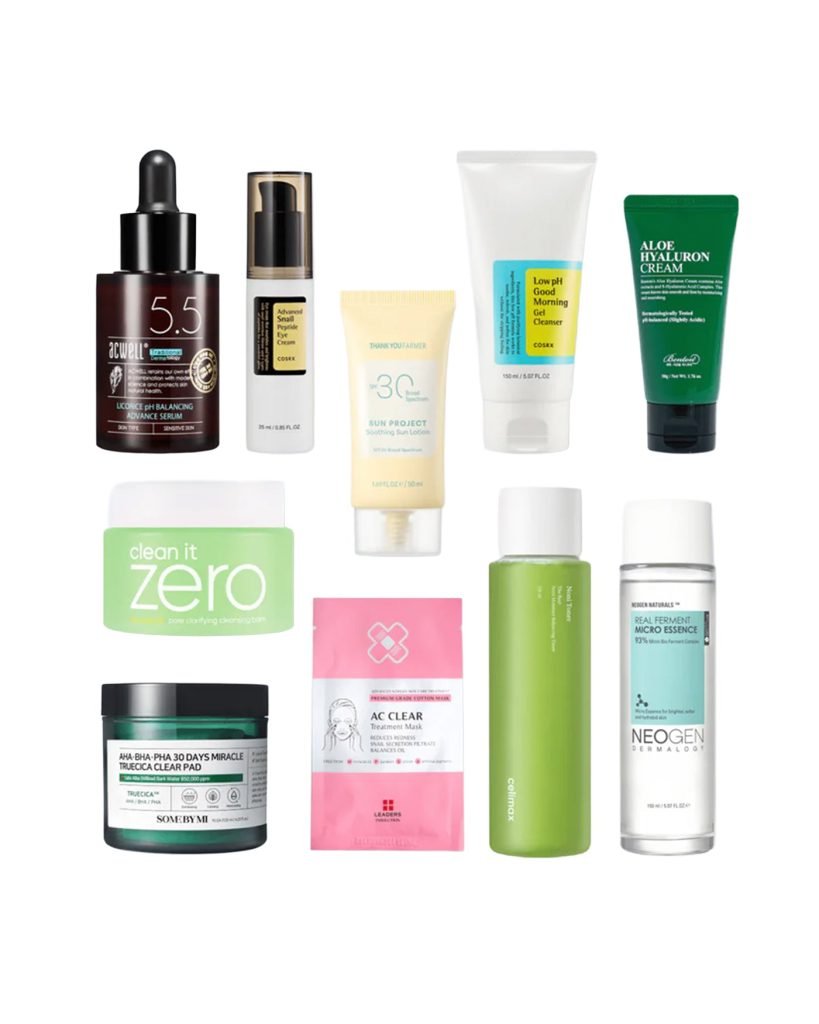
Are you ready to transform your skin and reveal a glowing, healthy complexion? A simple, well-structured skincare routine can make all the difference.
Imagine waking up every day with skin that feels soft, clear, and refreshed. That’s exactly what a ten-step skincare routine can help you achieve. In this guide, you’ll discover easy-to-follow steps that fit into your daily life, helping you look and feel your best.
Keep reading to unlock the secrets to radiant skin you’ll love!

Credit: www.herworld.com
Cleanse Twice Daily
Cleansing twice daily is key to healthy skin. It removes dirt, oil, and impurities that build up. Proper cleansing prepares your skin for the next steps in your routine. It helps keep pores clear and prevents breakouts. A good cleanse refreshes your skin and maintains its natural balance.
Morning Gentle Cleanse
Start your day with a gentle cleanser. It removes sweat and oil from overnight. Choose a mild formula that won’t dry out your skin. Use lukewarm water to keep skin calm. Gently massage the cleanser in circular motions. Rinse thoroughly and pat dry with a soft towel.
Evening Deep Cleanse
Evening cleansing needs more attention. Remove makeup, sunscreen, and pollution from the day. Use a cleanser that can dissolve stubborn dirt. Double cleansing works well: first oil-based, then water-based. This method ensures a thorough clean. Finish by rinsing with cool water to close pores.
Exfoliate Regularly
Exfoliating regularly is a key part of any effective skincare routine. It helps remove dead skin cells that can clog pores and dull your complexion. But how you exfoliate and how often you do it can make all the difference in your skin’s health and appearance.
Physical Vs Chemical Exfoliants
Physical exfoliants use small particles or tools to manually scrub away dead skin. Think of scrubs with sugar, salt, or tiny beads. While they can give immediate smoothness, using them too aggressively may cause micro-tears or irritation, especially if you have sensitive skin.
Chemical exfoliants, on the other hand, use acids or enzymes to dissolve dead skin cells gently. Ingredients like AHAs (glycolic acid, lactic acid) and BHAs (salicylic acid) work below the surface to clear pores and brighten your skin over time. These tend to be better for consistent use and can target specific skin concerns like acne or uneven texture.
Which type feels better for your skin? Some people prefer the instant polish of physical scrubs, while others swear by the gentle, gradual results of chemical exfoliants. You might even find a combination works best.
How Often To Exfoliate
Exfoliation frequency depends on your skin type and the product you use. Generally, 2-3 times per week is enough for most skin types. Over-exfoliating can strip your skin’s natural oils and cause redness or sensitivity.
For sensitive or dry skin, once a week with a mild exfoliant can prevent irritation. Oily or acne-prone skin might handle more frequent exfoliation with BHAs to keep pores clear. Pay attention to how your skin reacts — if it feels tight, itchy, or looks red, reduce the frequency.
Ask yourself: Are you exfoliating enough to refresh your skin, or too much that it disrupts your natural barrier? Finding this balance is crucial for a glowing complexion that feels comfortable all day long.
Tone For Balance
Toning is a crucial step to restore your skin’s natural balance after cleansing. It prepares your face to absorb moisturizers and serums more effectively. Finding the right toner can transform your skincare routine from ordinary to outstanding.
Choosing The Right Toner
Not all toners are created equal. You need to match the toner with your skin type to avoid irritation or dryness.
- Dry Skin:Look for hydrating toners with ingredients like glycerin or hyaluronic acid.
- Oily Skin:Choose toners with salicylic acid or witch hazel to control excess oil and minimize pores.
- Sensitive Skin:Opt for alcohol-free, fragrance-free toners with soothing ingredients like chamomile or aloe vera.
- Combination Skin:Use balancing toners that hydrate dry areas while controlling oil in the T-zone.
Have you ever picked a toner that left your skin feeling tight or irritated? That’s a sign you need to rethink your choice.
Benefits Of Toner
Toners do more than just refresh your skin. They help remove leftover dirt and makeup that cleansing might have missed.
- Balances pH:Your skin’s pH can get disrupted during cleansing, and toner helps restore it quickly.
- Prepares Skin:Toner preps your skin to absorb serums and moisturizers better, boosting their effectiveness.
- Tightens Pores:Regular use can reduce the appearance of pores, giving your skin a smoother look.
- Soothes and Calms:Many toners contain anti-inflammatory ingredients that reduce redness and irritation.
Think about your current routine—are you skipping toner and missing these benefits? Adding this step could make a noticeable difference in your skin’s texture and clarity.
Credit: www.ooshtush.com
Apply Essence
Applying essence is a crucial step in your ten-step skincare routine. It acts as a powerful booster, preparing your skin to absorb the nutrients from the following products better. Skipping this step can leave your skin less hydrated and less receptive to serums and moisturizers.
Purpose Of Essence
Essence is a lightweight, watery product packed with active ingredients that hydrate and improve skin texture. It helps to balance your skin’s pH and enhances its ability to absorb other treatments.
Think of essence as the bridge between cleansing and moisturizing. It delivers an extra layer of moisture and nutrients, making your skin feel soft and plump immediately after application.
Have you noticed your skin sometimes feels dry even after moisturizing? Essence can solve that by locking in hydration early in your routine.
Best Application Techniques
Instead of rubbing essence into your skin, gently pat it with your fingertips. This tapping motion encourages absorption without irritating your skin.
- Pour a small amount into your palm – about a teaspoon.
- Press your palms together to spread the essence evenly.
- Lightly pat your skin starting from the center of your face and moving outward.
Applying essence with a cotton pad can cause product waste and friction, so using your hands is both effective and gentle.
Have you ever thought about how the way you apply a product affects its effectiveness? Gentle patting allows the essence to sink in quickly, making your skin feel refreshed and ready for the next step.
Use Serums
Using serums in your skincare routine can be a game-changer. They deliver concentrated ingredients directly to your skin, targeting specific needs more effectively than creams or lotions. Adding serums allows you to customize your routine and address issues like dryness, dullness, or wrinkles with precision.
Targeting Skin Concerns
Serums are designed to tackle particular skin problems. If you struggle with acne, look for serums containing salicylic acid or niacinamide. For dullness or uneven tone, vitamin C serums work wonders by brightening your complexion.
Dealing with fine lines? Hyaluronic acid or retinol serums can help boost hydration and stimulate collagen. Think about your main skin concern and choose a serum that focuses on that. This makes your routine more effective and tailored to your needs.
Layering Multiple Serums
You can use more than one serum, but layering requires care. Start with the thinnest, water-based serum and follow with thicker, oil-based ones. This order helps your skin absorb the ingredients better.
Don’t overload your skin; two to three serums are usually enough. Watch how your skin reacts and adjust accordingly. Have you noticed how combining serums sometimes brings faster results? That’s because you’re addressing multiple concerns at once without overwhelming your skin.
Spot Treatment
Spot treatment is a crucial part of any skincare routine. It targets specific blemishes and helps reduce redness and swelling. This treatment works best on pimples, blackheads, and whiteheads. It often contains ingredients that kill bacteria and dry out the blemish quickly.
Dealing With Blemishes
Blemishes can appear suddenly and spoil your skin’s smooth look. Spot treatments help calm these areas fast. They focus on the problem spots without affecting the whole face. Using the right product can reduce irritation and speed up healing. Some common ingredients include benzoyl peroxide, salicylic acid, and tea tree oil. These help fight bacteria and unclog pores.
When To Use Spot Treatments
Apply spot treatments only on active blemishes. Use them after cleansing and before moisturizing. Avoid using spot treatments on dry or sensitive skin areas. Apply a small amount directly to the pimple. Use once or twice a day for best results. Stop use if irritation or excessive dryness occurs. Spot treatments work best when combined with a regular skincare routine.
Moisturize Daily
Moisturizing daily is a vital part of any skincare routine. It helps keep skin hydrated and soft. Moisturizers create a barrier that stops moisture from escaping. This prevents dryness and irritation. Using the right moisturizer supports healthy, glowing skin every day.
Selecting Moisturizers For Skin Types
Different skin types need different moisturizers. Choosing the right one can make a big difference.
- Oily skin:Use lightweight, oil-free moisturizers. Gel-based formulas work well.
- Dry skin:Pick thick, creamy moisturizers. Look for ingredients like shea butter or glycerin.
- Combination skin:Use a balanced moisturizer. It should hydrate without feeling greasy.
- Sensitive skin:Choose fragrance-free and hypoallergenic products. They reduce the risk of irritation.
Always test a new moisturizer on a small skin area first. This helps avoid bad reactions.
Day Vs Night Moisturizers
Day and night moisturizers serve different purposes. Both are important for skin health.
| Type | Purpose | Key Ingredients |
|---|---|---|
| Day Moisturizers | Protect and hydrate skin during the day | SPF, antioxidants, lightweight hydrators |
| Night Moisturizers | Repair and nourish skin overnight | Retinol, peptides, rich emollients |
Day creams often include sun protection. Night creams focus on deep hydration and repair. Using both improves skin texture and health.
Apply Eye Cream
Applying eye cream is a vital step in a ten-step skincare routine. The skin around the eyes is delicate and needs special care. Eye creams help protect and nourish this sensitive area. They target common concerns like puffiness and dark circles. Using the right eye cream can improve your skin’s appearance and keep it healthy.
Reducing Puffiness
Puffiness makes eyes look tired and swollen. Eye creams with cooling ingredients soothe the skin. They reduce fluid buildup under the eyes. Gently patting the cream helps improve blood flow. Regular use decreases puffiness and refreshes your look.
Fighting Dark Circles
Dark circles can make you look older and exhausted. Eye creams with brightening agents lighten the under-eye area. Ingredients like vitamin C and niacinamide work well. Consistent application fades dark circles over time. This step brightens your eyes and enhances your face.
Sun Protection
Sun protection is a key part of any skincare routine. It shields your skin from harmful UV rays. These rays can cause sunburn, aging, and even skin cancer. Using sunscreen daily helps keep your skin healthy and youthful.
Choosing The Right Spf
SPF stands for Sun Protection Factor. It shows how well a sunscreen protects against UVB rays. Choose an SPF of at least 30 for daily use. Higher SPFs offer more protection but may feel heavier on the skin.
Look for broad-spectrum sunscreens. They protect against UVA and UVB rays. Consider your skin type too. If you have oily skin, pick a lightweight or gel formula. For dry skin, use a moisturizing sunscreen.
Reapplying Sunscreen
Applying sunscreen once is not enough. Reapply every two hours, especially if outdoors. Sweat, water, and rubbing can reduce sunscreen’s effectiveness.
Apply sunscreen 15 minutes before going outside. Use enough to cover all exposed skin. Don’t forget ears, neck, and hands. Reapplying keeps your skin protected throughout the day.
Credit: sokoglam.com
Weekly Masks
Weekly masks are a vital part of a ten-step skincare routine. They provide deep care that daily cleansing and moisturizing cannot. Masks target specific skin issues and give your skin a refreshing boost. Using masks once or twice a week keeps your skin clear, smooth, and hydrated.
Types Of Face Masks
- Clay Masks:Absorb oil and remove impurities. Great for oily and acne-prone skin.
- Sheet Masks:Infused with serum, they hydrate and brighten the skin quickly.
- Gel Masks:Cool and soothing. Ideal for sensitive or irritated skin.
- Peel-off Masks:Remove dead skin cells and unclog pores for smoother skin.
- Sleeping Masks:Applied before bed to deeply nourish skin overnight.
Benefits Of Masking
- Deeply cleans pores, reducing blackheads and breakouts.
- Boosts hydration, leaving skin soft and plump.
- Improves skin texture by removing dead cells.
- Calms redness and soothes irritation.
- Brightens dull skin and evens skin tone.
Frequently Asked Questions
What Are The Essential Steps In A Ten-step Skincare Routine?
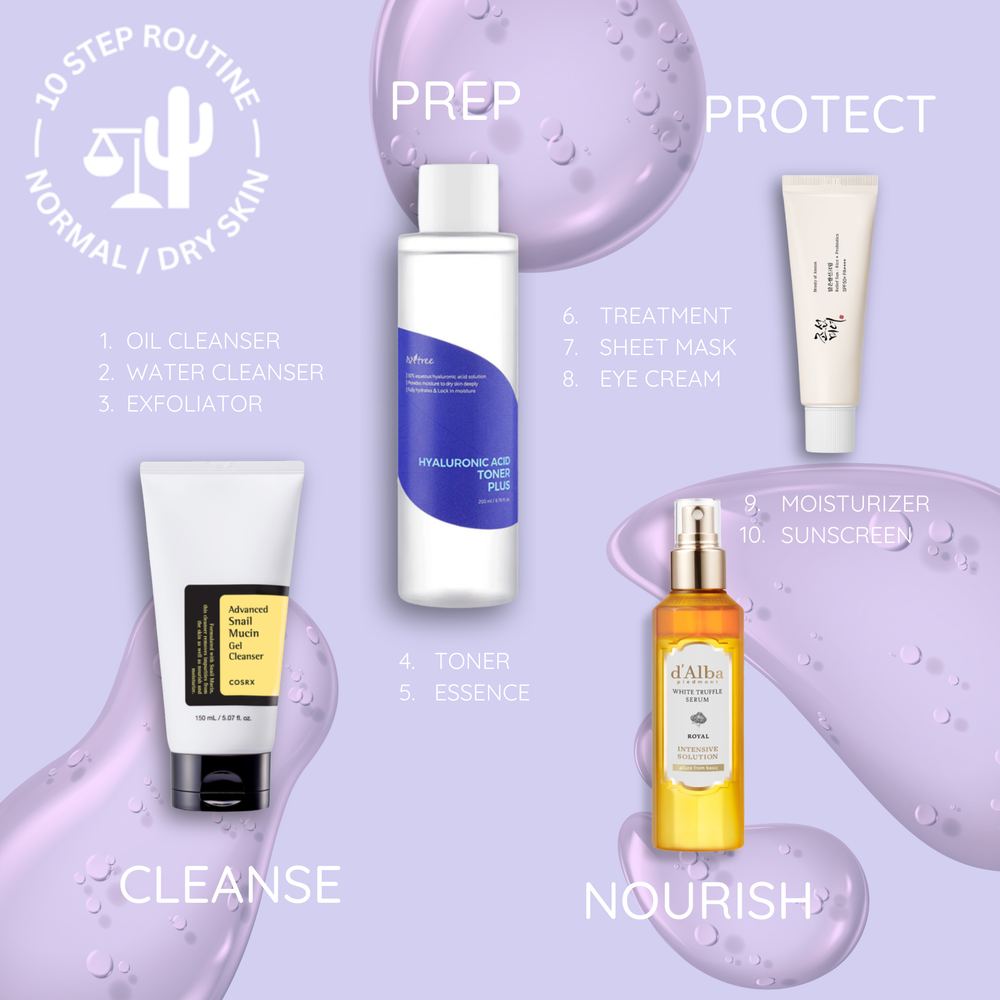
A ten-step skincare routine typically includes cleansing, exfoliating, toning, essence, serum, ampoule, sheet mask, eye cream, moisturizer, and sunscreen. Each step targets specific skin needs, promoting hydration, protection, and rejuvenation for a healthy, glowing complexion.
How Often Should I Follow The Ten-step Skincare Routine?
For best results, follow the ten-step skincare routine daily, ideally morning and night. Consistency helps maintain skin balance, hydration, and protection while addressing concerns like dryness, dullness, or acne.
Can I Customize The Ten-step Skincare Routine For My Skin Type?
Yes, customize by selecting products suited to your skin type. For oily skin, use lightweight moisturizers; for dry skin, choose rich, hydrating formulas. Tailoring ensures optimal care and enhances your skin’s health and appearance.
Is The Ten-step Skincare Routine Suitable For Sensitive Skin?
Yes, but choose gentle, fragrance-free products to avoid irritation. Patch test new items and introduce steps gradually. This approach protects sensitive skin while delivering essential hydration and nourishment.
Conclusion
A ten-step skincare routine helps keep your skin clean and healthy. Each step plays a small but important role. Consistency is key to seeing real results. Take your time and enjoy the process daily. Your skin will thank you with a fresh, glowing look.
Start simple, then add steps as you feel comfortable. Healthy skin is possible with care and patience. Remember, good skin care is a daily habit, not a quick fix. Keep learning and adjusting to find what works best for you.
