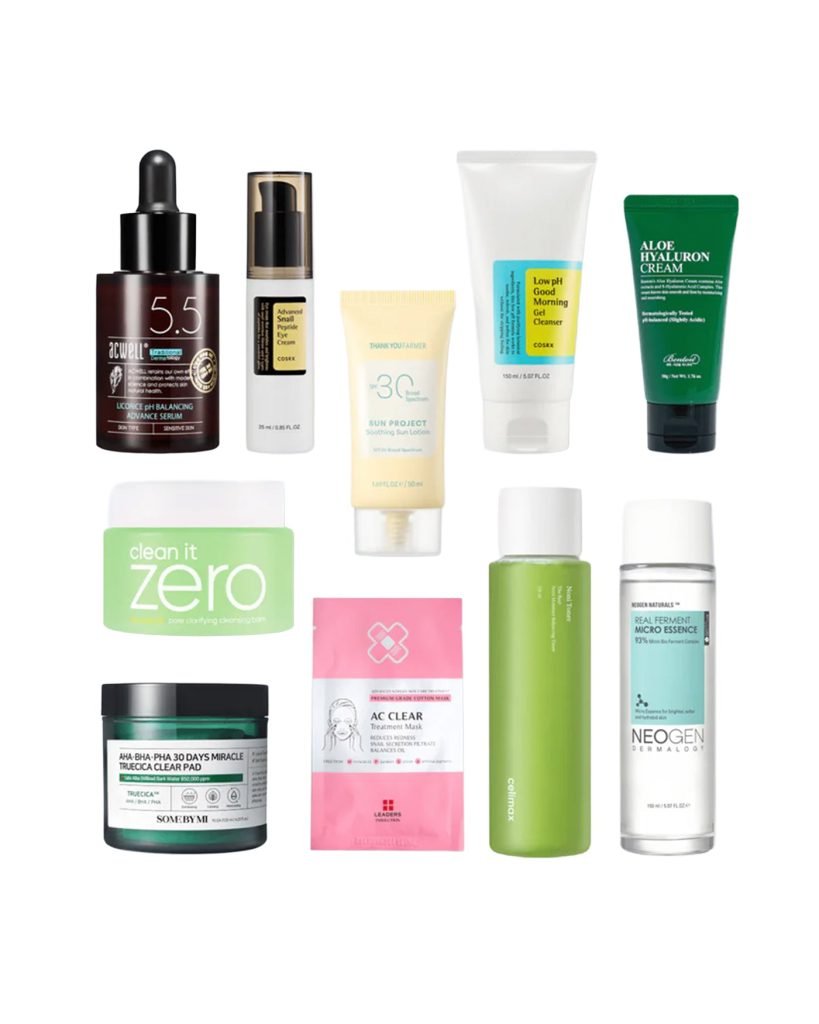
Are you ready to transform your skin and unlock a radiant glow? The Ten Step Korean Skincare routine is your secret weapon for healthy, glowing skin.
It’s simple, effective, and designed to give you the best results without overwhelming your daily routine. Imagine waking up every day with skin that feels fresh, hydrated, and flawless. You’ll discover each essential step and why it matters for your skin’s health.
Keep reading to find out how you can start this skincare journey and see real, lasting changes.
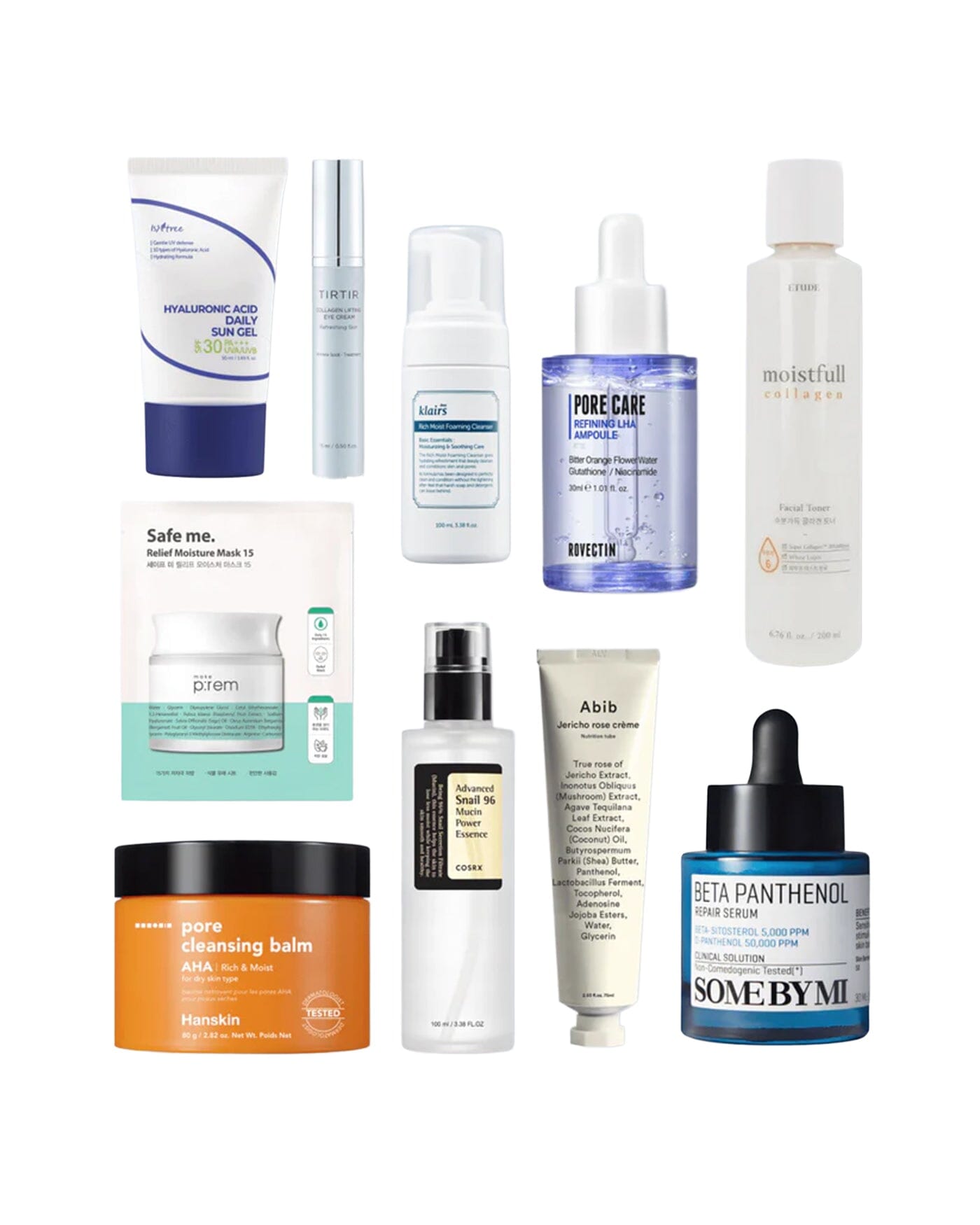
Credit: sokoglam.com
Korean Skincare Basics
The Korean skincare routine has gained worldwide attention for its detailed approach and impressive results. Understanding the basics is key before diving into the famous ten-step routine. Knowing the core principles and your skin type helps you customize the process for your unique needs.
Core Principles
Korean skincare focuses on prevention and maintaining healthy skin rather than quick fixes. The routine is gentle and emphasizes layering lightweight products to nourish your skin deeply over time.
Hydration plays a central role—you’ll find many products dedicated to locking in moisture. Protection from sun damage is another must; sunscreen is non-negotiable in every routine.
Have you noticed how your skin reacts differently to products depending on the order you apply them? This layering technique enhances absorption and effectiveness.
Skin Types And Needs
Not all skin types benefit from the same products or steps. Identifying whether your skin is oily, dry, combination, or sensitive is the first move.
- Oily skin:Focus on oil control and lightweight, non-comedogenic products.
- Dry skin:Choose deeply hydrating and nourishing products, avoiding harsh cleansers.
- Combination skin:Balance is key—use different products on different areas if needed.
- Sensitive skin:Opt for soothing, fragrance-free options and patch test new items.
Think about your current routine: Does it address your skin’s specific issues? Tailoring your steps to your skin type can make a noticeable difference in both comfort and results.
Step 1: Oil Cleanser
Starting your Korean skincare routine with an oil cleanser sets a solid foundation for healthy, glowing skin. This first step focuses on removing makeup, sunscreen, and excess sebum without stripping your skin’s natural moisture. It’s a gentle yet effective way to prepare your face for the next cleansing phase.
Purpose And Benefits
An oil cleanser targets oil-based impurities that water alone can’t break down. It dissolves makeup, dirt, and even stubborn sunscreen, clearing your pores deeply.
You might wonder: isn’t oil bad for oily skin? Actually, using an oil cleanser balances your skin’s oil production and prevents over-drying. It leaves your skin feeling soft and hydrated rather than tight or stripped.
Many people notice that consistent use reduces breakouts and improves overall skin texture. Have you ever tried washing your face only to find makeup residue left behind? Oil cleansing solves this common problem, giving your skin a fresh start.
Choosing The Right Oil
Not all oil cleansers are created equal. Your skin type should guide your choice to avoid irritation or breakouts.
- Dry skin:Look for nourishing oils like jojoba, argan, or camellia oil that hydrate while cleansing.
- Oily or acne-prone skin:Lightweight oils such as grapeseed or safflower oil can cleanse without clogging pores.
- Sensitive skin:Opt for gentle, fragrance-free oils like sunflower or mineral oil to minimize irritation.
Texture matters too. Some oil cleansers come as balms that melt on contact, while others are liquid and easier to rinse. Think about your preference for application and cleanup.
Have you experimented with different oils before? Pay attention to how your skin reacts and adjust accordingly. A little trial can lead you to the perfect fit for your skin’s unique needs.
Step 2: Water Cleanser
The water cleanser is a vital part of the Korean skincare routine. It refreshes the skin and removes any leftover impurities. This step balances the skin’s moisture without stripping it. Using a water-based cleanser ensures the skin stays clean and hydrated. It prepares your face for the next skincare steps.
Double Cleansing Method
The double cleansing method uses two types of cleansers. First, an oil-based cleanser removes makeup and sunscreen. Then, the water cleanser washes away sweat and dirt. This two-step approach cleans deeply without drying out the skin. It helps keep pores clear and skin smooth. Many people find this method gentle yet effective.
Best Cleansing Products
- Foam cleansers with mild ingredients suit oily and combination skin.
- Gel cleansers work well for sensitive skin types.
- Micellar water is great for quick and gentle cleansing.
- Cleansing creams help nourish dry skin while cleaning.
- Look for products with soothing components like green tea or aloe.
Step 3: Exfoliation
Exfoliation is a key part of the Ten Step Korean Skincare routine. It helps remove dead skin cells and clears pores. This step brightens the skin and improves texture. Choosing the right type of exfoliation is important for healthy skin.
Physical Vs Chemical
Physical exfoliation uses small particles or scrubs to rub off dead skin. It feels like a gentle massage but can irritate sensitive skin. Chemical exfoliation uses acids or enzymes to dissolve dead skin cells. It works deeper without rubbing. Both types remove dull skin but suit different skin needs.
Frequency And Tips
- Exfoliate 1-3 times a week depending on skin type.
- Sensitive skin needs less frequent exfoliation.
- Use gentle motions during physical exfoliation.
- Always follow exfoliation with moisturizer.
- Apply sunscreen daily to protect fresh skin.
- Stop exfoliating if skin feels irritated or dry.
Step 4: Toner
The toner is a key player in the Korean skincare routine, acting as a bridge between cleansing and moisturizing. It preps your skin to absorb the next products better while addressing specific skin needs. Many people overlook toner, but it can dramatically improve your skin’s texture and hydration.
Balancing Ph
Your skin’s natural pH is slightly acidic, usually around 5.5. Harsh cleansers often disrupt this balance, leaving your skin vulnerable to irritation and dryness.
A good toner helps restore this balance quickly. I noticed that after switching to a gentle, pH-balancing toner, my skin felt calmer and less tight. You might wonder if skipping toner really makes a difference—try paying attention to how your skin feels right after cleansing.
Hydration Boost
Toners aren’t just for balancing; many also deliver a hydration boost. Unlike astringent toners that dry out the skin, hydrating toners are packed with ingredients like hyaluronic acid and glycerin.
Using a hydrating toner can make your skin feel plump and refreshed instantly. When I added a hydrating toner to my routine, my moisturizer absorbed better, and my skin looked more radiant throughout the day. Have you noticed your skin’s thirst after cleansing? A toner can be the quick fix you need.
Step 5: Essence
The essence is often called the heart of the Korean skincare routine. It’s a lightweight, hydrating liquid packed with active ingredients designed to boost your skin’s moisture and improve its texture. Adding an essence can make a noticeable difference in how your skin feels and looks over time.
Key Benefits
- Deep Hydration:Essences penetrate deeper than toners, helping your skin retain moisture better throughout the day.
- Improved Skin Texture:Regular use can smooth rough patches and give your skin a soft, supple feel.
- Enhanced Absorption:Essences prepare your skin to absorb the products that follow, making serums and moisturizers work more effectively.
- Brightening Effect:Many essences contain ingredients like niacinamide or fermented extracts that help even out skin tone and add a natural glow.
Application Techniques
Pour a small amount of essence into the palm of your hand—about the size of a quarter.
Gently press your hands together to warm the product before patting it onto your face and neck.
Avoid rubbing, as pressing helps the essence absorb better and prevents irritation.
Think about your skin like a sponge; pressing helps it soak up the essence evenly.
Try applying the essence twice if your skin feels particularly dry—once right after toner and again before your serum.
Have you noticed how your skin responds when you take the time to press the essence in, rather than just wiping it on? That small change can make a big difference in hydration and glow.
Step 6: Serum Or Ampoule
The serum or ampoule is a powerhouse in your skincare routine. This step delivers concentrated ingredients deep into your skin where they can work most effectively. Unlike moisturizers, serums have a lightweight texture, making them perfect for layering and targeting specific skin concerns.
Targeting Skin Concerns
Serums and ampoules are designed to address particular issues like dullness, fine lines, or uneven tone. You can choose one based on what your skin needs right now.
- If your skin feels dry or flaky, look for hydrating serums with ingredients like hyaluronic acid.
- For aging skin, peptides and antioxidants can help reduce fine lines and boost firmness.
- Those battling acne or redness should consider serums with calming ingredients such as centella asiatica or niacinamide.
Think about your skin’s current state—what bothers you most? This will guide you to the right serum or ampoule.
Popular Ingredients
Some ingredients consistently show up in Korean serums because they deliver results.
| Ingredient | Benefits | Best For |
|---|---|---|
| Hyaluronic Acid | Deep hydration and plumping | Dry, dehydrated skin |
| Niacinamide | Brightening and reducing redness | Uneven skin tone, sensitive skin |
| Vitamin C | Antioxidant protection and glow | Dull skin and dark spots |
| Peptides | Boosts collagen and firms skin | Mature or aging skin |
| Centella Asiatica | Soothes irritation and promotes healing | Red, irritated skin |
Have you tried switching your serum based on the season or how your skin feels? It can make a big difference in your skin’s health and appearance.

Credit: www.herworld.com
Step 7: Sheet Masks
Sheet masks are a standout part of the Korean skincare routine, offering an instant boost of hydration and nutrients. They are designed to sit on your face like a second skin, allowing ingredients to deeply penetrate. This step feels like a mini spa session, delivering visible results quickly.
How To Use
Start with a clean, toned face. Unfold the sheet mask carefully and place it over your face, aligning it with your eyes, nose, and mouth. Leave it on for 15 to 20 minutes—no longer, as it can start to dry out and pull moisture back from your skin.
After removing the mask, gently pat the remaining essence into your skin. There’s no need to rinse. Following up with a moisturizer helps seal in all the hydration.
Choosing Masks For Your Skin
Different sheet masks serve different purposes. If your skin feels dry or tight, look for masks with ingredients like hyaluronic acid or aloe vera. They deliver deep hydration and calm irritation.
Oily or acne-prone skin benefits from masks containing tea tree oil or charcoal, which help control oil and reduce breakouts. Sensitive skin calls for soothing ingredients like green tea or centella asiatica to reduce redness.
Have you tried switching up your sheet masks based on your skin’s mood? Matching the mask to your skin’s current needs can make a big difference in results.
Step 8: Eye Cream
Eye cream is a crucial part of your Korean skincare routine because the skin around your eyes is thinner and more delicate than the rest of your face. This means it needs extra care and attention to stay healthy and youthful. Using the right eye cream can help you address specific issues like puffiness, dark circles, and fine lines, making your eyes look refreshed and bright.
Reducing Puffiness And Dark Circles
Puffiness and dark circles can make you look tired even after a good night’s sleep. Eye creams with ingredients like caffeine, green tea extract, and hyaluronic acid work wonders to reduce swelling and brighten the under-eye area.
Applying a product with caffeine stimulates circulation, which helps in flushing out excess fluid that causes puffiness. Meanwhile, hyaluronic acid locks in moisture, plumping the skin and softening the appearance of dark circles.
Have you ever noticed how your eyes look after a cold compress? Some eye creams include cooling agents that mimic this effect, instantly soothing tired eyes.
Application Tips
Using eye cream correctly can make a big difference in how well it works. Always apply a small amount—about the size of a grain of rice—using your ring finger to gently tap the product around your eyes.
Avoid rubbing or pulling the skin, as this can cause irritation and damage. Instead, use light, patting motions starting from the inner corner of your eye and moving outward.
Try applying your eye cream both morning and night for best results. Remember, consistency is key—skipping days can delay visible improvements.
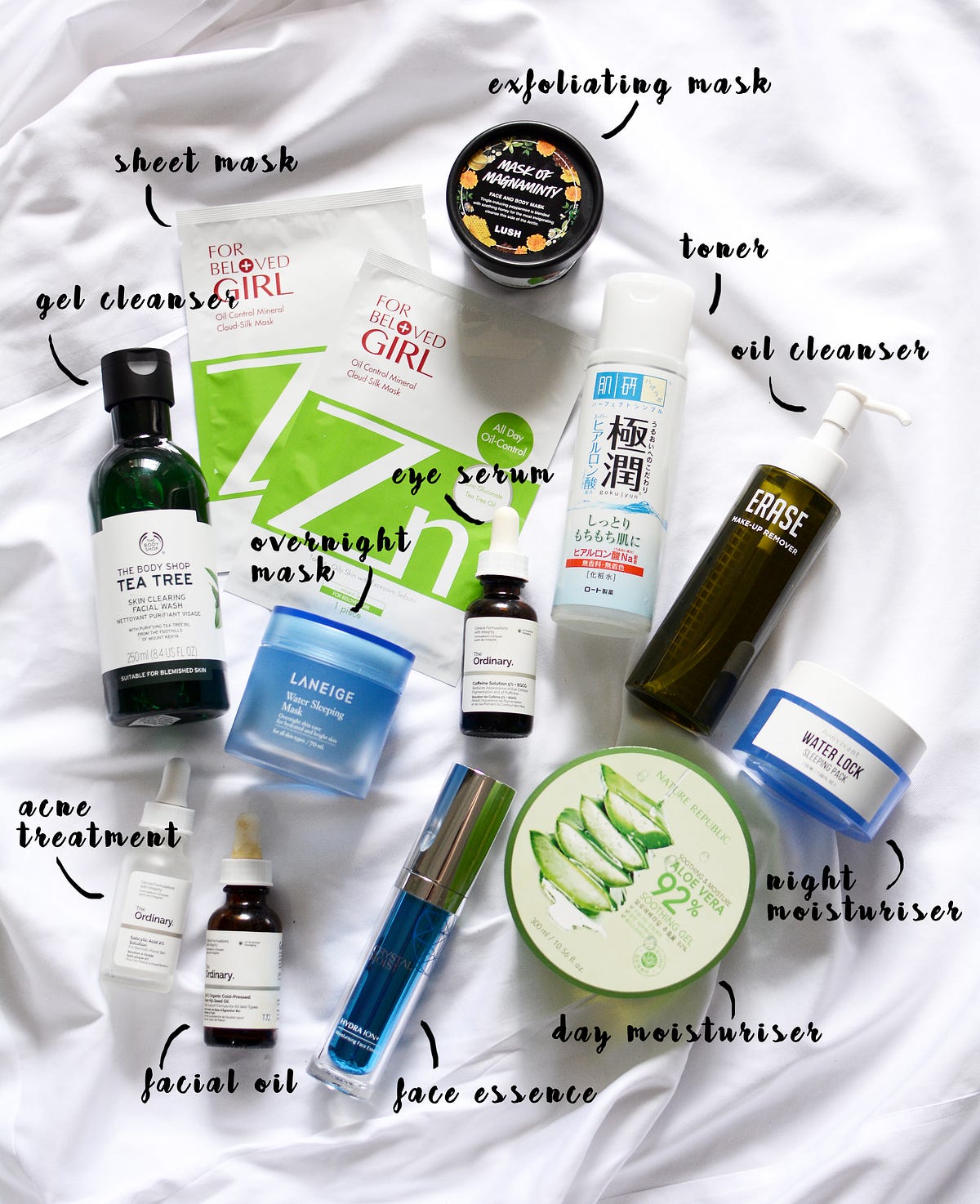
Credit: medium.com
Step 9: Moisturizer
Moisturizer plays a crucial role in the Korean skincare routine. It seals all the nourishing products you’ve applied so far, ensuring your skin stays hydrated and healthy throughout the day or night. Skipping this step can leave your skin feeling dry and flaky, no matter how much effort you put into earlier steps.
Locking In Hydration
Think of moisturizer as the final barrier that traps moisture inside your skin. Without it, all the serums and essences can evaporate quickly, wasting your skincare routine. I noticed a big difference when I started using a moisturizer consistently—my skin looked plumper and felt smoother by midday.
To lock in hydration effectively, apply your moisturizer on slightly damp skin. This small habit helps your skin absorb and retain more moisture. Have you ever tried patting your face lightly after toner or essence before moisturizing? Give it a shot and see the difference.
Selecting The Right Formula
Choosing the right moisturizer depends on your skin type and the climate you live in. For oily skin, a lightweight, gel-based moisturizer works best to avoid clogging pores. Dry skin benefits from richer creams packed with ingredients like ceramides and hyaluronic acid.
Here’s a quick guide to pick your perfect match:
- Oily skin:Gel or water-based moisturizers
- Dry skin:Cream or balm formulas with nourishing oils
- Combination skin:Lightweight lotions applied selectively
- Sensitive skin:Fragrance-free and hypoallergenic options
Ask yourself: Does your moisturizer feel comfortable all day? If it feels heavy or greasy, try switching formulas. Your skin will thank you for it.
Step 10: Sunscreen
Sunscreen is the final and crucial step in the Ten Step Korean Skincare routine. It acts as a shield against harmful UV rays that can cause premature aging, dark spots, and skin damage. Skipping this step can undo all the care you gave your skin in the earlier steps.
Protection Importance
Do you know that UV rays can penetrate clouds and glass? That means even on a cloudy day or inside your home near windows, your skin is exposed. Sunscreen protects your skin from UVA and UVB rays, which can cause wrinkles, sunburn, and increase the risk of skin cancer.
Using sunscreen daily can keep your skin looking youthful and healthy for longer. Think about how you feel after a day spent in the sun without protection—red, tight, or itchy skin isn’t worth it. Protecting your skin should be non-negotiable.
Types Of Sunscreens
Choosing the right sunscreen can be confusing, but knowing the difference helps. There are two main types:
- Chemical Sunscreens: These absorb UV rays and convert them into heat. They tend to be lightweight and blend easily into the skin.
- Physical (Mineral) Sunscreens: These create a barrier on the skin that reflects UV rays. Ingredients like zinc oxide and titanium dioxide are common here, and they’re great for sensitive skin.
Which type suits your skin better depends on your skin type and any sensitivities you have. For example, if you have sensitive or acne-prone skin, mineral sunscreens might feel gentler. If you want a sheer finish under makeup, a chemical sunscreen could be more comfortable.
Don’t forget to pick a broad-spectrum sunscreen with at least SPF 30. Reapply every two hours if you’re outdoors, and more often if you’re sweating or swimming. Have you checked your sunscreen’s expiration date lately?
Tips For Best Results
Getting the best results from the Ten Step Korean Skincare routine depends on more than just following the steps. How you apply each product and how often you stick to the routine makes a big difference. Let’s look at some tips that will help you see clearer, glowing skin faster and keep it that way.
Consistency And Patience
Consistency is key. You need to commit to your skincare routine every day, both morning and night. Skipping days or rushing through steps can reduce the benefits significantly.
Patience is just as important. Skin doesn’t transform overnight. It takes weeks, sometimes months, for products to show their full effect. Have you noticed how some of your favorite products took a while before your skin loved them? That’s why sticking with the routine matters.
Try setting a reminder on your phone or linking your skincare to another daily habit like brushing your teeth. This helps build a habit that lasts.
Avoiding Common Mistakes
Many people think more is better, but using too much product can irritate your skin or clog pores. Use only the amount recommended—usually a pea-sized drop or a thin layer.
Don’t skip patch testing new products. Applying a new cream all over your face without testing can cause breakouts or allergic reactions. Apply a small amount to your wrist or behind your ear first.
Another mistake is mixing incompatible ingredients. For example, using vitamin C and niacinamide together can reduce their effectiveness. Do you know which products in your routine might clash?
- Introduce new products one at a time to monitor how your skin reacts.
- Always apply products from the lightest texture to the heaviest to ensure proper absorption.
- Don’t forget sunscreen during the day—it protects all the effort you put into your routine.
Frequently Asked Questions
What Are The Ten Steps In Korean Skincare Routine?
The ten steps include oil cleanser, water cleanser, exfoliator, toner, essence, serum, sheet mask, eye cream, moisturizer, and sunscreen. Each step targets specific skin needs for a healthy glow.
How Long Does Korean Skincare Routine Take Daily?
The full ten-step Korean skincare routine takes about 20 to 30 minutes daily. It’s best done consistently, especially at night, for optimal skin results.
Why Is Double Cleansing Important In Korean Skincare?
Double cleansing removes makeup and impurities effectively. The oil-based cleanser dissolves oils, while the water-based cleanser cleans sweat and dirt, ensuring clean, refreshed skin.
Can Korean Skincare Steps Suit All Skin Types?
Yes, the steps can be customized for oily, dry, or sensitive skin. Choosing suitable products ensures each skin type benefits without irritation.
Conclusion
Embarking on a Korean skincare journey can transform your daily routine. Each step offers unique benefits for your skin. From cleansing to moisturizing, every product plays a role. Consistency is key. Stick with the regimen to see results over time.
Remember to choose products that suit your skin type. This ensures maximum effectiveness. Explore and enjoy the process. Your skin will thank you for the extra care. Achieving healthy, glowing skin is possible with dedication. Start today and embrace the beauty of Korean skincare.
Your radiant complexion awaits.
