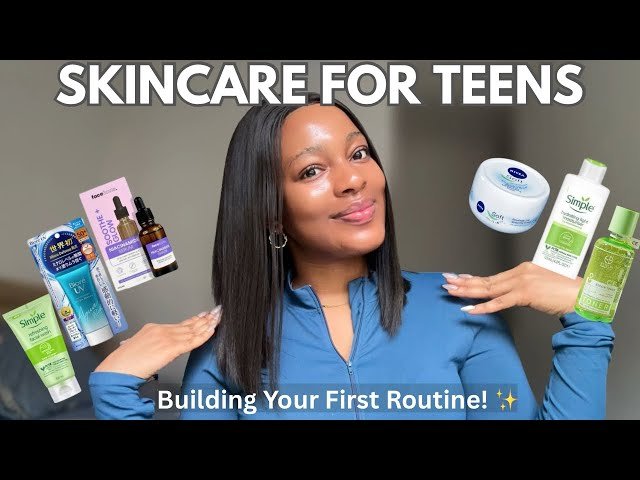
Your skin is unique, and taking care of it now can set the foundation for a healthy, glowing future. If you’re a teenager, you might feel overwhelmed by the endless skincare products and advice out there.
But what if you had a simple, effective routine designed just for your skin’s needs? This guide will help you understand exactly what your skin needs and how to give it the care it deserves. Keep reading to discover easy steps that fit into your daily life and make your skin look and feel amazing every day.

Credit: www.myhoustonian.com
Essential Skincare Steps
Healthy skin starts with a simple routine. Teenagers need clear, fresh skin to feel confident. Following essential skincare steps helps keep skin balanced and avoids common problems. Each step plays a key role in maintaining skin health.
Cleansing Basics
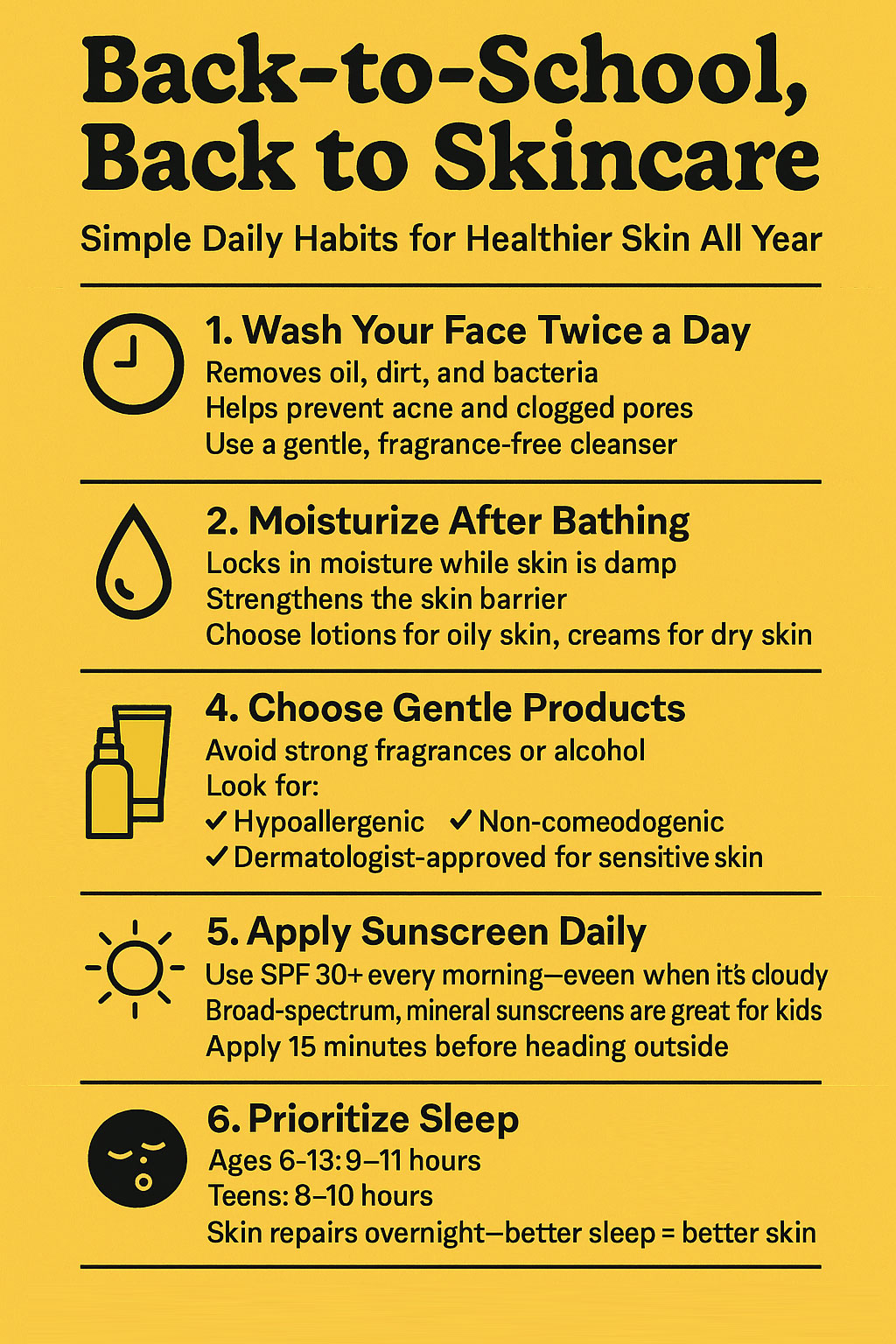
Cleansing removes dirt, oil, and sweat from the skin. Use a gentle cleanser made for your skin type. Wash your face twice a day—morning and night. Avoid harsh soaps that dry out or irritate the skin. Use lukewarm water to keep pores open and clean.
Toning Benefits
Toning helps balance the skin’s pH and removes leftover dirt. It tightens pores and refreshes the skin. Choose an alcohol-free toner to prevent dryness. Apply toner with a cotton pad or your hands. This step prepares skin for better absorption of moisturizers.
Moisturizing Tips
Moisturizing keeps skin soft and hydrated. Even oily skin needs moisture to stay healthy. Use a light, non-comedogenic moisturizer that won’t clog pores. Apply moisturizer right after cleansing and toning. This locks in moisture and protects the skin barrier.
Sun Protection
Sun protection is essential every day, even on cloudy days. Use a broad-spectrum sunscreen with at least SPF 30. Apply sunscreen 15 minutes before going outside. Reapply every two hours when outdoors for long periods. Sun protection prevents skin damage and premature aging.
Choosing The Right Products
Choosing the right skincare products can make all the difference in how your skin feels and looks. It’s easy to feel overwhelmed by the endless options on the market. But understanding what your skin truly needs helps you pick products that work, not harm.
Identifying Your Skin Type
Knowing your skin type is the first step in selecting the right products. Is your skin oily, dry, combination, or sensitive? Each type reacts differently to ingredients, so a product that works for your friend might not suit you.
To find out your skin type, wash your face with a gentle cleanser and wait an hour. Notice if your skin feels tight, oily, or balanced. This simple test gives a clear idea of what your skin needs.
Ingredients To Look For
Focus on ingredients that support your skin’s health without causing irritation. If you have oily skin, look for salicylic acid or benzoyl peroxide to control breakouts. Dry skin benefits from hydrating ingredients like hyaluronic acid and glycerin.
Natural ingredients like aloe vera and chamomile soothe sensitive skin. Products with antioxidants such as vitamin C can protect your skin from damage and brighten your complexion. Always check the label for these beneficial ingredients before buying.
Products To Avoid
Some ingredients can do more harm than good, especially for teenage skin. Avoid products with harsh alcohols like ethanol or isopropyl alcohol—they dry out your skin and cause irritation. Fragrances and artificial dyes can also trigger breakouts and sensitivity.
Steer clear of heavy creams if you have oily skin, as they can clog pores. Also, be cautious with products that promise overnight miracles; they often contain strong chemicals that may damage your skin. Have you ever tried a product that made your skin worse? Learning from those experiences guides you to better choices.
Dealing With Acne
Acne can feel like an unwelcome guest during your teenage years, but understanding it is the first step to managing it effectively. The good news is that you don’t have to let acne control your confidence or daily routine. With the right knowledge and approach, you can keep your skin clearer and healthier.
Common Causes
Acne happens when hair follicles get clogged with oil and dead skin cells. Hormonal changes during puberty often cause your skin to produce more oil, which can trap bacteria and lead to pimples.
Other factors that can trigger acne include:
- Stress, which can increase oil production.
- Diet, especially high sugar and dairy intake.
- Using skincare or hair products that clog pores.
- Touching your face frequently with unwashed hands.
Have you noticed certain habits or products making your skin worse? Identifying these can help you avoid common acne triggers.
Effective Treatments
Finding the right treatment is about patience and consistency. Start with gentle cleansing twice a day using a mild, non-comedogenic cleanser.
Over-the-counter products containing ingredients like benzoyl peroxide or salicylic acid can reduce inflammation and clear clogged pores. But don’t overuse them—applying too much can irritate your skin and make acne worse.
Moisturizing is key, even if your skin is oily. Look for lightweight, oil-free moisturizers to keep your skin balanced without adding extra grease.
Have you tried spot treatments or masks? Sometimes, a weekly clay mask can help absorb excess oil and calm your skin.
When To See A Dermatologist
If acne doesn’t improve after a few weeks of consistent care, it’s time to talk to a dermatologist. Severe acne with cysts or nodules needs professional treatment to avoid scarring.
A dermatologist can prescribe stronger medications like topical retinoids, antibiotics, or even oral treatments that you can’t get over the counter.
Remember, seeking help early can save you from more complicated skin issues later on. Don’t wait until acne starts affecting your confidence or leaving marks.
Credit: www.lemon8-app.com
Healthy Habits For Glowing Skin
Healthy habits play a major role in achieving glowing skin during the teenage years. Good skincare starts from within. Simple daily choices can improve skin texture, reduce breakouts, and boost overall skin health. Developing these habits early creates a strong foundation for clear, radiant skin.
Balanced Diet
A balanced diet fuels your skin with essential nutrients. Eat a variety of fruits and vegetables rich in vitamins A, C, and E. These vitamins help repair skin and protect it from damage. Include whole grains and lean proteins to support skin cell growth. Avoid excessive sugary and greasy foods that can cause acne.
Hydration Importance
Water keeps your skin hydrated and fresh. Drinking enough water flushes out toxins and maintains skin elasticity. Aim to drink at least 8 glasses of water daily. Carry a water bottle to remind yourself to drink throughout the day. Hydrated skin looks plumper and less dry.
Sleep And Stress Management
Sleep is crucial for skin repair and regeneration. Aim for 8 to 9 hours of sleep each night. Lack of sleep causes dull skin and dark circles. Stress triggers hormone changes that may increase acne. Practice relaxation techniques like deep breathing or light exercise. Managing stress helps maintain a calm, clear complexion.
Weekly And Monthly Skincare Tips
Taking care of your skin isn’t just about daily habits. Weekly and monthly routines give your skin the extra attention it needs to stay healthy and glowing. They help clear out dead skin, provide deep nourishment, and adjust your care as the seasons change.
Exfoliation Routine
Exfoliating once or twice a week removes dead skin cells that can clog pores and cause breakouts. Choose a gentle scrub or a chemical exfoliant with ingredients like salicylic acid or glycolic acid. Avoid over-exfoliating, which can irritate your skin and increase oil production.
Think about how your skin feels after exfoliating—smoother and fresher, right? That’s because you’re helping it breathe better. If you notice redness or sensitivity, scale back and give your skin time to recover.
Face Masks
Face masks are a fun and effective way to boost your skincare routine once a week. Clay masks help absorb excess oil, while hydrating masks restore moisture. You can even try sheet masks for a quick nutrient boost.
Try different masks to see what your skin loves. Do you feel more balanced after using a clay mask, or does your skin glow after hydration? Make it a relaxing ritual that fits your mood and skin’s needs.
Adjusting For Seasonal Changes
Your skin changes with the seasons, so your routine should too. During winter, your skin needs more hydration to combat dryness. Switch to richer moisturizers and avoid harsh cleansers.
In warmer months, lighter products and increased sun protection become essential. Have you noticed how your skin reacts when the weather shifts? Paying attention helps you avoid breakouts and dryness throughout the year.
Avoiding Common Skincare Mistakes
A good skincare routine avoids mistakes that harm the skin. Teens often make simple errors that cause breakouts or dryness. Learning these common mistakes helps keep skin healthy and clear. This section highlights key errors to avoid in daily care.
Over-cleansing
Washing the face too much removes natural oils. Skin gets dry and irritated. Cleanse only twice a day: morning and night. Use gentle, mild cleansers designed for young skin. Avoid scrubbing hard; be soft and gentle.
Using Harsh Products
Strong products with alcohol or fragrances can hurt skin. They cause redness and dryness. Choose products made for sensitive or teenage skin. Look for labels that say “gentle” or “non-comedogenic.” Harsh products often do more harm than good.
Ignoring Patch Tests
Testing new products on a small skin area prevents reactions. Apply a little cream or serum on your wrist or behind the ear. Wait 24 hours to see if irritation occurs. Skip products that cause redness or itching. Patch tests keep skin safe and calm.
Credit: dermatologyofct.com
Frequently Asked Questions
What Is The Best Daily Skincare Routine For Teenagers?
A simple daily routine includes cleansing, moisturizing, and sunscreen. Clean your face twice daily with a gentle cleanser. Use a lightweight, oil-free moisturizer. Always apply broad-spectrum sunscreen to protect against UV rays.
How Can Teenagers Prevent Acne Effectively?
Prevent acne by washing your face regularly and avoiding harsh scrubs. Use non-comedogenic products and avoid touching your face. Maintain a balanced diet and stay hydrated. Consult a dermatologist for persistent acne issues.
Which Skincare Ingredients Are Safe For Teenage Skin?
Look for gentle ingredients like salicylic acid, benzoyl peroxide, and niacinamide. Avoid heavy oils and harsh chemicals that clog pores. Always patch test new products to check for sensitivity or allergies.
How Often Should Teenagers Exfoliate Their Skin?
Teenagers should exfoliate 1-2 times a week using a mild exfoliant. Over-exfoliating can irritate young skin and cause dryness. Choose gentle chemical exfoliants like AHAs instead of abrasive scrubs.
Conclusion
Crafting a teenage skincare routine is essential for healthy skin. Start with gentle cleansers to remove dirt. Use a moisturizer to keep skin hydrated. Don’t forget sunscreen to protect from sun damage. Consistency is key for visible results. Avoid harsh products that can harm sensitive skin.
Listen to your skin’s needs and adjust as required. Eating healthy and staying hydrated can also improve skin health. Remember, patience is important. Results take time, but your skin will thank you. Embrace the journey to clear, glowing skin with these simple steps.