Navigating the world of skincare as a teen can feel like trying to solve a complex puzzle. You’re not alone in this quest.
With so many products and tips out there, it’s easy to feel overwhelmed. But what if there was a way to simplify it all? Imagine having a clear, effective skincare routine tailored just for you. A routine that not only addresses your unique skin needs but also boosts your confidence every day.
Dive into this article to discover the secrets to achieving healthy, glowing skin. You’ll learn how to choose the right products, avoid common mistakes, and establish a routine that fits seamlessly into your busy life. Ready to unlock the potential of your skin? Let’s get started!
Daily Skincare Basics
Starting a daily skincare routine helps teens keep their skin clean and healthy. Simple habits can prevent breakouts and dryness. Consistency is key for glowing skin. Below are essential steps every teen should follow.
Cleansing Tips For Teens
Wash your face twice a day with a gentle cleanser. Choose a product made for your skin type. Use lukewarm water to avoid irritation. Clean hands before touching your face. Avoid harsh scrubs that can damage skin. Pat dry with a soft towel instead of rubbing.
Choosing The Right Moisturizer
Pick a moisturizer that suits your skin’s needs. Oily skin needs lightweight, oil-free formulas. Dry skin benefits from thicker, creamier options. Look for moisturizers with hydrating ingredients like hyaluronic acid. Apply moisturizer after cleansing to lock in moisture. Use products labeled “non-comedogenic” to avoid clogged pores.
Importance Of Sunscreen
Sun protection prevents skin damage and early aging. Choose a broad-spectrum sunscreen with at least SPF 30. Apply sunscreen every morning, even on cloudy days. Reapply every two hours if you stay outside. Use sunscreen on all exposed skin, including face and neck. Sunscreen helps keep skin smooth and healthy for years.

Credit: caci.co.nz
Targeting Acne And Blemishes
Acne and blemishes can feel frustrating, especially when they seem to appear out of nowhere or just won’t go away. Understanding how to target these skin issues effectively can make a huge difference in how your skin looks and feels. Let’s break down what might be causing your acne, explore treatments that really work, and know when it’s time to get professional help.
Common Acne Causes
Acne often starts because of clogged pores. Excess oil, dead skin cells, and bacteria can all block your pores and cause pimples to form.
Hormonal changes during your teen years can increase oil production, making breakouts more common. Stress and diet might also play a role in worsening acne.
Sometimes, the products you use can irritate your skin or clog pores, so it’s important to choose skincare made for acne-prone skin. Have you noticed if certain foods or activities make your skin worse?
Effective Acne Treatments
Start with a gentle cleanser that removes dirt and oil without drying out your skin. Avoid harsh scrubs that can irritate and worsen acne.
Look for products containing ingredients like benzoyl peroxide or salicylic acid. These help kill bacteria and clear clogged pores. You don’t need to use them all over—spot treat problem areas first.
Moisturizing is key even if your skin feels oily. Choose a lightweight, non-comedogenic moisturizer to keep your skin balanced without causing more breakouts.
- Use sunscreen daily to protect your skin and prevent acne scars from darkening.
- Don’t pick or squeeze pimples—it can cause scars and infections.
- Be consistent with your routine; acne treatments usually take several weeks to show results.
When To See A Dermatologist
If your acne is painful, cystic, or leaves scars, a dermatologist can offer treatments that aren’t available over the counter. Prescription medications or therapies might be needed for tougher cases.
Sometimes acne can be linked to hormonal imbalances or other health issues, which a professional can help diagnose and treat.
Don’t wait if your acne is affecting your confidence or daily life—getting expert advice can save you time and frustration.
Building A Nighttime Routine
Building a nighttime skincare routine helps keep teen skin healthy and clear. A simple, consistent routine supports skin repair and hydration while sleeping. It is important to focus on cleaning, moisturizing, and treating skin gently.
Removing Makeup Properly
Remove all makeup before bed to prevent clogged pores. Use a gentle makeup remover or micellar water. Avoid harsh scrubbing to protect delicate skin. Follow with a mild cleanser to clean any leftover residue.
Nighttime Moisturizing
Apply a lightweight moisturizer suited for teen skin. Moisturizing helps keep skin soft and hydrated overnight. Choose non-comedogenic products to avoid pore blockage. Gently massage moisturizer into the skin until fully absorbed.
Using Treatments Overnight
Use targeted treatments to address specific skin concerns. Common treatments include acne gels or soothing serums. Apply treatments after cleansing and before moisturizing. Follow product instructions to avoid irritation and get best results.
Healthy Habits For Glowing Skin
Healthy habits build the foundation for glowing teen skin. Simple daily choices impact skin health deeply. These habits support natural beauty and boost confidence.
Balanced Diet And Hydration
Eating a variety of fruits and vegetables supplies vital vitamins. Foods rich in antioxidants help fight skin damage. Drinking plenty of water keeps skin hydrated and clear. Avoid sugary drinks and junk food for better skin texture.
Sleep And Skin Health
Sleep allows the skin to repair and regenerate each night. Teens need at least 8 hours of restful sleep. Lack of sleep causes dark circles and dull skin. A regular sleep schedule improves overall skin appearance.
Managing Stress Levels
Stress triggers hormone changes that can cause breakouts. Simple relaxation techniques calm the mind and skin. Exercise, hobbies, and deep breathing reduce stress naturally. Keeping stress low promotes clearer, healthier skin every day.
Choosing Skincare Products
Choosing the right skincare products is a crucial step in building a teen skincare routine that actually works. Your skin is unique, and picking products suited to your skin type and concerns can make a huge difference. Let’s look at how you can make smart choices that protect your skin and fit your lifestyle.
Reading Labels And Ingredients
Understanding product labels is more important than you might think. Look for simple ingredient lists and avoid products with long, complicated names you can’t pronounce. Ingredients like salicylic acid and benzoyl peroxide are great for acne-prone skin, while hyaluronic acid helps with hydration.
Have you ever bought a product only to find it caused irritation? That’s often because of hidden ingredients like fragrances or alcohol. Checking labels helps you spot these and avoid reactions. Remember, natural doesn’t always mean safe—some natural ingredients can also irritate.
Products To Avoid
Some ingredients are best skipped to keep your skin healthy. Avoid products with harsh chemicals like sulfates, parabens, and synthetic dyes. These can dry out your skin or cause breakouts.
Also, steer clear of heavy oils if you have oily or acne-prone skin, as they can clog pores. If a product promises overnight miracles with strong chemicals, question whether it’s really safe for your sensitive teen skin.
Budget-friendly Options
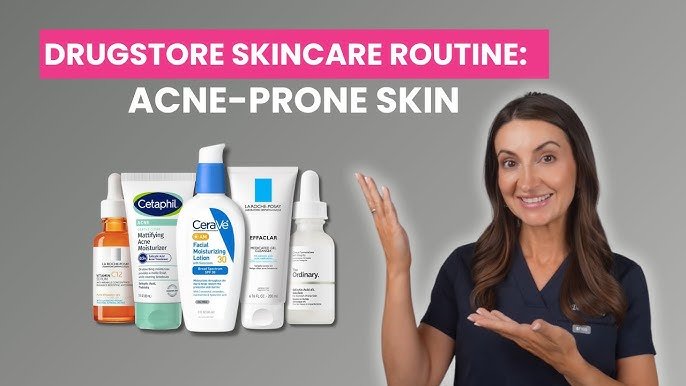
Good skincare doesn’t have to be expensive. Many affordable brands offer effective products that suit teen skin. Look for drugstore brands with positive reviews and dermatologist recommendations.
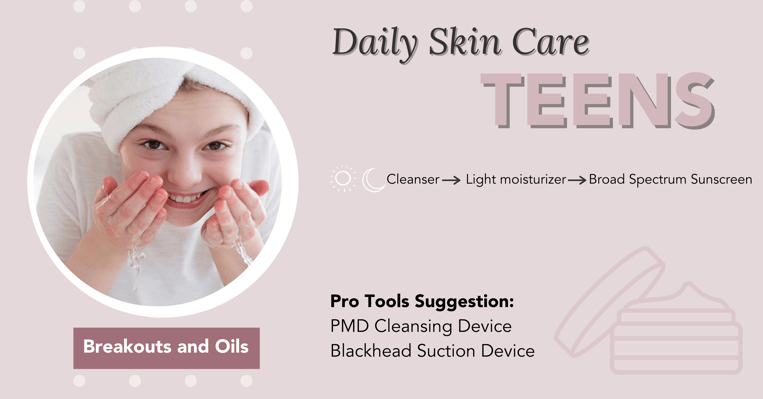
Sometimes, simple products like a gentle cleanser, a moisturizer, and sunscreen are enough. Investing in these basics can save you money and protect your skin without overwhelming it. Have you checked what’s already in your bathroom cabinet that could work just as well?
Credit: blog.theahomebeauty.com
Dealing With Common Skin Issues
Teen skin often faces common challenges. These issues can cause discomfort and affect confidence. Knowing how to manage these skin types helps keep skin healthy and glowing. Each skin type needs special care and attention.
Handling Oily Skin
Oily skin produces extra oil, causing shine and clogged pores. Use a gentle foaming cleanser twice a day to remove excess oil. Avoid harsh scrubs that irritate skin and increase oil production. Apply an oil-free moisturizer to keep skin hydrated without adding grease. Blotting papers can help reduce shine during the day.
Dry Skin Solutions
Dry skin feels tight and flaky. Choose a mild, hydrating cleanser that does not strip natural oils. Use a rich moisturizer with ingredients like glycerin or hyaluronic acid to lock in moisture. Avoid hot water when washing your face; it can worsen dryness. Drinking plenty of water also supports skin hydration.
Sensitive Skin Care
Sensitive skin reacts easily to products and environment. Pick fragrance-free and hypoallergenic skincare products. Test new products on a small skin area before full use. Use lukewarm water and avoid scrubbing your face. Applying a calming moisturizer with aloe or chamomile helps soothe irritation.
Incorporating Fun Self-care
Incorporating fun self-care into a teen skincare routine makes the process enjoyable and relaxing. It turns daily habits into moments of joy. Taking time for skin health also helps build positive habits for the future. Self-care can be simple and creative, fitting easily into busy teen lives.
Face Masks And Exfoliation
Face masks add a fun twist to skincare. They come in many types, like clay, sheet, and peel-off masks. These masks help clear pores and refresh the skin. Exfoliation removes dead skin cells and brightens the face. Using gentle scrubs or exfoliating pads two times a week keeps skin smooth. Teens should choose products made for their skin type to avoid irritation.
Diy Skincare Ideas
Making skincare products at home is fun and easy. Simple ingredients like honey, yogurt, and oatmeal work well for face masks. Mixing these creates natural, gentle treatments. DIY scrubs with sugar and coconut oil help exfoliate skin softly. Creating these products encourages teens to learn about their skin and enjoy the process.
Building Confidence Through Care
Taking care of skin helps teens feel good about themselves. Seeing clear, healthy skin boosts self-esteem. Self-care routines promote a sense of control and calm. Regular skincare teaches responsibility and patience. Confidence grows as teens notice positive changes in their skin and mood.

Credit: www.petiteskinco.com
Frequently Asked Questions
What Is The Best Skincare Routine For Teens?
A simple routine with cleansing, moisturizing, and sunscreen suits teens best. Use gentle products for sensitive skin. Avoid harsh chemicals and over-washing to prevent irritation and acne.
How Often Should Teens Wash Their Face Daily?
Teens should wash their face twice daily—morning and night. This removes dirt, oil, and impurities without drying out the skin. Over-washing can cause dryness and increase oil production.
Which Ingredients Are Safe For Teen Skincare Products?
Look for gentle ingredients like salicylic acid, benzoyl peroxide, and hyaluronic acid. Avoid harsh alcohols, fragrances, and sulfates. These safe ingredients help control acne and hydrate without irritation.
Can Teens Use Makeup With Their Skincare Routine?
Yes, but choose non-comedogenic, oil-free makeup to avoid clogged pores. Always remove makeup before bed to prevent breakouts. Maintain skincare steps alongside makeup use for healthy skin.
Conclusion
A good skincare routine helps keep teen skin healthy and clear. Cleanse gently to remove dirt and oil each day. Use moisturizer to keep skin soft and smooth. Don’t forget sunscreen to protect from sun damage. Be patient; results take time and care.
Healthy skin builds confidence and feels great. Stay consistent and listen to your skin’s needs. Simple steps can make a big difference. Start today for a brighter, healthier skin tomorrow.
