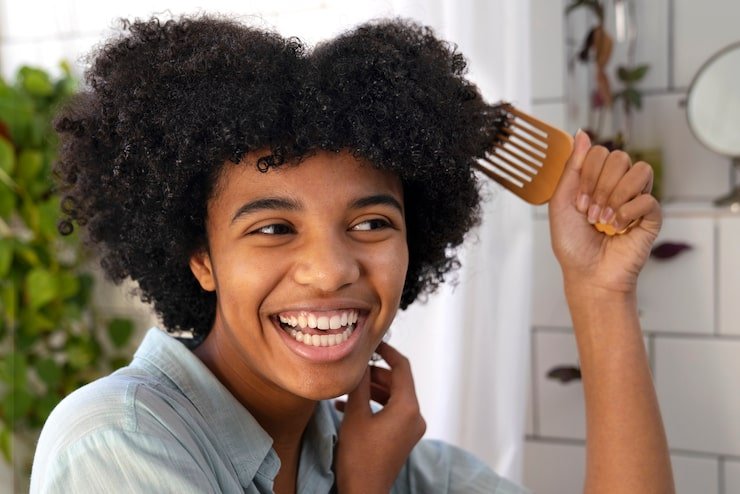
Are you looking to unlock the secrets of nurturing your beautiful black hair? You’re in the right place!
Taking care of black hair can sometimes feel like an overwhelming task, but it doesn’t have to be. With the right tips and tricks, you can maintain healthy, vibrant locks that make you feel confident every day. Imagine having hair that not only looks amazing but feels incredible too.
Whether you’re dealing with dryness, breakage, or just want to enhance your natural beauty, this guide is crafted just for you. Ready to transform your hair care routine into something that truly works? Let’s dive in and discover how you can give your black hair the love and attention it deserves.

Credit: www.freepik.com
Daily Hair Care
Taking care of black hair every day requires a gentle and consistent approach. Your hair’s natural texture and curl pattern mean it needs extra moisture and careful handling to stay healthy. Small daily habits can protect your strands from breakage and dryness, making your hair look and feel its best.
Gentle Cleansing Techniques
Washing your hair too often or using harsh shampoos can strip away natural oils. Choose a sulfate-free shampoo or a co-wash to keep your scalp clean without drying out your hair.
Use lukewarm water instead of hot water to avoid damaging your hair cuticles. When washing, focus on your scalp and let the shampoo rinse through the strands rather than scrubbing the hair itself.
Moisturizing Strategies
Moisture is key to maintaining softness and preventing breakage. Use a leave-in conditioner or hair cream daily to lock in hydration.
Try the LOC method—apply a liquid, then oil, then cream—to seal moisture effectively. Oils like jojoba or castor oil work well to keep your hair shiny without feeling greasy.
Detangling Without Damage
Detangling can be tricky and painful if done incorrectly. Always detangle your hair when it’s damp and coated with conditioner.
Use a wide-tooth comb or your fingers to gently work through knots from the ends upward. Avoid rushing this step; patience reduces breakage and keeps your curls intact.

Credit: cen.acs.org
Protective Hairstyles
Protective hairstyles help keep black hair healthy and strong. These styles reduce breakage and protect hair from daily damage. They also lock in moisture and give hair a chance to grow. Protective hairstyles can be simple or intricate, but their main goal is hair care and maintenance.
Braids And Twists
Braids and twists are classic protective styles. They keep hair strands together and reduce friction. These styles can last for weeks with proper care. Braids and twists come in many forms, like box braids, cornrows, and Senegalese twists. They protect ends and prevent tangles, making hair easier to manage.
Wigs And Weaves
Wigs and weaves offer a break from daily styling. They cover natural hair completely, shielding it from sun and pollution. Wigs allow for quick style changes without heat or chemicals. Weaves add volume and length while protecting the scalp. Both options require a clean, moisturized base to keep hair healthy underneath.
Low-manipulation Styles
Low-manipulation styles minimize touching and combing. Examples include buns, pineapple updos, and simple ponytails. These styles reduce stress on hair strands and roots. Low-manipulation styles help hair retain moisture and limit breakage. They are perfect for daily wear and easy maintenance.
Nourishing Treatments
Nourishing treatments are essential for maintaining healthy black hair. These treatments restore moisture, strengthen strands, and promote growth. Consistent care helps prevent breakage and dryness. Healthy hair looks shiny and feels soft. Regular nourishment supports natural texture and curl patterns.
Deep Conditioning
Deep conditioning adds intense moisture to dry hair. Use a rich conditioner designed for black hair. Apply it generously from roots to ends. Cover hair with a plastic cap to trap heat. Leave the conditioner on for 20 to 30 minutes. Rinse thoroughly with cool water to seal moisture. Deep conditioning once a week keeps hair hydrated and strong.
Hot Oil Treatments
Hot oil treatments help repair damaged strands. Warm natural oils gently penetrate the hair shaft. Heat the oil slightly before applying to avoid burns. Massage oil into the scalp and hair evenly. Cover hair with a warm towel or plastic cap. Leave the oil in for 30 minutes to an hour. Rinse with a mild shampoo to remove excess oil. Use hot oil treatments every two weeks for best results.
Natural Oils For Growth
Natural oils nourish the scalp and stimulate growth. Popular oils include castor, coconut, jojoba, and olive oil. Castor oil thickens hair and reduces breakage. Coconut oil moisturizes and protects strands. Jojoba oil balances scalp oils and prevents dryness. Olive oil adds shine and strength. Apply oils regularly by massaging into the scalp. Use a small amount to avoid buildup. Consistent oil use encourages thicker, healthier hair over time.
Avoiding Common Mistakes
Taking care of black hair means knowing what to avoid just as much as what to do. Many common mistakes can cause damage that’s hard to reverse. Understanding these pitfalls helps you protect your hair’s natural beauty and strength.
Overuse Of Heat Tools
Using heat tools too often can dry out your hair and cause breakage. Straighteners, curling irons, and blow dryers strip moisture from your strands. Have you noticed your hair feeling brittle or breaking easily after frequent heat styling?
Try limiting heat styling to special occasions. Always use a heat protectant spray before applying heat. Your hair will thank you by staying softer and healthier over time.
Harsh Chemical Treatments
Chemical relaxers, perms, and dyes can weaken hair if not used carefully. Strong chemicals alter the hair structure, sometimes causing permanent damage. You might think frequent treatments speed up styling, but they often lead to more damage and slower growth.
If you use chemical treatments, space them out and follow up with deep conditioning. Opt for products designed specifically for chemically treated hair. This helps maintain strength and shine without sacrificing style.
Neglecting Scalp Health
Your scalp is the foundation for healthy hair growth. Ignoring scalp care can lead to dandruff, itching, and even hair loss. Do you pay attention to how your scalp feels after washing or styling?
Regular scalp massages with oils like jojoba or castor oil improve blood flow and keep your scalp moisturized. Use gentle shampoos that don’t strip natural oils, and exfoliate occasionally to remove buildup. Healthy hair starts with a healthy scalp.
Healthy Lifestyle Habits
Taking care of black hair goes beyond just the products you apply. Your daily habits play a huge role in keeping your hair healthy and strong. Simple lifestyle changes can make a big difference in how your hair looks and feels.
Balanced Diet For Hair
Your hair needs nutrients to grow and stay healthy. Eating foods rich in vitamins A, C, D, and E, along with minerals like iron and zinc, supports hair strength and shine.
Try adding more leafy greens, nuts, and fish to your meals. These foods provide essential fatty acids and proteins that help repair damaged hair and promote growth.
Have you noticed how your hair reacts after eating certain foods? Paying attention to this can guide you towards a diet that truly benefits your hair.
Hydration And Hair Health
Drinking enough water is often overlooked but critical for hair health. Hydrated hair is less prone to breakage and looks more vibrant.
Set a daily water goal and track it. Drinking herbal teas or infused water can make hydration more enjoyable.
Think about your hair’s texture on days you drink less water. Does it feel dry or brittle? Increasing your water intake might be the key to softer, more manageable hair.
Stress Management Tips
Stress can cause hair to thin or fall out, especially if it becomes chronic. Managing stress helps maintain your hair’s natural growth cycle.
Try simple stress relief practices like deep breathing, walking outdoors, or journaling your thoughts. These small habits can calm your mind and support hair health.
Ask yourself: How does stress affect your hair? Noticing the connection can motivate you to prioritize relaxation as part of your hair care routine.
Seasonal Hair Care
Seasonal changes can affect black hair in many ways. Hair needs different care depending on the weather. Adjusting your routine helps keep hair strong and healthy year-round. Simple shifts in products and habits protect hair from damage caused by cold or heat. Understanding these needs can improve hair texture and shine every season.
Protecting Hair In Winter
Winter air is cold and dry, causing hair to lose moisture fast. Dry hair becomes brittle and breaks easily. Cover hair with hats or scarves made of soft fabrics like satin or silk. Avoid harsh shampoos that strip natural oils. Use thick conditioners and deep treatments to lock in moisture. Limit heat styling to prevent extra dryness. Regularly apply oils or leave-in conditioners for extra protection.
Summer Hair Care Tips
Summer heat and sun can dry out black hair quickly. Protect hair from sun damage by wearing hats or using UV protection sprays. Swim hair needs special care after exposure to chlorine or saltwater. Rinse hair with clean water after swimming to remove chemicals and salt. Use lightweight moisturizers to avoid buildup. Keep hair hydrated by drinking water and applying moisturizing products often.
Adjusting Routine With Weather
Weather changes require small adjustments to hair care routines. Switch to richer creams and oils in dry, cold months. Use lighter products in warm, humid weather to avoid buildup. Monitor how hair feels daily and change products as needed. Keep scalp clean but avoid over-washing, which removes natural oils. Pay attention to frizz and dryness to choose the right products.

Credit: www.freepik.com
Frequently Asked Questions
How Often Should Black Hair Be Moisturized?
Black hair needs regular moisture to prevent dryness and breakage. Moisturize at least 2-3 times a week using water-based leave-in conditioners or natural oils for best results.
What Are The Best Protective Hairstyles For Black Hair?
Protective hairstyles like braids, twists, and buns shield hair ends from damage. They reduce breakage and promote length retention by minimizing manipulation and exposure to harsh elements.
How Can I Prevent Breakage In Black Hair?
Prevent breakage by gentle detangling with a wide-tooth comb. Use moisturizing products, avoid heat styling, and protect hair at night with satin or silk scarves or pillowcases.
Which Ingredients Are Best For Black Hair Care Products?
Look for natural oils like coconut, jojoba, and shea butter. Ingredients like aloe vera and glycerin help retain moisture and strengthen black hair without buildup or irritation.
Conclusion
Caring for black hair takes patience and the right steps. Use gentle products and avoid harsh chemicals. Keep hair moisturized to prevent dryness and breakage. Regularly detangle to reduce damage and maintain health. Protect hair from heat and sun exposure.
Healthy hair grows stronger and looks beautiful. Remember, your hair needs love and care every day. Small habits make a big difference in the long run. Stay consistent, and your hair will thank you.
