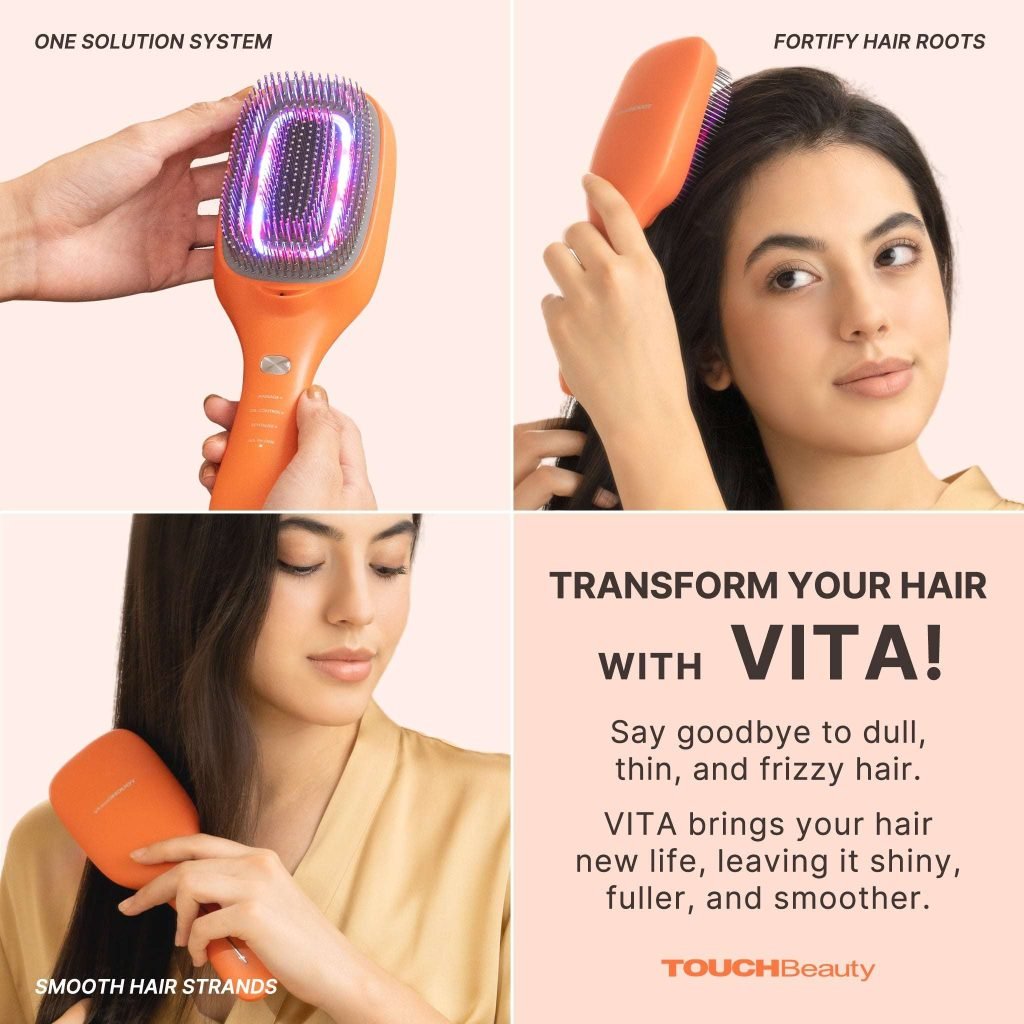
Imagine waking up each morning and feeling the urge to run your fingers through your hair, experiencing that delightful sensation as your hair glides smoothly between them. This simple pleasure is more than just a daily ritual; it’s a reflection of how you care for yourself.
“Take Care, Brush Your Hair” is more than just a catchy phrase—it’s a mantra that can transform how you look and feel each day. You might be wondering why brushing your hair deserves special attention. The truth is, your hair plays a significant role in your overall appearance and even your mood.
When your hair looks good, you feel good. But it’s not just about aesthetics; your hair health can reveal much about your overall well-being. In the following paragraphs, you’ll discover why taking care of your hair is essential and how it can boost your confidence, making every day feel like your best day. Get ready to unlock the secrets of a simple yet powerful practice that can enhance your daily life. Whether you’re looking for tips to tame those stubborn tangles or seeking ways to add shine and strength to your locks, keep reading. You’re about to uncover how a few mindful minutes each day can revolutionize not just your hair, but your entire outlook on self-care.
Choosing The Right Brush
Choosing the right brush can change the way your hair looks and feels every day. The wrong brush can cause breakage, frizz, and discomfort. But the right one makes styling easier and keeps your hair healthy.
Types Of Hairbrushes
There are many types of hairbrushes designed for different purposes:
- Round brushes:Great for adding volume and curls when blow-drying.
- Paddle brushes:Perfect for straightening and detangling long hair.
- Vent brushes:Speed up drying with their open design.
- Boar bristle brushes:Ideal for distributing natural oils and smoothing hair.
- Detangling brushes:Designed to gently remove knots without pulling.
Do you know which brush matches your daily styling needs?
Matching Brush To Hair Type
Your hair type should guide your brush choice. Fine hair benefits from soft bristles that won’t cause breakage. Thick or curly hair needs sturdier bristles to work through tangles.
If you have oily hair, a brush that distributes oils without making your scalp greasy is key. Dry or damaged hair requires gentle brushes to avoid further harm. Ask yourself: does your brush help or hurt your hair’s natural texture?
Materials And Their Benefits
Brush materials affect how they interact with your hair. Natural boar bristles spread oils from the scalp through the hair shaft, adding shine and moisture. Nylon bristles are tougher and better for detangling thick hair but can cause static.
Wooden brushes are gentle on the scalp and reduce static electricity. Ceramic or metal brushes help with heat styling by distributing heat evenly. Choosing the right material can improve how your hair feels after every brush stroke.

Credit: www.freepik.com
Brushing Techniques
Brushing your hair might seem simple, but the techniques you use can make a big difference in maintaining healthy, shiny locks. Knowing how to brush properly helps prevent breakage and keeps your scalp feeling great. Let’s look at some brushing techniques that protect your hair and boost its natural beauty.
Detangling Without Damage
Start by gently removing knots from your hair to avoid pulling and breaking strands. Use a wide-tooth comb or a brush designed for detangling, especially on wet hair, since it is more fragile. Always begin at the ends and slowly work your way up to the roots.
Applying a leave-in conditioner or detangling spray can make this process smoother. Have you noticed how much less painful detangling is when you’re gentle and patient?
Brushing Frequency
Brushing too little can cause tangles, but brushing too often can lead to damage. Aim to brush your hair 1-2 times a day to keep it smooth and healthy. Brushing in the morning helps remove any knots formed overnight, and brushing before bed distributes natural oils evenly.
Think about your daily routine—does your brushing fit comfortably without stressing your hair?
Avoiding Over-brushing
Over-brushing strips natural oils and can make your hair dry and brittle. Avoid aggressive brushing or using stiff brushes that pull on your scalp. Instead, choose a soft-bristle brush and use gentle strokes.
If your hair starts to feel frizzy or looks dull, it might be time to cut back on how often and how hard you brush. What signs does your hair give you when it’s had enough?
Maintaining Your Hairbrush
Maintaining your hairbrush is key to healthy hair care. A clean brush works better and lasts longer. It removes dirt, oils, and product buildup from your hair. Clean brushes prevent scalp infections and hair damage. Regular care helps keep your hair smooth and shiny.
Cleaning Tips
- Remove hair strands from the brush after each use.
- Soak the brush in warm water with mild shampoo for 10 minutes.
- Use an old toothbrush to scrub the base and bristles gently.
- Rinse the brush thoroughly with clean water to remove soap.
- Let the brush air dry with bristles facing down.
When To Replace Your Brush
- Replace the brush if bristles are bent or broken.
- Change it if the base is cracked or damaged.
- Switch brushes every 6 to 12 months for hygiene.
- Consider a new brush if it no longer detangles well.
- Replace if scalp irritation occurs after brushing.

Credit: www.freepik.com
Hair Care Habits For Shine
Healthy hair shines naturally. Good habits help keep hair bright and smooth. Simple daily care improves hair’s look and feel.
Scalp Stimulation
Massaging the scalp boosts blood flow. This helps hair get more nutrients. Use fingertips to gently rub the scalp. Do this for a few minutes daily. It also relaxes and reduces stress.
Using Oils And Serums
Oils and serums add moisture and shine. Choose lightweight products to avoid greasiness. Apply a small amount to hair ends. Coconut, argan, and jojoba oils work well. Serums smooth frizz and protect from damage.
Protecting Hair From Heat
Heat tools can harm hair and dull shine. Use a heat protectant spray before styling. Keep the temperature moderate, not too hot. Limit use of straighteners and curling irons. Air dry hair when possible to reduce heat exposure.
Common Mistakes To Avoid
Taking care of your hair means knowing what to avoid just as much as what to do. Many people unknowingly damage their hair by making simple brushing mistakes. Understanding these errors helps you protect your hair’s health and shine.
Brushing Wet Hair
Wet hair is fragile and stretches easily. Brushing it immediately after washing can cause breakage and split ends. Instead, gently pat your hair dry with a towel and use a wide-tooth comb if you need to detangle right away.
Have you noticed how your hair snaps more when it’s wet? That’s a sign to be extra gentle. Waiting a few minutes before brushing can save your strands from unnecessary damage.
Using The Wrong Brush
Not all brushes are created equal. Using a brush with hard bristles on delicate hair can cause breakage and frizz. Choose a brush that matches your hair type—boar bristles for fine hair, paddle brushes for thick hair, and wide-tooth combs for curly hair.
Think about your hair’s texture and needs before picking a brush. Have you tried switching brushes and noticed a difference in how your hair feels afterward?
Brushing Aggressively
Brushing your hair too hard can lead to scalp irritation and hair loss. It’s tempting to rush through brushing, but slow, gentle strokes work best. Use your fingers to loosen tangles before using a brush to minimize pulling.
Next time you brush, pay attention to the pressure you apply. Could a softer touch improve your hair’s texture and reduce damage?
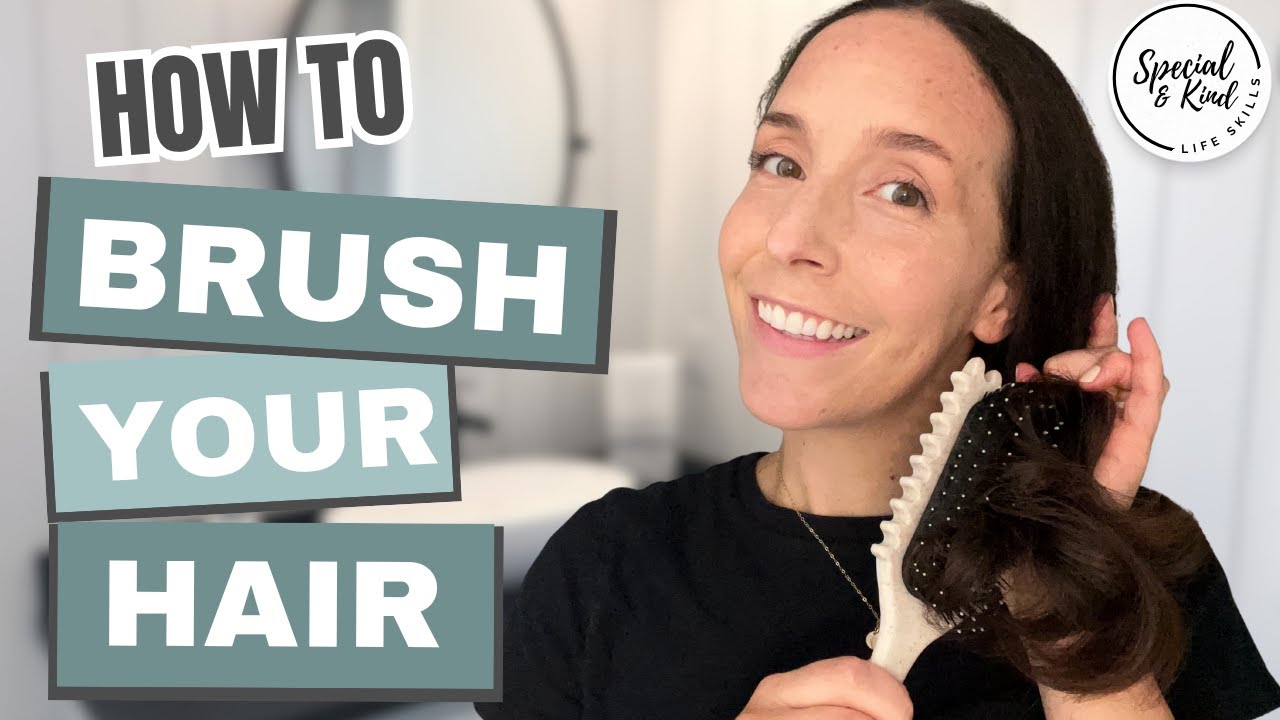
Credit: www.youtube.com
Frequently Asked Questions
Why Is It Important To Brush Your Hair Regularly?
Brushing hair removes dirt, distributes natural oils, and prevents tangles. It stimulates scalp blood flow, promoting hair growth and health.
How Often Should You Brush Your Hair Daily?
Brushing hair 2-3 times daily is ideal. Over-brushing can cause breakage, while under-brushing leads to tangles and dullness.
What Type Of Brush Is Best For Hair Care?
Choose a brush with natural bristles or wide teeth. It gently detangles without damaging hair or irritating the scalp.
Can Brushing Hair Improve Scalp Health?
Yes, brushing massages the scalp, increasing circulation and promoting nutrient delivery. It helps reduce dandruff and scalp dryness.
Conclusion
Brushing your hair gently keeps it healthy and strong. Choose the right brush and avoid harsh strokes. Brushing helps remove dirt and spreads natural oils. Take your time and be consistent every day. Your hair will feel smooth and look shiny.
Small daily habits make a big difference. Care for your hair with simple steps. Healthy hair starts with good brushing habits. Keep your hair happy and well cared for.
