
Do you love swimming but dread the toll it takes on your hair? Whether you’re a casual swimmer or a dedicated athlete, the struggle to keep your hair healthy and vibrant is all too real.
You may have noticed your hair feeling dry, brittle, or even discolored after spending time in the pool. These common issues can leave you feeling frustrated and looking for solutions that actually work. But don’t worry! There’s a way to dive into the water without sacrificing your luscious locks.
You’ll discover practical and effective tips to protect and care for your hair while enjoying every swim. Dive in, and let’s make sure your hair remains as fabulous as your swim!
Effects Of Swimming On Hair
Swimming offers great exercise and fun, but it can also take a toll on your hair. Whether you dive into a chlorinated pool or splash in the ocean, your hair faces unique challenges. Understanding these effects helps you protect your locks and keep them healthy.
Chlorine And Its Impact
Chlorine is a common pool disinfectant that strips natural oils from your hair. This leaves it dry, brittle, and prone to breakage.
You might notice your hair feels rough or looks dull after swimming. This happens because chlorine weakens the hair cuticle, the outer protective layer. If you’ve ever felt a straw-like texture after a swim, that’s chlorine at work.
To protect your hair, rinse it thoroughly before and after swimming. Applying a leave-in conditioner can create a barrier against chlorine. Have you tried wearing a swim cap? It really reduces chlorine exposure.
Saltwater Challenges
Saltwater from the ocean presents different problems. Salt absorbs moisture from your hair, causing dehydration and frizz.
Your hair might feel coarse or tangled after a day at the beach. Salt can also lift the hair cuticle, making it more vulnerable to damage.
Rinsing with fresh water immediately after swimming in the sea helps wash away salt residues. Using a moisturizing shampoo and conditioner supports hair recovery. How often do you hydrate your hair after ocean swims?
Sun Exposure Risks
The sun’s UV rays can damage your hair just like your skin. Prolonged exposure fades color and weakens hair strands.
After a sunny swim, your hair might feel dry and look lifeless. UV rays break down protein in your hair, reducing strength and shine.
Covering your hair with a hat or scarf while outdoors limits sun damage. You can also apply hair products with UV protection. Have you noticed a difference when you shield your hair from the sun?

Credit: www.clinikally.com
Preparing Hair Before Swimming
Preparing hair before swimming helps reduce damage from chlorine and salt. It forms a protective barrier and keeps hair healthier. Simple steps can save hair from drying and breakage.
Wet Hair Rinse
Rinse hair with clean water before entering the pool. Wet hair absorbs less chlorine than dry hair. This step lowers the amount of chemicals soaking into hair strands. It also helps keep hair softer after swimming.
Protective Hair Products
Apply leave-in conditioner or hair oil before swimming. These products create a shield against water and chemicals. Use products with natural oils like coconut or argan oil. They lock in moisture and reduce hair damage.
Choosing The Right Swim Cap
Select a swim cap that fits snugly but comfortably. Silicone caps are gentle and keep water out better than latex. For long hair, try caps designed with extra space. A good swim cap protects hair from direct contact with pool water.
Post-swim Hair Care Routine
After a refreshing swim, your hair needs special attention to stay healthy and vibrant. Chlorine, salt, and other pool chemicals can strip moisture and cause damage. Developing a solid post-swim hair care routine helps restore balance and prevent long-term problems.
Rinsing And Cleansing
Rinse your hair immediately after swimming to wash away chlorine and salt. Use cool or lukewarm water to avoid further drying out your strands. Follow up with a gentle, sulfate-free shampoo designed to remove pool chemicals without stripping natural oils.
Have you ever noticed your hair feeling rough or brittle right after swimming? Rinsing promptly can reduce that unpleasant texture. Avoid harsh shampoos that can worsen dryness and damage.
Deep Conditioning Treatments
Apply a deep conditioning treatment at least once a week if you swim regularly. Look for products rich in hydrating ingredients like argan oil, shea butter, or keratin. These help repair damage and restore softness.
Consider leaving the treatment on for 10-15 minutes under a shower cap to enhance absorption. Your hair will feel stronger and more manageable. Would you try a homemade avocado and honey mask for added nourishment?
Detangling Tips
Wet hair after swimming tends to tangle easily. Use a wide-tooth comb or a detangling brush to gently remove knots, starting from the ends and working your way up. Avoid pulling or yanking to prevent breakage.
Applying a leave-in conditioner or detangling spray before combing can make the process smoother. Have you noticed how much easier detangling becomes with the right products? Don’t rush this step—treat your hair with care to keep it healthy.
Credit: www.amazon.ca
Hair Care Products For Swimmers
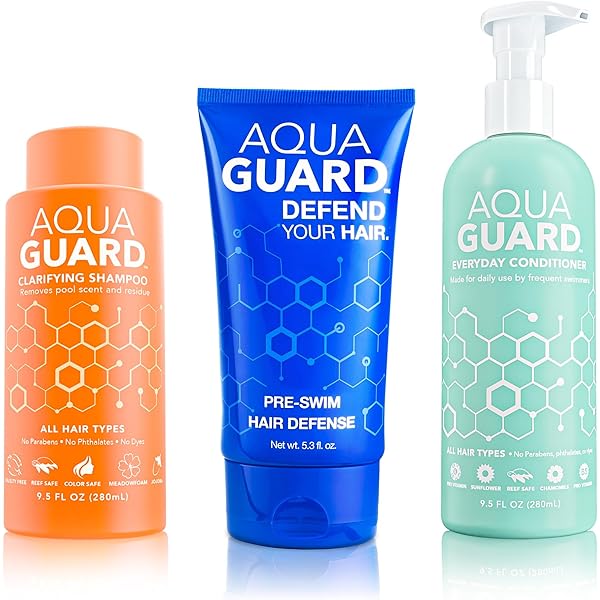
Swimming can leave hair dry and damaged. Chlorine and saltwater strip natural oils. Hair care products help restore moisture and protect strands. Choosing the right products keeps hair healthy and strong.
Clarifying Shampoos
Clarifying shampoos remove chlorine, salt, and buildup from hair. They clean deeply without stripping natural oils too much. Use these shampoos once or twice a week. This keeps hair fresh and prevents dullness.
Moisturizing Conditioners
Moisturizing conditioners add hydration and softness. They repair damage caused by swimming chemicals. Look for conditioners with natural oils and proteins. Apply after every swim to keep hair smooth and manageable.
Leave-in Treatments And Oils
Leave-in treatments protect hair from dryness throughout the day. Oils lock in moisture and add shine. Use lightweight formulas to avoid greasy hair. Apply before and after swimming for best results.
Lifestyle Tips For Maintaining Hair Health
Taking care of your hair is key to keeping it healthy and strong. Swimming can expose hair to chlorine and salt, which may cause dryness and damage. Adopting simple lifestyle habits helps protect hair and keeps it looking great. These tips focus on everyday choices that improve hair health over time.
Regular Hair Trims
Trimming hair regularly removes split ends and prevents breakage. It also helps hair grow healthier by reducing damage. Schedule trims every 6 to 8 weeks to keep hair neat and strong. This simple habit supports overall hair health and appearance.
Balanced Diet And Hydration
Eating a balanced diet provides essential nutrients for hair growth. Include proteins, vitamins, and minerals like zinc and iron. Drinking enough water keeps hair hydrated from inside out. Healthy hair starts with good nutrition and proper hydration daily.
Limiting Heat Styling
Heat tools like straighteners and curling irons can weaken hair. Using them less reduces damage and dryness. Choose air-drying or low-heat settings when styling. Protect hair by applying heat protectant sprays before using any heat tools.

Credit: www.youtube.com
Frequently Asked Questions
How Does Swimming Affect Hair Health?
Swimming exposes hair to chlorine and salt, which can dry and damage strands. These chemicals strip natural oils, leading to brittleness and breakage. Proper hair care before and after swimming can protect hair and maintain moisture levels for healthier locks.
What Are The Best Hair Care Tips For Swimmers?
Use a swim cap to reduce water exposure. Rinse hair with fresh water before and after swimming. Apply a leave-in conditioner or protective oil to shield hair from chlorine damage. Regular deep conditioning treatments help restore moisture and strength.
Can Chlorine Cause Hair Color Fading?
Yes, chlorine can fade hair dye, especially bright or light colors. It reacts with hair pigments, causing discoloration and dullness. Using color-safe shampoos and protective hair products can minimize fading and preserve vibrant hair color.
How Often Should Swimmers Wash Their Hair?
Swimmers should wash hair after each swim to remove chlorine and salt. Use a gentle, sulfate-free shampoo to avoid stripping natural oils. Overwashing can cause dryness, so balance cleansing with conditioning to maintain hair health.
Conclusion
Swimming can be fun but may harm your hair. Chlorine and salt water dry hair out. Rinse hair with clean water after swimming. Use a gentle shampoo and conditioner. Wear a swim cap to protect hair. Regular care keeps hair healthy and strong.
Small steps make a big difference. Enjoy swimming without worrying about hair damage. Take care, and your hair will thank you.
