Are those stubborn acne scars affecting your confidence? You’re not alone.
Many people struggle with the aftermath of acne long after the breakouts have healed. But here’s the good news: there’s a treatment called subcision that could be the solution you’ve been searching for. Imagine waking up, looking in the mirror, and seeing smoother, more even skin.
Sounds like a dream, right? You’ll discover how subcision works, why it’s effective, and whether it might be the right choice for you. Don’t let acne scars define your life any longer. Dive in, and learn how you can reclaim your skin and confidence.

Credit: acnescarflorida.com
What Is Subcision?
Subcision is a specialized treatment designed to reduce the appearance of acne scars. If you’ve struggled with stubborn dents or grooves left by past breakouts, subcision might offer a solution that goes beyond creams and surface treatments. It targets the underlying structure beneath your skin, encouraging natural healing and smoother texture.
How It Works
The process involves inserting a small needle just under the scar tissue. This needle breaks up the fibrous bands that pull the skin down, causing those sunken areas. By releasing these bands, your skin can lift and even out over time.
Once these bands are broken, the body starts producing new collagen in the area. Collagen acts like a natural filler, gradually filling in the depressed scars. This healing response can take several weeks, but the results often improve with time.
Types Of Acne Scars Treated
Subcision works best on certain types of acne scars, especially those that are indented or tethered to deeper layers. These include:
- Rolling scars:Broad depressions with sloping edges that give the skin a wavy appearance.
- Boxcar scars:Round or oval depressions with sharp edges, resembling small craters.
It’s less effective on icepick scars, which are narrow, deep, and more difficult to treat with subcision alone. Knowing your scar type helps you decide if subcision can deliver the improvements you’re hoping for.
Have you noticed that some scars feel tight or tethered when you touch them? That’s exactly what subcision aims to fix, releasing those tight bands for a smoother look. Considering this approach might be the step your skin needs to finally see real change.
Benefits Of Subcision
Subcision offers many benefits for treating acne scars. This procedure helps improve the skin’s surface and overall appearance. It targets deep scars that other treatments might miss. Many people choose subcision because it is effective and safe.
Improved Skin Texture
Subcision breaks the fibrous bands under the skin. These bands pull down the skin, causing scars. Releasing them lifts the skin, making it smoother. Over time, new collagen forms. This rebuilds the skin’s structure and texture.
Minimal Downtime
Subcision is a quick procedure with little recovery needed. Most people return to normal activities within a day or two. There might be slight swelling or bruising. These side effects fade fast and are easy to manage.
Long-lasting Results
The effects of subcision last for months or years. New collagen continues to improve the skin after the treatment. Many patients see ongoing improvement with just one session. Results remain stable with proper skin care.
The Subcision Procedure
The Subcision procedure offers a targeted solution for acne scars that feel stubborn and deep. It works by breaking the fibrous bands pulling your skin down, which helps lift the scar and smooth the surface. Understanding how this procedure unfolds can help you feel more confident and prepared for your treatment.
Preparation Steps
Before your Subcision treatment, your skin needs to be clean and free of any makeup or lotions. Your doctor may ask you to avoid blood-thinning medications like aspirin for a few days to reduce bruising risks.
It’s important to discuss your medical history and any allergies with your provider. This ensures the procedure is safe and tailored to your skin’s needs. Have you ever wondered how small changes in preparation can impact your healing speed?
Step-by-step Process
The procedure starts with numbing the treatment area using a local anesthetic. This keeps you comfortable and pain-free during the process.
Next, a special needle is inserted under the scar to break the fibrous bands pulling the skin down. This action releases the tension, allowing new collagen to form and lift the scar over time.
The doctor will carefully work through the affected areas, which typically takes about 30 to 45 minutes. You might notice slight bruising or swelling immediately after—this is a normal part of the healing journey.
Post-treatment Care
After your Subcision session, your skin may feel tender and look bruised. Applying ice packs can reduce swelling and discomfort during the first 24 hours.
Keep the area clean and avoid strenuous activities that increase blood flow to your face. Your provider might recommend gentle skincare products to support healing without irritation.
Are you ready to commit to these care steps to maximize your results? The better your post-treatment routine, the smoother your skin will become.
Who Is A Good Candidate?
Understanding who benefits most from subcision for acne scars is key to achieving satisfying results. Not every skin type or scar condition is ideal for this treatment. Let’s break down the factors that determine if subcision is the right choice for you.
Skin Types Suitable
Subcision works best on various skin types, but certain skin tones may require extra caution. If you have darker skin, there’s a higher chance of temporary discoloration after treatment.
People with sensitive skin should discuss potential reactions with their dermatologist first. However, subcision is generally safe for most skin types because it targets the scar’s underlying structure rather than the surface.
Ask yourself: Does your skin heal well from minor injuries or procedures? If yes, subcision could be a good fit.
Scar Severity Considerations
Subcision is particularly effective for depressed acne scars that are tethered down by fibrous bands. These scars create noticeable indentations that don’t improve much with surface treatments alone.
If your scars are shallow or mostly discoloration without depth, subcision might not be necessary. Conversely, very deep or cystic scars might need a combined approach for best results.
Think about your scar texture and depth. Are your scars visibly indented and difficult to smooth out? If so, subcision could offer meaningful improvement.
Possible Side Effects And Risks
Subcision is a popular treatment for acne scars, but like any procedure, it comes with potential side effects and risks. Understanding these can help you make an informed decision and prepare for what to expect. Being aware of common reactions and knowing when to seek medical advice ensures your safety and a smoother healing process.
Common Reactions
After subcision, you might notice some swelling and bruising around the treated area. These reactions are normal and usually fade within one to two weeks. Mild pain or tenderness can also occur, similar to the feeling after a deep tissue massage.
Some people experience small blood spots or slight bleeding right after the procedure. This happens because the needle breaks fibrous scar tissue beneath the skin. It’s a sign the treatment is working, but it’s important to keep the area clean to avoid infection.
Temporary numbness or tingling might appear but often resolves within days. Redness and mild inflammation are also common but should subside quickly. If you notice any unusual skin changes, keep track of them and mention them during follow-up visits.
When To Seek Medical Advice
Not all side effects are harmless. If you see increasing redness, swelling, or pain after the first few days, it could indicate an infection. Pus or unusual discharge from the treated area is a clear sign you need to contact your healthcare provider immediately.
If you develop a fever or feel unwell after subcision, do not ignore these symptoms. They might signal a systemic infection requiring prompt treatment. Also, if your skin starts to show signs of allergic reactions like severe itching, rash, or blistering, seek medical help.
Have you noticed side effects lasting longer than expected? Persistent bruising or numbness beyond two weeks should be checked. Early intervention can prevent complications and ensure better healing outcomes.
Combining Subcision With Other Treatments
Combining subcision with other treatments can improve acne scar results. Each method targets skin issues differently. This combination helps achieve smoother, more even skin. It also speeds up the healing process and boosts collagen production.
Microneedling
Microneedling uses tiny needles to create small wounds. These wounds trigger the skin’s natural healing. This process builds collagen and softens scars. Pairing microneedling with subcision breaks down scar tissue more effectively. It also improves skin texture and firmness.
Laser Therapy
Laser therapy removes damaged skin layers. It stimulates new skin growth and collagen. Using laser after subcision helps reduce scar depth. It also evens out skin tone. Laser treatments can target redness and discoloration caused by scars.
Fillers
Fillers add volume under sunken scars. They lift depressed areas to match surrounding skin. Combining fillers with subcision smooths the skin surface. Fillers provide immediate improvement while subcision works deeper. This combo enhances overall skin appearance and texture.
Expected Results And Timeline
Subcision is a popular treatment for acne scars that works beneath the skin’s surface. Understanding the expected results and timeline helps set clear goals. It also helps patients prepare for the healing process. Results vary by skin type and scar severity. Patience is key for the best outcome.
Initial Improvements
Most patients notice changes within the first two weeks. Swelling and redness may appear right after treatment. These effects usually fade in a few days. Small bruises might also form but heal quickly. Early improvements include smoother skin texture and less visible scars.
Collagen production begins soon after subcision. This natural process helps lift depressed scars. Some skin tightening may be visible at this stage. Results are subtle but encouraging. Multiple sessions often enhance these early benefits.
Full Recovery Period
Complete healing takes around three to six months. During this time, collagen rebuilds deeper layers of skin. Scars become less noticeable as new tissue forms. Final results depend on treatment depth and skin response.
Patients should avoid sun exposure to prevent discoloration. Keeping the skin moisturized supports recovery. Follow-up visits help track progress and decide on further treatment. Most people see significant improvement in scar appearance.

Credit: doctorqazi.com
Cost And Accessibility
Cost and accessibility play key roles in choosing subcision for acne scars. Understanding price and finding the right specialist helps plan treatment well. Budget and location affect how easily one can get this procedure.
Average Price Range
Subcision costs vary by region and clinic. The typical price for one session ranges from $300 to $1,500.
Multiple sessions may be needed for best results. This raises the total cost.
Some clinics offer package deals that reduce per-session price. Insurance rarely covers cosmetic treatments like subcision.
Finding A Qualified Specialist
Choose a dermatologist or cosmetic surgeon with experience in subcision. Check credentials and patient reviews.
Ask about the number of subcision procedures done. Proper training reduces risks and improves results.
Many specialists offer consultations. Use this chance to discuss costs and treatment plans.
Credit: drcarniol.com
Frequently Asked Questions
What Is Subcision For Acne Scars?
Subcision is a minimally invasive procedure that treats depressed acne scars. It uses a needle to break fibrous scar tissue under the skin. This stimulates collagen production and lifts the scar, improving skin texture and appearance.
How Effective Is Subcision For Acne Scar Treatment?
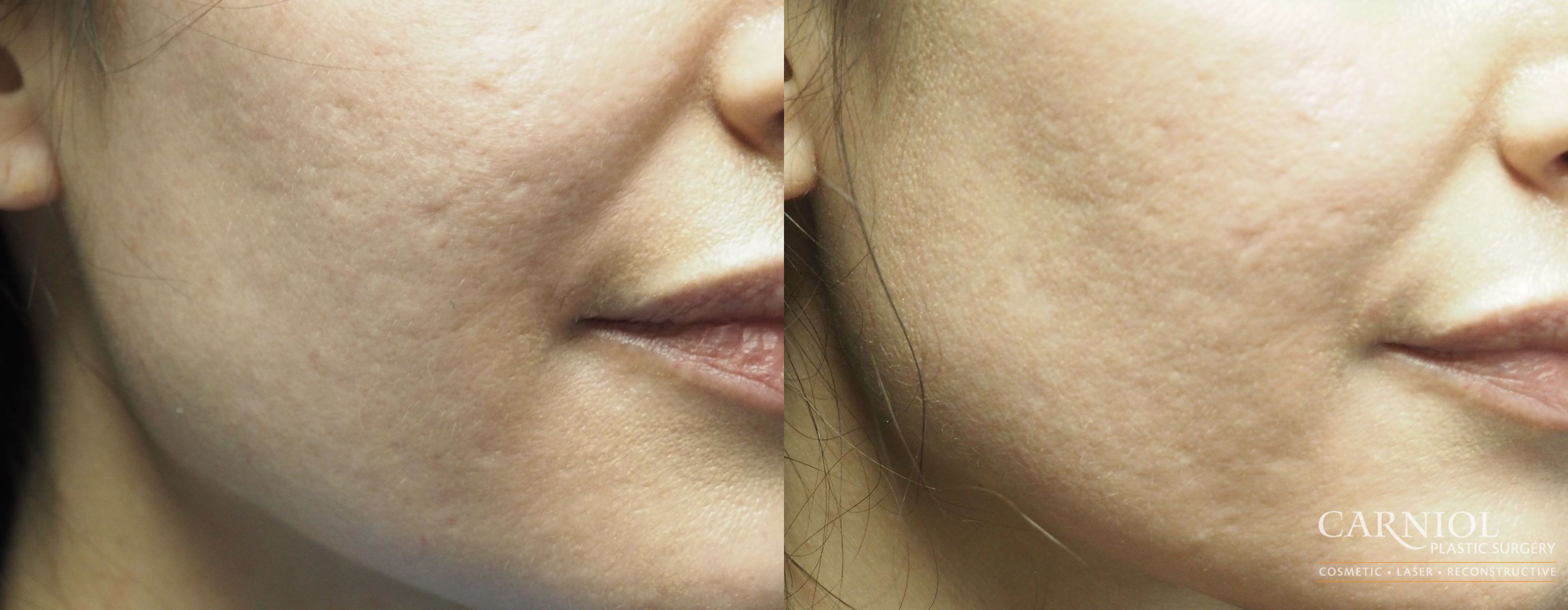
Subcision is highly effective for rolling and depressed scars. Most patients see noticeable improvement after one to three sessions. Results vary based on scar depth and skin type. Combining with other treatments may enhance outcomes.
What Are The Side Effects Of Subcision?
Common side effects include swelling, bruising, and mild discomfort. These usually resolve within a week. Serious complications are rare when performed by a trained professional. Proper aftercare minimizes risks and speeds recovery.
How Long Does Subcision Recovery Take?
Recovery from subcision typically lasts 5 to 7 days. Swelling and bruising decrease gradually during this period. Patients can resume normal activities soon but should avoid strenuous exercise initially.
Conclusion
Subcision can effectively reduce acne scars by breaking scar tissue beneath the skin. It helps smooth the skin surface and improve appearance. Many people see noticeable results after a few sessions. The procedure is minimally invasive and usually safe. Always consult a qualified doctor before starting treatment.
Proper care and patience are key to good outcomes. Clearer skin is possible with the right approach and time.
