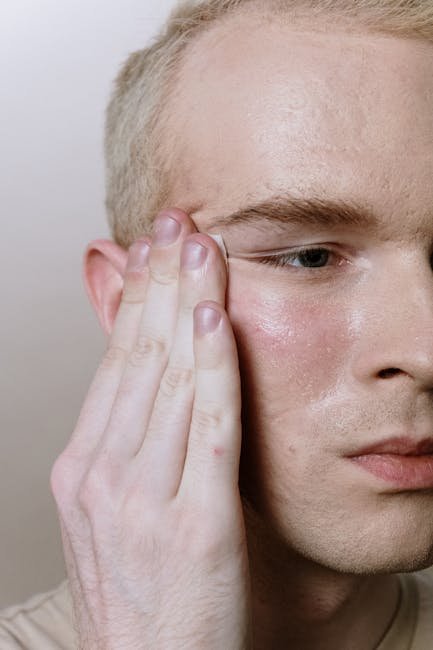
Are you tired of looking in the mirror and seeing acne scars that won’t fade away? You’re not alone.
Acne scars can be a stubborn reminder of past skin struggles, affecting your confidence and how you feel about yourself. But what if there was a solution that could help smooth out those scars and give your skin a fresh start?
Enter subcision, a revolutionary treatment that targets acne scars at their root. Imagine running your fingers over your face and feeling an even, smooth texture instead of those frustrating bumps and indents. We’ll dive into how subcision works, why it might be the answer you’ve been looking for, and what you can expect from the treatment. Get ready to discover a path to clearer, more confident skin!
What Is Subcision
If you’ve been struggling with acne scars that just won’t fade, you might find subcision to be a surprising yet effective option. This treatment targets the root cause of certain scars by breaking up the fibrous bands beneath your skin. It’s a simple procedure that can make a noticeable difference in the texture and appearance of your skin.
What Exactly Is Subcision?
Subcision is a minor surgical procedure designed to treat depressed acne scars. During the process, a small needle is inserted under the skin to cut the tough fibers pulling the scar down. This allows the skin to lift and smooth out over time.
How Does Subcision Work?
The needle breaks the fibrous tissue that tethers the scar to deeper layers. This releases the skin, encouraging new collagen to grow in the treated area. The fresh collagen helps fill in the depressed scar, improving skin texture and contour.
What Types Of Scars Can Subcision Treat?
- Rolling scars with gentle slopes
- Depressed scars caused by tethered tissue
- Some boxcar scars depending on depth
If your scars are raised or very deep, subcision might not be the best fit. It works best when scars are attached to underlying tissue causing the skin to pull inward.
What To Expect During The Procedure?
The process usually takes less than an hour and is done under local anesthesia. You may feel some pressure or mild discomfort when the needle is inserted. Afterward, mild swelling or bruising can appear but typically fades within a week.
Have you ever wondered why some scars seem stuck and don’t improve with creams? Subcision targets the problem beneath the surface, which topical treatments can’t reach. This makes it a smart option if you want to tackle stubborn scars at their root.
Causes Of Acne Scars
Acne scars often leave more than just a mark on your skin—they can affect your confidence and how you see yourself every day. Understanding what causes these scars is key to preventing them and choosing the right treatment like subcision. Let’s break down the main reasons acne scars form and what you can do to tackle them.
Deep Inflammation And Skin Damage
When acne becomes severe, it causes deep inflammation in the skin. This inflammation damages the collagen, the protein that keeps your skin firm and smooth. If your skin struggles to repair this damage properly, scars appear as a result.
Think about the last time you had a painful breakout—did you notice how the area stayed red or raised for a long time? That lingering inflammation increases the chance of scarring.
Picking And Squeezing Pimples
Many people find it hard not to touch their pimples, but squeezing or picking at them worsens the damage. This can push bacteria deeper into your skin and increase inflammation.
Have you ever noticed a pimple turning into a scar after you picked at it? That’s because you interrupted your skin’s natural healing process, making scars more likely to form.
Genetics And Skin Type
Your genetic makeup plays a surprising role in how your skin heals after acne. Some people naturally produce more collagen or have skin that heals more cleanly, while others may be more prone to scarring.
If you’ve seen family members with stubborn acne scars, you might be more likely to develop them too. Knowing this can help you be more proactive about treatment and prevention.
Delayed Treatment Of Acne
Ignoring acne or delaying treatment allows pimples to worsen and become cystic or nodular. These types of acne damage the skin deeply and increase the chance of scars.
Have you ever thought about how early treatment could save your skin from long-term damage? Acting fast with the right skincare or seeing a dermatologist can make a big difference.
Skin Healing Process And Collagen Formation
Scarring happens because of how your skin heals after injury. Sometimes, your body produces too little collagen, causing depressed scars, or too much, leading to raised scars.
Subcision works by breaking up the fibrous bands that pull down the skin, helping your body create new, healthy collagen. Understanding this process helps you see why certain treatments succeed while others don’t.
How Subcision Works
Subcision is a simple procedure that targets acne scars beneath the skin. It works by breaking the fibrous bands that pull the skin down, creating indentations. This process allows the skin to lift and smooth out over time.
The treatment encourages new collagen to grow. Collagen helps repair the skin and improve its texture. The result is a smoother, less scarred appearance after healing.
Preparing The Skin For Subcision
The skin is cleaned and numbed with a local anesthetic. This step reduces discomfort during the procedure. Proper preparation helps ensure safety and effectiveness.
Breaking The Scar Tissue
A small needle is inserted under the skin. The needle moves to cut the fibrous bands causing the scars. This releases the skin and lifts the depressed areas.
Healing And Collagen Formation
After the procedure, the body starts healing immediately. New collagen forms in the treated areas. This natural process fills in the scars and firms the skin.
Expected Results And Recovery
- Initial swelling and bruising are common but temporary.
- Skin may feel tender for a few days.
- Visible improvement appears within weeks as collagen builds.
- Multiple sessions may be needed for best results.

Credit: almeka.in
Benefits Of Subcision
Subcision offers a practical solution for treating acne scars. This procedure targets the fibrous bands beneath the skin, which cause the scars’ sunken appearance. Patients often notice smoother, more even skin after treatment. The benefits extend beyond just appearance, improving skin texture and confidence.
Improves Skin Texture
Subcision breaks tough scar tissues under the skin. This releases the skin’s surface from pulling down. As a result, skin appears smoother and less uneven. New collagen forms during healing, adding volume and improving texture.
Minimally Invasive Procedure
The process requires small needles to treat scars. It does not involve large cuts or surgery. This means less pain and quicker recovery time. Most patients return to daily activities within days.
Effective For Various Scar Types
Subcision works best on rolling scars and deep acne scars. It can also help with tethered scars. The technique loosens scar tissue, allowing the skin to lift naturally.
Long-lasting Results
Once the skin heals, improvements last for months or years. Collagen production continues after treatment, enhancing skin firmness. Regular follow-ups can maintain the smoother skin effect.
Can Be Combined With Other Treatments
Subcision works well alongside treatments like microneedling or laser therapy. Combining methods can increase overall scar improvement. It allows for a customized approach based on skin needs.
Who Is A Good Candidate
Understanding if subcision is the right choice for your acne scars can save you time and disappointment. Not every scar or skin type responds equally well to this treatment. Knowing who benefits most helps you set realistic expectations and plan your skincare journey effectively.
Types Of Acne Scars Best Treated With Subcision
Subcision works best on depressed scars, especially rolling scars that create uneven skin texture. These scars are tethered down by fibrous bands beneath the skin, which subcision breaks up. If your scars are mostly deep pits or boxcar types, subcision can release those bands and smooth out the surface.
However, if your scars are mainly icepick or very superficial, other treatments might be more effective for you.
Skin Health And Condition Requirements
Your skin should be generally healthy and free from active acne or infections before undergoing subcision. This reduces the risk of complications and supports better healing. If you have sensitive skin or certain medical conditions, your doctor may recommend alternative treatments.
Realistic Expectations And Commitment
Subcision often requires multiple sessions to achieve noticeable results. Are you ready to commit to a treatment plan that may take time? Understanding this upfront helps you stay patient and motivated.
Think about your lifestyle and whether you can manage the post-treatment care, like avoiding sun exposure and following your dermatologist’s advice.
Age And Skin Type Considerations
While subcision suits most skin types, younger skin tends to heal faster and respond better. However, people in their 30s and 40s also experience good results if their skin elasticity is still adequate.
Dark skin tones can safely undergo subcision, but proper post-care is crucial to avoid pigmentation issues.
Consulting With A Professional
Have you talked to a dermatologist about your scars? A professional assessment is essential to determine if subcision matches your skin’s needs. They can also combine subcision with other treatments for better outcomes.
Remember, personalized advice beats generic suggestions every time.
The Subcision Procedure
The subcision procedure is a popular technique to treat acne scars. It targets deep scars that cause skin indentations. This method releases scar tissue beneath the skin. It helps lift the depressed areas and smooth the skin’s surface.
The process involves inserting a small needle under the skin. The needle breaks the fibrous bands pulling the skin down. This allows the skin to rise and become more even. The body then creates new collagen to heal the area. Collagen helps restore skin texture and firmness.
The Preparation For Subcision
The skin is cleaned thoroughly to prevent infection. A local anesthetic is applied to numb the area. This makes the procedure comfortable and pain-free. The patient usually feels only slight pressure during treatment.
The Insertion And Release
A fine needle or blade is inserted under the scar. The doctor moves it back and forth to break fibrous bands. This action releases the tension causing the scar depression. The skin immediately starts to lift after release.
Post-procedure Care
- Swelling and bruising are common but temporary.
- Ice packs reduce discomfort and inflammation.
- Avoid touching or pressing the treated area.
- Follow the doctor’s instructions for cleaning the skin.
- Avoid sun exposure to protect healing skin.
Expected Results And Healing Time
Initial swelling may last a few days. Bruising can take up to two weeks to fade. Collagen builds up gradually over several months. Patients often see smoother skin and less visible scars. Multiple sessions might be needed for best results.
Recovery And Aftercare
Recovery after subcision for acne scars is a vital phase. Proper care speeds healing and improves results. The skin needs gentle treatment and time to repair itself. Understanding what to expect helps ease worries and supports good outcomes.
What To Expect After Subcision
Swelling and bruising are normal after the procedure. These usually last for a few days. Mild pain or discomfort may occur but fades quickly. Small scabs or redness may appear where the needle was used. Avoid touching or picking at these areas to prevent infection.
Daily Skin Care Routine
- Clean the skin gently with mild soap and water.
- Pat dry using a soft towel, do not rub.
- Apply any prescribed ointments or creams as directed.
- Use a broad-spectrum sunscreen to protect healing skin.
- Avoid heavy makeup until the skin fully recovers.
Activities To Avoid During Recovery
- Do not expose treated skin to direct sunlight for long.
- Avoid intense exercise that causes heavy sweating.
- Stay away from swimming pools, saunas, or hot tubs.
- Refrain from using harsh skincare products like exfoliants or acids.
- Do not massage or press on treated areas.
Signs To Watch For
Monitor the skin for signs of infection such as increased redness, warmth, or pus. Persistent pain or swelling needs medical attention. Report unusual symptoms to your dermatologist promptly. Early care prevents complications and supports smooth recovery.
Potential Side Effects
Subcision is a popular treatment for acne scars. It helps break the scar tissue under the skin. Like all treatments, subcision carries some risks. Knowing the potential side effects helps you prepare better. It also helps set realistic expectations.
Bruising And Swelling
Bruising is common after subcision. The needle breaks small blood vessels under the skin. This causes temporary discoloration. Swelling often appears around the treated area. Both bruising and swelling usually fade within a week.
Pain And Discomfort
Mild pain or discomfort may occur during and after treatment. The doctor often uses local anesthesia to reduce pain. Some soreness can last for a few days. Over-the-counter pain relievers help ease discomfort.
Infection Risk
Any procedure that breaks the skin can cause infection. Proper hygiene and aftercare reduce this risk. Signs of infection include redness, warmth, and pus. Contact your doctor immediately if you notice these symptoms.
Temporary Skin Irregularities
Some patients experience bumps or dimples after subcision. These irregularities usually improve as the skin heals. Rarely, uneven texture may persist. Follow-up treatments can help smooth the skin.
Hyperpigmentation Or Hypopigmentation
Changes in skin color may happen after subcision. Darker spots (hyperpigmentation) or lighter spots (hypopigmentation) can appear. These effects are usually temporary. Sun protection helps prevent pigmentation changes.
Combining Subcision With Other Treatments
Subcision is a proven technique for treating acne scars. Combining it with other treatments can improve results. This multi-step approach targets scars from different angles. It helps break down scar tissue and smooth skin texture. Combining treatments also boosts collagen production for firmer skin.
Subcision And Microneedling
Microneedling creates tiny wounds in the skin. This triggers natural healing and collagen growth. After subcision loosens scar bands, microneedling smooths the surface. The combination reduces scar depth and improves skin texture. Both procedures stimulate the skin’s repair process effectively.
Subcision With Laser Therapy
Laser therapy removes damaged skin layers. It also promotes new collagen development. Using laser after subcision refines skin tone and texture. The laser targets redness and discoloration around scars. This pairing enhances overall skin appearance and smoothness.
Subcision And Fillers
Fillers add volume under depressed scars. Subcision releases the tethered scar tissue first. Then fillers lift the scar, making it less noticeable. This combination creates a smoother, more even skin surface. It offers immediate improvement and long-lasting effects.
Subcision And Chemical Peels
Chemical peels exfoliate the top skin layers. They reveal fresher, brighter skin underneath. After subcision loosens scars, peels improve skin texture further. This duo helps reduce scar visibility and discoloration. Regular sessions can maintain clearer, smoother skin.

Credit: doctorqazi.com
Expected Results And Timeline
Subcision is a popular treatment for acne scars that breaks up the fibrous bands beneath the skin. This process helps lift depressed scars and smooth the skin’s surface. Understanding the expected results and timeline can help set realistic expectations and improve satisfaction.
Results vary depending on scar depth, skin type, and the number of treatments. Many patients notice visible improvement after the first session. The skin texture becomes softer, and scars appear less deep.
Initial Healing Phase
After subcision, mild swelling and bruising are common. These effects typically last 3 to 7 days. The skin may feel tender, but this fades quickly. Most people return to normal activities within a week.
Visible Improvement Timeline
Noticeable changes usually appear within 2 to 4 weeks. New collagen forms under the skin, lifting scars. The skin starts to look smoother and firmer. Full results often take up to 3 months to develop.
Long-term Expectations
Multiple sessions may be necessary for deep scars. Each session adds more improvement and skin tightening. Results can last for several years with proper skin care. Regular follow-up treatments help maintain smooth skin.
Cost And Accessibility
Understanding the cost and accessibility of subcision for acne scars is essential before you decide on this treatment. The price can vary widely depending on where you live and the expertise of the practitioner. Accessibility also depends on how common the procedure is in your area and whether your insurance covers any part of it.
Cost Factors Affecting Subcision Treatment
Several elements influence the price of subcision. These include the number of sessions needed, the severity of your scars, and the clinic’s location. Urban centers often charge more due to higher overhead costs.
On average, a single session can cost between $300 and $1,500. You might need multiple sessions for the best results, which can quickly add up. Always ask for a detailed quote before starting treatment.
Insurance And Payment Options
Most insurance plans do not cover subcision since it’s considered a cosmetic procedure. This means you’ll likely pay out-of-pocket. Some clinics offer payment plans or financing options to make it easier on your budget.
Would you rather save up for the full cost or spread payments over time? Knowing your financial limits can help you choose the right approach without stress.
Finding Qualified Providers Near You
Not every dermatologist or cosmetic surgeon offers subcision. You might need to travel to a larger city to find a specialist. Checking online reviews and credentials helps ensure you pick a skilled provider.
Ask yourself if traveling for better care is worth the extra time and money. Sometimes, waiting for the right expert beats settling for less experienced options.
Accessibility Challenges And Solutions
Access to subcision can be limited in rural or less populated areas. Teleconsultations can help you connect with experts who guide your treatment remotely. Some clinics also provide referrals to trusted local practitioners.
Have you explored virtual consultations to overcome geographical barriers? This option could save you time and provide access to higher-quality care.
Tips For Maintaining Smooth Skin
Maintaining smooth skin after subcision for acne scars requires consistent care and attention. Your skin has just undergone a healing process, so it’s important to support it with the right habits. Simple daily routines can make a big difference in how your skin looks and feels over time.
Protect Your Skin From Sun Damage
The skin is more sensitive after subcision, making sun protection essential. Use a broad-spectrum sunscreen with at least SPF 30 every day, even if it’s cloudy outside. Wearing a wide-brimmed hat or seeking shade can further reduce your skin’s exposure to harmful UV rays.
Keep Your Skin Hydrated
Hydration is key for healing and maintaining smooth skin. Apply a gentle, fragrance-free moisturizer twice daily to lock in moisture and soothe your skin. Drinking plenty of water also helps your skin stay plump and healthy from the inside out.
Avoid Harsh Skincare Products
Avoid products with alcohol, strong acids, or exfoliants during the healing phase. These can irritate your skin and slow down recovery. Instead, choose mild cleansers and calming serums that support skin repair without causing dryness or redness.
Follow Your Doctor’s Aftercare Instructions
Your healthcare provider’s advice is tailored to your skin’s needs after subcision. Don’t skip follow-up appointments or ignore recommended treatments like gentle massage or specific creams. How closely you follow these instructions can impact the smoothness and appearance of your skin.
Be Patient And Consistent
Healing takes time, and your skin won’t look perfect overnight. Keep up with your skincare routine and give your skin the chance to rebuild itself gradually. Have you noticed how small daily habits can improve your skin’s texture over weeks and months?

Credit: acnescarflorida.com
Frequently Asked Questions
What Is Subcision For Acne Scars?
Subcision is a minor surgical procedure that breaks fibrous scar tissue beneath the skin. It lifts depressed acne scars, improving skin texture and appearance. This method is effective for rolling scars and promotes collagen production for smoother skin.
How Effective Is Subcision For Acne Scar Treatment?
Subcision offers noticeable improvement for depressed acne scars, especially rolling scars. Multiple sessions may be required for optimal results. It stimulates collagen growth and skin remodeling, making scars less visible and skin surface more even.
Are There Any Side Effects Of Subcision?
Common side effects include mild swelling, bruising, and tenderness at the treatment site. These usually resolve within a week. Serious complications are rare when performed by an experienced dermatologist or plastic surgeon.
How Long Does Subcision Recovery Take?
Recovery typically takes about 7 to 10 days. Bruising and swelling gradually fade during this period. Patients can usually resume normal activities shortly after treatment but should avoid strenuous exercise initially.
Conclusion
Subcision offers a clear path to reduce acne scars effectively. It breaks the tough bands under the skin, allowing smoother texture. Many people see noticeable improvement after a few sessions. Healing time is short, and results can last long. Always choose a skilled doctor for the best care.
Healthy skin is possible with the right treatment. Consider subcision as a helpful option to renew your skin’s look. Don’t let acne scars hold you back from feeling confident.
